China's theme park industry is entering a golden era fueled by surging domestic demand and robust investment from both home and abroad, as popular global brands look to blend in elements of Chinese culture to heighten the visitor experience for families.
The total value of China's amusement park economy reached nearly 60 billion yuan (about 8.4 billion U.S. dollars) in 2023, with the figure expected to exceed 110 billion yuan by 2028, solidifying China's position as a top destination for global theme park investment.
International giants are racing to expand their attractions amid the current popularity among consumers. Shanghai Disneyland, which will next year mark the tenth anniversary of its opening, has unveiled plans for its first Marvel-themed attraction and is building a third themed hotel. The Hong Kong Disneyland will also enlarge its Marvel zone and introduce new Pixar-themed entertainment as it celebrates 20 years in operation, while the Universal Beijing Resort is preparing for its second phase of development since opening in 2021.
The eastern metropolis of Shanghai is often seen as a window through which international companies take the pulse of China, and the city is becoming a key investment destination for international theme park operators as they seek to capitalize on China's expanding entertainment and tourism markets.
The world's largest Peppa Pig outdoor park is scheduled to open in the city in 2027, while the Harry Potter Studio Tour in Shanghai is expected to open in the same year.
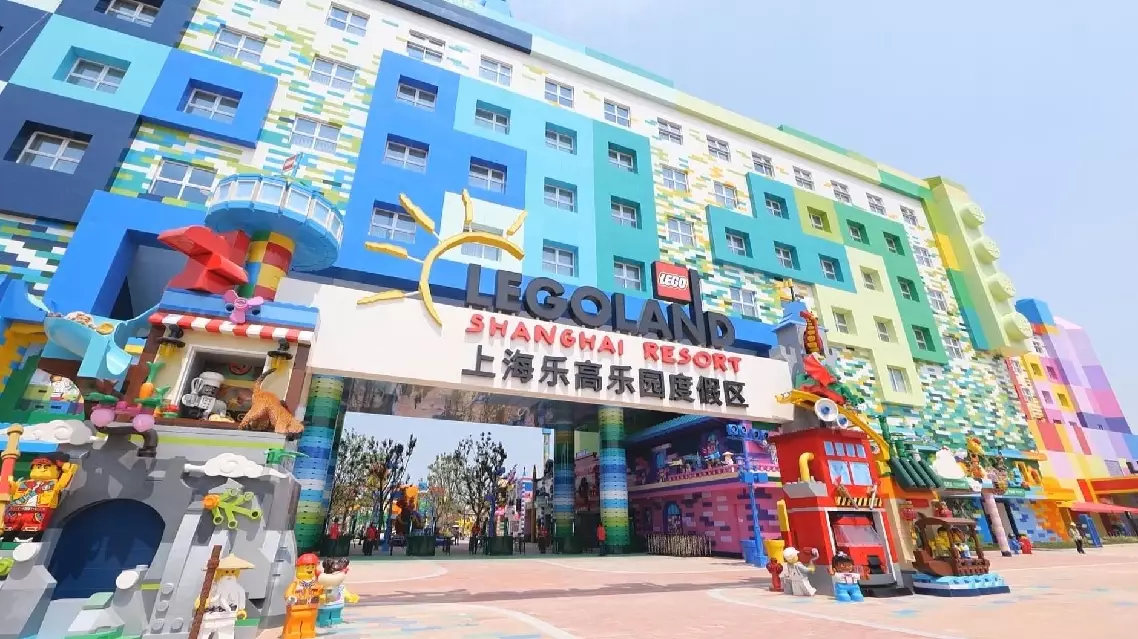
Meanwhile, final preparations for the much anticipated Legoland Shanghai are speeding up ahead of its official opening in July, which will mark a major milestone for both the city and Legoland's expansion into China, as they aim to emulate the success achieved by the Shanghai Disney Resort.
"[As] the first family-oriented theme park in the Yangtze [River] Delta region, we're very confident this will boost the interest and tourism to Shanghai, and especially to the Jinshan District," said Siegfried Boerst, managing director of Legoland Resorts in China.
The company is also pushing ahead with construction of another resort in the southern Chinese city of Shenzhen and is aiming to offer an experience that will resonate with Chinese visitors and attract families from across the country, with a design that goes beyond entertainment alone.
"Playing for children around the world, they all play very similar, but we are trying to incorporate with the Chinese culture. We want to incorporate knowledge of the Chinese industry as well in our design and in the production of the Legoland resort," said Boerst.
As China promotes integrated cultural tourism, theme parks are becoming powerful engines, driving urban growth, innovation, and family-centered development. Over the next five years, China's theme park industry is projected to expand at a compound annual growth rate of 7.2 percent, with many cities aiming to turn these attractions into iconic local landmarks.
As of October last year, there were 358 theme parks operating on the Chinese mainland, with 87 of these being classified as large or super-sized and backed by investments exceeding 1.5 billion yuan (over 200 million U.S. dollars).
Global theme parks bet big on China’s family tourism market