WASHINGTON (AP) — Dressed in a pink pullover, the 17-year-old girl rested her head in her hands, weighing her bleak options from the empty room of a shelter in Poughkeepsie, New York.
During a video call into an immigration courtroom in Manhattan, she listened as a lawyer explained to a judge how new regulations imposed by President Donald Trump's administration — for DNA testing, income verification and more — have hobbled efforts to reunite with her parents in the U.S. for more than 70 days.
As the administration’s aggressive efforts to curtail migration have taken shape, including unparalleled removals of men to prisons in other countries, migrant children are being separated for long periods from the relatives they had hoped to live with after crossing into the U.S.
Under the Trump rules, migrant children have stayed in shelters an average of 217 days before being released last month to family members, according to new data from the Health and Human Services Department's Office of Refugee Resettlement. During the Biden administration, migrant children spent an average of 35 days in shelters before being released to relatives.
“Collectively, these policy changes have resulted in children across the country being separated from their loving families, while the government denies their release, unnecessarily prolonging their detention,” lawyers for the National Center for Youth Law argued in court documents submitted May 8.
The Trump administration, however, has argued that the new rules will ensure the children are put in safe homes and prevent traffickers from illegally bringing children into the country.
Robert F. Kennedy Jr., the health secretary, told lawmakers in Congress this month, “Nobody gets a kid without showing that they are a family member.”
The family situation for the 17-year-old, and her 14-year-old brother who came with her from the Dominican Republic, is complicated. Their parents, who were living apart, were already in the U.S. Their children were trying to reunite with them to leave behind a problematic living situation with a stepmother in their home country.
After 70 days in detention, the teen girl seemed to wonder if she would ever get back to her mother or father in the U.S. If she agreed to leave America, she asked the judge, how quickly would she be sent back to her home country?
“Pretty soon,” the judge said, before adding, “It doesn’t feel nice to be in that shelter all the time.”
The siblings, whom The Associated Press agreed not to identify at the request of their mother and because they are minors, are not alone. Thousands of children have made the trek from Guatemala, Haiti, Mexico and other countries, often alone on the promise of settling with a family member already in the U.S.
They've faced longer waits in federal custody as officials perform DNA testing, verify family members' incomes and inspect homes before releasing the children. The new rules also require adults who sponsor children to provide U.S.-issued identification.
The federal government only released 45 children to sponsors last month, even as more than 2,200 children remained in their custody.
Under the Biden administration, officials tried to release children to eligible adult sponsors within 30 days, reuniting many families quickly. But the approach also yielded errors, with some children being released to adults who forced them to work illegally, or to people who provided clearly false identification and addresses.
Trump's Republican administration has said its requirements will prevent children from being placed in homes where they may be at risk for abuse or exploited for child labor. Officials are conducting a review of 65,000 “notices of concerns” that were submitted to the federal government involving thousands of children who were placed with adult sponsors since 2023.
Already, the Justice Department indicted a man on allegations he enticed a 14-year-old girl to travel from Guatemala to the U.S., then falsely claimed she was his sister to gain custody as her sponsor.
Immigration advocacy groups have sued the Trump administration seeking to block the more rigorous requirements on behalf of parents and adult siblings who are waiting to bring migrant children into their homes.
“We have a lot of children stuck ... simply because they are awaiting DNA testing,” immigration lawyer Tatine Darker, of Church World Service, told the Manhattan judge as she sat next to the Dominican girl.
Five other children appeared in court that day from shelters in New York and New England, all saying they experienced delays in being released to their relatives.
The Trump administration’s latest guidance on DNA testing says the process generally takes at least two weeks, when accounting for case review and shipping results.
But some relatives have waited a month or longer just to get a test, said Molly Chew, a legal aide at Vecina. The organization is ending its work supporting guardians in reunification because of federal funding cuts and other legal and political challenges to juvenile immigration programs. DNA Diagnostics Centers, which is conducting the tests for the federal government, did not respond to a request for comment.
Plaintiffs in the class-action lawsuit filed by the National Center for Youth Law have also cataloged long wait times and slow DNA results. One mother in Florida said she had been waiting at least a month just to get a DNA appointment, according to testimony submitted to the court.
Another mother waited three weeks for results. But by the time those came through in April, the Trump administration introduced a new rule that required her to provide pay stubs she doesn't have. She filed bank statements instead. Her children were released 10 weeks after her application was submitted, according to court documents filed Tuesday.
Many parents living in the U.S. without work authorization do not have income documents or U.S. identification documents, like visas or driver's licenses.
The siblings being held at the Poughkeepsie shelter are in that conundrum, said Darker, the New York immigration lawyer. They crossed the U.S.-Mexico border in March with their 25-year-old sister and her children, who were quickly deported.
Their mother said she moved to New Jersey a few years ago to earn money to support them. She couldn't meet the new income reporting requirements. Their father, also from the Dominican Republic, lives in Boston and agreed to take them. But the DNA testing process has taken weeks. The AP could not reach him for comment.
She said her children are downcast and now simply want to return to the Dominican Republic.
“My children are going to return because they can’t take it anymore,” the mother said in Spanish. She noted that her children will have been in the shelter three months on Sunday.
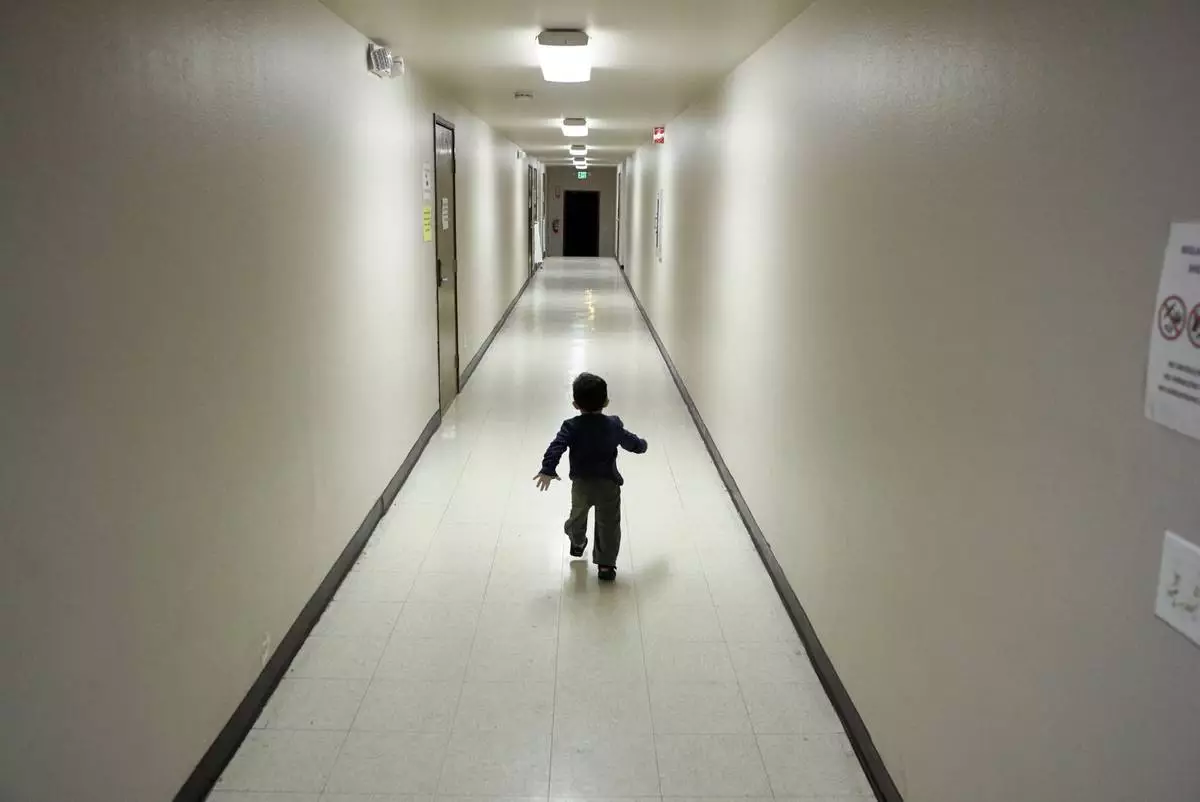
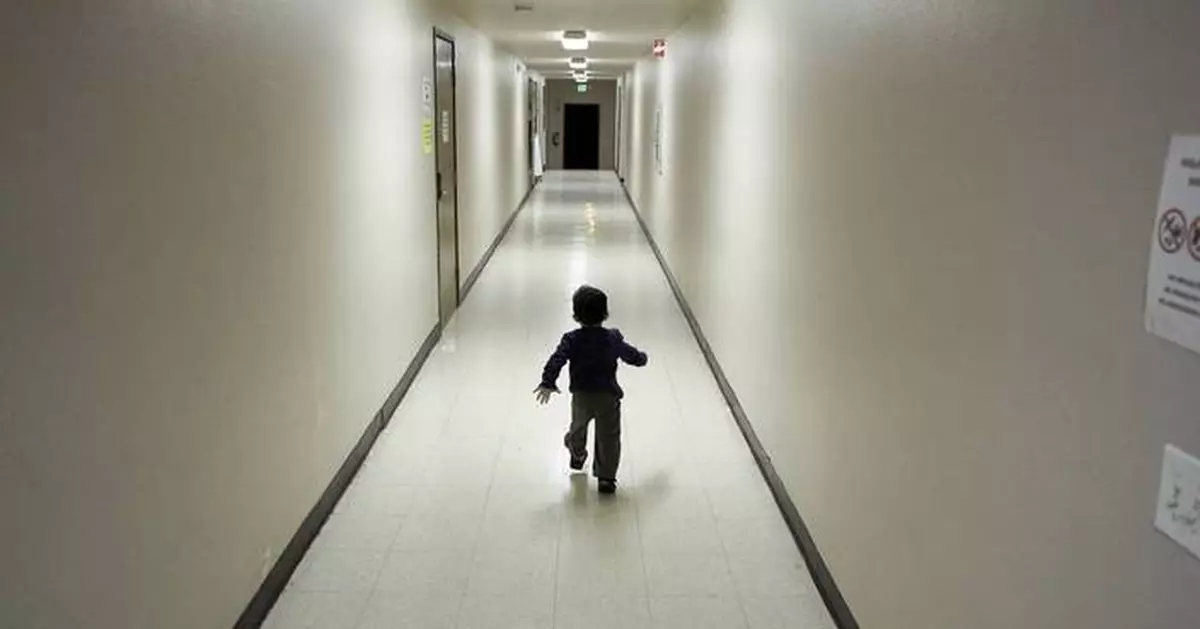
FILE - An asylum-seeking boy from Central America runs down a hallway after arriving from an immigration detention center to a shelter in San Diego, Dec. 11, 2018. (AP Photo/Gregory Bull, File)