Skip to Content Facebook Feature Image

What to know about a cholera outbreak in Sudan that has killed over 170 people

News

What to know about a cholera outbreak in Sudan that has killed over 170 people
News

News

What to know about a cholera outbreak in Sudan that has killed over 170 people

2025-05-29 01:03 Last Updated At:01:11

CAIRO (AP) — A fast-spreading cholera outbreak has hit Sudan, killing 172 people, with more than 2,500 others becoming ill in the past week.

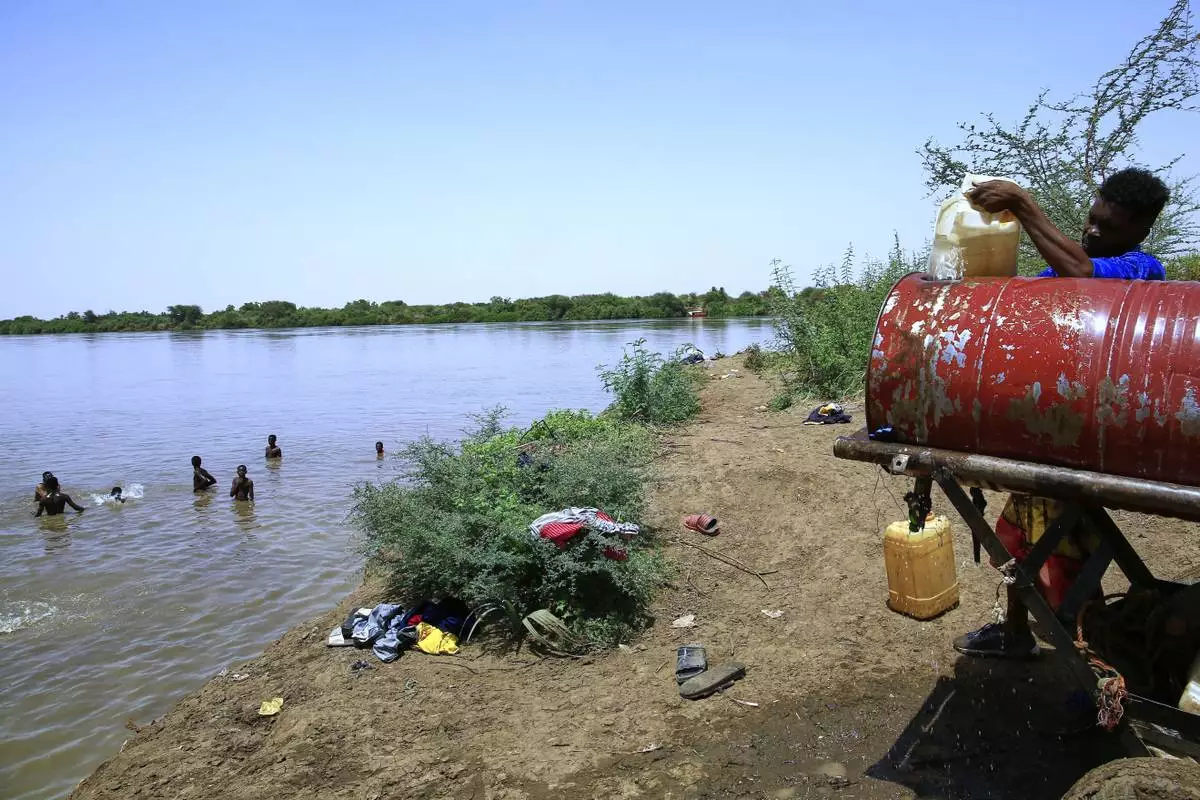
Centered around Khartoum, the disease has spread as many Sudanese who had fled the country’s war return to their homes in the capital and its twin city of Omdurman. There, they often can only find unclean water — a dangerous conduit for cholera — since much of the health and sanitation infrastructure has collapsed amid the fightiing.

It is the latest calamity for the African nation, where a 2-year-old civil war has caused one of the world’s worst humanitarian crises.

Here is what to know about the new outbreak:

The latest outbreak has killed 172 people, with more than 2,500 others becoming ill over the past week, according to the Health Ministry.

UNICEF said Wednesday that the number of reported cases surged ninefold from 90 a day to 815 a day since from May 15-25. Since the beginning of the year, more than 7,700 people have been diagnosed with cholera, including more than 1,000 children under the age of 4, it said.

Most cases have been reported in Khartoum and Omdurman, but cholera was also detected in five surrounding provinces, the ministry said.

Joyce Bakker, the Sudan coordinator for Doctors Without Borders, said the group’s treatment centers in Omdurman are overwhelmed with patients.

The “scenes are disturbing,” Bakker said. “Many patients are arriving too late to be saved … We don’t know the true scale of the outbreak, and our teams can only see a fraction of the full picture.”

Khartoum and Omdurman were a battleground throughout the civil war, nearly emptying them of residents. The region of the capital was recaptured by the military in late March from its rival, the paramilitary Rapid Support Forces, or RSF.

Since then, some 34,000 people have returned. But the city has been wrecked by months of fighting. Many found their homes damaged. Clean water is difficult to find, in part because attacks on power plants have disrupted electricity and worsened water shortages, UNICEF said. Sanitation systems are damaged.

“People have been drinking polluted water and transferring water into unhygienic containers,” said Dr. Rania Elsayegh, with Sudan’s Doctors for Human Rights.

Health workers fear the outbreak could spread quickly, since many people are packed into displacement centers making it difficult to isolate those infected. The health system has also broken down. More than 80% of hospitals are out of service and those that are operating have shortages of water, electricity and medication, said Dr. Sayed Mohamed Abdullah, of Sudan’s Doctors Union.

The World Health Organization describes cholera as a “disease of poverty” because it spreads where there is poor sanitation and a lack of clean water.

It is a diarrheal disease caused when people eat food or water contaminated with the bacterium Vibrio cholerae. It is easily treatable with rehydration solutions and antibiotics. Most of those infected have only mild symptoms but, in severe cases, the disease can kill within hours if left untreated.

The WHO’s global stockpile of oral cholera vaccines has dropped below its minimum threshold of 5 million doses, making it increasingly difficult to stop outbreaks. At the same time, cholera epidemics have been on the rise around the world since 2021, because of poverty, conflict and extreme climate events like floods and cyclones, the U.N. says.

The civil war has devastated Sudan since it erupted in April 2023, when simmering tensions between the military and the RSF exploded into open warfare across the country.

At least 24,000 people have been reported killed, though the number is likely far higher. More than 14 million have been displaced and forced from their homes, including over 4 million who streamed into neighboring countries.

Famine was announced in at least five locations with the epicenter in the wrecked Darfur region.

The fighting has been marked by atrocities including mass rape and ethnically motivated killings that the U.N. and international rights groups say amount to war crimes and crimes against humanity.

Devastating seasonal floods have compounded Sudan’s misery. Each year, dozens of people have been killed and critical infrastructure washed away.

Cholera is not uncommon in Sudan. In 2017, cholera left at least 700 dead and sickened about 22,000 in less than two months.

But the war’s destruction has fueled repeated outbreaks.

Cholera spread across 11 of the country’s 18 provinces in September and October, sickening more than 20,000 people and killing at least 626, according to health authorities.

Over the course of two weeks in February and March, another outbreak infected more than 2,600 people, and 90 people died, mostly in the White Nile province, according to Doctors Without Borders.

Other diseases have also spread. In the past week, an outbreak of dengue, a mosquito-borne illness, sickened about 12,900 people and killed at least 20, the Health Ministry said Tuesday. At the same time, at least 12 people died of meningitis, a highly contagious, serious airborne viral disease, it said.

AP correspondent Fatma Khaled in Cairo contributed to this report.
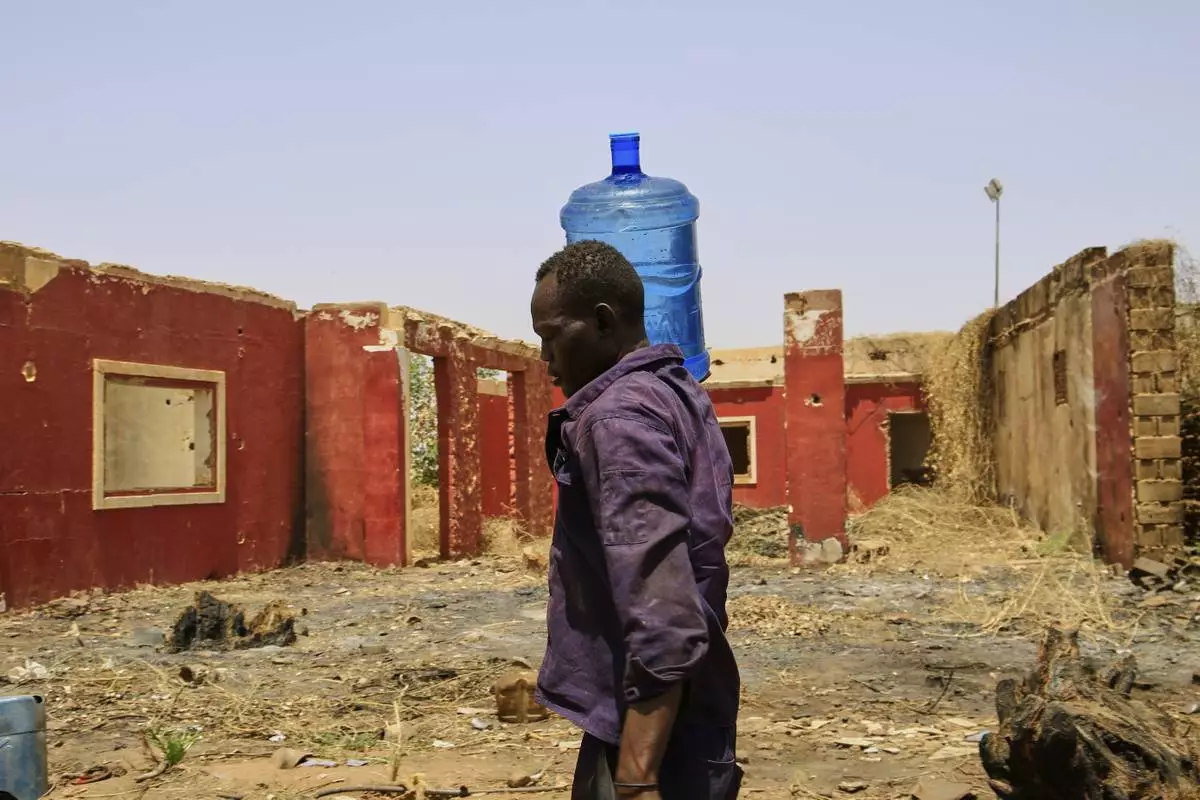
A man carries a water container past a building damaged during the civil war at a distribution point due to water outages in Khartoum, Sudan, Sunday, May 25, 2025. (AP Photo)
A man carries a water container past a building damaged during the civil war at a distribution point due to water outages in Khartoum, Sudan, Sunday, May 25, 2025. (AP Photo)

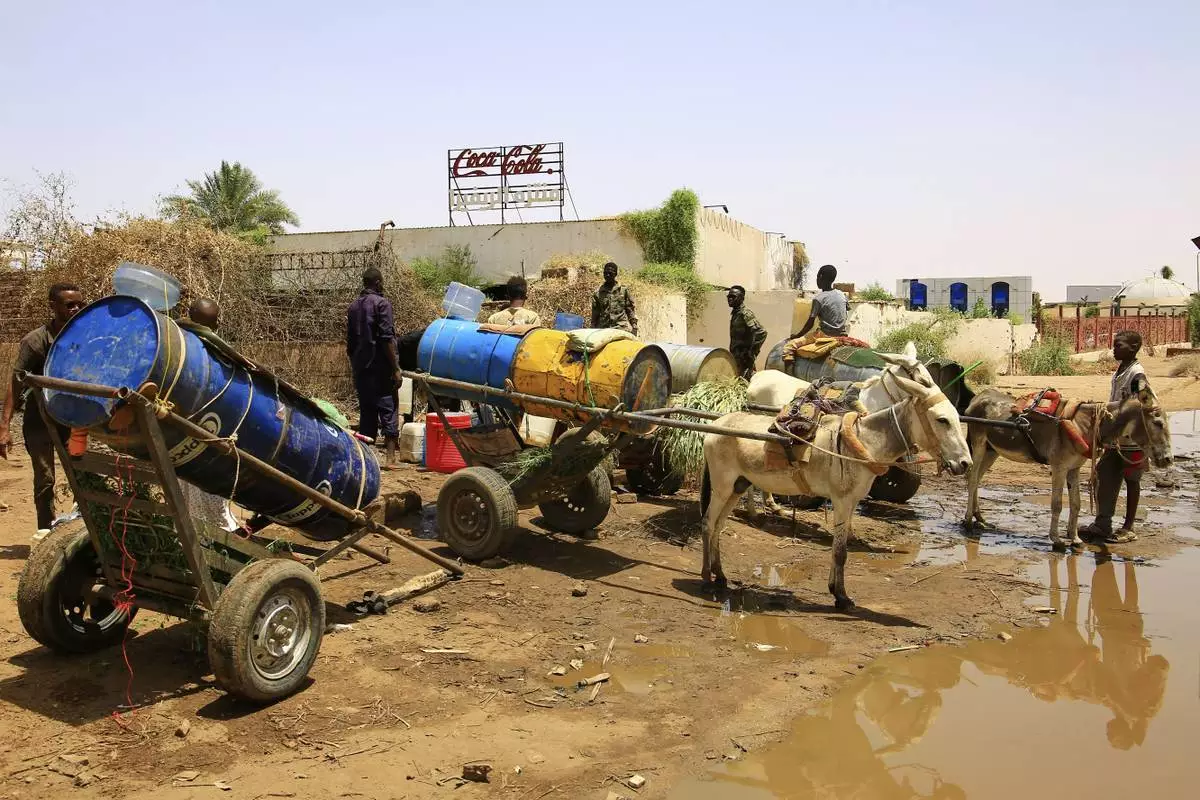
People fill water containers at a distribution point due to water outages in Khartoum, Sudan, Sunday, May 25, 2025. (AP Photo)
People fill water containers at a distribution point due to water outages in Khartoum, Sudan, Sunday, May 25, 2025. (AP Photo)

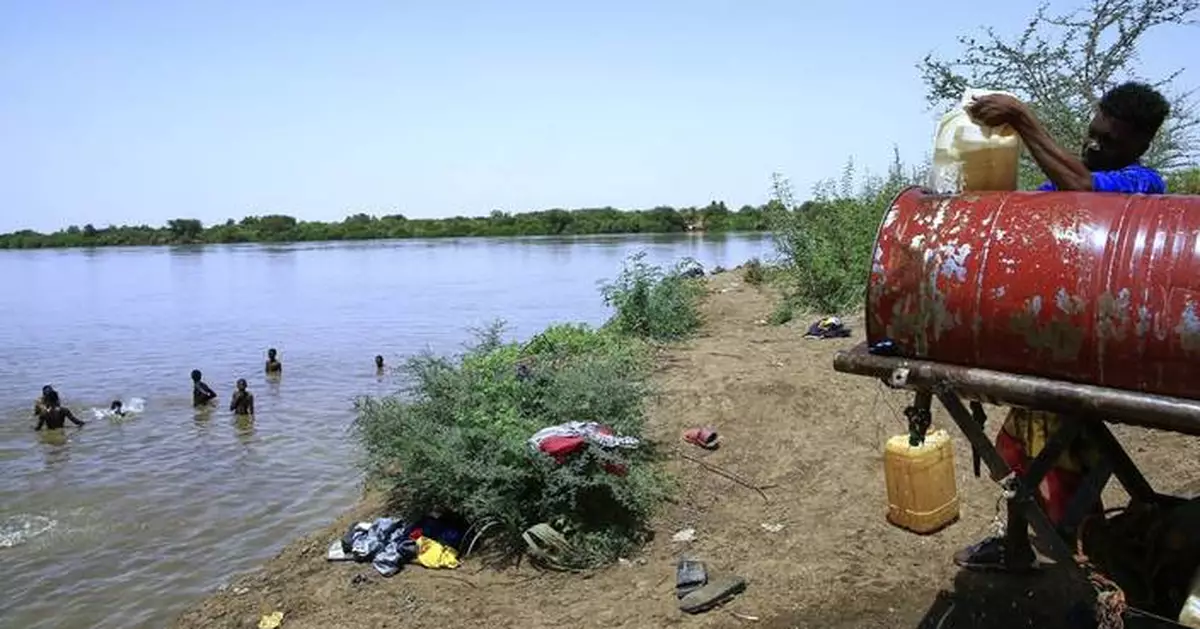
People swim in the Nile River as another fills a water container due to water outages in Khartoum, Sudan, Sunday, May 25, 2025. (AP Photo)
People swim in the Nile River as another fills a water container due to water outages in Khartoum, Sudan, Sunday, May 25, 2025. (AP Photo)

CARACAS, Venezuela (AP) — Venezuela’s government accused the United States of attacking civilian and military installations in multiple states after at least seven explosions and low-flying aircraft were heard around 2 a.m. local time Saturday in the capital, Caracas.

The Pentagon and White House did not immediately respond to requests for comment.

Smoke could be seen rising from the hangar of a military base in Caracas. Another military installation in the capital was without power.

People in various neighborhoods rushed to the streets. Some could be seen in the distance from various areas of Caracas.

“The whole ground shook. This is horrible. We heard explosions and planes,” said Carmen Hidalgo, a 21-year-old office worker, her voice trembling. She was walking briskly with two relatives, returning from a birthday party. “We felt like the air was hitting us.”

Venezuela’s government, in the statement, called on its supporters to take to the streets.

“People to the streets!” the statement said. “The Bolivarian Government calls on all social and political forces in the country to activate mobilization plans and repudiate this imperialist attack.”

The statement added that President Nicolás Maduro had “ordered all national defense plans to be implemented” and declared “a state of external disturbance.”

This comes as the U.S. military has been targeting, in recent days, alleged drug-smuggling boats. On Friday, Venezuela said it was open to negotiating an agreement with the U.S. to combat drug trafficking.

Maduro also said in a pretaped interview aired Thursday that the U.S. wants to force a government change in Venezuela and gain access to its vast oil reserves through the monthslong pressure campaign that began with a massive military deployment to the Caribbean Sea in August.

Maduro has been charged with narco-terrorism in the U.S. The CIA was behind a drone strike last week at a docking area believed to have been used by Venezuelan drug cartels in what was the first known direct operation on Venezuelan soil since the U.S. began strikes on boats in September.

U.S. President Donald Trump for months had threatened that he could soon order strikes on targets on Venezuelan land. The U.S. has also seized sanctioned oil tankers off the coast of Venezuela, and Trump ordered a blockade of others in a move that seemed designed to put a tighter chokehold on the South American country’s economy.

The U.S. military has been attacking boats in the Caribbean Sea and the eastern Pacific Ocean since early September. As of Friday, the number of known boat strikes is 35 and the number of people killed is at least 115, according to numbers announced by the Trump administration.

They followed a major buildup of American forces in the waters off South America, including the arrival in November of the nation’s most advanced aircraft carrier, which added thousands more troops to what was already the largest military presence in the region in generations.

Trump has justified the boat strikes as a necessary escalation to stem the flow of drugs into the U.S. and asserted that the U.S. is engaged in an “armed conflict” with drug cartels.

Meanwhile, Iranian state television reported on the explosions in Caracas on Saturday, showing images of the Venezuelan capital. Iran has been close to Venezuela for years, in part due to their shared enmity of the U.S.

Pedestrians walk past the Miraflores presidential palace after explosions and low-flying aircraft were heard in Caracas, Venezuela, Saturday, Jan. 3, 2026. (AP Photo/Cristian Hernandez)

Pedestrians walk past the Miraflores presidential palace after explosions and low-flying aircraft were heard in Caracas, Venezuela, Saturday, Jan. 3, 2026. (AP Photo/Cristian Hernandez)

Residents evacuate a building near the Miraflores presidential palace after explosions and low-flying aircraft were heard in Caracas, Venezuela, Saturday, Jan. 3, 2026. (AP Photo/Cristian Hernandez)

Residents evacuate a building near the Miraflores presidential palace after explosions and low-flying aircraft were heard in Caracas, Venezuela, Saturday, Jan. 3, 2026. (AP Photo/Cristian Hernandez)

Smoke raises at La Carlota airport after explosions and low-flying aircraft were heard in Caracas, Venezuela, Saturday, Jan. 3, 2026. (AP Photo/Matias Delacroix)

Smoke raises at La Carlota airport after explosions and low-flying aircraft were heard in Caracas, Venezuela, Saturday, Jan. 3, 2026. (AP Photo/Matias Delacroix)

Pedestrians run after explosions and low-flying aircraft were heard in Caracas, Venezuela, Saturday, Jan. 3, 2026. (AP Photo/Matias Delacroix)

Pedestrians run after explosions and low-flying aircraft were heard in Caracas, Venezuela, Saturday, Jan. 3, 2026. (AP Photo/Matias Delacroix)

Smoke raises at La Carlota airport after explosions and low-flying aircraft were heard in Caracas, Venezuela, Saturday, Jan. 3, 2026. (AP Photo/Matias Delacroix)

Smoke raises at La Carlota airport after explosions and low-flying aircraft were heard in Caracas, Venezuela, Saturday, Jan. 3, 2026. (AP Photo/Matias Delacroix)

Smoke raises at La Carlota airport after explosions and low-flying aircraft were heard in Caracas, Venezuela, Saturday, Jan. 3, 2026. (AP Photo/Matias Delacroix)

Smoke raises at La Carlota airport after explosions and low-flying aircraft were heard in Caracas, Venezuela, Saturday, Jan. 3, 2026. (AP Photo/Matias Delacroix)

Pedestrians run after explosions and low-flying aircraft were heard in Caracas, Venezuela, Saturday, Jan. 3, 2026. (AP Photo/Matias Delacroix)

Pedestrians run after explosions and low-flying aircraft were heard in Caracas, Venezuela, Saturday, Jan. 3, 2026. (AP Photo/Matias Delacroix)

Recommended Articles