COLUMBIA, S.C. (AP) — Dr. Annie Andrews, the South Carolina Democrat who unsuccessfully challenged U.S. Rep. Nancy Mace in 2022, says she's running against Republican U.S. Sen. Lindsey Graham in 2026, challenging the four-term incumbent in part due to what she characterized as his waffling positions over the course of his political career.
“He’s changed his position on nearly every issue over that time and that’s because, in my view, he doesn’t stand for anything or believe in anything other than what it takes to get reelected,” Andrews, a pediatrician in Charleston, told The Associated Press before a campaign rollout Thursday.
Andrews joins at least one other Democrat in a primary field.
In her launch video, Andrews says it’s “embarrassing” to see how politicians like Graham — at the moment one of President Donald Trump’s top Senate allies — have swung from criticizing Trump to working to gain his favor. The video features archival video of Graham bemoaning critics who called Trump a “kook” and then, a year earlier, using the same term to describe his former GOP primary foe in the 2016 presidential contest.
Andrews also levies criticism at Graham for voting to confirm Trump’s Cabinet picks and for his relationship with Elon Musk, describing “an unelected billionaire ... taking a chainsaw to Social Security, Medicare and veterans’ healthcare.” She calls Defense Secretary Pete Hegseth “a guy who can’t even organize a text thread,” a reference to the recent Signal chat scandal in which war plans were discussed.
No Democrat has won a U.S. Senate seat in South Carolina in decades, and Republicans in recent history typically take statewide seats by double-digit margins. When he last ran in 2020, Graham defeated his Democratic opponent, Jaime Harrison, by a 10 percentage point margin.
That contest turned into South Carolina’s most expensive ever, with both candidates posting record fundraising that surpassed $200 million total and continued to grow in the race’s closing days. Harrison, who went on to chair the Democratic National Committee, became the first U.S. Senate candidate to amass a war chest of more than $100 million over the course of the race.
Andrews was the Democratic nominee who unsuccessfully sought to unseat Mace in 2022, losing to the Republican by 14 percentage points. South Carolina's 1st District, which spans the state's southern coast, is the only one to have flipped from red to blue in decades, when Joe Cunningham won it for Democrats for a single term in the 2018 election. Mace won it in 2020 and has been reelected twice, although in 2026 she is eyeing a race for governor.
In the years since her House run, Andrews stepped away from her practice at the Medical University of South Carolina and founded a political organization focused on issues related to children, including climate change, gun violence and childhood poverty. According to federal filings, an affiliated political action committee, Their Future PAC, gave $7,000 to a handful of candidates in the 2024 cycle and had about $5,000 on hand at the end of 2024.
Asked about Democrats' lackluster statewide record in the state, Andrews said she felt Harrison's effort was “hamstrung” by necessary precautions in place during the pandemic. Now, she said, voters feel strained under the effects of the Trump administration's “chaotic” policies.
"Lindsey Graham has had 22 years to make things better for folks here in South Carolina, and I think you'd be hard-pressed to find many voters who could articulate in what way Lindsey has made their life better," Andrews said.
Graham, seeking his fifth Senate term, kicked off his reelection campaign in February, announcing that Gov. Henry McMaster and Sen. Tim Scott would chair his effort. Scott, the state’s junior senator, is serving as chairman of the National Republican Senatorial Committee, the chamber’s campaign arm.
At least one Republican has announced a primary challenge to Graham.
Meg Kinnard can be reached at http://x.com/MegKinnardAP
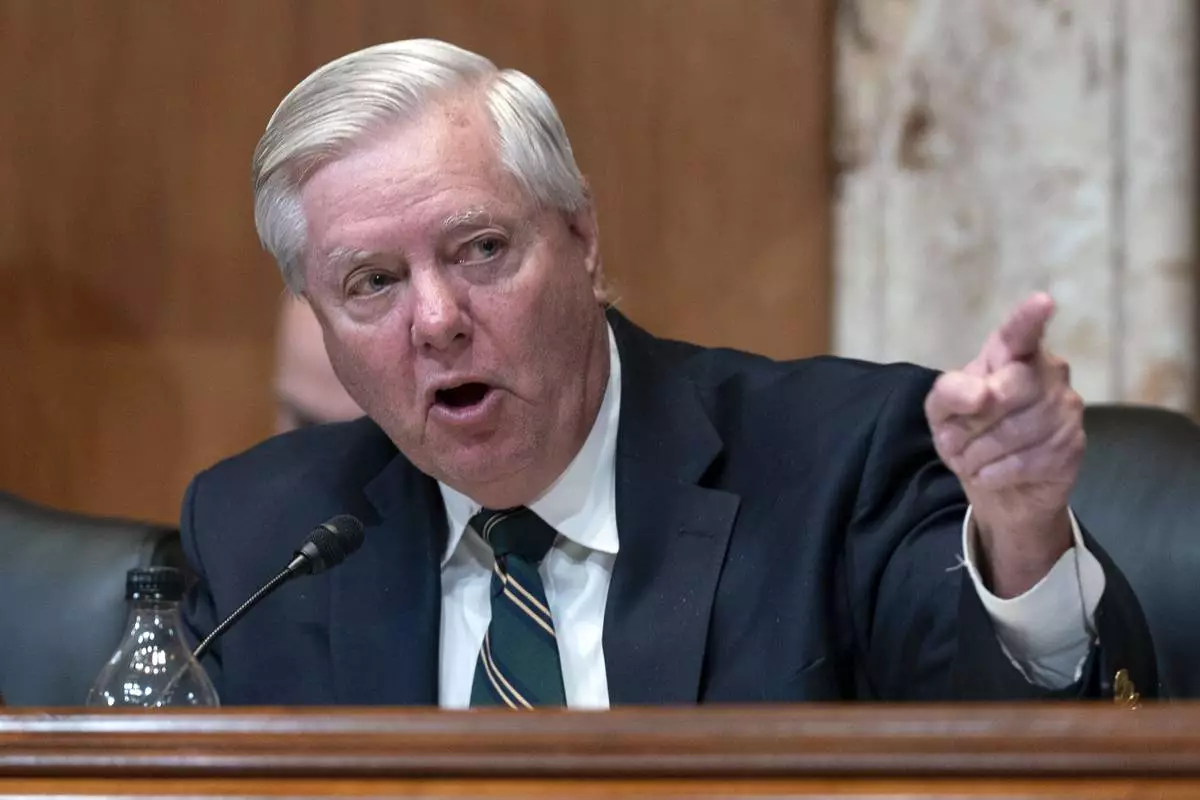
Sen. Lindsey Graham, R-S.C., questions Secretary of State Marco Rubio as he testifies before the Senate Committee on Appropriations subcommittee hearing to review the Fiscal Year 2026 budget request for the U.S. Department of State on Capitol Hill in Washington, Tuesday, May 20, 2025. (AP Photo/Jose Luis Magana)
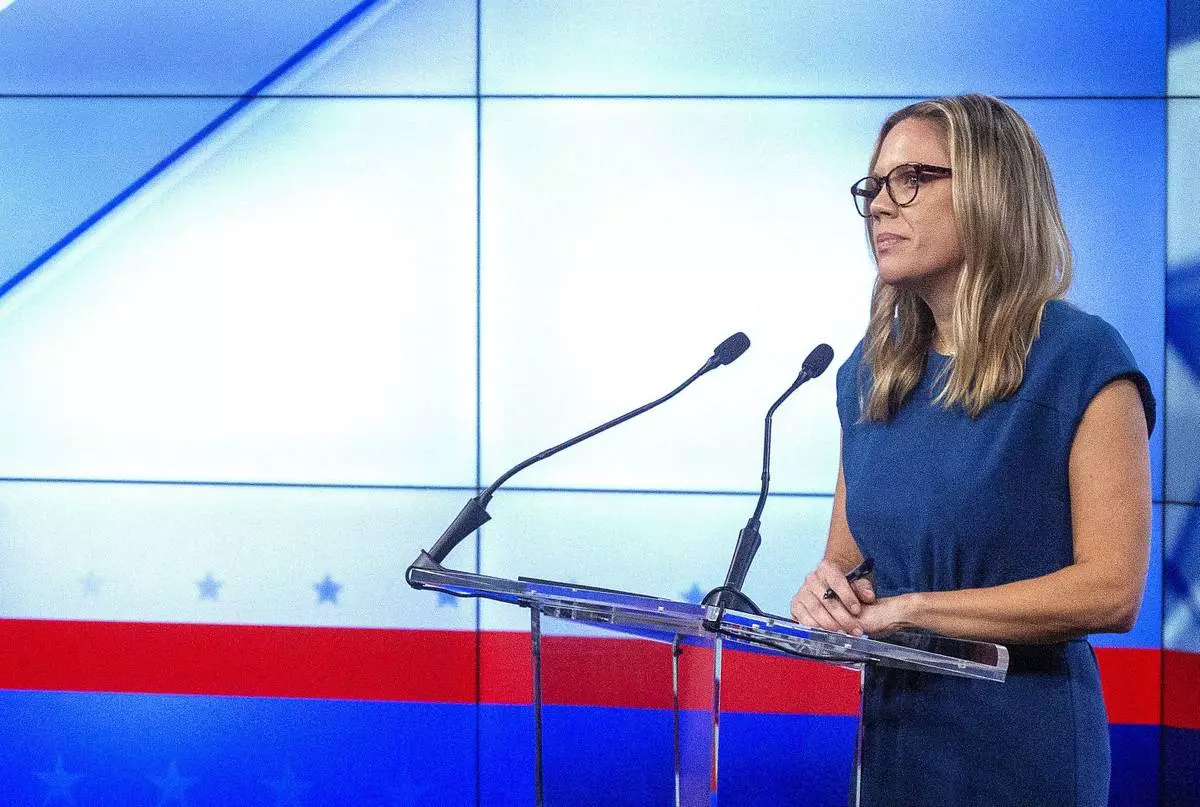
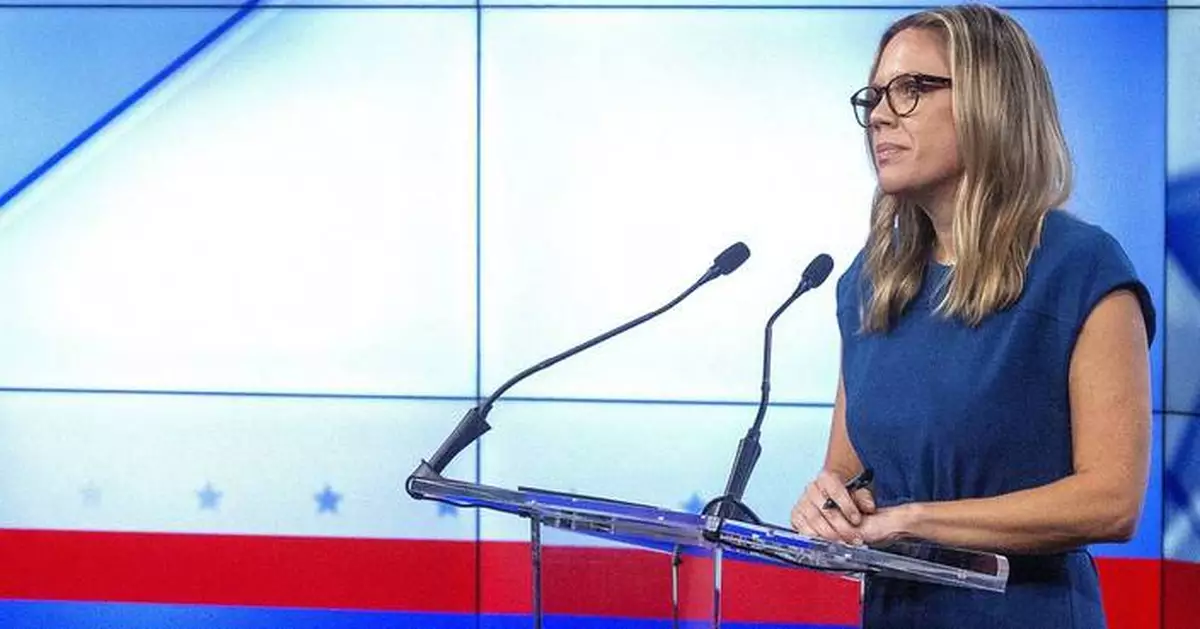
FILE - Democrat Dr. Annie Andrews participates in a debate with Rep. Nancy Mace, R-S.C. for South Carolina's 1st Congressional District, Oct. 19, 2022, in Charleston, S.C. (Brad Nettles/The Post And Courier via AP, File)
DUBAI, United Arab Emirates (AP) — U.S. President Donald Trump said Iran wants to negotiate with Washington after his threat to strike the Islamic Republic over its bloody crackdown on protesters, a move coming as activists said Monday the death toll in the nationwide demonstrations rose to at least 544.
Iran had no immediate reaction to the news, which came after the foreign minister of Oman — long an interlocutor between Washington and Tehran — traveled to Iran this weekend. It also remains unclear just what Iran could promise, particularly as Trump has set strict demands over its nuclear program and its ballistic missile arsenal, which Tehran insists is crucial for its national defense.
Meanwhile Monday, Iran called for pro-government demonstrators to head to the streets in support of the theocracy, a show of force after days of protests directly challenging the rule of 86-year-old Supreme Leader Ayatollah Ali Khamenei. Iranian state television aired chants from the crowd, who shouted “Death to America!” and “Death to Israel!”
Trump and his national security team have been weighing a range of potential responses against Iran including cyberattacks and direct strikes by the U.S. or Israel, according to two people familiar with internal White House discussions who were not authorized to comment publicly and spoke on condition of anonymity.
“The military is looking at it, and we’re looking at some very strong options,” Trump told reporters on Air Force One on Sunday night. Asked about Iran’s threats of retaliation, he said: “If they do that, we will hit them at levels that they’ve never been hit before.”
Trump said that his administration was in talks to set up a meeting with Tehran, but cautioned that he may have to act first as reports of the death toll in Iran mount and the government continues to arrest protesters.
“I think they’re tired of being beat up by the United States,” Trump said. “Iran wants to negotiate.”
He added: “The meeting is being set up, but we may have to act because of what’s happening before the meeting. But a meeting is being set up. Iran called, they want to negotiate.”
Iran through country's parliamentary speaker warned Sunday that the U.S. military and Israel would be “legitimate targets” if America uses force to protect demonstrators.
More than 10,600 people also have been detained over the two weeks of protests, said the U.S.-based Human Rights Activists News Agency, which has been accurate in previous unrest in recent years and gave the death toll. It relies on supporters in Iran crosschecking information. It said 496 of the dead were protesters and 48 were with security forces.
With the internet down in Iran and phone lines cut off, gauging the demonstrations from abroad has grown more difficult. The Associated Press has been unable to independently assess the toll. Iran’s government has not offered overall casualty figures.
Those abroad fear the information blackout is emboldening hard-liners within Iran’s security services to launch a bloody crackdown. Protesters flooded the streets in the country’s capital and its second-largest city on Saturday night into Sunday morning. Online videos purported to show more demonstrations Sunday night into Monday, with a Tehran official acknowledging them in state media.
In Tehran, a witness told the AP that the streets of the capital empty at the sunset call to prayers each night. By the Isha, or nighttime prayer, the streets are deserted.
Part of that stems from the fear of getting caught in the crackdown. Police sent the public a text message that warned: “Given the presence of terrorist groups and armed individuals in some gatherings last night and their plans to cause death, and the firm decision to not tolerate any appeasement and to deal decisively with the rioters, families are strongly advised to take care of their youth and teenagers.”
Another text, which claimed to come from the intelligence arm of the paramilitary Revolutionary Guard, also directly warned people not to take part in demonstrations.
“Dear parents, in view of the enemy’s plan to increase the level of naked violence and the decision to kill people, ... refrain from being on the streets and gathering in places involved in violence, and inform your children about the consequences of cooperating with terrorist mercenaries, which is an example of treason against the country,” the text warned.
The witness spoke to the AP on condition of anonymity due to the ongoing crackdown.
The demonstrations began Dec. 28 over the collapse of the Iranian rial currency, which trades at over 1.4 million to $1, as the country’s economy is squeezed by international sanctions in part levied over its nuclear program. The protests intensified and grew into calls directly challenging Iran’s theocracy.
Nikhinson reported from aboard Air Force One.
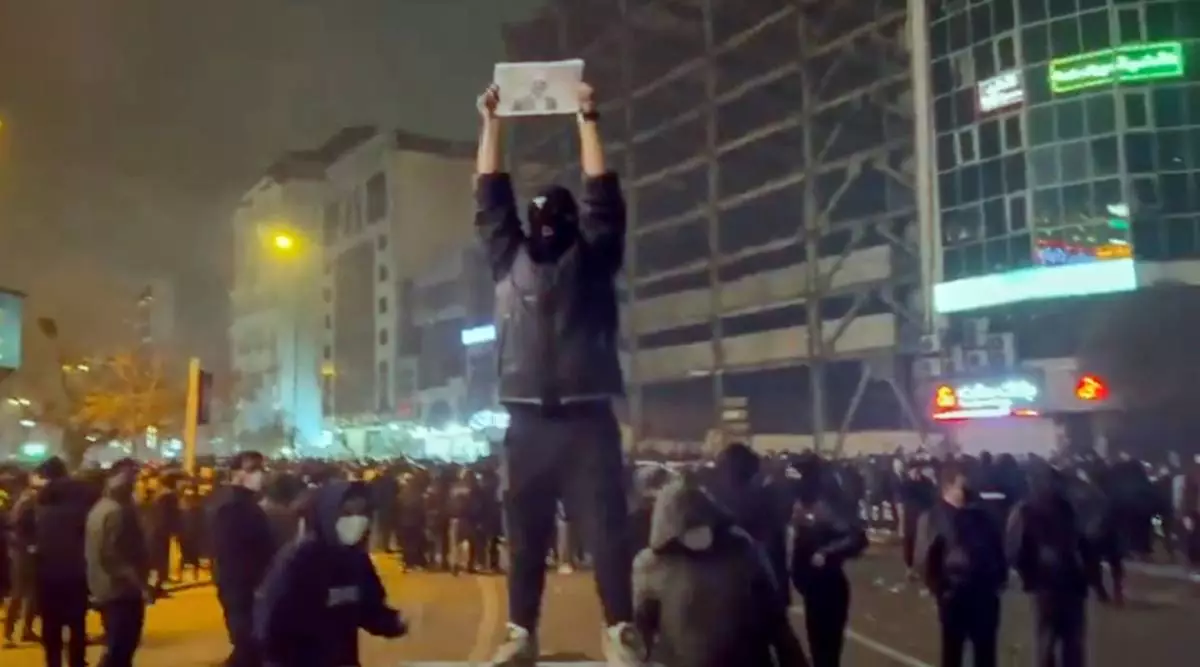
In this frame grab from video obtained by the AP outside Iran, a masked demonstrator holds a picture of Iran's Crown Prince Reza Pahlavi during a protest in Tehran, Iran, Friday, January. 9, 2026. (UGC via AP)
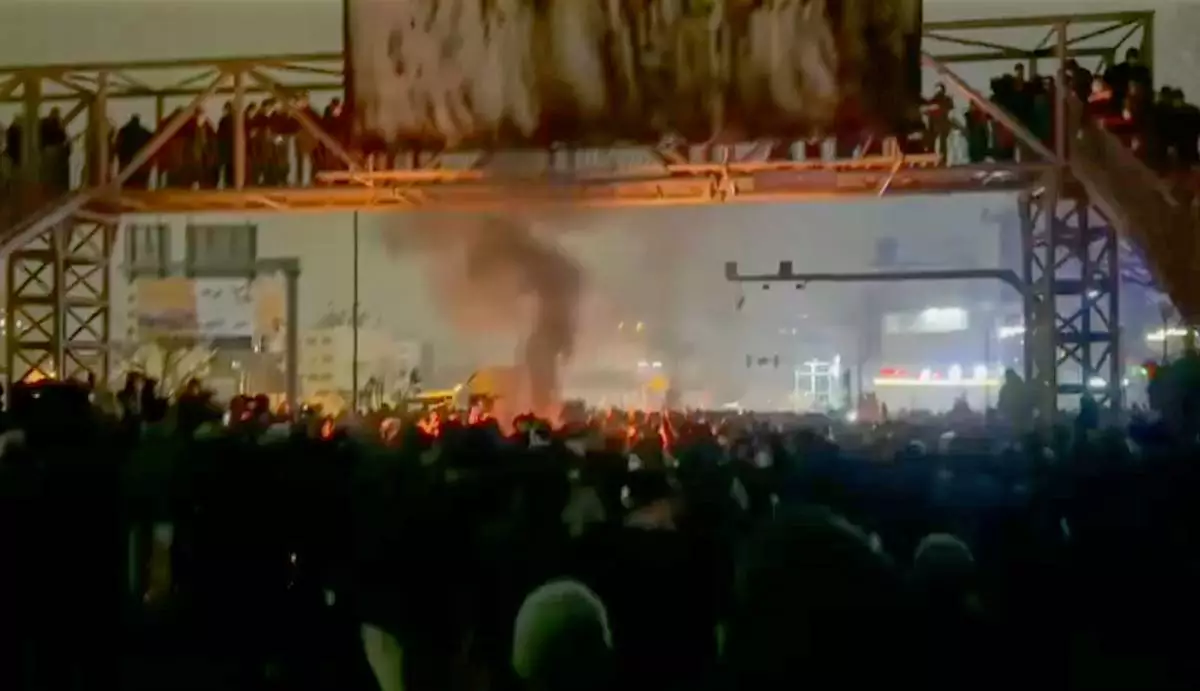
In this frame grab from footage circulating on social media from Iran shows protesters taking to the streets despite an intensifying crackdown as the Islamic Republic remains cut off from the rest of the world in Tehran, Iran, Friday, Jan. 9, 2026.(UGC via AP)
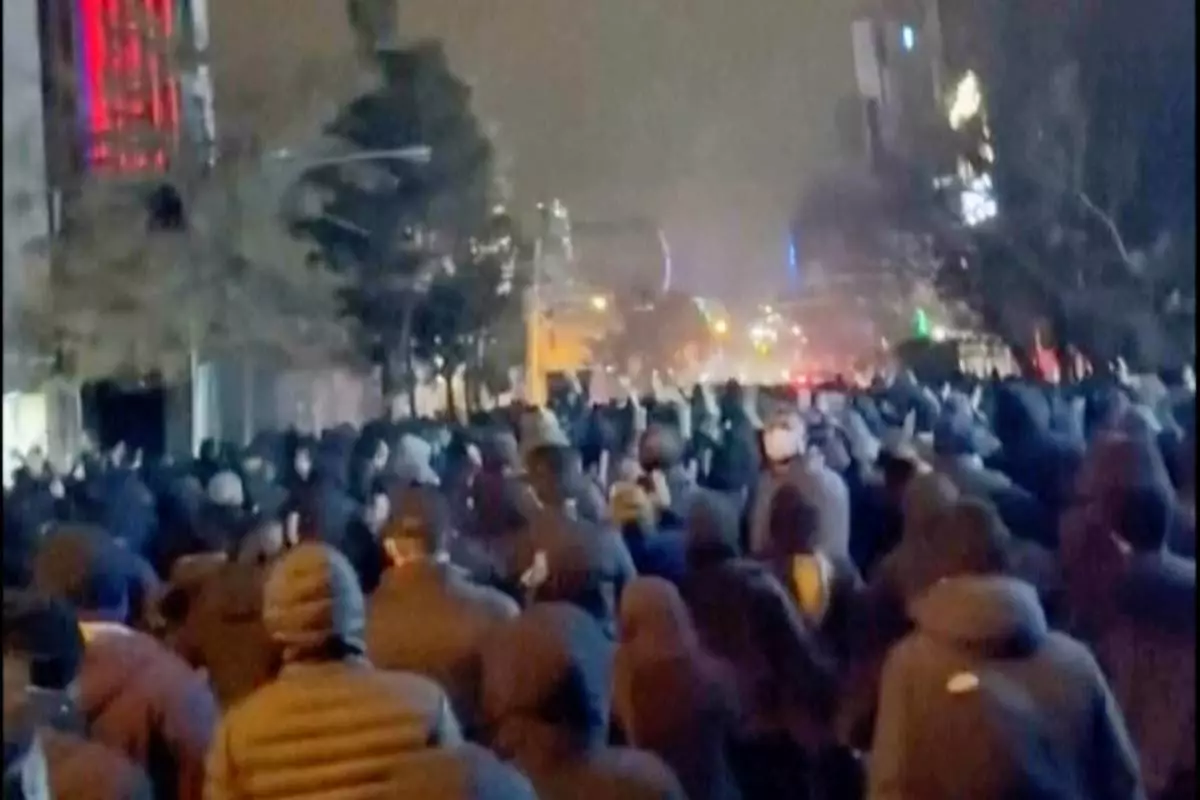
In this frame grab from footage circulating on social media from Iran showed protesters once again taking to the streets of Tehran despite an intensifying crackdown as the Islamic Republic remains cut off from the rest of the world in Tehran, Iran, Saturday Jan. 10, 2026. (UGC via AP)