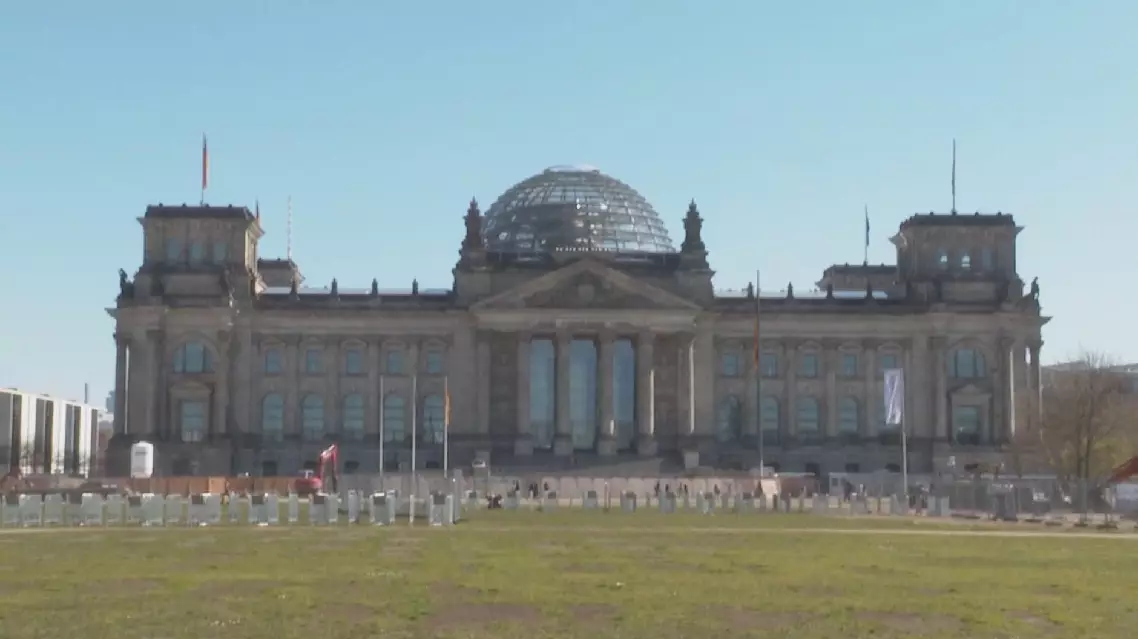
Germany is still considering a 10-percent digital tax on major U.S. technology companies, despite the risk of escalating trade tensions with the United States, a senior official said Friday.
When speaking with local media outlet Welt TV, Philipp Amthor, parliamentary state secretary in Germany's first ever Digital Ministry, said that some U.S. digital giants, including Alphabet and Meta, are "cleverly engaging in tax avoidance" while everything from German businesses is taxed.
Calling the situation "a question of tax justice", he said that a fairer system needs to be put forward in the country, even across the whole Europe to address the tax avoidance by American tech corporations.
Germany's media and culture commissioner Wolfram Weimer said Thursday that the government was drafting a proposal for the digital tax and would negotiate with large U.S. digital platforms.
He stressed that Germany is becoming extremely dependent on the U.S technological infrastructure, which is worrying and therefore changes must be made.
German Chancellor Friedrich Merz also said earlier that the EU has currently adopted many preferential measures for U.S. technology companies, including taxation, but this situation can not continue. Noting that the bloc does not want to get embroiled in an escalation of the tariff war with the United States, he urged the two sides to jointly resolve economic and trade conflicts.
Germany considers 10-pct digital tax on US tech giants
Germany considers 10-pct digital tax on US tech giants
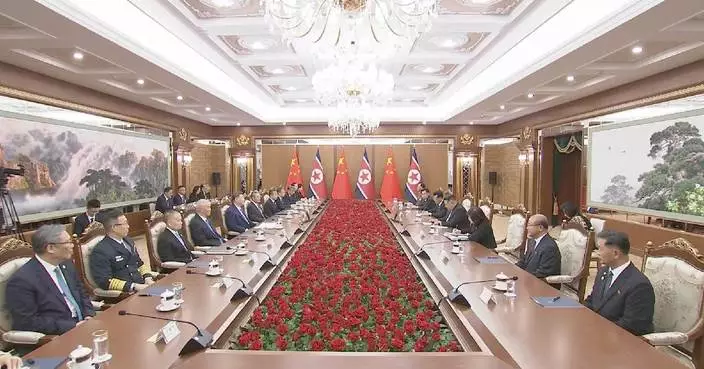
Xi Jinping, general secretary of the Communist Party of China (CPC) Central Committee and Chinese president, said on Monday that the relationship between China and the Democratic People's Republic of Korea (DPRK) stands at a new historical starting point.
Xi arrived in the DPRK capital of Pyongyang earlier on Monday to begin a two-day state visit at the invitation of Kim Jong Un, general secretary of the Workers' Party of Korea and president of the State Affairs of the DPRK, marking his first trip to the country in seven years.
Delivering a speech at a welcome banquet hosted by Kim, Xi pointed out that China and the DPRK, linked by mountains and rivers and sharing a common future, have seen their traditional friendship passed down across generations and grow ever stronger over time through the test of the evolving international landscape.
This year marks the 65th anniversary of the China-DPRK Treaty of Friendship, Cooperation and Mutual Assistance, and the China-DPRK relationship stands at a new historical starting point, Xi said, noting that he has reached important consensus with Kim during his visit.
From the strategic perspective of the future and destiny of socialism, both leaders have agreed to seize the general trend of the times, respond to the shared aspirations of the two peoples, strengthen high-level exchanges, deepen strategic communication, expand practical cooperation, enhance people-to-people bonds, promote the high-level development of China-DPRK relations, jointly open up brighter prospects for the socialist cause of both countries, and contribute to the continuous progress of human society, Xi said.
The successful convening of the Ninth Congress of the WPK this year has made strategic plans and major arrangements for the long-term development of the Party and the country's cause, ushering in a new period of comprehensive development of the DPRK's socialist cause, Xi said.
As good neighbors, good friends and good comrades, the Chinese side sincerely wishes that, under the strong leadership of the Central Committee of the WPK headed by General Secretary Kim, the DPRK people will successfully accomplish the goals and tasks set by the Ninth Congress of the WPK and make constant new achievements in the socialist cause of the DPRK, Xi said.
On behalf of the WPK, the government and the people of the DPRK, Kim extended the warmest welcome to Xi on his visit. Kim said that Pyongyang was filled with an atmosphere of friendship on this special day as the DPRK's Party, government and people warmly welcomed their most distinguished guest.
Noting that Xi's first overseas trip of the year had brought him to the DPRK, Kim said this fully demonstrated the great importance Xi attached to developing relations between the two parties and the two countries, and constituted the most valuable support for the DPRK's socialist cause.
Noting the meeting with Xi came nine months after their previous meeting, Kim said that during this meeting, they reached important consensus on further advancing DPRK-China relations with new contemporary connotations in light of new changing circumstances, and exchanged views on international and regional issues of mutual concern, which will surely accelerate the development of the DPRK-China friendship with profound historical traditions, and contribute to peace and stability in the region and the world.
The DPRK people take heartfelt joy in the remarkable achievements made by the brotherly Chinese people, Kim said, expressing belief that under the leadership of the CPC with Xi at its core, the great Chinese people will surely create greater achievements in building a great modern socialist country in all respects, realizing the Second Centenary Goal, and completing the new journey toward the great rejuvenation of the Chinese nation.
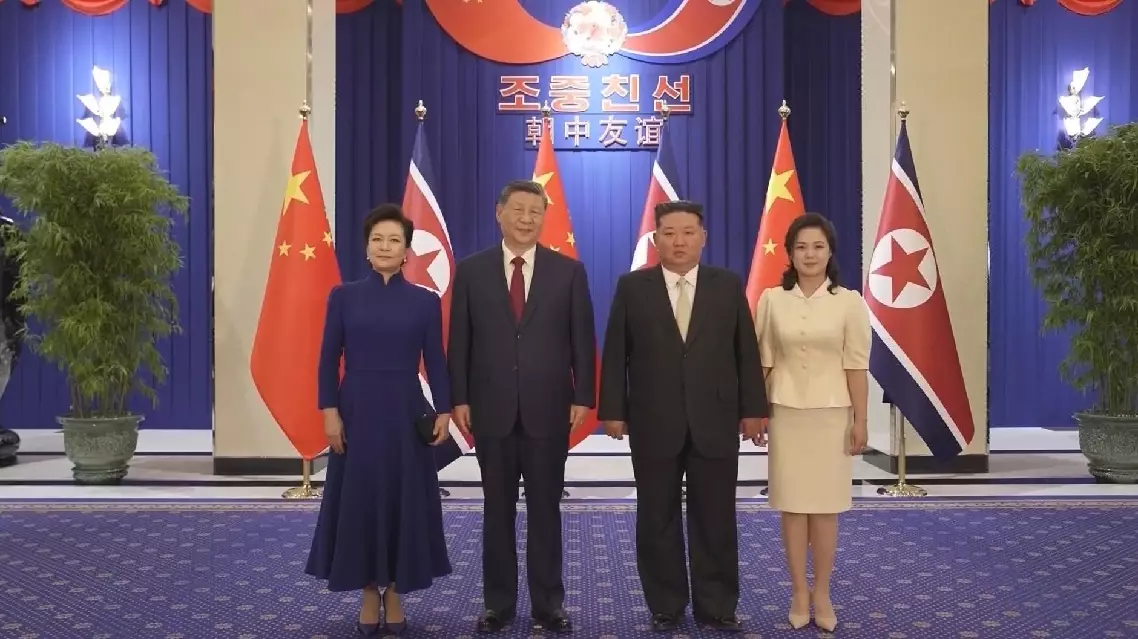
Xi says China-DPRK ties stand at new historical starting point