The so-called "Indo-Pacific Strategy" of the United States seeks to gang up to form exclusive blocs, stir up confrontation and undermine integration and peace in the Asia-Pacific region, a Chinese military expert said Saturday.
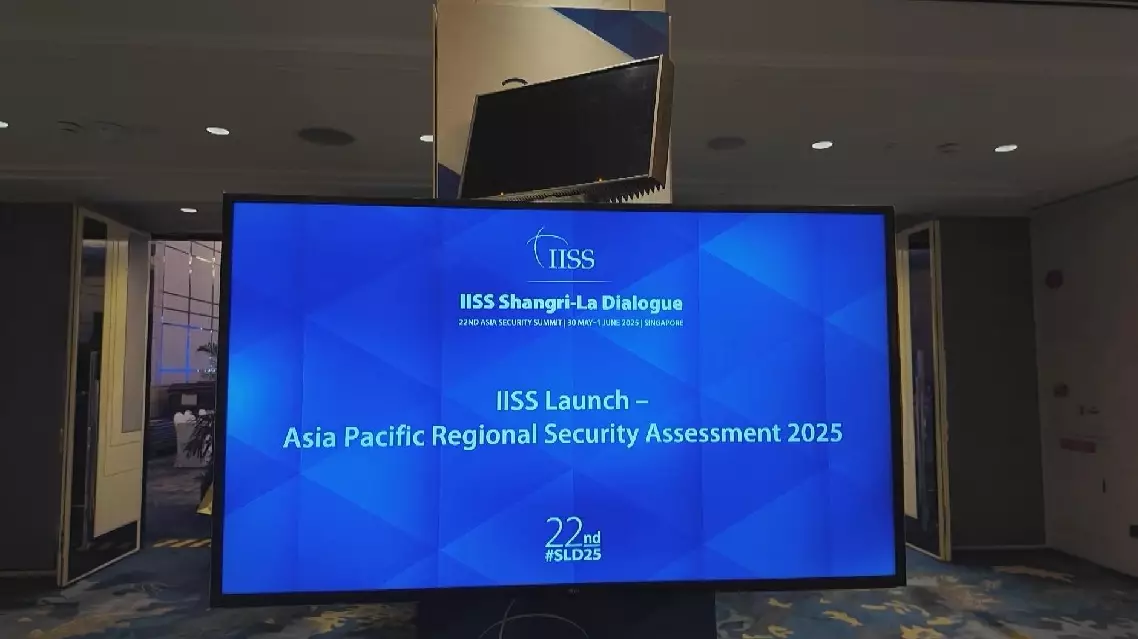
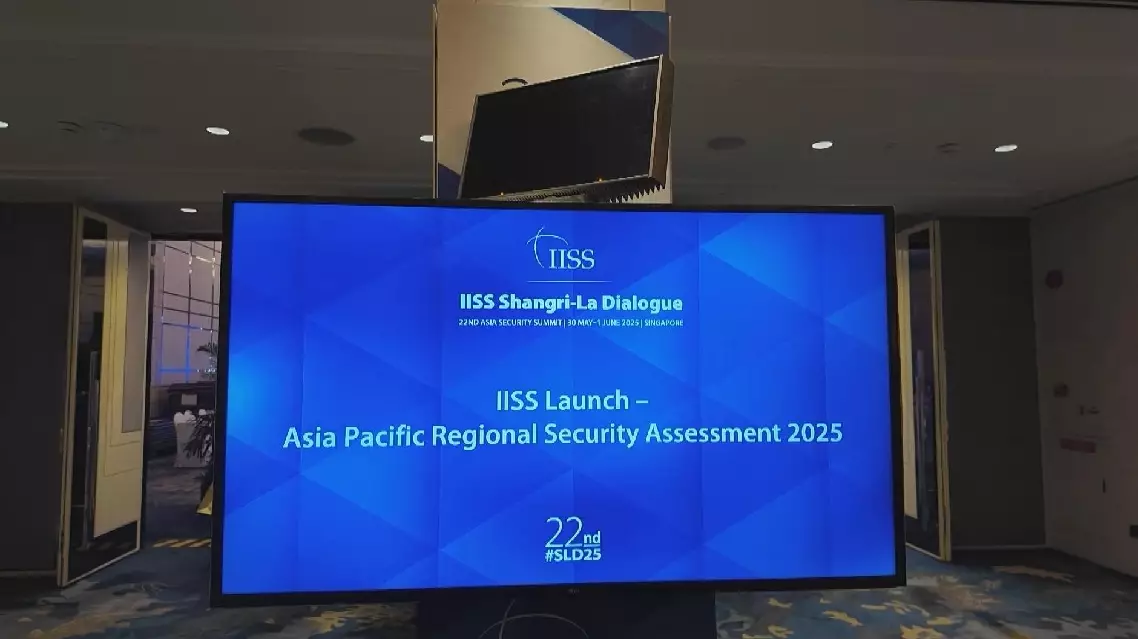
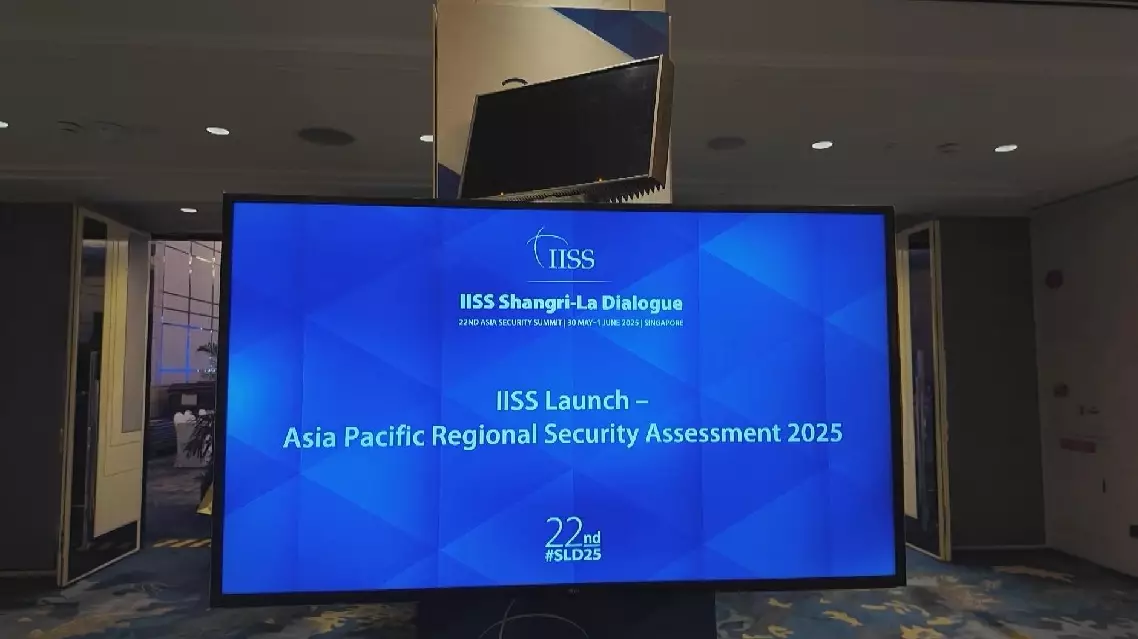
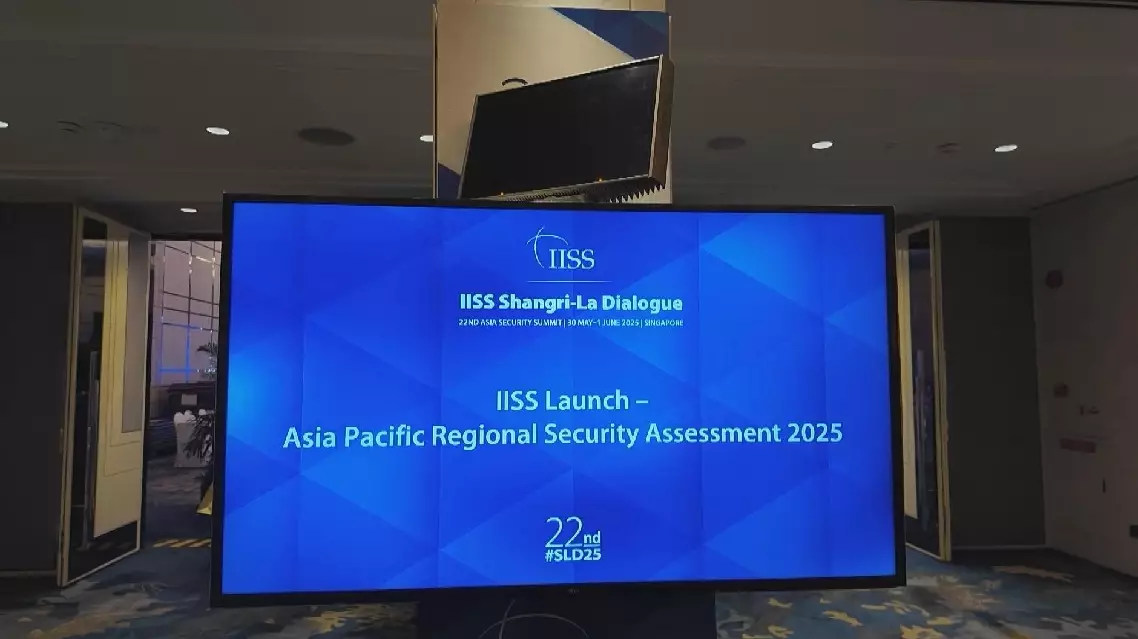
While attending the 22nd edition of the Shangri-La Dialogue in Singapore, Meng Xiangqing, a professor at the National Defense University of the Chinese People's Liberation Army, said in an interview with the China Central Television (CCTV) that the "Indo-Pacific Strategy" runs counter to the common aspiration of the member countries of the Association of Southeast Asian Nations (ASEAN) for cooperation and development.
Click to Gallery
US "Indo-Pacific Strategy" seeks to peddle bloc confrontation in Asia-Pacific: Chinese expert
US "Indo-Pacific Strategy" seeks to peddle bloc confrontation in Asia-Pacific: Chinese expert
US "Indo-Pacific Strategy" seeks to peddle bloc confrontation in Asia-Pacific: Chinese expert
US "Indo-Pacific Strategy" seeks to peddle bloc confrontation in Asia-Pacific: Chinese expert
At the annual Asia security summit, the United States once again peddled its "Indo-Pacific Strategy", which will lead nowhere except provoking incidents, creating crises, and disrupting the Asia-Pacific region, Meng said.
"We believe that the so-called 'Indo-Pacific Strategy' of the United States is a tool of hegemony in essence. In the military front, it provokes bloc confrontation. In the Asia-Pacific region, the United States has led in building a so-called 'quadrilateral mechanism' consisting of the United States, Japan, India and Australia. It has also created AUKUS, a so-called trilateral nuclear-powered submarine partnership among Australia, the United Kingdom and the United States, which excluded most countries in the region. In the political and diplomatic fronts, the United States forces other countries to take sides. In the technological front, the United States builds 'a small yard with high fences.' In the economic front, it has initiated a trade war and a tariff war aimed at decoupling. Meanwhile, the United States has practiced value-hijacking. In a word, the United States attempts to stoke bloc confrontation in the Asia-Pacific region," he said.
The Asia-Pacific region is a highland of global development, and peace and stability are hard-won, said Meng, adding that only the Chinese solution can bring development prospects to the region, which is also the common aspiration of neighboring countries in Asia, he said.
"China has reached consensus on building a community with a shared future for mankind with 17 neighboring countries, and signed Belt and Road cooperation agreements with 25 countries in the region. At the same time, it has built a cooperation network of two major clusters in the Indochina Peninsula and Central Asia. It should be said that China has contributed the wisdom of peaceful development in the Asia-Pacific region and put forward the Chinese solution. Peace, development and cooperation are the trend of history. We used to say that the trend of history is unstoppable. If you follow it, you will prosper, and if you go against it, you will perish. Therefore, peddling the so-called Indo-Pacific Strategy aimed at bloc confrontation finds little support here," Meng said.
Running from May 30 to June 1, this year's dialogue drew representatives from 47 countries, including 40 ministerial-level delegates, 20 chief of defense forces-level delegates, over 20 senior defense officials, and prominent academics, according to the Singapore Ministry of Defense.
US "Indo-Pacific Strategy" seeks to peddle bloc confrontation in Asia-Pacific: Chinese expert
US "Indo-Pacific Strategy" seeks to peddle bloc confrontation in Asia-Pacific: Chinese expert
US "Indo-Pacific Strategy" seeks to peddle bloc confrontation in Asia-Pacific: Chinese expert
US "Indo-Pacific Strategy" seeks to peddle bloc confrontation in Asia-Pacific: Chinese expert