
JINJA, Uganda (AP) — Simon Tigawalana dreamed for years of doing something about the dirt floors in his small house, blaming them for making his family sick. But in a rural area in one of the world's poorest countries, making them over with concrete was simply out of reach.
Then a company called EarthEnable approached him to offer an alternative: a clay-based earthen floor that could give him a durable, sealed floor for less than half the cost of concrete. Tigawalana now has the new floor in two rooms and hopes to add it soon in the last room.
Click to Gallery
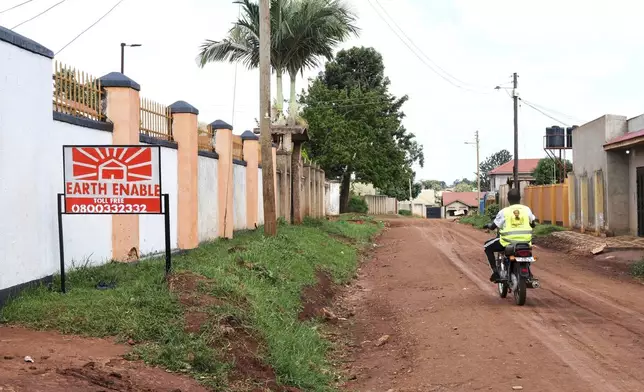
A person rides past a sign for EarthEnable on May 17, 2025, in Jinja, Uganda. (AP Photo/Hajarah Nalwadda)
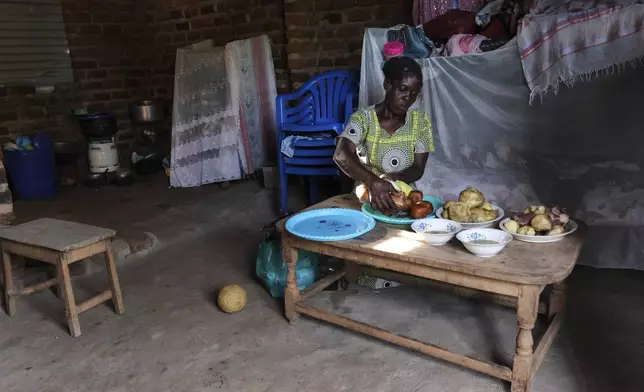
Rehema Namukose prepares a meal inside her home with clay-based earthen floors installed by EarthEnable on May 17, 2025, in Jinja, Uganda. (AP Photo/Hajarah Nalwadda)
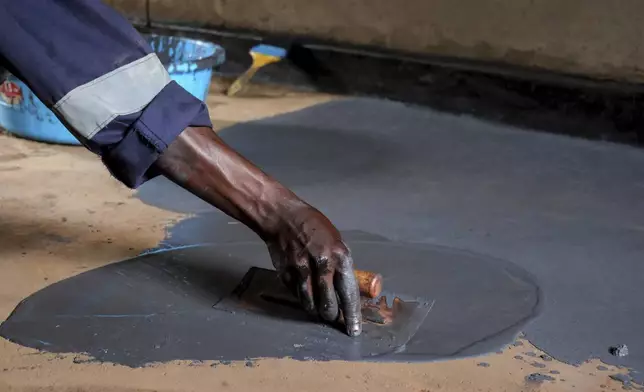
Alex Wanda, a construction officer at EarthEnable, installs paste on floors May 17, 2025, in Jinja, Uganda. (AP Photo/Hajarah Nalwadda)
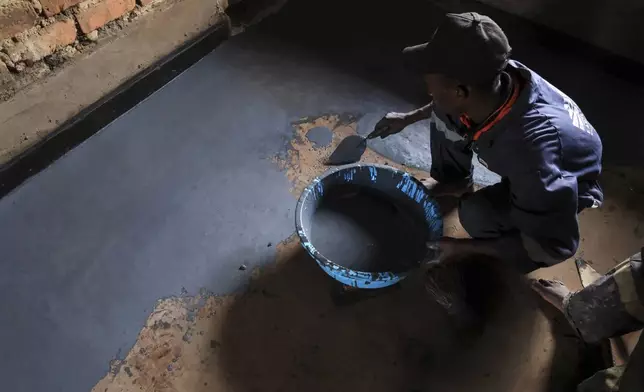
Alex Wanda, a construction officer at EarthEnable, installs paste on floors May 17, 2025, in Jinja, Uganda. (AP Photo/Hajarah Nalwadda)

Alfred Benja, left, operations officer, mixes floor paste as Noeline Mutesi, sales and marketing manager, looks on while in the workshop at EarthEnable, where they make a clay-based earthen floor on May 17, 2025, in Jinja, Uganda. (AP Photo/Hajarah Nalwadda)
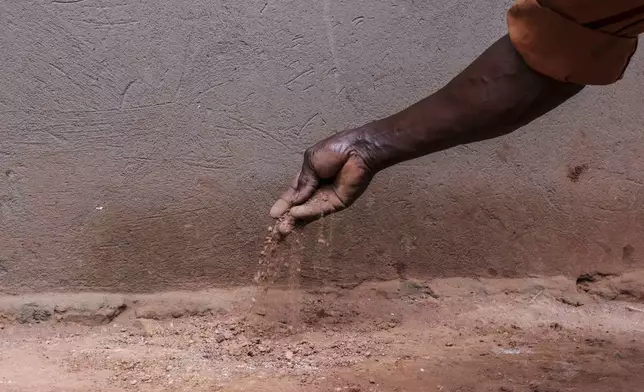
Simon Tigawalana shows dirt, that used to make up his home’s floor, before getting a clay-based earthen floor by a company called EarthEnable on May 16, 2025, in Jinja, Uganda. (AP Photo/Hajarah Nalwadda)
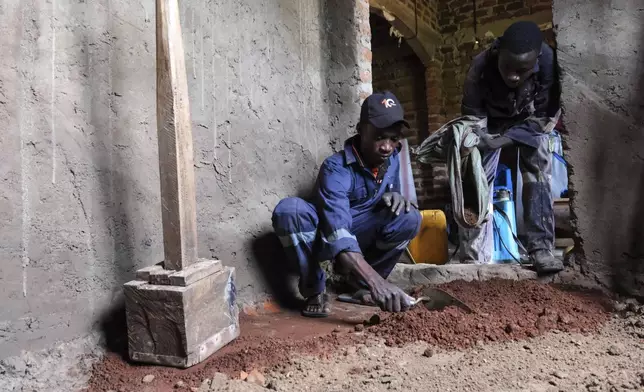
Alex Wanda, left, construction officer of EarthEnable, is helped by his colleague to prepare the ground for a clay-based earthen floor by EarthEnable on May 17, 2025, in Jinja, Uganda. (AP Photo/Hajarah Nalwadda)
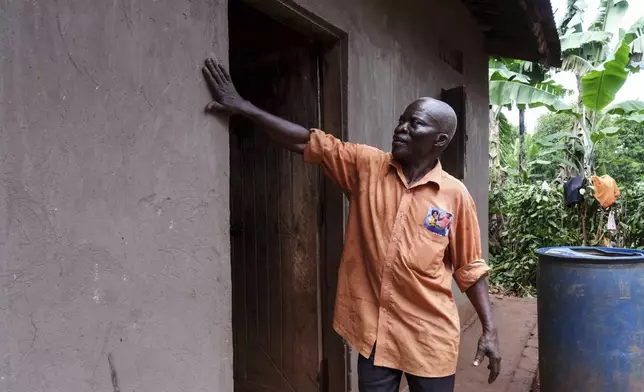
Simon Tigawalana shows some of EarthEnable's work on his home on May 16, 2025, in Jinja, Uganda. (AP Photo/Hajarah Nalwadda)

Simon Tigawalana walks into his house with some clay-based earthen floors by EarthEnable on May 16, 2025, in Jinja, Uganda. (AP Photo/Hajarah Nalwadda)
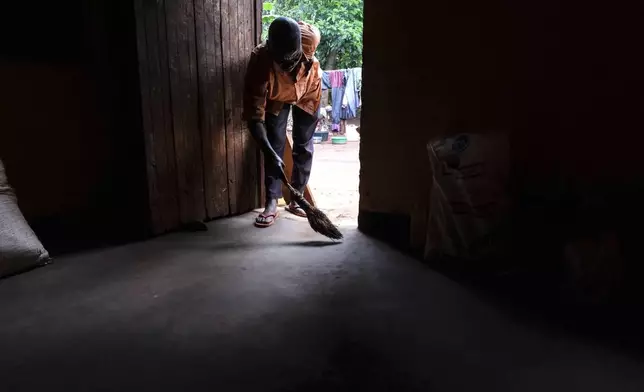
Simon Tigawalana sweeps his house with a clay-based earthen floor by EarthEnable on May 16, 2025, in Jinja, Uganda. (AP Photo/Hajarah Nalwadda)
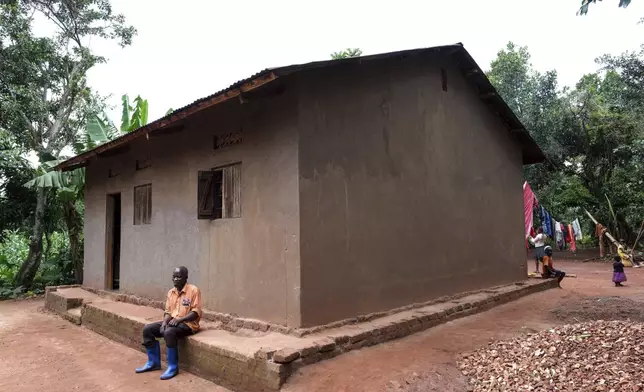
Simon Tigawalana rests in front of his house with clay-based earthen floors by EarthEnable on May 16, 2025, in Jinja, Uganda. (AP Photo/Hajarah Nalwadda)
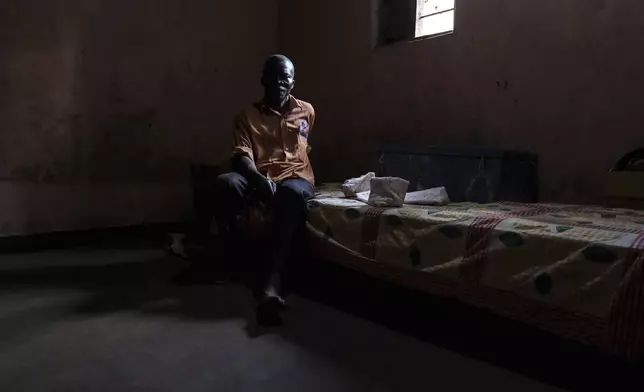
Simon Tigawalana sits on a bed as he rests his feet on a clay-based earthen floor made by EarthEnable at home on May 16, 2025, in Jinja, Uganda. (AP Photo/Hajarah Nalwadda)
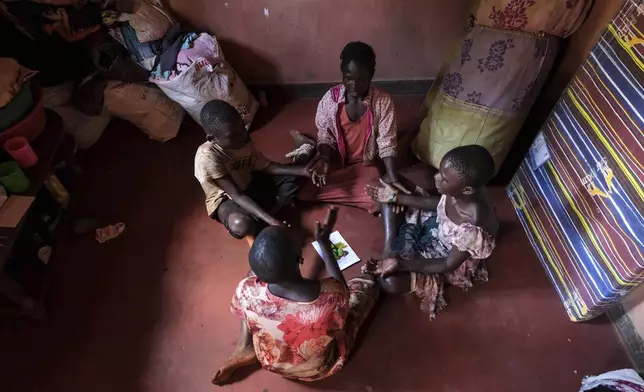
Children of Simon Tigawalana play while sitting on a clay-based earthen floor made by EarthEnable on May 16, 2025, in Jinja, Uganda. (AP Photo/Hajarah Nalwadda)
“I’m happy that we now have a decent home and can also comfortably host visitors," said Tigawalana, a 56-year-old father of 16. "Ever since we got a clay floor my kids no longer get cough and flu that used to come from the dust raised while sweeping the dirt floors.”
EarthEnable, which seeks to upgrade housing across Africa, has been promoting and installing the clay-based floors in Uganda since 2017. Besides eliminating dust that can irritate breathing, they're credited with reducing infestations of jiggers — a parasitic flea that can burrow into the skin and lead to pain, itching and infection. Uganda's health ministry says poor hygiene due to dirt floors contributes to such infestations.
“Our floors help to prevent pathogens and other illnesses linked to dust floors, since most of these families can’t afford hospital care,” said Noeline Mutesi, a sales and marketing manager for EarthEnable.
The first step in building the floor is digging and leveling the surface. Then murram — local red soil rich in iron and aluminum oxides — is mixed with sand and water and then compacted. After two weeks of drying time, masons use wooden floats to smooth and further compact the surface. Next is pasting: applying a fine clay screed to further smooth the surface and prepare it for a final sealant, a flaxseed-based varnish that hardens into a durable plastic-like resin.
A typical floor costs around 240,000 Uganda shillings (about $65), which Earth Enable says is about 70% cheaper than concrete. Buyers can pay in installments. EarthEnable, a U.S.-based nonprofit, operates for-profit subsidiaries in Uganda, Rwanda and Kenya, and says any profits are invested into startup costs in new markets as well as research and development.
EarthEnable said it's installed about 5,000 floors in Uganda, more than 39,000 in Rwanda and more than 100 in Kenya. The company also does wall plastering to help reduce dust, moisture and insect infestations common in mud homes.
In Jinja, the company's program employs more than 100 masons from within the community. Many are disadvantaged boys who have dropped out of school because they can't afford fees, said Alex Wanda, a construction officer at the company.
“We focus on employing these young village boys that we train in skills to build these earthen floors, thus creating for them employment opportunities,” Wanda said in an interview.
About 42% of Ugandans live in extreme poverty. Its Bureau of Statistics says the country has a housing deficit of 2.6 million units, and it's growing. The country needs to add 300,000 housing units per year to make up the deficit, mainly in rural areas, where many Ugandans live and where housing quality and availability remain pressing concerns.
The company also touts the clay floors as a more sustainable alternative to concrete, which besides being more expensive generates major carbon emissions in production.
The cement industry is one of Uganda's biggest contributors to carbon emissions, accounting for about 628,000 metric tons of carbon dioxide in 2023, its highest recorded level. More broadly, building and construction accounts for 37% of global emissions, according to the United Nations Environment Programme.
Uganda, like much of the rest of the world, has seen a rise in extreme weather events made more likely by climate change, including flooding and prolonged drought.
“Initiatives like this are crucial in the global effort to decarbonize the construction sector,” said Penina Atwine, a program officer at the Uganda-based organization Environmental Alert. “Such innovative local solutions that address both climate change and social needs like EarthEnable’s model could inspire similar approaches across the globe."
In the village of Budima, Rehema Namukose spent most of her family's savings to build a house. She couldn't afford a cleaner floor until she worked through EarthEnable to pay for a clay floor in installments. She lives there with her three children and credits the new floor for improving the health of a sickly daughter.
“This is affordable for my family and will help us maintain hygiene,” she says “We are now living a better life.”
The Associated Press’ climate and environmental coverage receives financial support from multiple private foundations. AP is solely responsible for all content. Find AP’s standards for working with philanthropies, a list of supporters and funded coverage areas at AP.org.
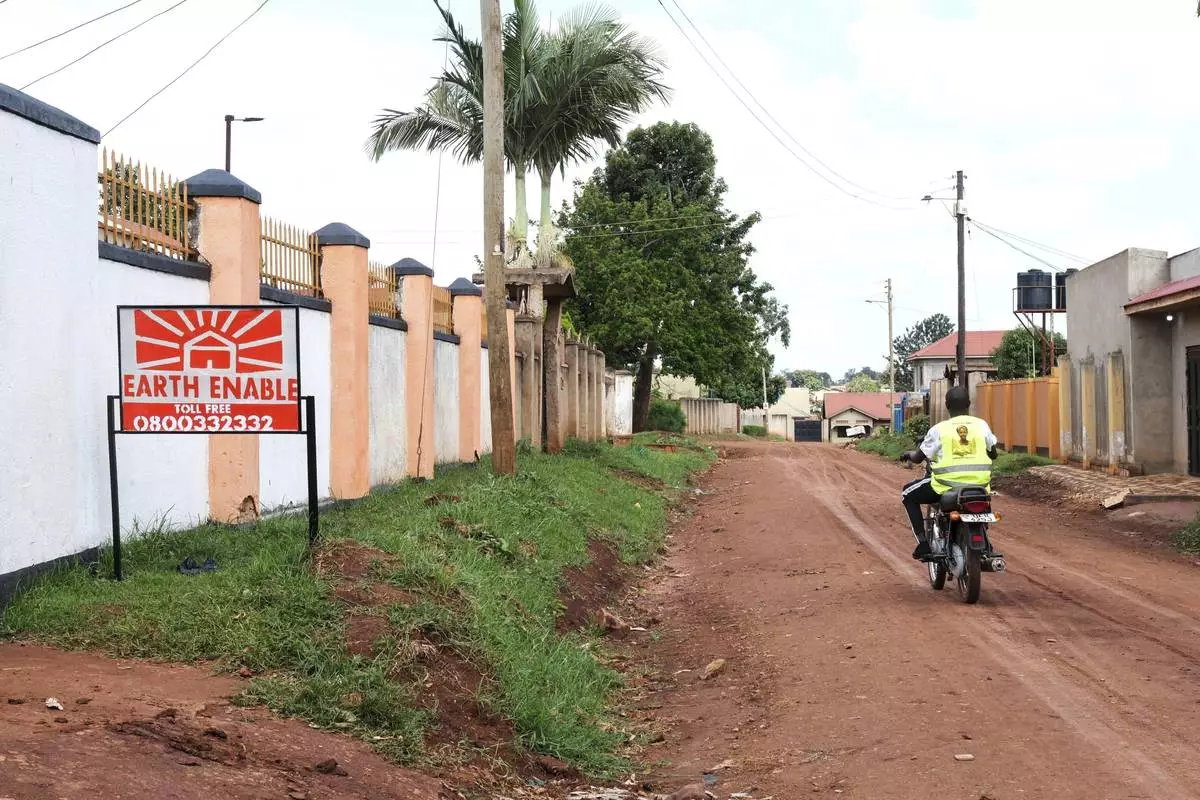
A person rides past a sign for EarthEnable on May 17, 2025, in Jinja, Uganda. (AP Photo/Hajarah Nalwadda)
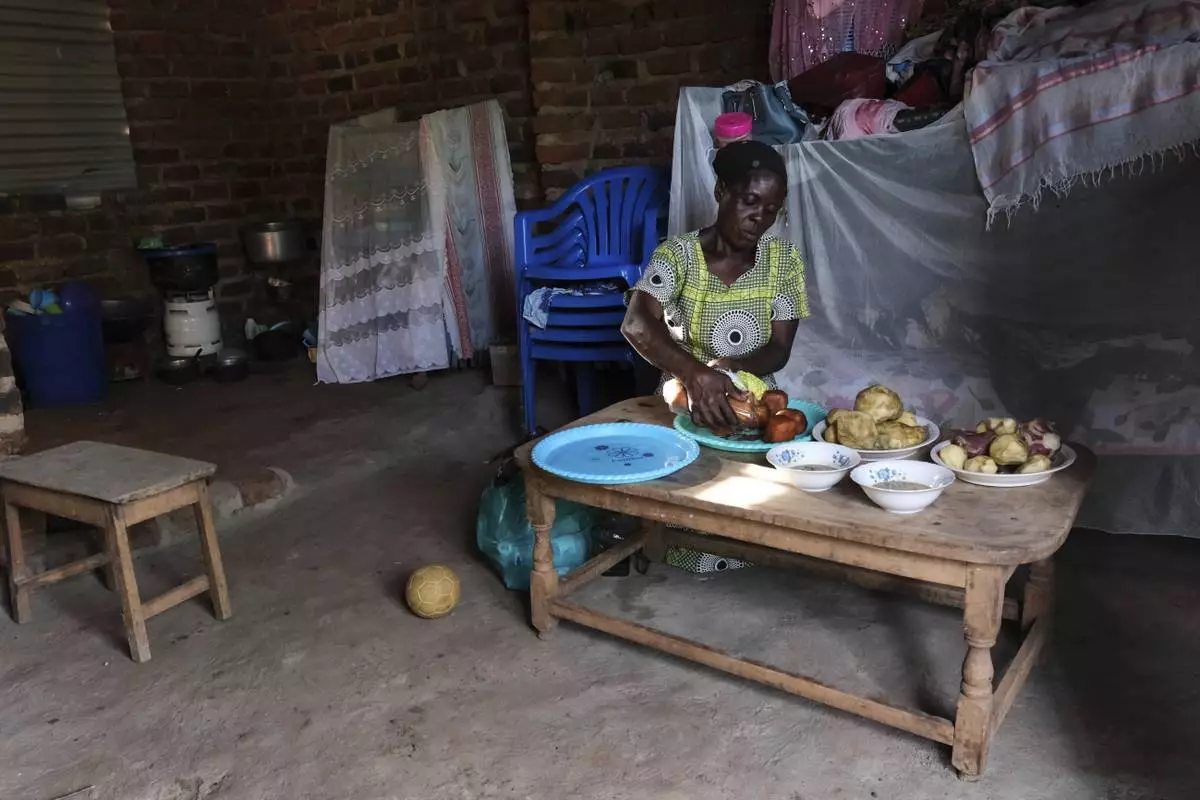
Rehema Namukose prepares a meal inside her home with clay-based earthen floors installed by EarthEnable on May 17, 2025, in Jinja, Uganda. (AP Photo/Hajarah Nalwadda)
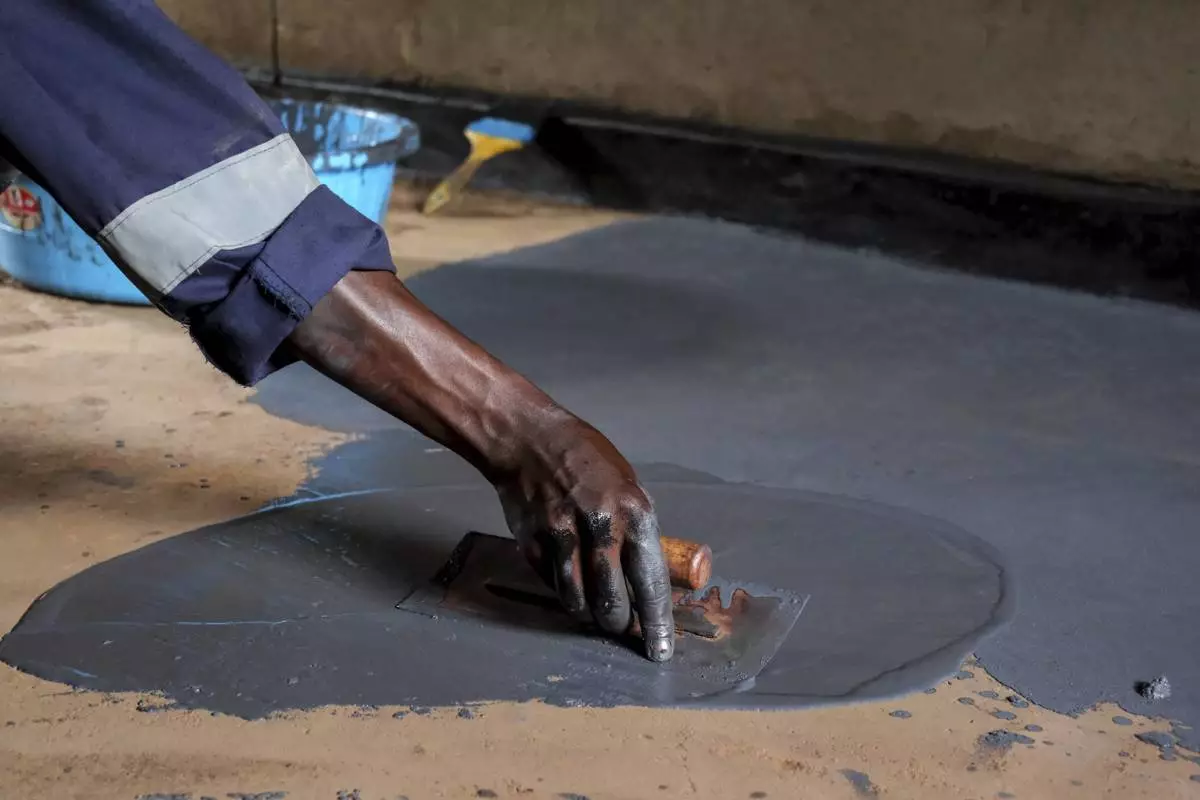
Alex Wanda, a construction officer at EarthEnable, installs paste on floors May 17, 2025, in Jinja, Uganda. (AP Photo/Hajarah Nalwadda)
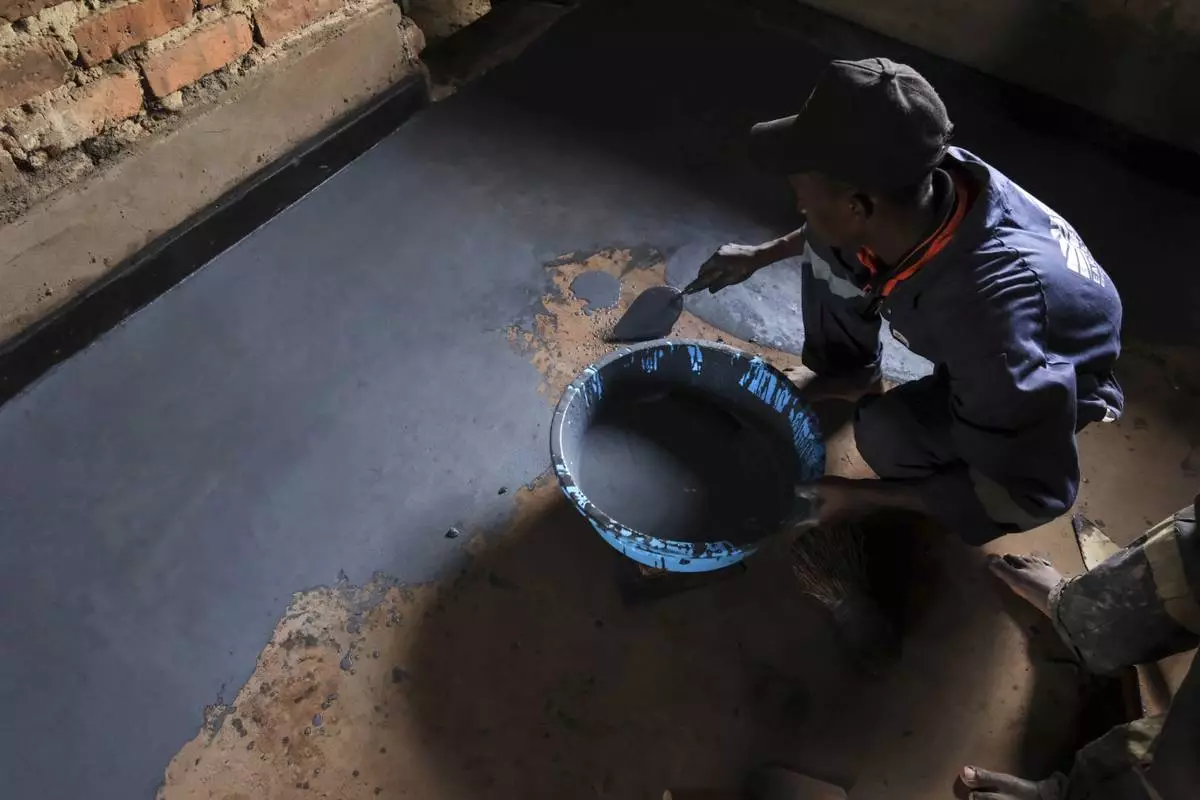
Alex Wanda, a construction officer at EarthEnable, installs paste on floors May 17, 2025, in Jinja, Uganda. (AP Photo/Hajarah Nalwadda)

Alfred Benja, left, operations officer, mixes floor paste as Noeline Mutesi, sales and marketing manager, looks on while in the workshop at EarthEnable, where they make a clay-based earthen floor on May 17, 2025, in Jinja, Uganda. (AP Photo/Hajarah Nalwadda)
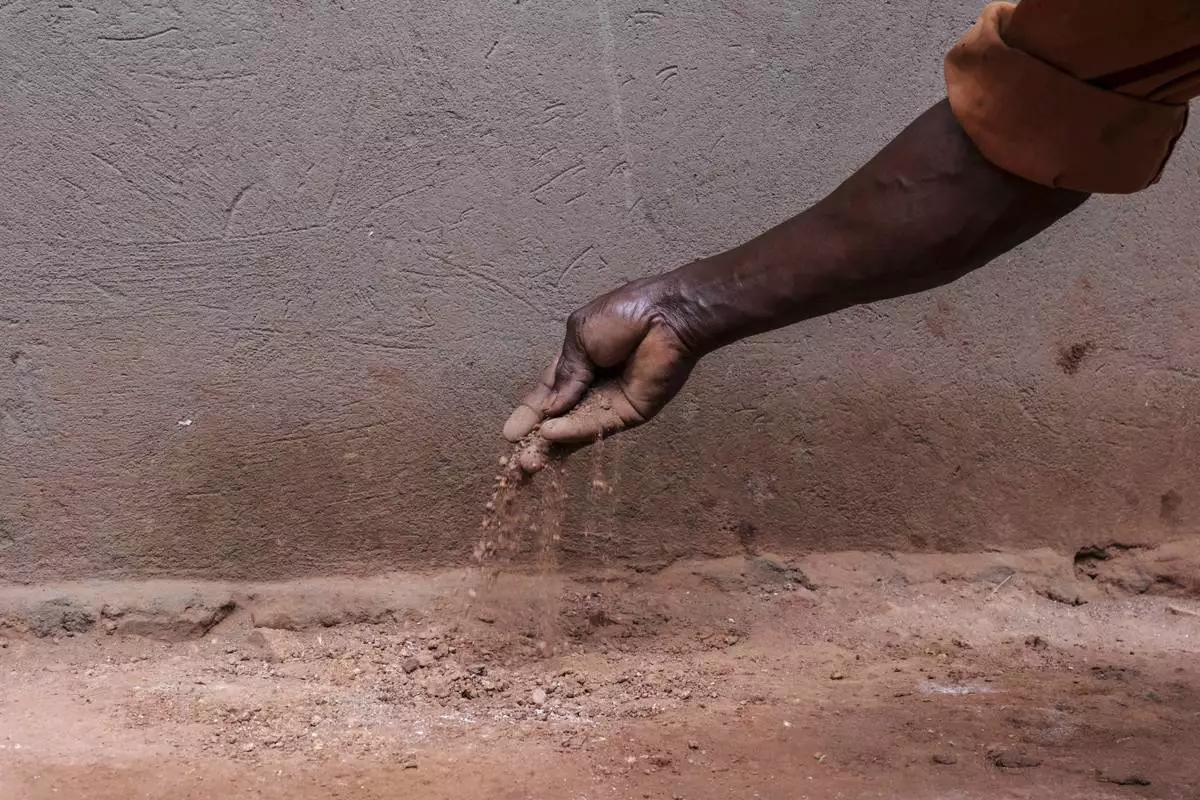
Simon Tigawalana shows dirt, that used to make up his home’s floor, before getting a clay-based earthen floor by a company called EarthEnable on May 16, 2025, in Jinja, Uganda. (AP Photo/Hajarah Nalwadda)
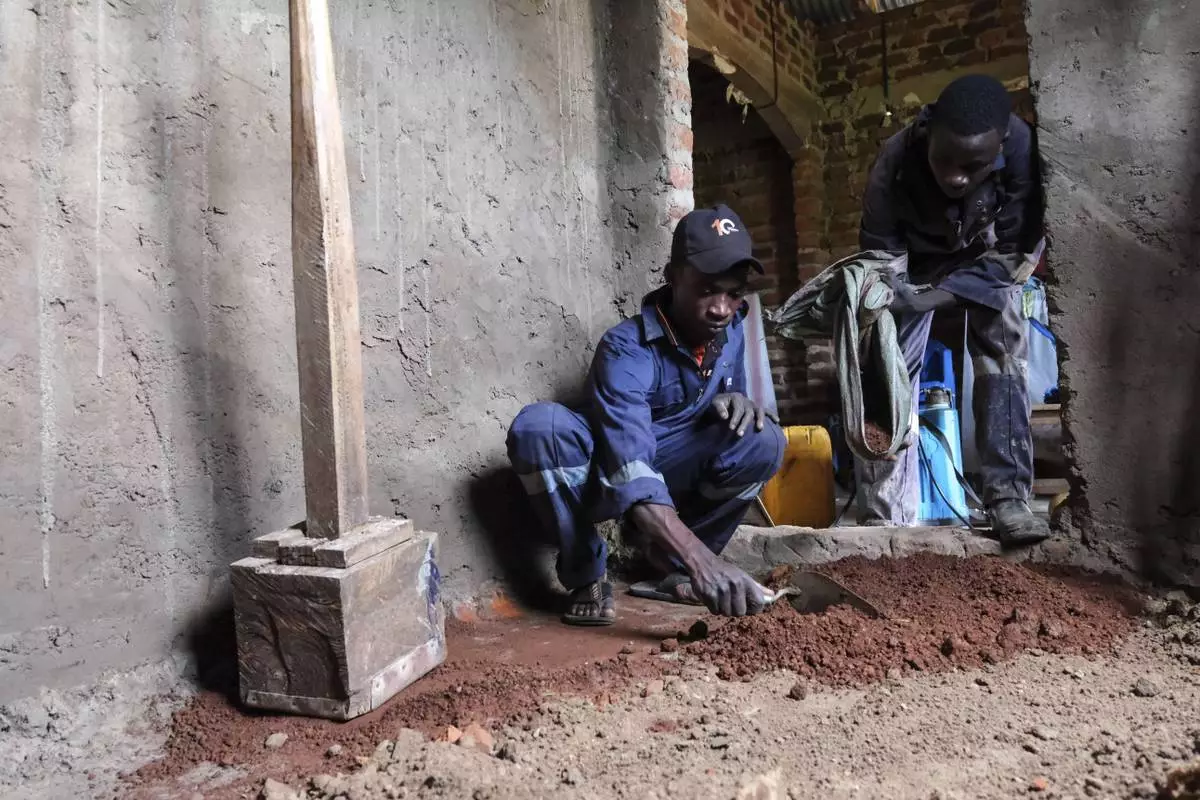
Alex Wanda, left, construction officer of EarthEnable, is helped by his colleague to prepare the ground for a clay-based earthen floor by EarthEnable on May 17, 2025, in Jinja, Uganda. (AP Photo/Hajarah Nalwadda)
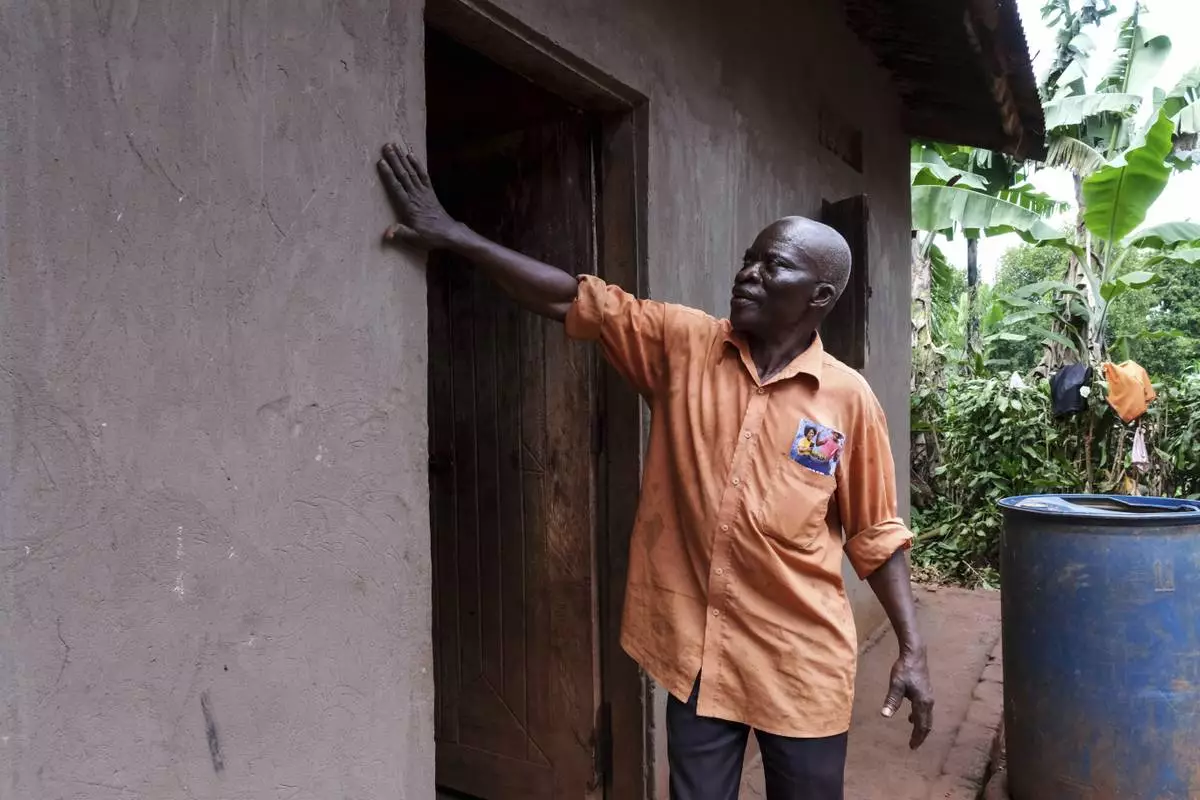
Simon Tigawalana shows some of EarthEnable's work on his home on May 16, 2025, in Jinja, Uganda. (AP Photo/Hajarah Nalwadda)
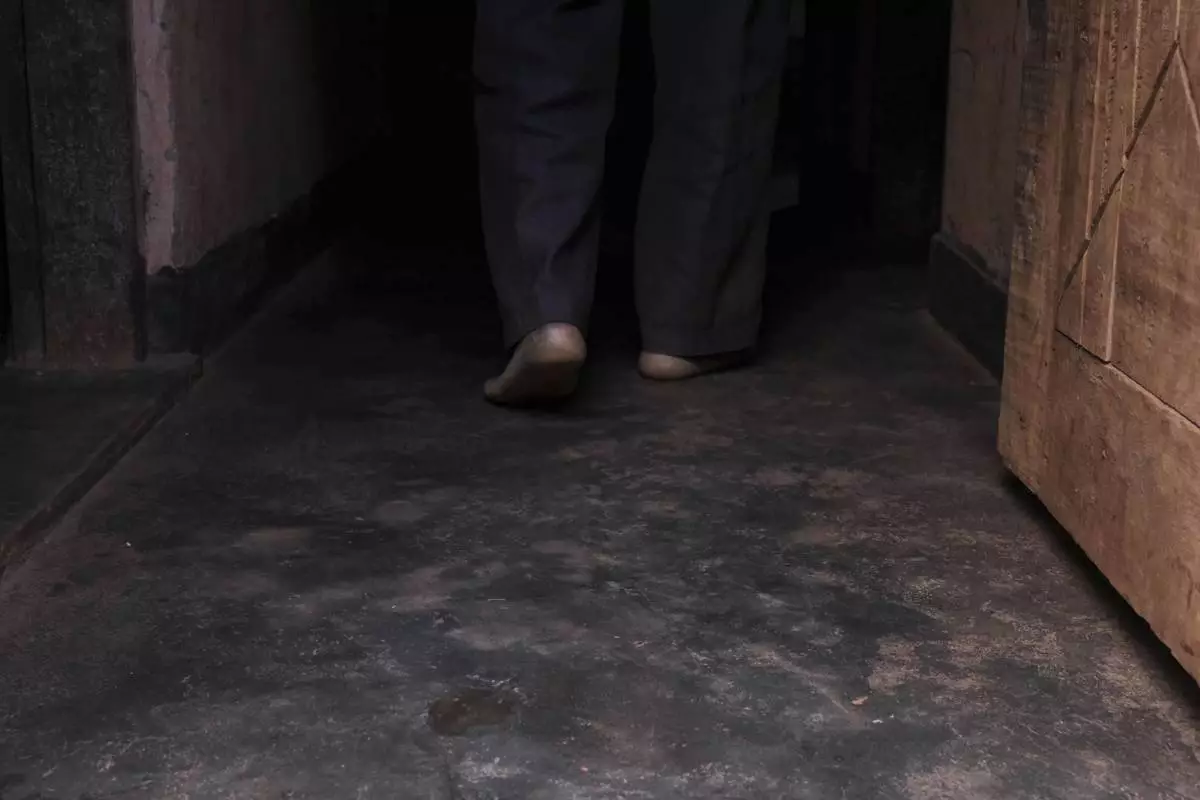
Simon Tigawalana walks into his house with some clay-based earthen floors by EarthEnable on May 16, 2025, in Jinja, Uganda. (AP Photo/Hajarah Nalwadda)
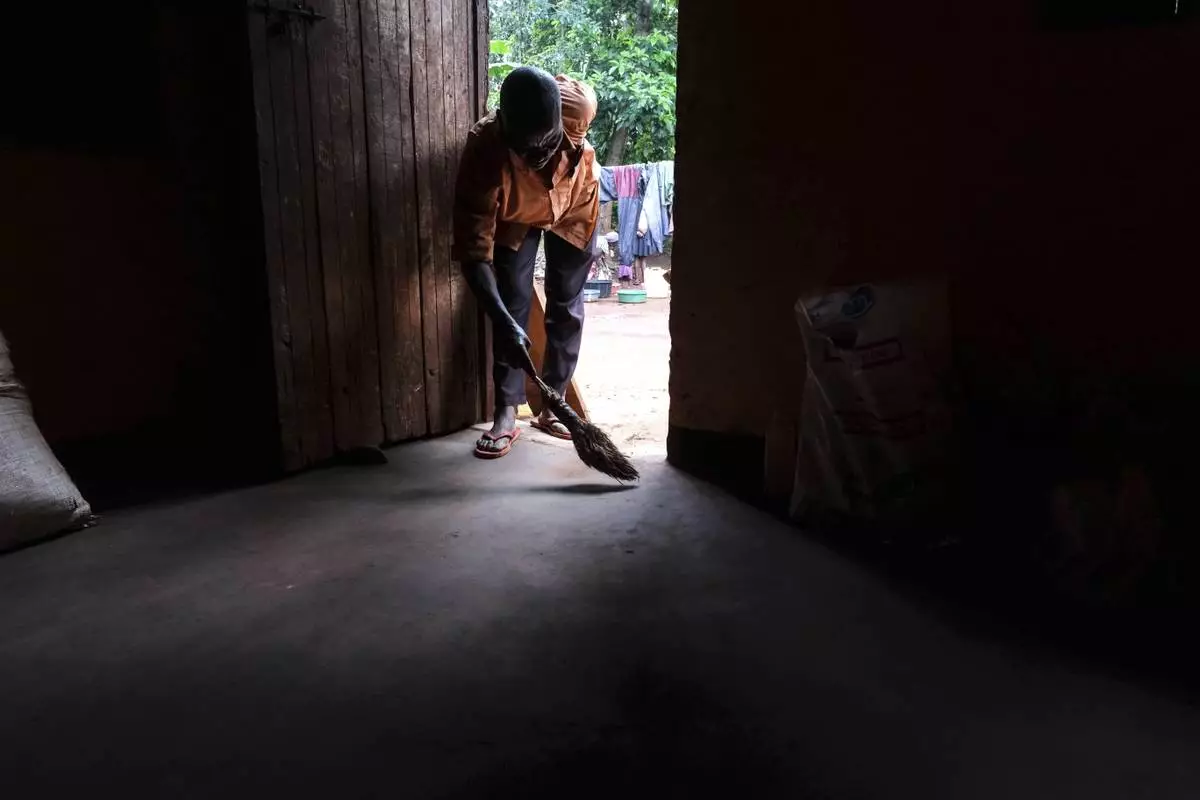
Simon Tigawalana sweeps his house with a clay-based earthen floor by EarthEnable on May 16, 2025, in Jinja, Uganda. (AP Photo/Hajarah Nalwadda)
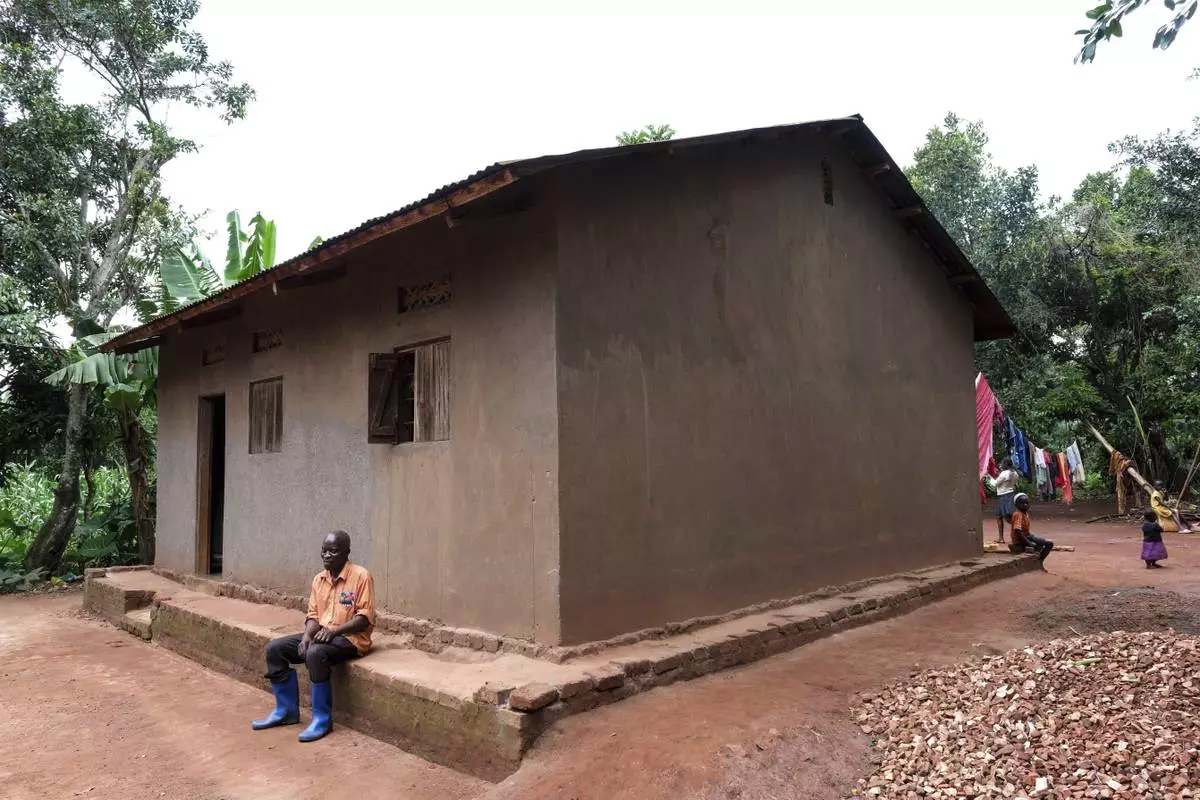
Simon Tigawalana rests in front of his house with clay-based earthen floors by EarthEnable on May 16, 2025, in Jinja, Uganda. (AP Photo/Hajarah Nalwadda)
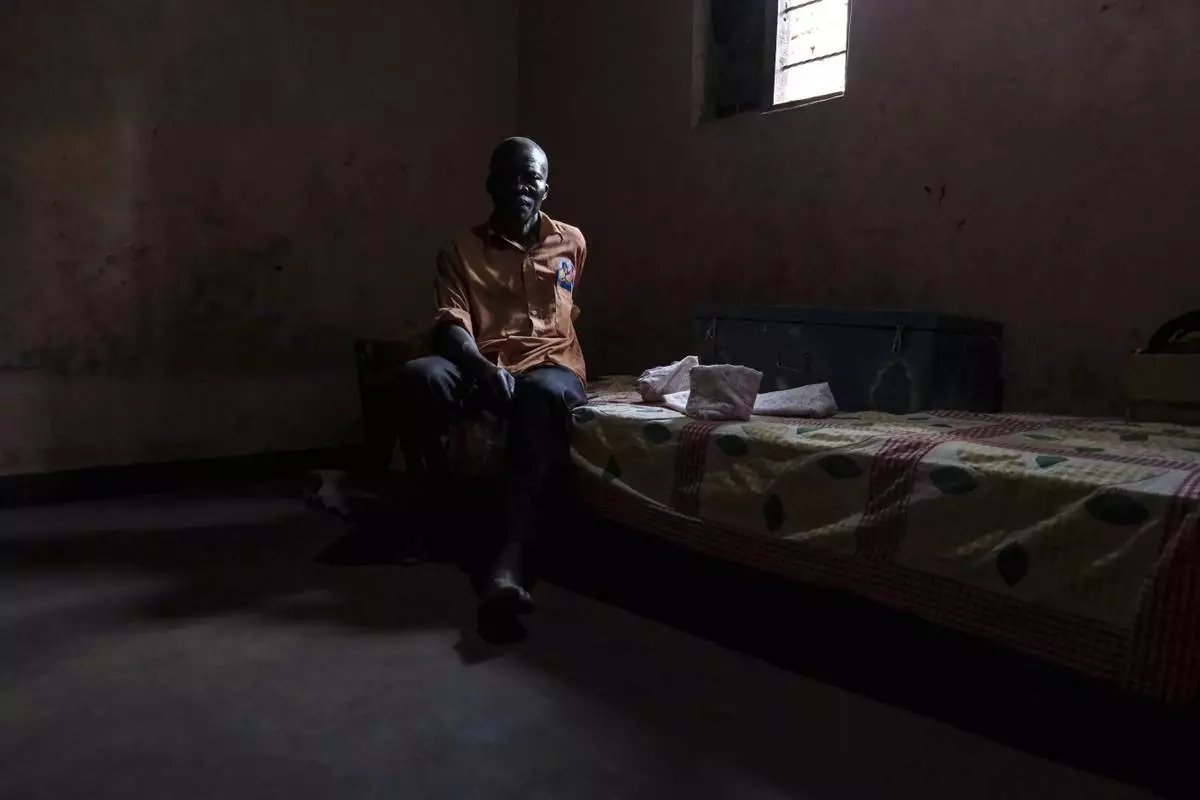
Simon Tigawalana sits on a bed as he rests his feet on a clay-based earthen floor made by EarthEnable at home on May 16, 2025, in Jinja, Uganda. (AP Photo/Hajarah Nalwadda)

Children of Simon Tigawalana play while sitting on a clay-based earthen floor made by EarthEnable on May 16, 2025, in Jinja, Uganda. (AP Photo/Hajarah Nalwadda)