Russia took weeks to present Ukraine with a “memorandum” setting out its conditions for a ceasefire, as well as key guidelines for a comprehensive treaty to end the more than 3-year-old war. To practically no one’s surprise, it’s a list of the Kremlin’s longstanding, maximalist demands that Kyiv and its Western allies see as nonstarters.
Ukraine had set its negotiating stance before Monday’s direct peace talks in Istanbul, emphasizing its readiness to declare a 30-day ceasefire immediately without preconditions that was proposed by U.S. President Donald Trump. Kyiv reaffirmed its refusal to abandon a bid for NATO membership and rejected acknowledgment of Russia's annexation of any of its regions.
Click to Gallery

FILE - Ukrainian Defense Minister Rustem Umerov speaks to the media at the Ciragan Palace following the Ukraine-Russia peace talks in Istanbul, Turkey, Monday, June 2, 2025. (AP Photo/Emrah Gurel, File)
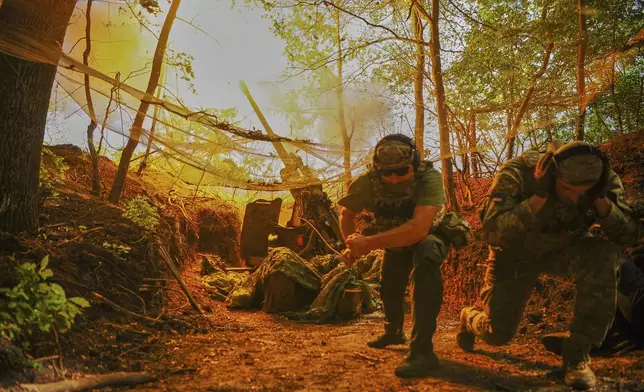
FILE - In this photo provided by Ukraine's 127th Separate Brigade of the Territorial Defense press service, soldiers fire toward Russian army positions near Kharkiv, Ukraine, on Monday, June 2, 2025. (Anatolii Lysianskyi/Ukraine's 127th Separate Brigade via AP, File)

FILE - Vladimir Medinsky, center, head of the Russian delegation, speaks to the media at the Ciragan Palace following the Ukraine-Russia peace talks in Istanbul, Turkey, on Monday, June 2, 2025. (AP Photo/Emrah Gurel, File)
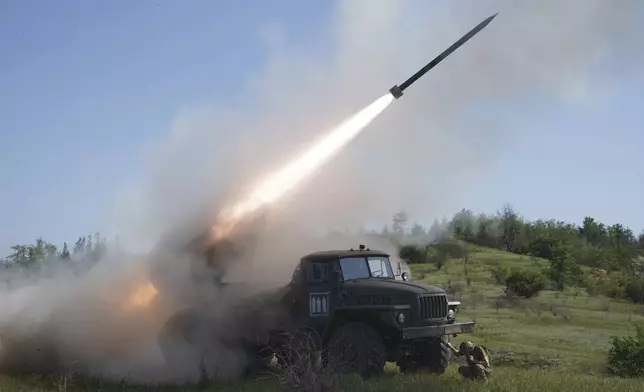
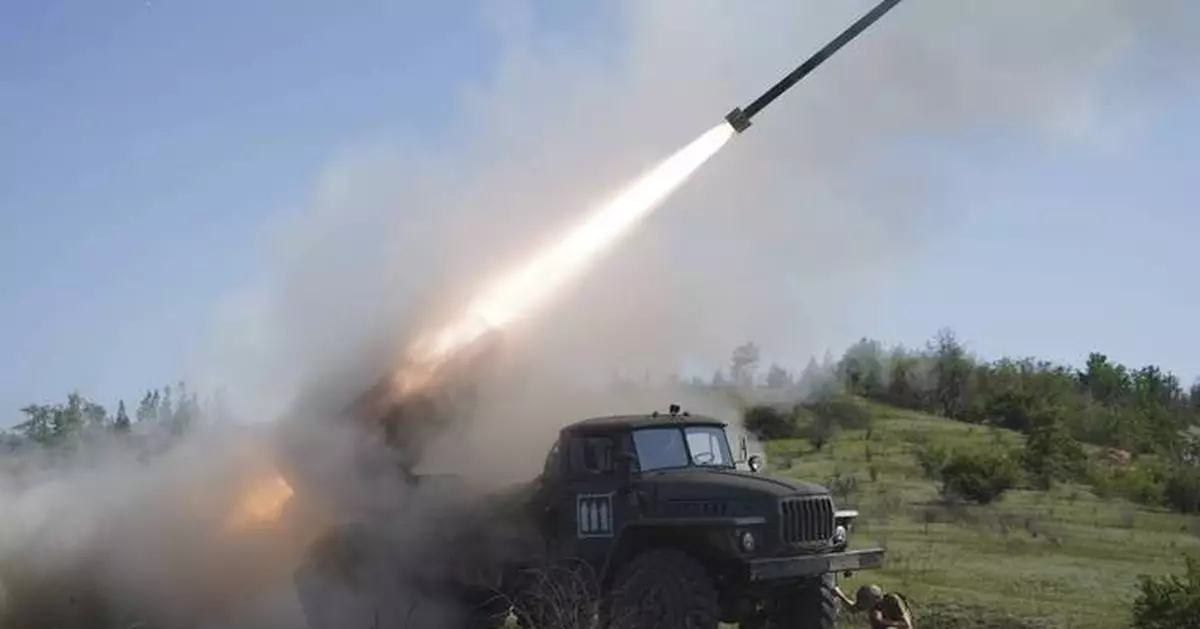
FILE - Soldiers of Ukraine's 30th Separate Mechanized Brigade fire a rocket toward Russian positions at the front line in the Donetsk region of Ukraine on Tuesday, June 3, 2025. (AP Photo/Andrii Marienko, File)
Both sides have established mutually exclusive red lines that make any quick deal unlikely.
Moscow's demands, published in the Russian media, make it clear that President Vladimir Putin is determined to ensure the fulfillment of the goals in Ukraine he set when he launched the invasion on Feb. 24, 2022.
Key points of the Russian and Ukrainian documents:
Russia offered Ukraine a choice of two options for establishing a 30-day ceasefire.
One option is that Ukraine must withdraw its forces from Donetsk, Luhansk, Zaporizhzhia and Kherson — the four regions Moscow illegally annexed in September 2022 but never fully captured.
The second option, described by Moscow as the “package” proposal, presses Ukraine to halt its mobilization efforts and freeze Western arms deliveries — conditions that were suggested earlier by Putin.
On top of that, the document also demands that Ukraine begin demobilizing its military, halt any redeployment of forces and ban the presence of any third-country forces on its soil.
The “package” option further proposes that Ukraine end martial law and hold elections, after which the two countries could sign a comprehensive peace treaty.
The Russian document declares that conditions for peace must include the “international legal recognition” of Moscow’s 2014 annexation of Ukraine’s Crimean Peninsula and its 2022 annexation of the Donetsk, Luhansk, Kherson and Zaporizhzhia regions.
It says a future peace treaty should have Ukraine declare its neutral status between Russia and the West, and abandon its bid to join NATO. The document demands that Ukraine limit the size of its armed forces, recognize Russian as an official language on par with Ukrainian, ban “glorification and propaganda of Nazism and neo-Nazism” and dissolve nationalist groups -– conditions reflecting Putin’s goals from the outset of his invasion.
The false allegations that neo-Nazi groups were shaping Ukraine’s politics under President Volodymyr Zelenskyy, who is Jewish, have been vehemently dismissed by Kyiv and its Western allies.
In Russia’s view, a comprehensive peace treaty should also see both countries lift all sanctions and restrictions, abandon any claims to compensation for wartime damage, resume trade and communications, and reestablish diplomatic ties. It also suggests that the peace treaty between Russian and Ukraine be endorsed by a resolution of the U.N. Security Council.
The memorandum that Ukraine submitted to Moscow before the talks and shared with its allies emphasized the need for a full and unconditional 30-day ceasefire to set stage for peace negotiations.
It reaffirmed Ukraine's consistent rejection of Russian demands for neutral status as an attack on its sovereignty, declaring it is free to choose its alliances and adding that its NATO membership will depend on consensus with the alliance.
It emphasized Kyiv's rejection of any restrictions on the size and other parameters of its armed forces, as well as curbs on the presence of foreign troops on its soil.
Ukraine's memorandum also opposed recognizing any Russian territorial gains, while describing the current line of contact as a starting point in negotiations.
The document noted the need for international security guarantees to ensure the implementation of peace agreements and prevent further aggression.
The Ukrainian peace proposal also demanded the return of all deported and illegally displaced Ukrainian children and an “all-for-all” prisoner exchange.
It held the door open to gradual lifting of some of the sanctions against Russia if it abides by the agreement.
The sharply conflicting demands leave little hope for any quick progress in talks.
By maintaining its maximalist demands, Moscow is seemingly unfazed by repeated threats of sanctions by the West or other pressure to make real concessions.
Some observers see the Russian memorandum as a way by Moscow to formalize its negotiation position.
“Even an unsigned document gives the Kremlin a firmer diplomatic foothold,” said Moscow-based defense analyst Sergei Poletaev.
Tatiana Stanovaya of the Carnegie Russia Eurasia Center noted that the document reflects Putin’s key goal of securing a “friendly” Ukraine without a full-fledged military or ties of any kind with its Western allies.
She noted the Russian document offers Ukraine a choice between the two options because Moscow knows that a Ukrainian withdrawal from the four regions "is not viable and seeks to push Kyiv toward the second as the primary course.” At the same time, Moscow’s memorandum appears to indicate that “Russia is open to considering leaving parts of the annexed regions that it does not control to Ukraine.”
Stanovaya said Moscow’s maximalist demands mean that “the fighting is set to continue, even if bilateral interactions persist.”
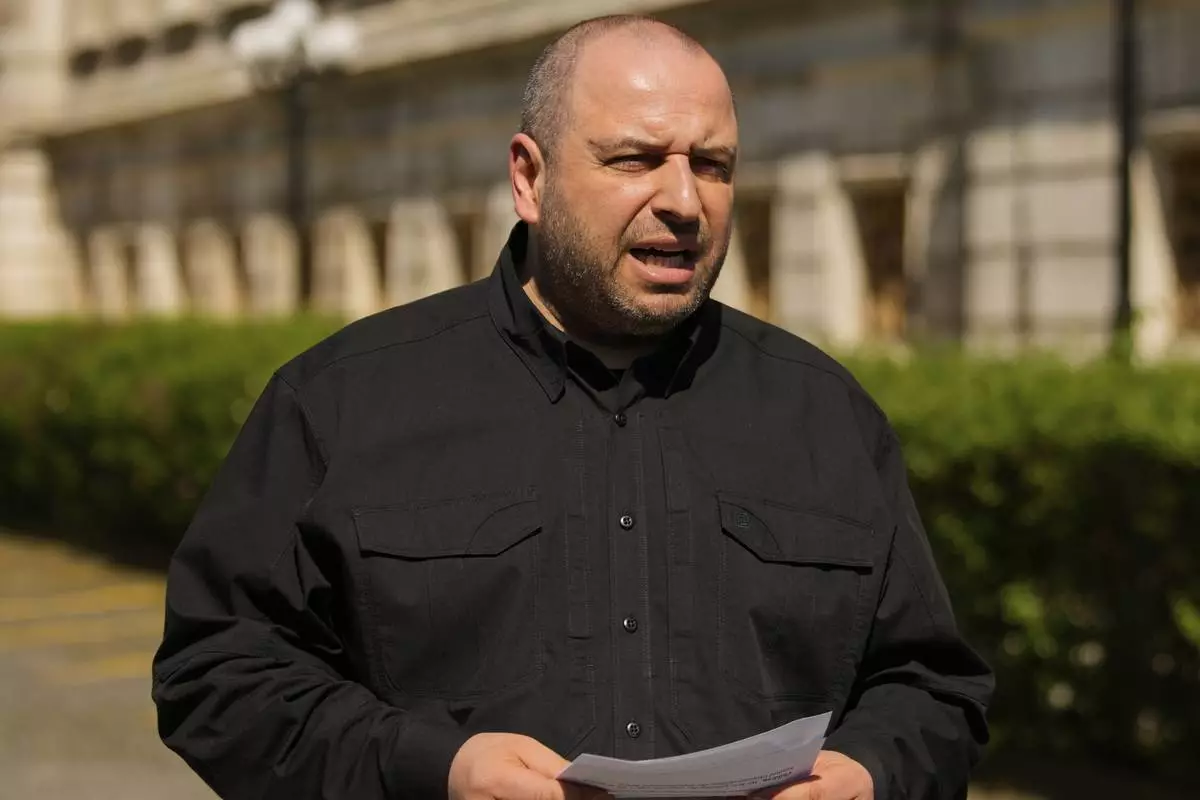
FILE - Ukrainian Defense Minister Rustem Umerov speaks to the media at the Ciragan Palace following the Ukraine-Russia peace talks in Istanbul, Turkey, Monday, June 2, 2025. (AP Photo/Emrah Gurel, File)
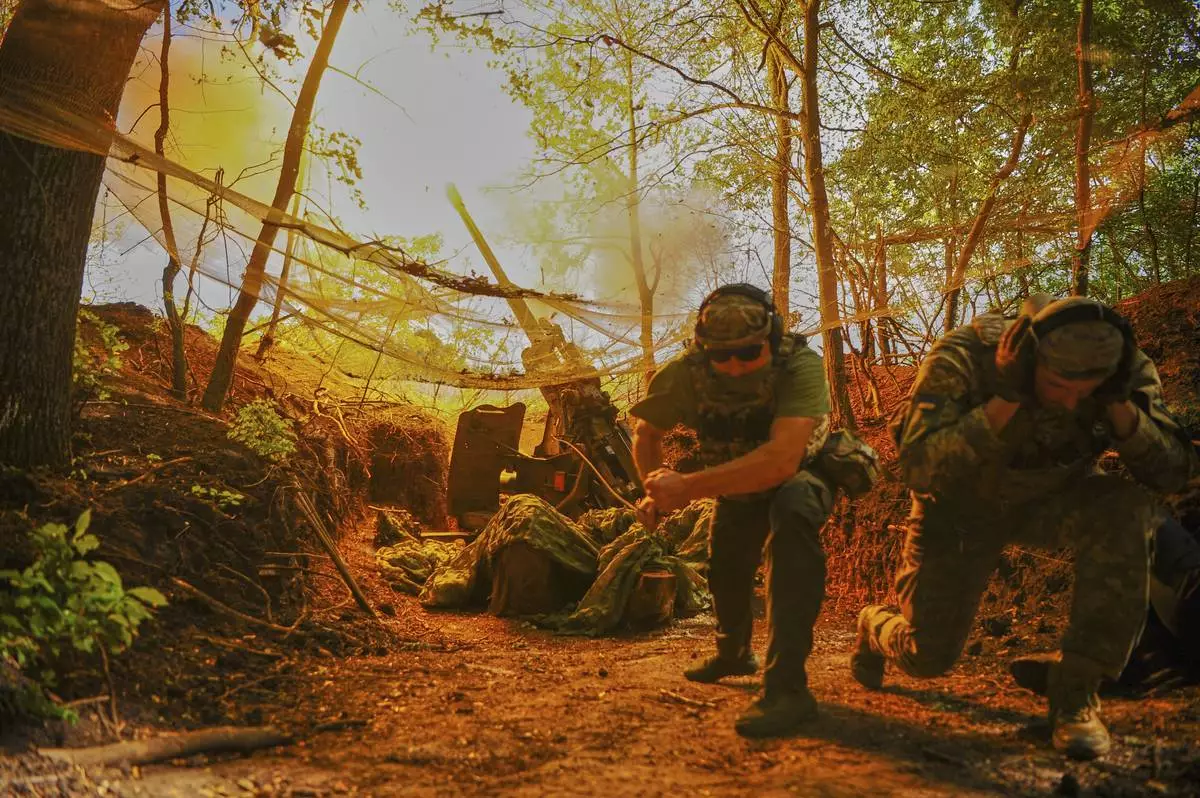
FILE - In this photo provided by Ukraine's 127th Separate Brigade of the Territorial Defense press service, soldiers fire toward Russian army positions near Kharkiv, Ukraine, on Monday, June 2, 2025. (Anatolii Lysianskyi/Ukraine's 127th Separate Brigade via AP, File)
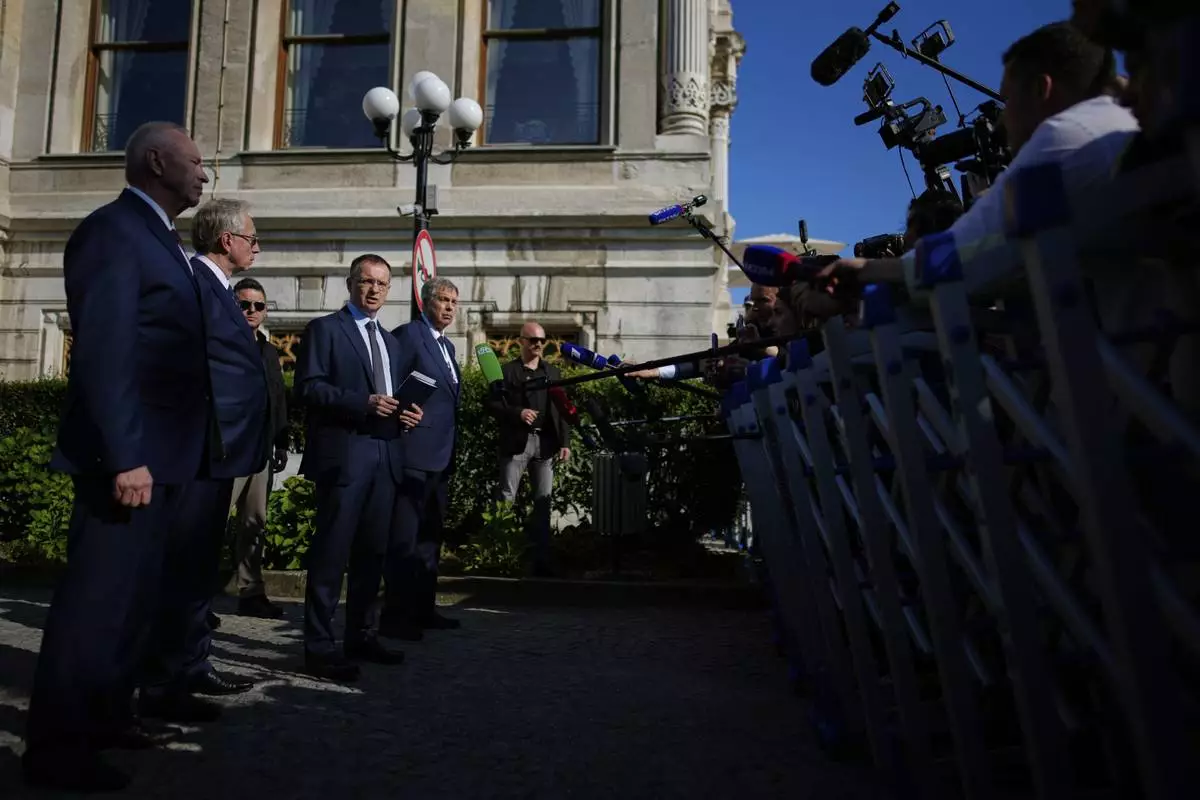
FILE - Vladimir Medinsky, center, head of the Russian delegation, speaks to the media at the Ciragan Palace following the Ukraine-Russia peace talks in Istanbul, Turkey, on Monday, June 2, 2025. (AP Photo/Emrah Gurel, File)
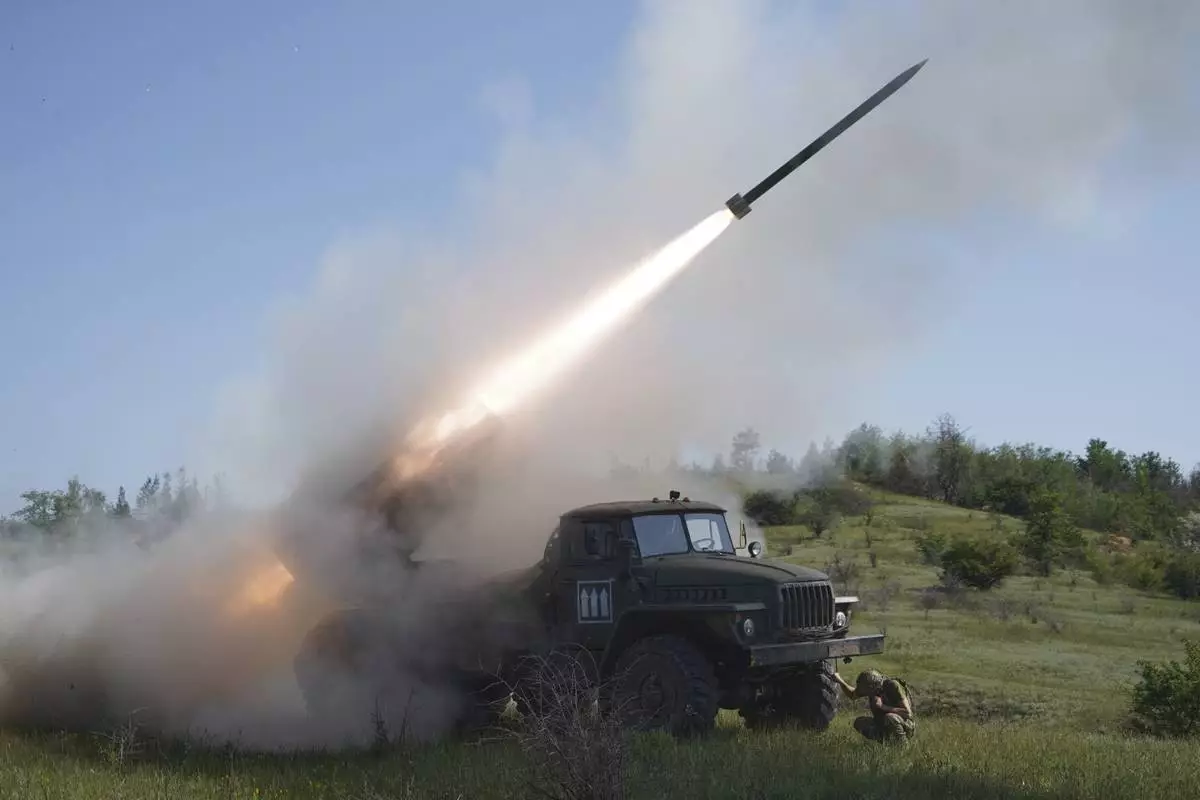
FILE - Soldiers of Ukraine's 30th Separate Mechanized Brigade fire a rocket toward Russian positions at the front line in the Donetsk region of Ukraine on Tuesday, June 3, 2025. (AP Photo/Andrii Marienko, File)