NEW YORK (AP) — Edmund White, the groundbreaking man of letters who documented and imagined the gay revolution through journalism, essays, plays and such novels as “A Boy’s Own Story” and “The Beautiful Room is Empty,” has died. He was 85.
White’s death was confirmed Wednesday by his agent, Bill Clegg.
Along with Larry Kramer, Armistead Maupin and others, White was among a generation of gay writers who in the 1970s became bards for a community no longer afraid to declare its existence. He was present at the Stonewall raids of 1969, when arrests at a club in Greenwich Village led to the birth of the modern gay movement and for decades was a participant and observer through the tragedy of AIDS, the advance of gay rights and culture and the recent backlash.
A resident of New York and Paris for much of his adult life, he was a novelist, journalist, biographer, playwright, activist, teacher and memoirist. “A Boy’s Own Story” was a bestseller and classic coming-of-age novel that demonstrated gay literature’s commercial appeal. He wrote a prizewinning biography of playwright Jean Genet, books on Marcel Proust and Arthur Rimbaud. He was a professor of creative writing at Princeton University, where colleagues included Toni Morrison and his close friend, Joyce Carol Oates.
“Among gay writers of his generation, Edmund White has emerged as the most versatile man of letters,” cultural critic Morris Dickstein wrote in The New York Times in 1995. “A cosmopolitan writer with a deep sense of tradition, he has bridged the gap between gay subcultures and a broader literary audience.”
White was born in Cincinnati in 1940, but age at 7 moved with his mother to the Chicago area after his parents divorced. His father was a civil engineer “who reigned in silence over dinner as he studied his paper.” His mother was a psychologist “given to rages or fits of weeping.” Trapped in “the closed, sniveling, resentful world of childhood,” at times suicidal, White was at the same time a “fierce little autodidact” who sought escape through the stories of others, whether Thomas Mann’s “Death in Venice” or a biography of dancer Vaslav Nijinsky.
“As a young teenager I looked desperately for things to read that might excite me or assure me I wasn’t the only one, that might confirm my identity I was unhappily piecing together,” he wrote in the 1991 essay “Out of the Closet, On to the Bookshelf.”
As he wrote in “A Boy’s Own Story,” he knew as a child that he was attracted to boys, but for years was convinced he must change — out of a desire to please his father (whom he otherwise despised) and a wish to be “normal.” Even as he secretly wrote a “coming out” novel while a teenager, he insisted on seeing a therapist and begged to be sent to boarding school. One of the funniest and saddest episodes from “A Boy’s Own Story” told of a brief crush he had on a teenage girl, ended by a polite and devastating note of rejection.
“For the next few months I grieved,” White writes. “I would stay up all night crying and playing records and writing sonnets to Helen. What was I crying for?”
Through much of the 1960s, he was writing novels that were rejected or never finished. Late at night, he would “dress as a hippie, and head out for the bars.” A favorite stop was the Stonewall, where he would down vodka tonics and try to find the nerve to ask a man he had crush on to dance. He was in the neighborhood on the night of June 28, 1969, when police raided the Stonewall and “all hell broke loose.”
“Up until that moment we had all thought homosexuality was a medical term,” wrote White, who soon joined the protests. “Suddenly we saw that we could be a minority group — with rights, a culture, an agenda.”
White’s debut novel, the surreal and suggestive “Forgetting Elena,” was published in 1973. He collaborated with Charles Silverstein on “The Joy of Gay Sex,” a follow-up to the bestselling “The Joy of Sex” that was updated after the emergence of AIDS. In 1978, his first openly gay novel, “Nocturnes for the King of Naples,” was released and he followed with the nonfiction “States of Desire,” his attempt to show “the varieties of gay experience and also to suggest the enormous range of gay life to straight and gay people — to show that gays aren’t just hairdressers, they’re also petroleum engineers and ranchers and short-order cooks.”
His other works included “Skinned Alive: Stories” and the novel “A Previous Life,” in which he turns himself into a fictional character and imagines himself long forgotten after his death. In 2009, he published “City Boy,” a memoir of New York in the 1960s and ’70s in which he told of his friendships and rivalries and gave the real names of fictional characters from his earlier novels. Other recent books included the novels “Jack Holmes & His Friend” and the memoir “Inside a Pearl: My Years in Paris.”
“From an early age I had the idea that writing was truth-telling,” he told The Guardian around the time “Jack Holmes” was released. “It’s on the record. Everybody can see it. Maybe it goes back to the sacred origins of literature — the holy book. There’s nothing holy about it for me, but it should be serious and it should be totally transparent.”
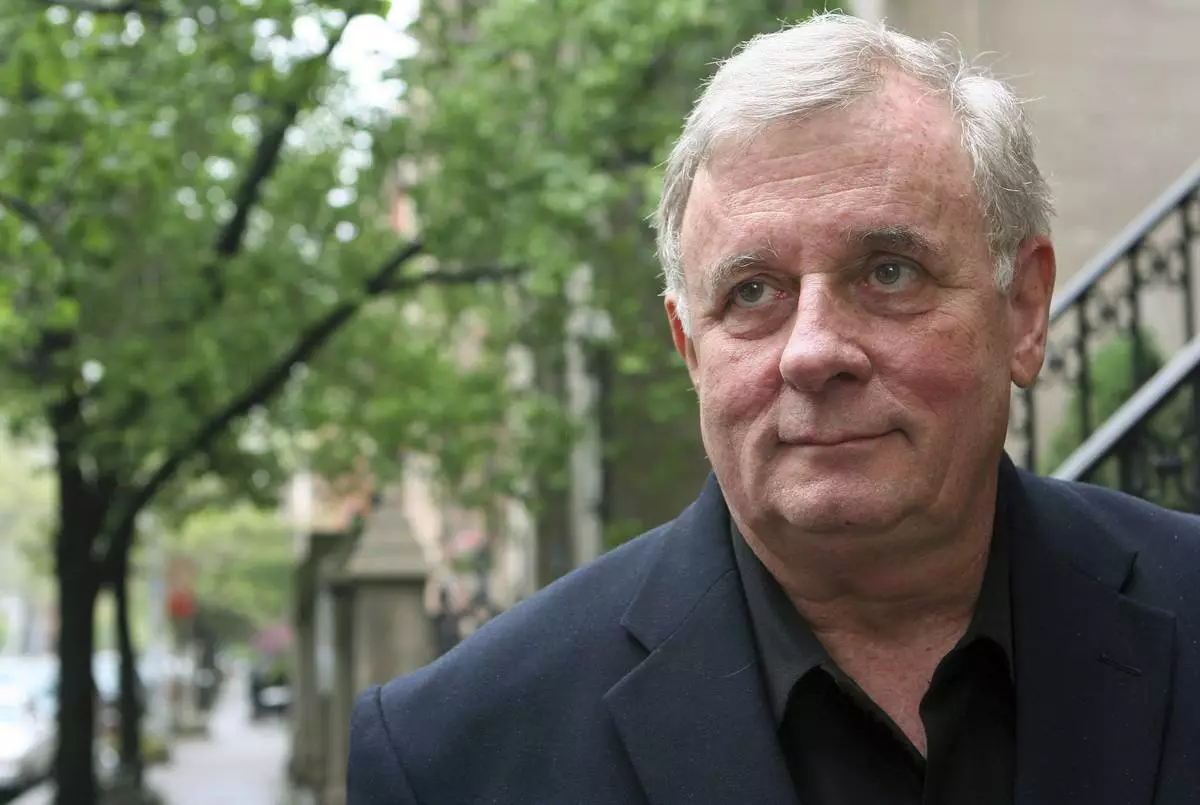
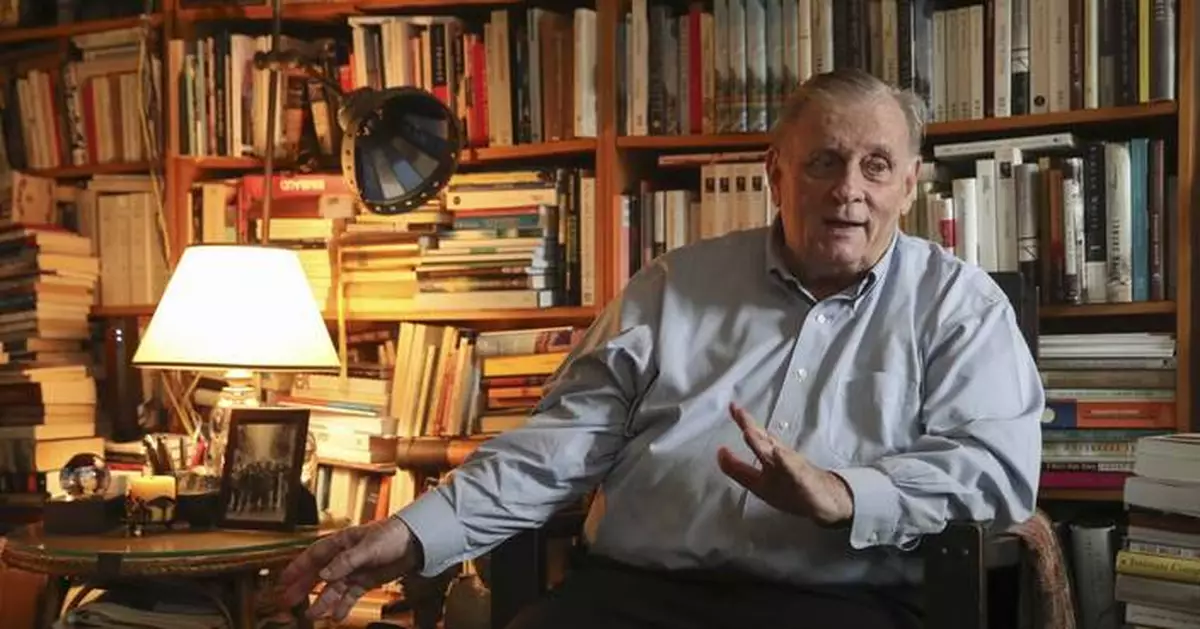
FILE - Author Edmund White stands outside his apartment April 24, 2006 in New York. (AP Photo/Mark Lennihan, file)
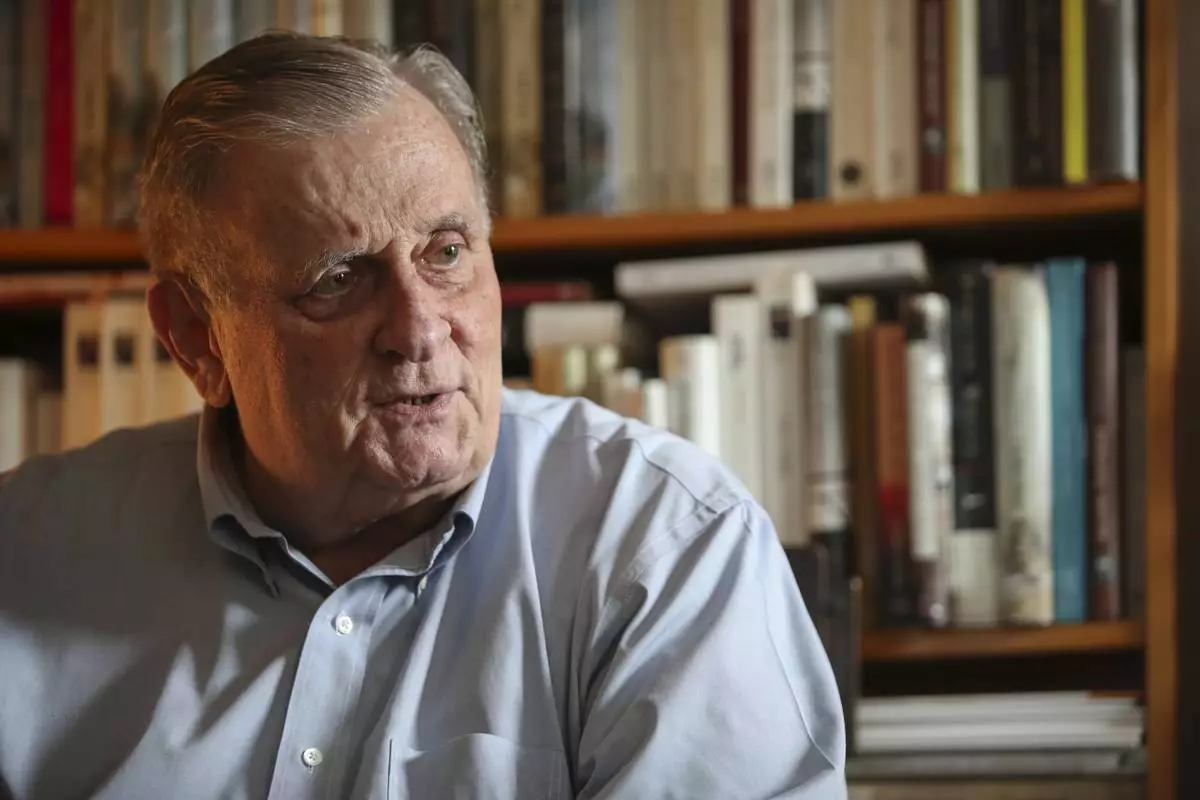
FILE - Author Edmund White appears at his home in New York, Tuesday, Aug. 27, 2019. (AP Photo/Mary Altaffer, file)
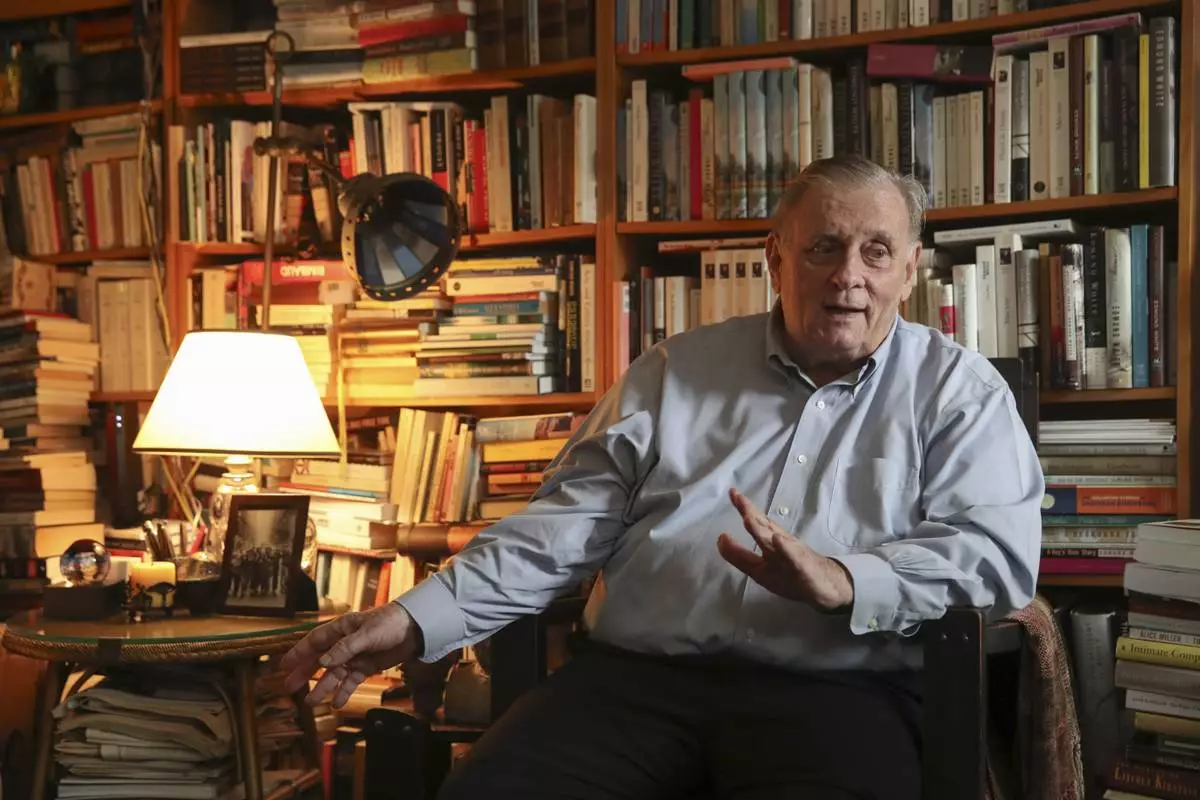
FILE - Author Edmund White appears at his home in New York, Tuesday, Aug. 27, 2019. (AP Photo/Mary Altaffer, file)
WASHINGTON (AP) — Venezuelan opposition leader María Corina Machado discussed her country's future with President Donald Trump at the White House on Thursday, even though he has dismissed her credibility to take over after an audacious U.S. military raid captured then-President Nicolás Maduro.
Trump has raised doubts about his stated commitment to backing democratic rule in Venezuela and signaled his willingness to work with acting President Delcy Rodríguez, who was Maduro’s No. 2. Along with others in the deposed leader’s inner circle, Rodríguez remains in charge of day-to-day government operations and was set to deliver her first state of the union speech Thursday.
In endorsing Rodríguez so far, Trump has sidelined Machado, who has long been a face of resistance in Venezuela. She also had sought to cultivate relationships with Trump and key administration voices like Secretary of State Marco Rubio among the American right wing in a gamble to ally herself with the U.S. government.
White House press secretary Karoline Leavitt said Trump had been looking forward to the lunchtime meeting with Machado and called her “a remarkable and brave voice” for the people of Venezuela. But Leavitt also said Trump's opinion of Machado had not changed, calling it "a realistic assessment."
Trump has said it would be difficult for Machado to lead because she “doesn’t have the support within or the respect within the country.” Her party is widely believed to have won 2024 elections rejected by Maduro.
Leavitt went on to say that Trump supported new Venezuelan elections “when the time is right” but did not say when he thought that might be.
Leavitt said Machado sought the face-to-face meeting without setting expectations for what would occur. Machado previously offered to share with Trump the Nobel Peace Prize she won last year, an honor he has coveted.
“I don’t think he needs to hear anything from Ms. Machado," the press secretary said, other than to have a ”frank and positive discussion about what’s taking place in Venezuela.”
Machado spent about two and a half hours at the White House but left without answering questions on whether she'd offered to give her Nobel prize to Trump, saying only “gracias."
After her White House stop, Machado plans to have a meeting at the Senate. Her Washington visit began after U.S. forces in the Caribbean Sea seized another sanctioned oil tanker that the Trump administration says had ties to Venezuela.
It is part of a broader U.S. effort to take control of the South American country’s oil after U.S. forces seized Maduro and his wife at a heavily guarded compound in the Venezuelan capital of Caracas and brought them to New York to stand trial on drug trafficking charges.
Leavitt said Venezuela's interim authorities have been fully cooperating with the Trump administration and that Rodríguez's government said it planned to release more prisoners detained under Maduro. Among those released were five Americans this week.
Rodríguez has adopted a less strident position toward Trump then she did immediately after Maduro's ouster, suggesting that she can make the Republican administration's “America First” policies toward the Western Hemisphere, work for Venezuela — at least for now.
Trump said Wednesday that he had a “great conversation” with Rodríguez, their first since Maduro was ousted.
“We had a call, a long call. We discussed a lot of things,” Trump said during an Oval Office bill signing. “And I think we’re getting along very well with Venezuela.”
Even before indicating the willingness to work with Venezuela's interim government, Trump was quick to snub Machado. Just hours after Maduro's capture, Trump said of Machado that “it would be very tough for her to be the leader.”
Machado has steered a careful course to avoid offending Trump, notably after winning the peace prize. She has since thanked Trump, though her offer to share the honor with him was rejected by the Nobel Institute.
Machado’s whereabouts have been largely unknown since she went into hiding early last year after being briefly detained in Caracas. She briefly reappeared in Oslo, Norway, in December after her daughter received the Nobel Peace Prize on her behalf.
The industrial engineer and daughter of a steel magnate began challenging the ruling party in 2004, when the nongovernmental organization she co-founded, Súmate, promoted a referendum to recall then-President Hugo Chávez. The initiative failed, and Machado and other Súmate executives were charged with conspiracy.
A year later, she drew the anger of Chávez and his allies again for traveling to Washington to meet President George W. Bush. A photo showing her shaking hands with Bush in the Oval Office lives in the collective memory. Chávez considered Bush an adversary.
Almost two decades later, she marshaled millions of Venezuelans to reject Chávez’s successor, Maduro, for another term in the 2024 election. But ruling party-loyal electoral authorities declared him the winner despite ample credible evidence to the contrary. Ensuing anti-government protests ended in a brutal crackdown by state security forces.
Garcia Cano reported from Caracas, Venezuela, and Janetsky from Mexico City. AP Diplomatic Writer Matthew Lee in Washington contributed to this report.
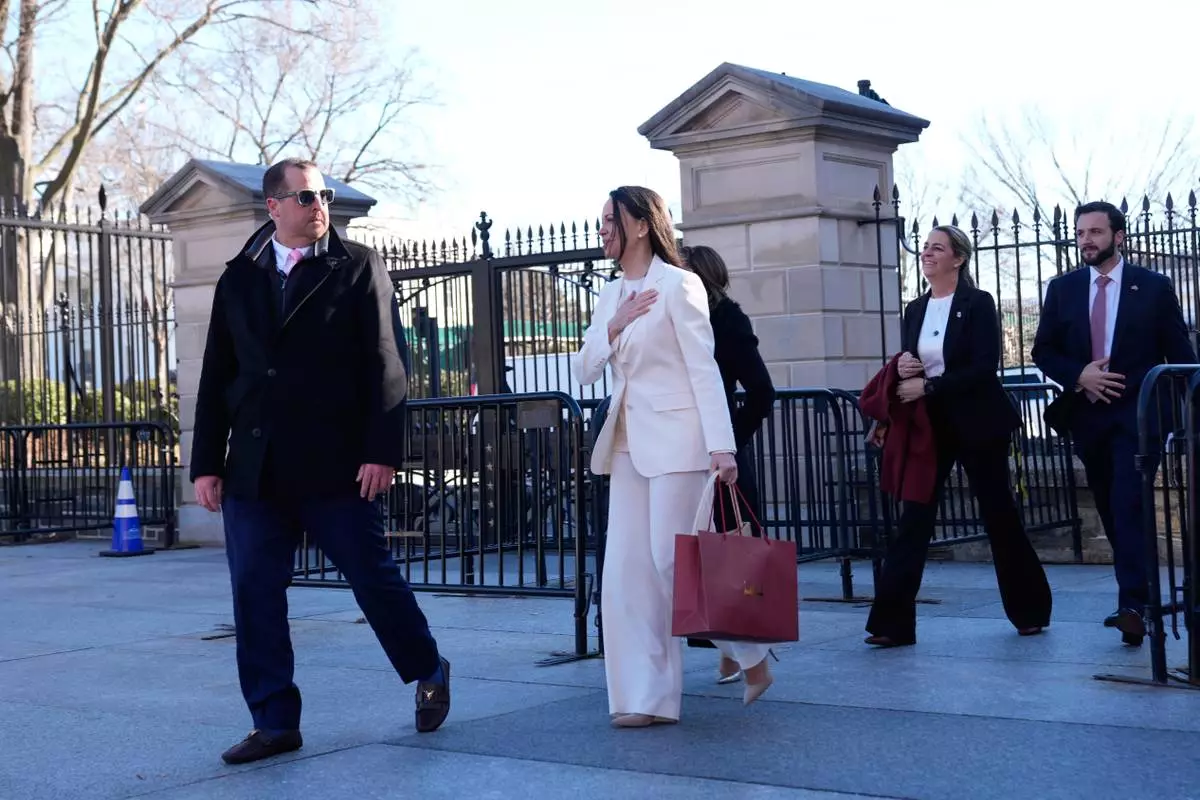
Venezuelan opposition leader María Corina Machado gestures to supporters on Pennsylvania Avenue as she leaves the White House after meeting with President Donald Trump Thursday, Jan. 15, 2026, in Washington. (AP Photo/Pablo Martinez Monsivais)
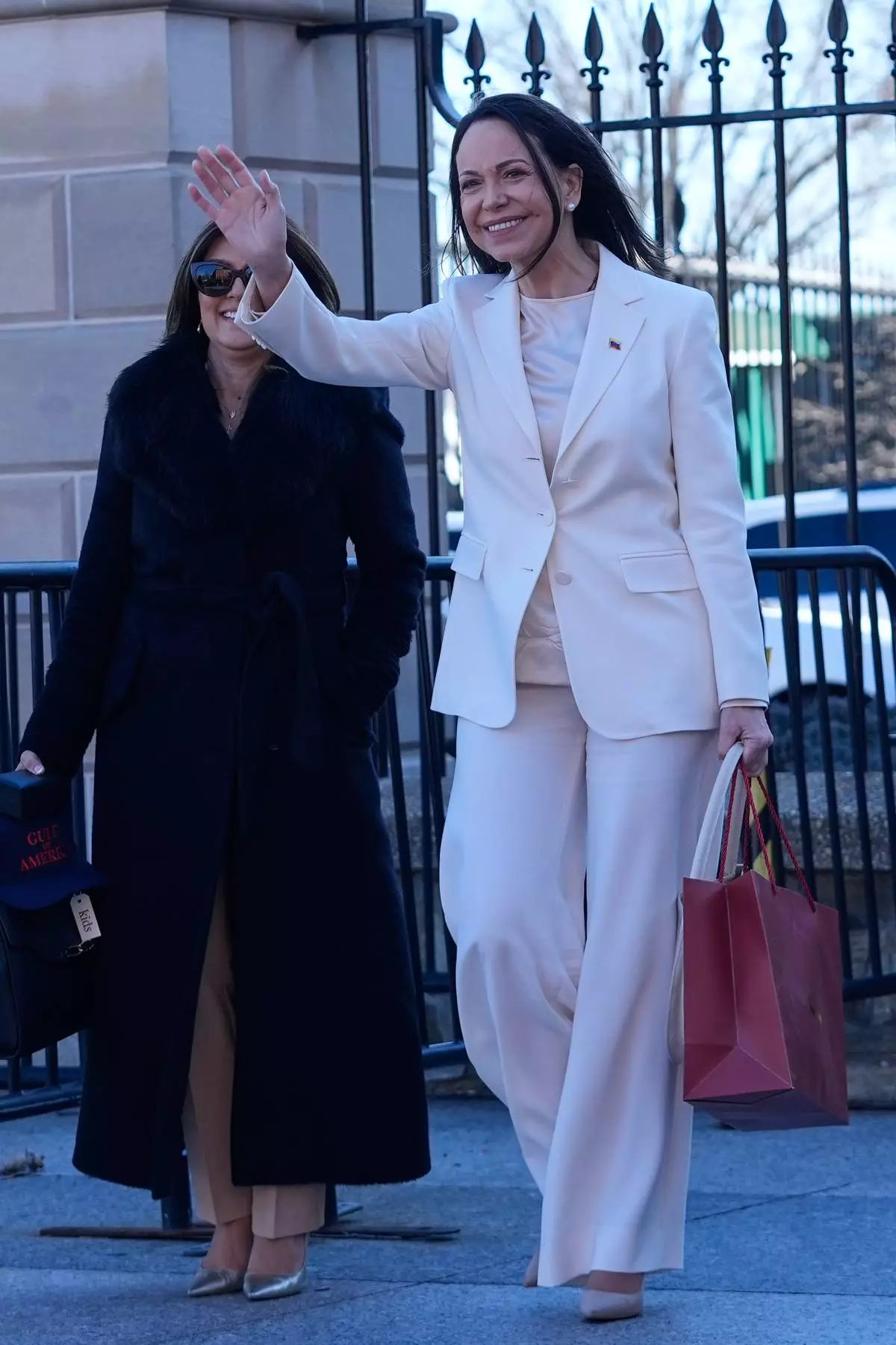
Venezuelan opposition leader María Corina Machado waves to supporters on Pennsylvania Avenue as she leaves the White House after meeting with President Donald Trump Thursday, Jan. 15, 2026, in Washington. (AP Photo/Pablo Martinez Monsivais)
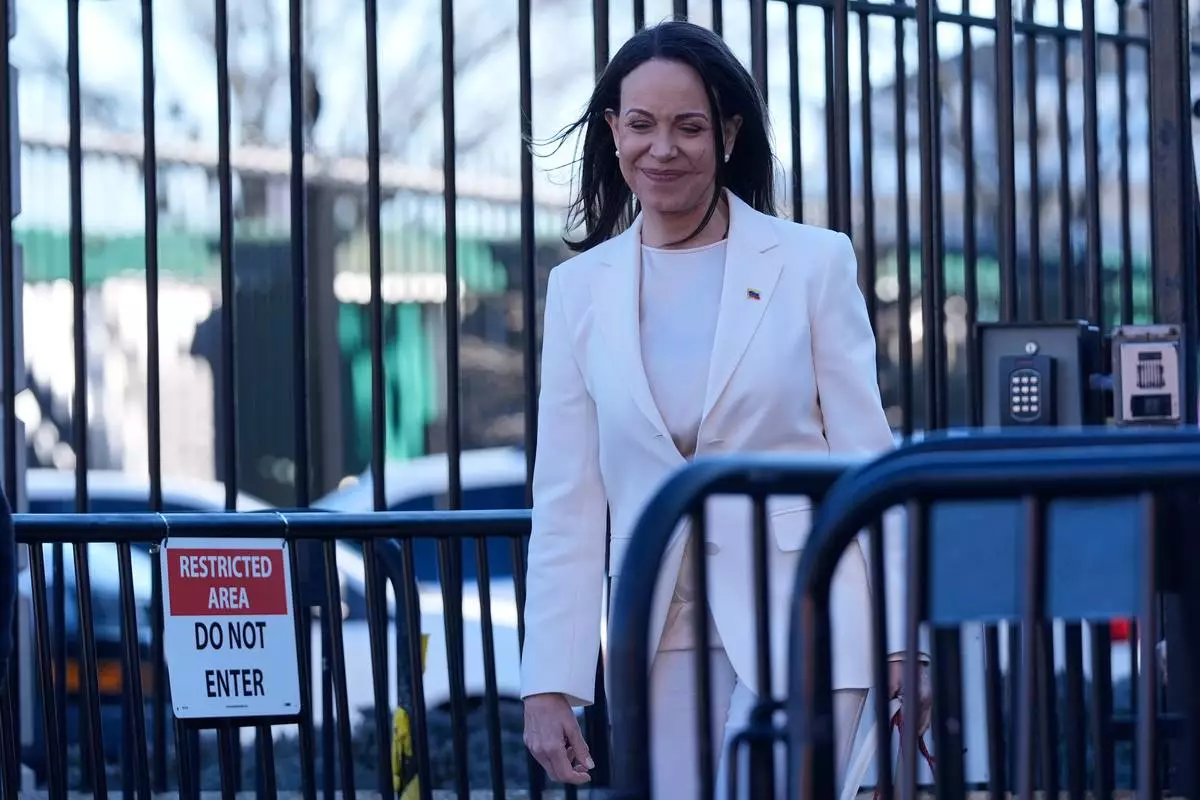
Venezuelan opposition leader María Corina Machado smiles on Pennsylvania Avenue as she leaves the White House after meeting with President Donald Trump Thursday, Jan. 15, 2026, in Washington. (AP Photo/Pablo Martinez Monsivais)
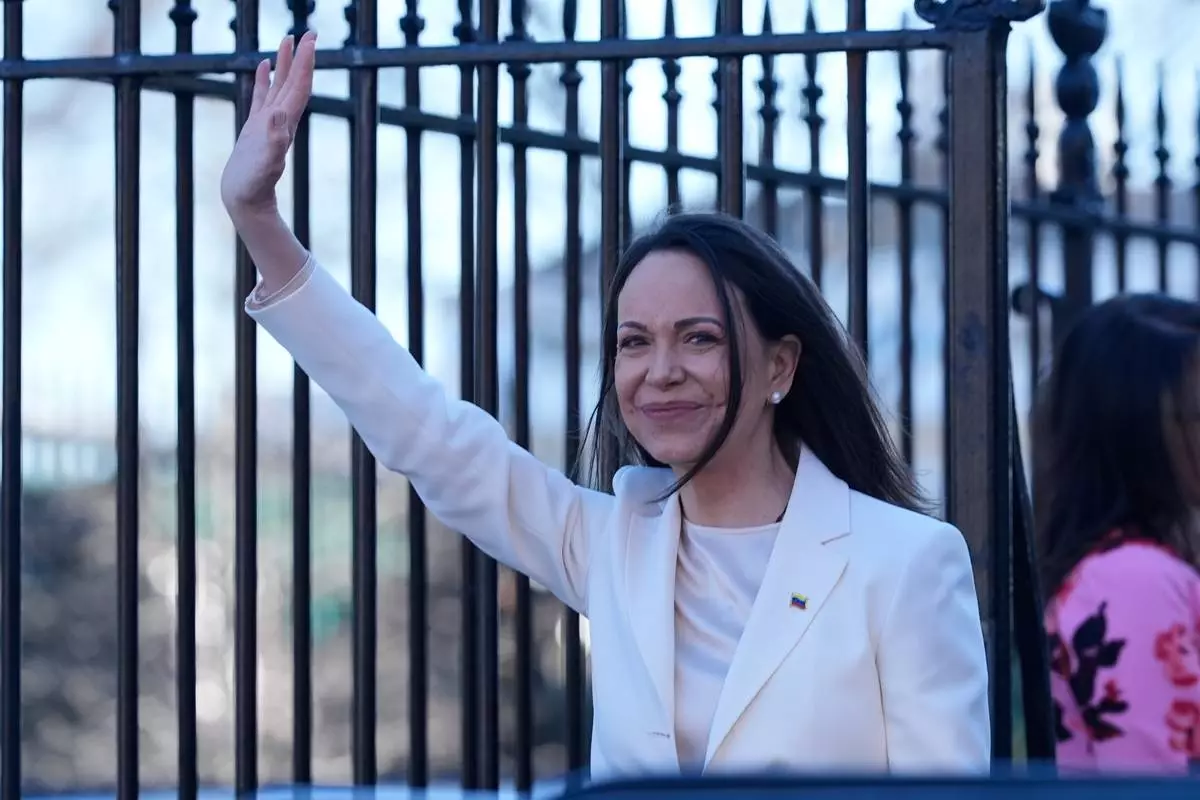
Venezuelan opposition leader María Corina Machado waves to supporters on Pennsylvania Avenue as she leaves the White House after meeting with President Donald Trump Thursday, Jan. 15, 2026, in Washington. (AP Photo/Pablo Martinez Monsivais)
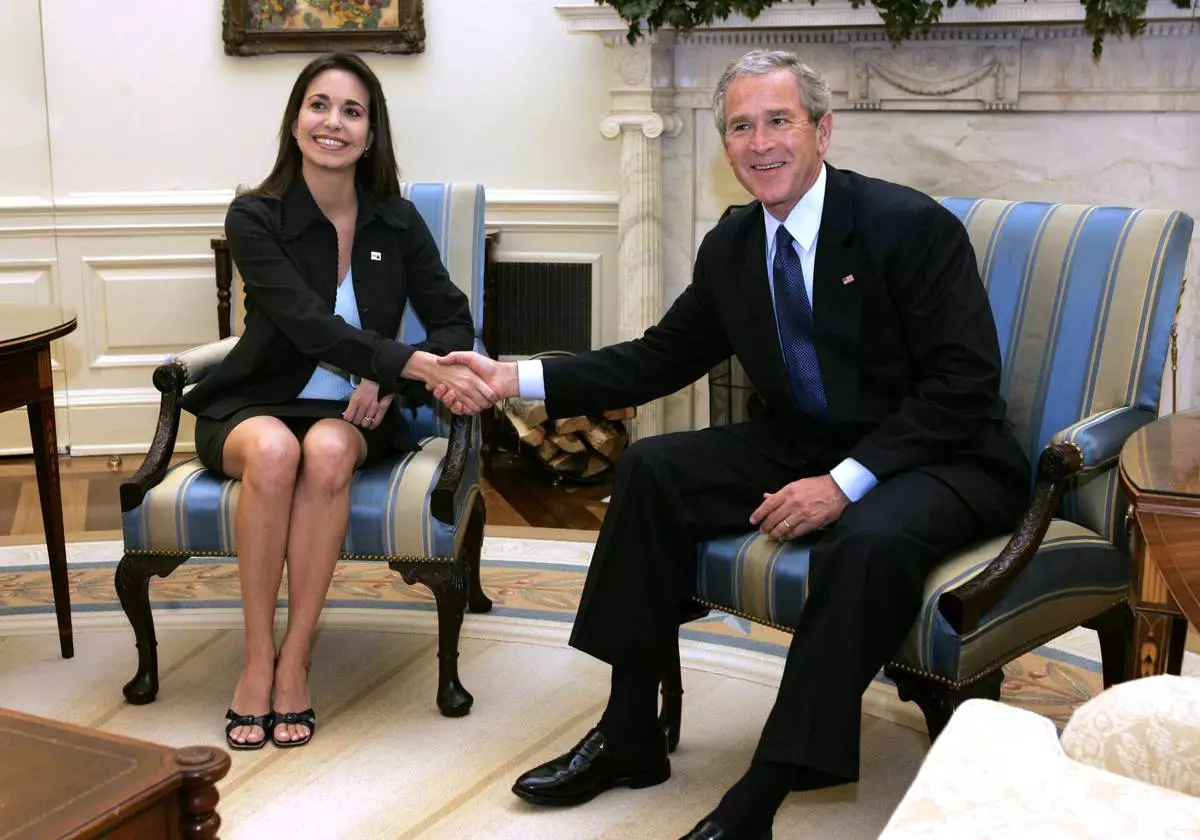
FILE - U.S. President George Bush, right, meets with Maria Corina Machado, executive director of Sumate, a non-governmental organization that defends Venezuelan citizens' political rights, in the Oval Office of the White House, Washington, May 31, 2005. (AP Photo/Charles Dharapak, File)
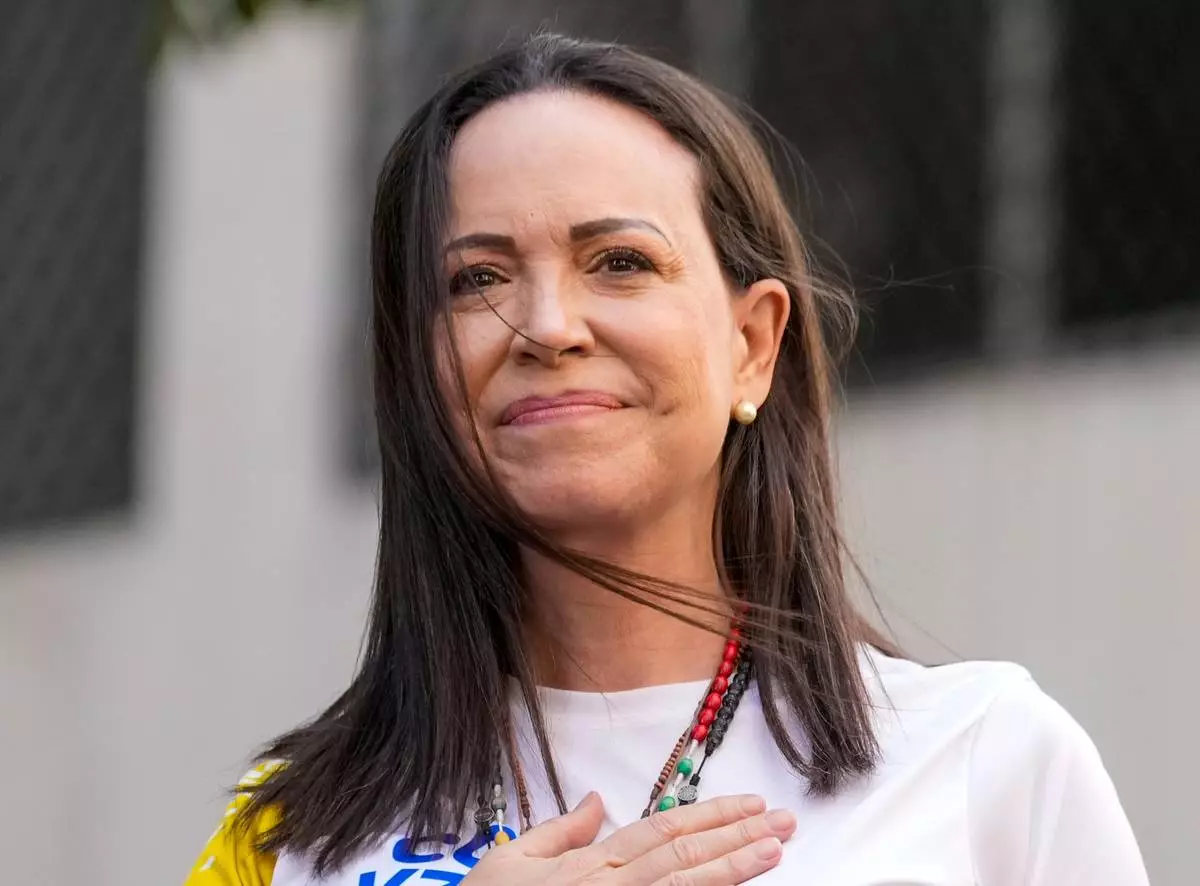
FILE - Opposition leader Maria Corina Machado gestures to supporters during a protest against President Nicolas Maduro the day before his inauguration for a third term, in Caracas, Venezuela, Thursday, Jan. 9, 2025. (AP Photo/Ariana Cubillos, file)