The United States' decision to double tariffs on steel and aluminum imports to 50 percent has placed significant pressure on Brazilian exports, prompting cautious responses from both industry leaders and government officials.
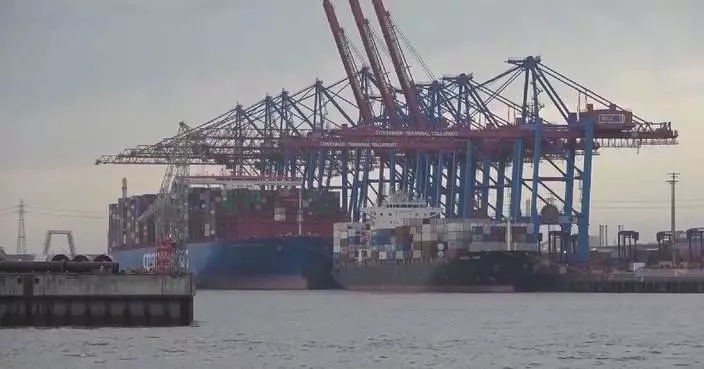
Last year, Brazil sent nearly 4 million tons of steel to the U.S., its biggest buyer for the commodity.
One Brazilian trader emphasized disarray in the industry in response to the tariffs, though he maintained that opportunities for gains may persist in some sectors.
"We are living in chaos. As I said before, it's the uncertainty, because all the players, either the seller or the buyer, and we as traders are in the middle, we have to be very careful with the volatility that occurs due to sudden changes of rules. So it's a moment to be very cautious with the management and risk of the business," said Bruno Russo, partner from Timbro Trading.
The Brazilian government is trying to find a balance between defending national industries and preserving diplomatic ties with a critical trade partner.
With exports to the U.S. under pressure, Brazil is now looking for other markets, while still hoping to secure a partial exemption through negotiations with the U.S.
"We can't afford to lose key partners like the United States, which is an important market for Brazil. So at this moment, we see the government proceeding cautiously — keeping dialogue open and trying to obtain some flexibility in the tariff increases applied to Brazilian products," said Alexandre Uehara, professor of international relations at Brazil's Higher School of Advertising and Marketing (ESPM).
U.S. President Donald Trump announced on May 30 that he plans to double tariffs on steel and aluminum imports to 50 percent, a move aimed at further shielding the domestic industry from foreign competition.
The Trump administration imposed sweeping 25 percent tariffs on all steel and aluminum imports on March 12, drawing sharp criticism from the U.S. auto industry. Canada responded with immediate retaliatory measures, while the European Union also announced counter-tariffs but ultimately withdrew them.
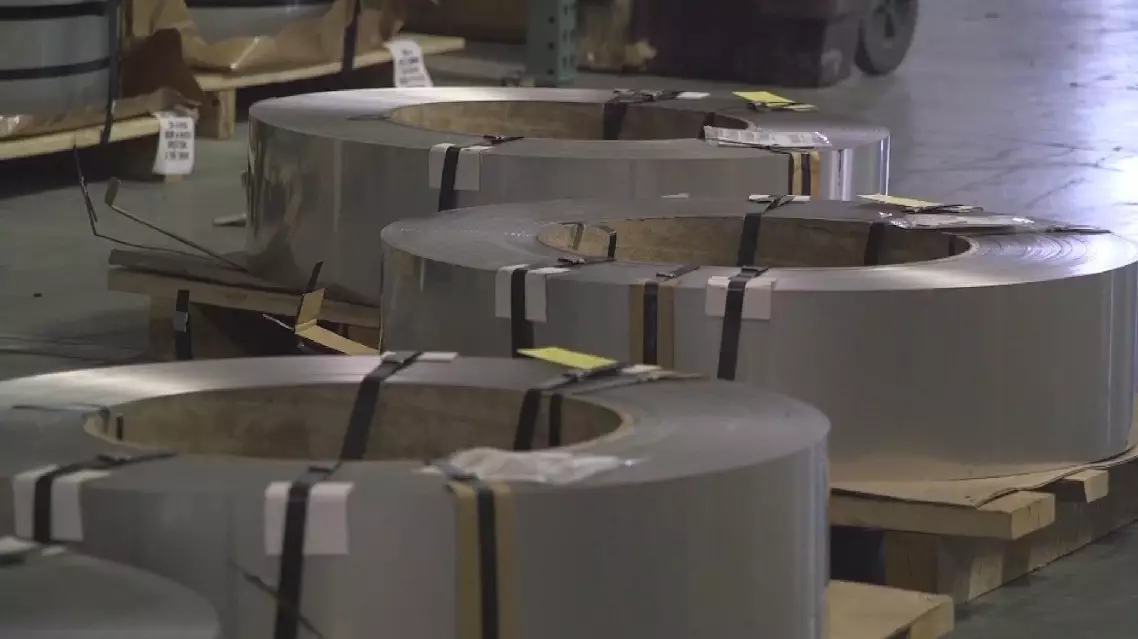
U.S. tariff hike pressures Brazilian steel exports, prompting cautious response
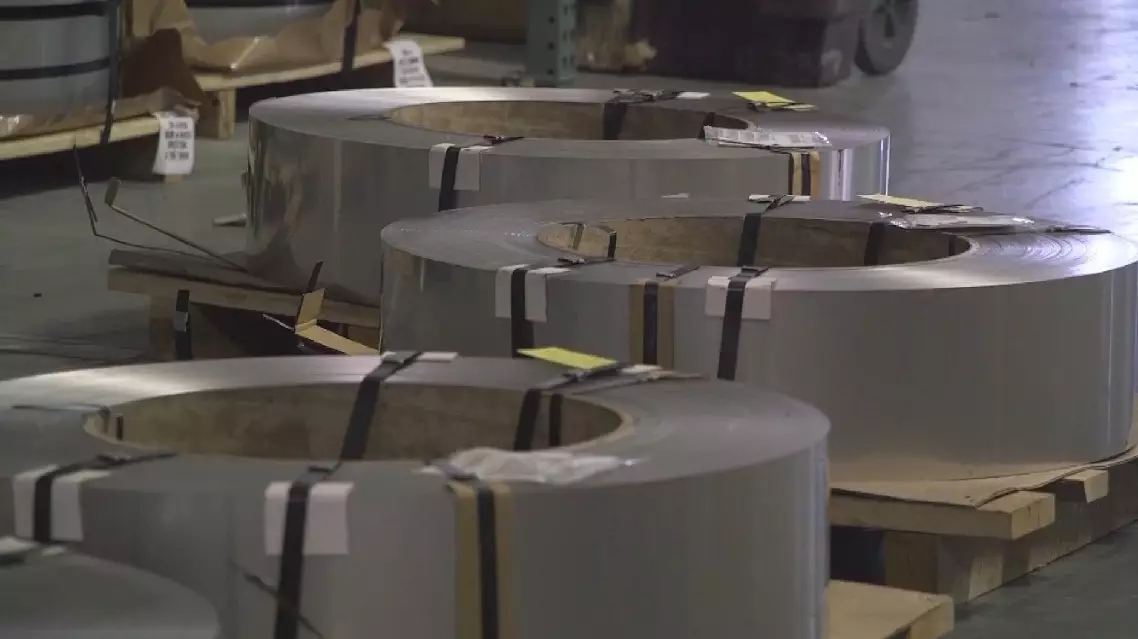
U.S. tariff hike pressures Brazilian steel exports, prompting cautious response