CONCORD, N.H. (AP) — A political consultant who sent voters artificial intelligence-generated robocalls mimicking former President Joe Biden last year went on trial Thursday in New Hampshire, where jurors are being asked to consider not just his guilt or innocence but whether the state actually held its first-in-the-nation presidential primary.
“This case is about a brazen attack on the integrity of the 2024 New Hampshire presidential primary election,” Assistant Attorney General Brendan O'Donnell said in opening statements in Belknap County Superior Court.
Steven Kramer, who faces decades in prison if convicted of voter suppression and impersonating a candidate, has admitted orchestrating a message sent to thousands of voters two days before the Jan. 23, 2024, primary. The message played an AI-generated voice similar to the Democratic president’s that used his catchphrase “What a bunch of malarkey” and, as prosecutors allege, suggested that voting in the primary would preclude voters from casting ballots in November.
“It’s important that you save your vote for the November election,” voters were told. “Your votes make a difference in November, not this Tuesday.”
Kramer, who owns a firm specializing in get-out-the-vote projects, has said he wasn’t trying to influence the election but rather wanted to send a wake-up call about the potential dangers of AI when he paid a New Orleans magician $150 to create the recording.
“Maybe I’m a villain today, but I think in the end we get a better country and better democracy because of what I’ve done, deliberately,” Kramer told The Associated Press in February 2024.
Ahead of the trial, prosecutors sought to prevent Kramer from arguing that the primary was a meaningless straw poll because it wasn’t sanctioned by the Democratic National Committee. At Biden’s request, the DNC dislodged New Hampshire from its traditional early spot in the nominating calendar, but later dropped its threat not to seat the state’s national convention delegates. Biden did not put his name on the ballot or campaign there, but won as a write-in.
The state argued such evidence was irrelevant and could confuse jurors, but Judge Elizabeth Leonard denied the motion in March, saying the DNC’s actions and Kramer’s understanding of them were relevant to his motive and intent. She did grant the prosecution’s request that the court accept as fact that the state held its presidential primary election as defined by law on Jan. 23, 2024. Jurors will be informed of that conclusion but won’t be required to accept it.
In his opening statement, defense attorney Thomas Reid said the robocall was Kramer's “opinion and commentary” on the DNC's initial decision to block the state's delegates to the convention.
“That, ladies and gentlemen, was a brazen attack on your primary,” he said, referring to the DNC's actions. “And it wasn't done by Steve Kramer.”
“He didn't see it as a real election, because it wasn't,” Reid said.
Kramer faces 11 felony charges, each punishable by up to seven years in prison, alleging he attempted to prevent or deter someone from voting based on “fraudulent, deceptive, misleading or spurious grounds or information.” The 11 candidate impersonation charges each carry a maximum sentence of a year in jail.
Kramer’s attorney argued that his client didn’t impersonate a candidate because the message didn’t include Biden’s name, and Biden wasn’t a declared candidate in the primary. He also said the robocall message didn't tell anyone not to vote, a point quickly contradicted by the first half dozen witnesses for the prosecution.
“How else would one take it?” said Theodore Bosen, a retired lawyer from Berlin who received the call.
“That was horrific to my sensibilities that anybody would be trying to influence the vote in any election,” he said.
On cross-examination, witnesses all said the calls didn't deter them from voting, and none believed that doing so would preclude them from voting in the general election. They described varying levels of awareness of the DNC’s decision, and some agreed with Kramer’s lawyer that they would want someone to tell them if their vote “wasn’t going to count.”
O'Donnell, the prosecutor, told jurors that Kramer tried to minimize his connection to the calls, including using his father's online banking account to pay the magician and fabricating the name of a “client” when emailing a company involved in sending the calls. And he didn't contact authorities until the magician publicly identified him and authorities had begun tracing the calls to him, O'Donnell said.
“He knew it was wrong and was trying to get away with it,” O'Donnell said.
Kramer has been fined $6 million by the Federal Communications Commission, but it's unclear whether he has paid it. The FCC did not respond to a request for comment earlier this week.
The agency was developing AI-related rules when Donald Trump won the presidency, but has since shown signs of a possible shift toward loosening regulations. And though many states have enacted legislation regulating AI deepfakes in political campaigns, House Republicans in Congress recently added a clause to their signature tax bill that would ban states and localities from regulating artificial intelligence for a decade.
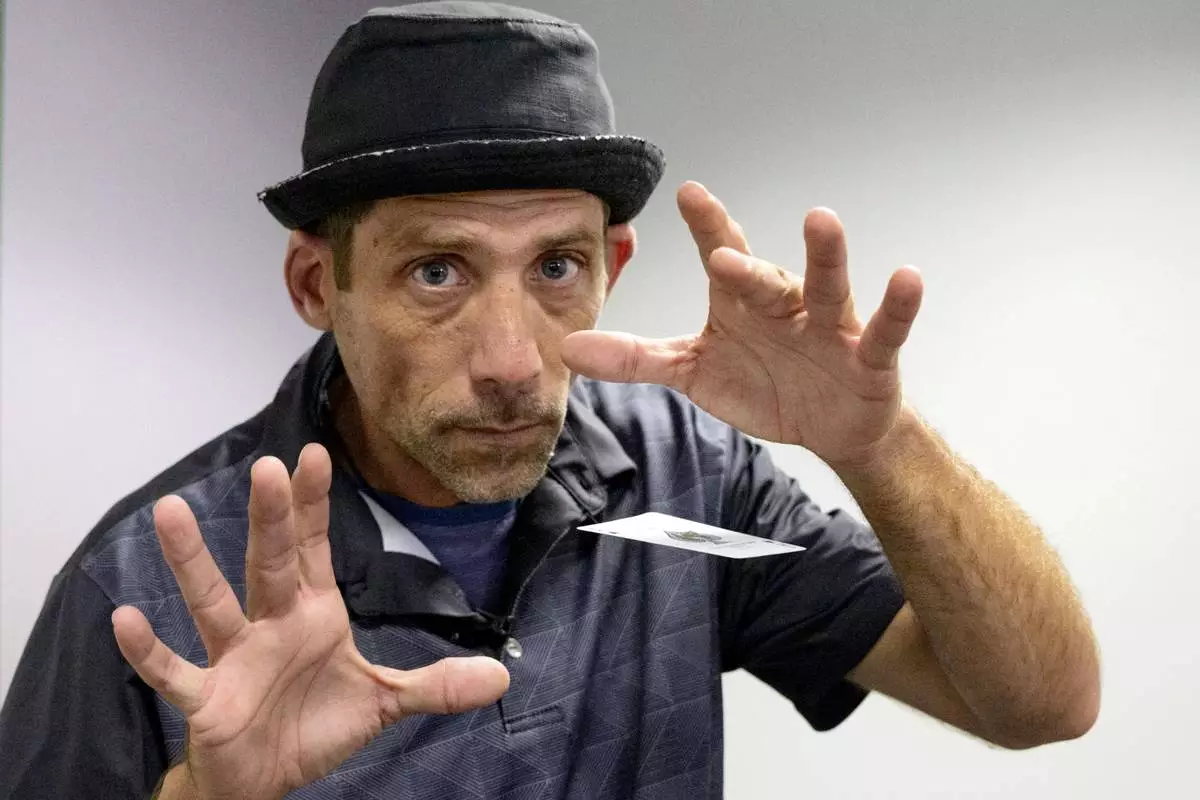
FILE - Paul Carpenter, a New Orleans magician, performs card tricks during an interview in New Orleans, Feb. 23, 2024. (AP Photo/Matthew Hinton, File)
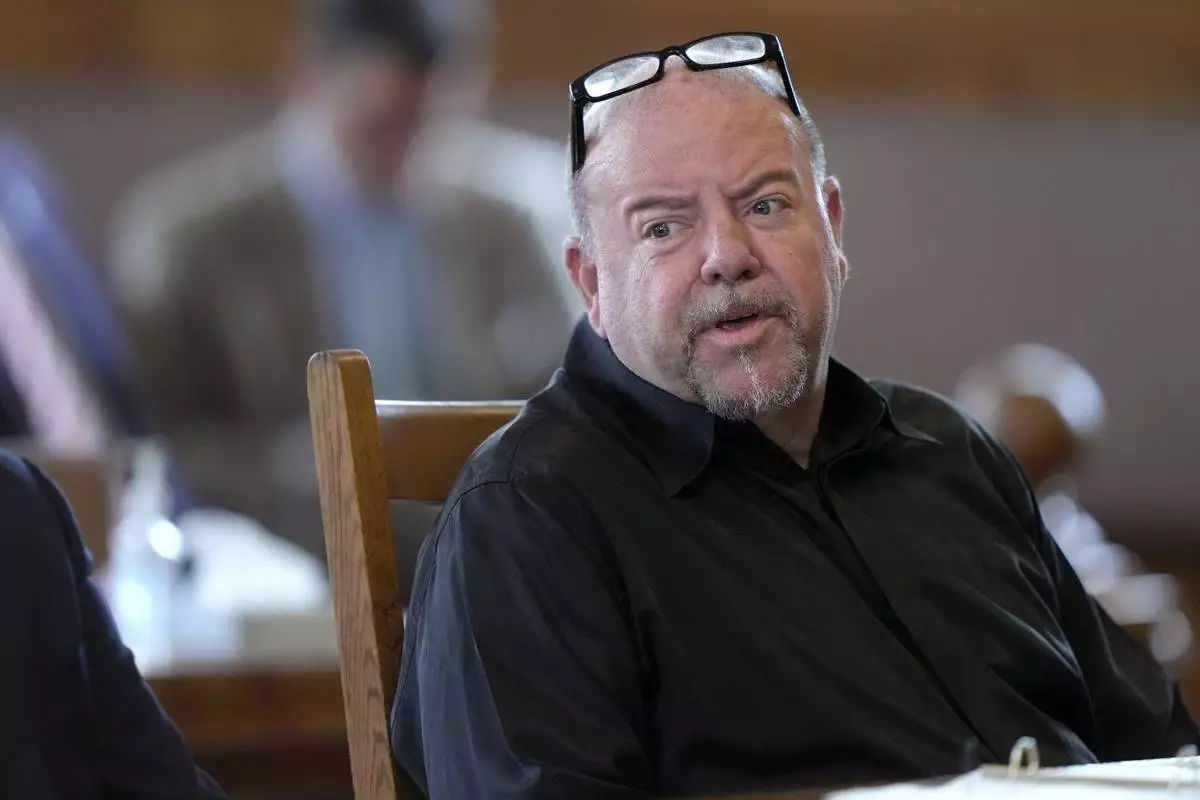
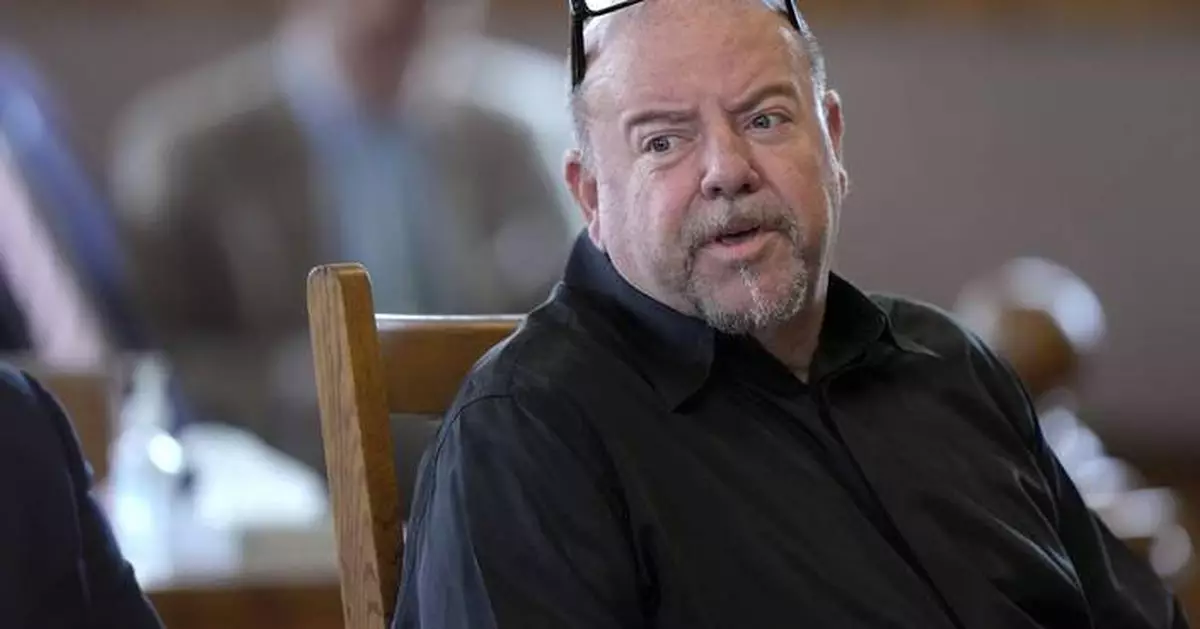
FILE - Steve Kramer is seated June 5, 2024, at Superior Court, in Laconia, N.H., during his arraignment in connection with charges of voter suppression and impersonating a candidate. (AP Photo/Steven Senne, Pool)
WASHINGTON (AP) — President Donald Trump's photo portrait display at the Smithsonian's National Portrait Gallery has had references to his two impeachments removed, the latest apparent change at the collection of museums he has accused of bias as he asserts his influence over how official presentations document U.S. history.
The wall text, which summarized Trump's first presidency and noted his 2024 comeback victory, was part of the museum's “American Presidents” exhibition. The description had been placed alongside a photograph of Trump taken during his first term. Now, a different photo appears without any accompanying text block, though the text was available online. Trump was the only president whose display in the gallery, as seen Sunday, did not include any extended text.
The White House did not say whether it sought any changes. Nor did a Smithsonian statement in response to Associated Press questions. But Trump ordered in August that Smithsonian officials review all exhibits before the nation celebrates the 250th anniversary of the Declaration of Independence on July 4. The Republican administration said the effort would “ensure alignment with the president’s directive to celebrate American exceptionalism, remove divisive or partisan narratives, and restore confidence in our shared cultural institutions.”
Trump's original “portrait label," as the Smithsonian calls it, notes Trump's Supreme Court nominations and his administration's development of COVID-19 vaccines. That section concludes: “Impeached twice, on charges of abuse of power and incitement of insurrection after supporters attacked the U.S. Capitol on January 6, 2021, he was acquitted by the Senate in both trials.”
Then the text continues: “After losing to Joe Biden in 2020, Trump mounted a historic comeback in the 2024 election. He is the only president aside from Grover Cleveland (1837– 1908) to have won a nonconsecutive second term.”
Asked about the display, White House spokesman Davis Ingle celebrated the new photograph, which shows Trump, brow furrowed, leaning over his Oval Office desk. Ingle said it ensures Trump's “unmatched aura ... will be felt throughout the halls of the National Portrait Gallery.”
The portrait was taken by White House photographer Daniel Torok, who is credited in the display that includes medallions noting Trump is the 45th and 47th president. Similar numerical medallions appear alongside other presidents' painted portraits that also include the more extended biographical summaries such as what had been part of Trump's display.
Sitting presidents are represented by photographs until their official paintings are commissioned and completed.
Ingle did not answer questions about whether Trump or a White House aide, on his behalf, asked for anything related to the portrait label.
The gallery said in a statement that it had previously rotated two photographs of Trump from its collection before putting up Torok's work.
“The museum is beginning its planned update of the America’s Presidents gallery which will undergo a larger refresh this Spring,” the gallery statement said. “For some new exhibitions and displays, the museum has been exploring quotes or tombstone labels, which provide only general information, such as the artist’s name.”
For now, references to Presidents Andrew Johnson and Bill Clinton being impeached in 1868 and 1998, respectively, remain as part of their portrait labels, as does President Richard Nixon's 1974 resignation as a result of the Watergate scandal.
And, the gallery statement noted, “The history of Presidential impeachments continues to be represented in our museums, including the National Museum of American History.”
Trump has made clear his intentions to shape how the federal government documents U.S. history and culture. He has offered an especially harsh assessment of how the Smithsonian and other museums have featured chattel slavery as a seminal variable in the nation's development but also taken steps to reshape how he and his contemporary rivals are depicted.
In the months before his order for a Smithsonian review, he fired the head archivist of the National Archives and said he was firing the National Portrait Gallery's director, Kim Sajet, as part of his overhaul. Sajet maintained the backing of the Smithsonian's governing board, but she ultimately resigned.
At the White House, Trump has designed a notably partisan and subjective “Presidential Walk of Fame” featuring gilded photographs of himself and his predecessors — with the exception of Biden, who is represented by an autopen — along with plaques describing their presidencies.
The White House said at the time that Trump himself was a primary author of the plaques. Notably, Trump's two plaques praise the 45th and 47th president as a historically successful figure while those under Biden's autopen stand-in describe the 46th executive as “by far, the worst President in American History” who “brought our Nation to the brink of destruction.”
Barrow reported from Atlanta.
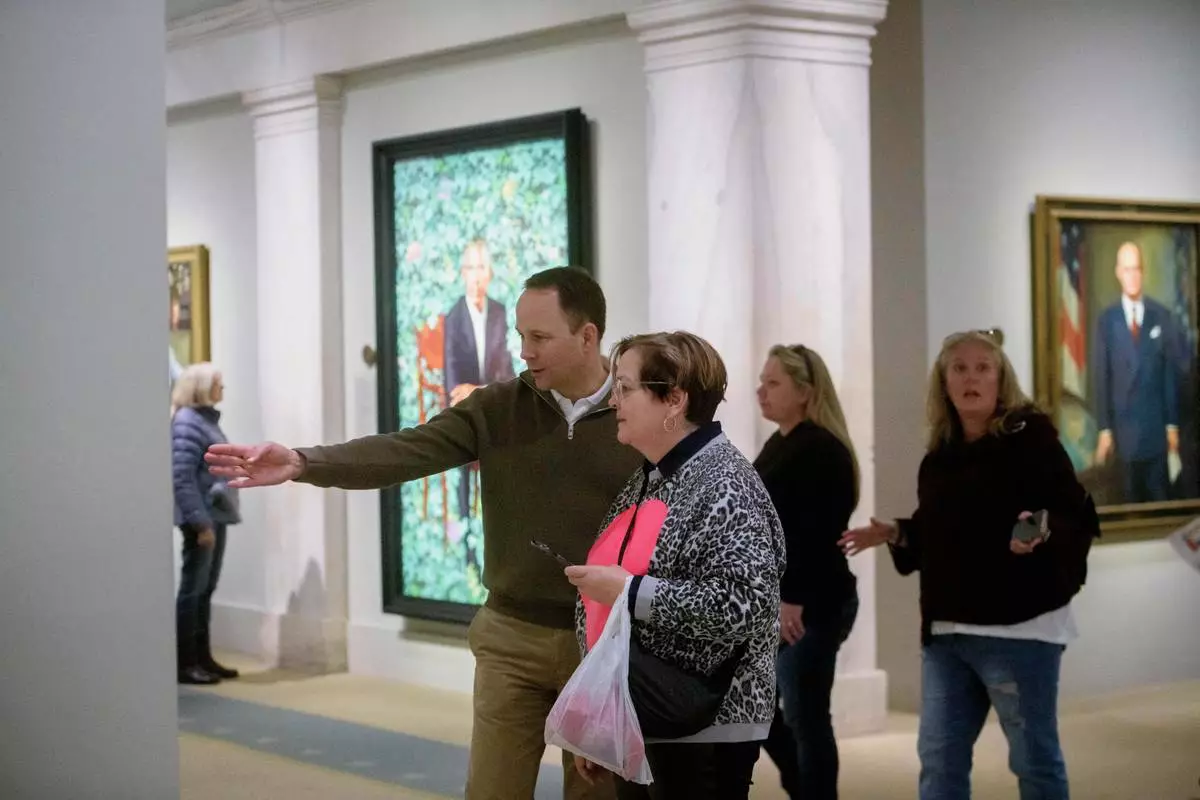
People react to a photograph of President Donald Trump on display at the Smithsonian's National Portrait Gallery's "American Presidents" exhibit on Sunday, Jan. 11, 2026 in Washington. (AP Photo/Rod Lamkey, Jr.)
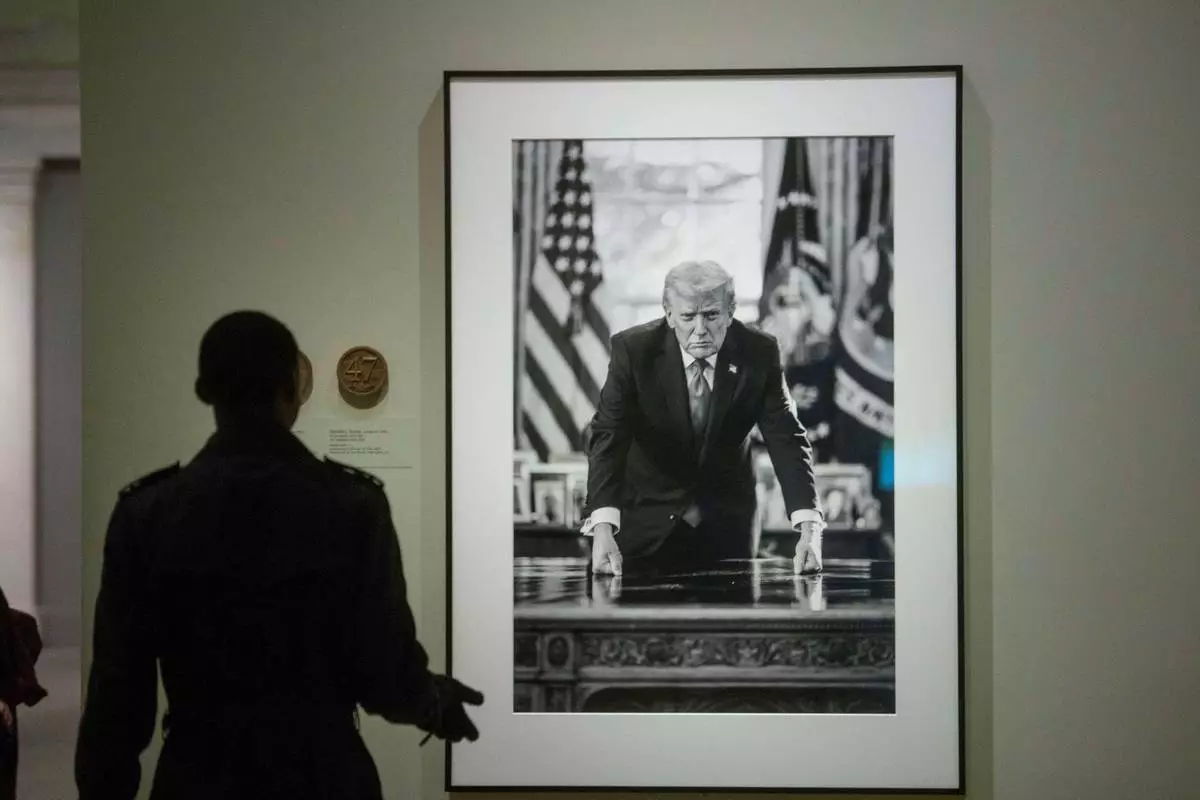
Visitors to the National Portrait Gallery walk past the portrait of President Donald Trump, Sunday, Jan. 11, 2026, in Washington. (AP Photo/Rod Lamkey, Jr.)
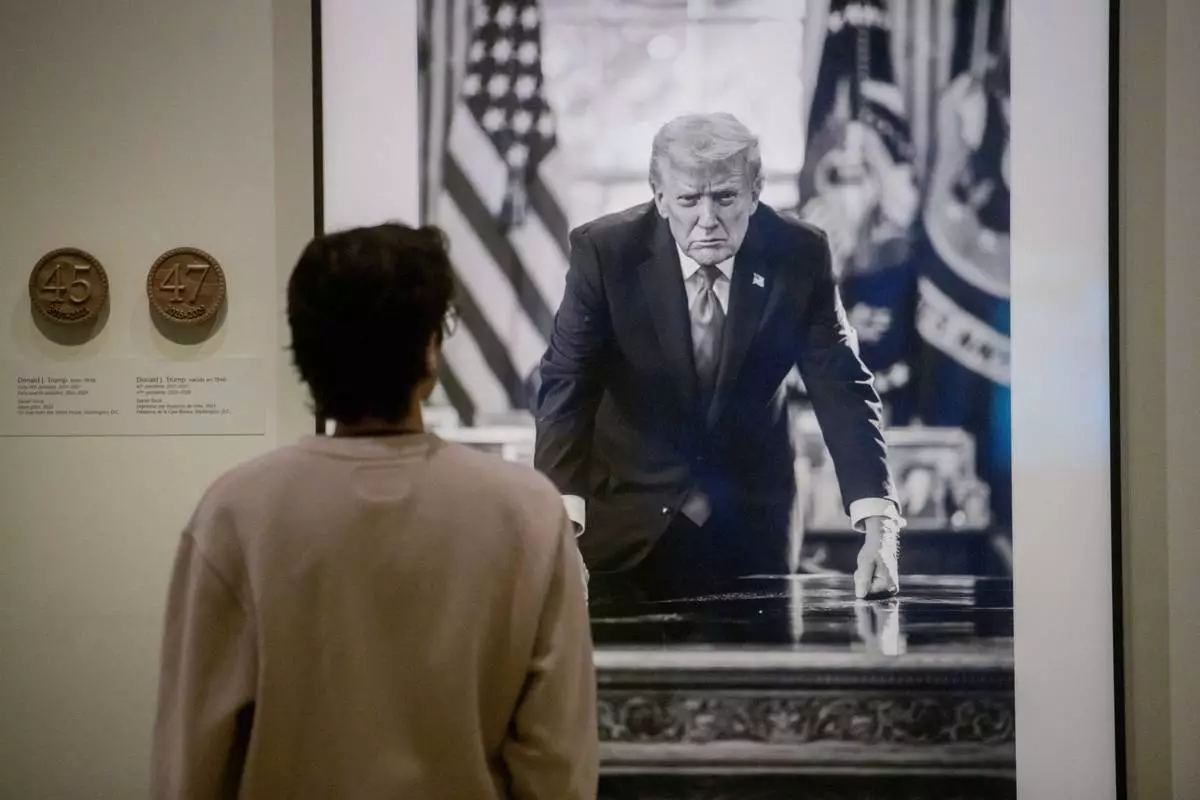
Visitors stop to look at a photograph of President Donald Trump and a short plaque next to it are on display at the Smithsonian's National Portrait Gallery's "American Presidents" exhibit on Sunday, Jan. 11, 2026 in Washington. (AP Photo/Rod Lamkey, Jr.)
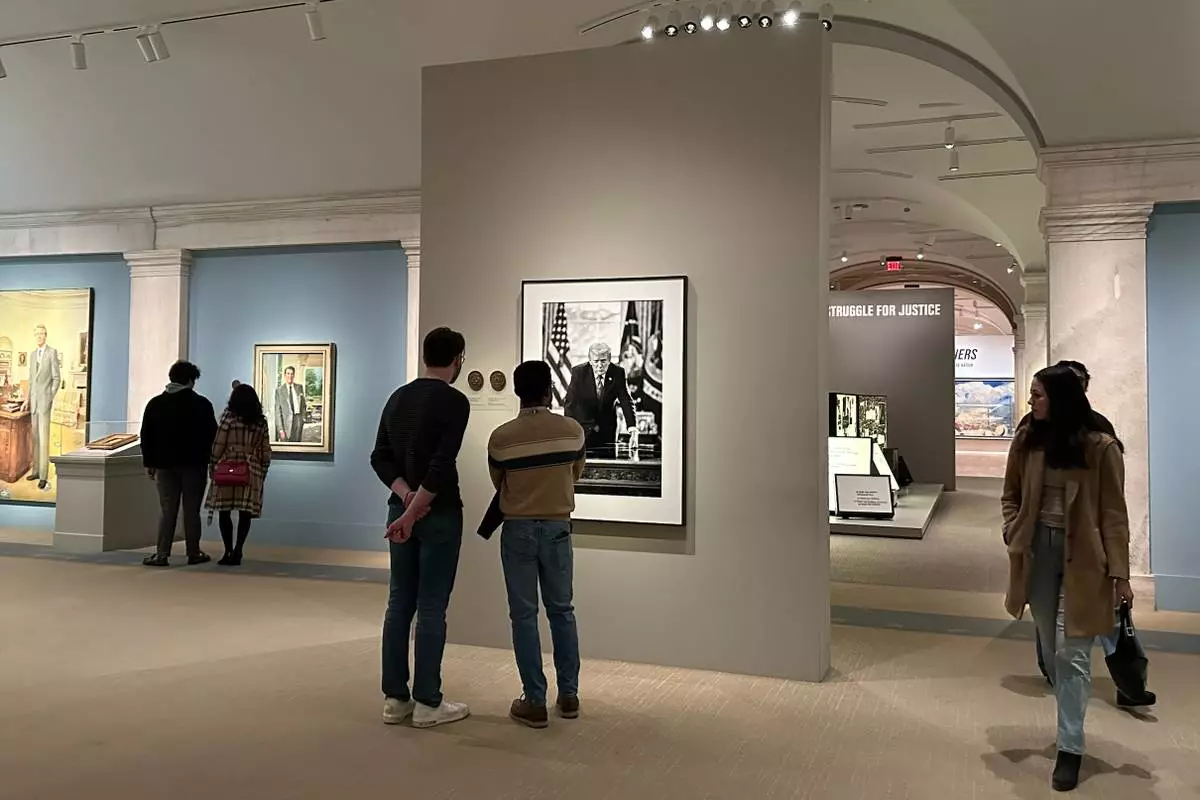
A photograph of President Donald Trump and a short plaque next to it are on display at the Smithsonian's National Portrait Gallery's "American Presidents" exhibit on Sunday, Jan. 11, 2026 in Washington. (AP Photo/Anna Johnson)
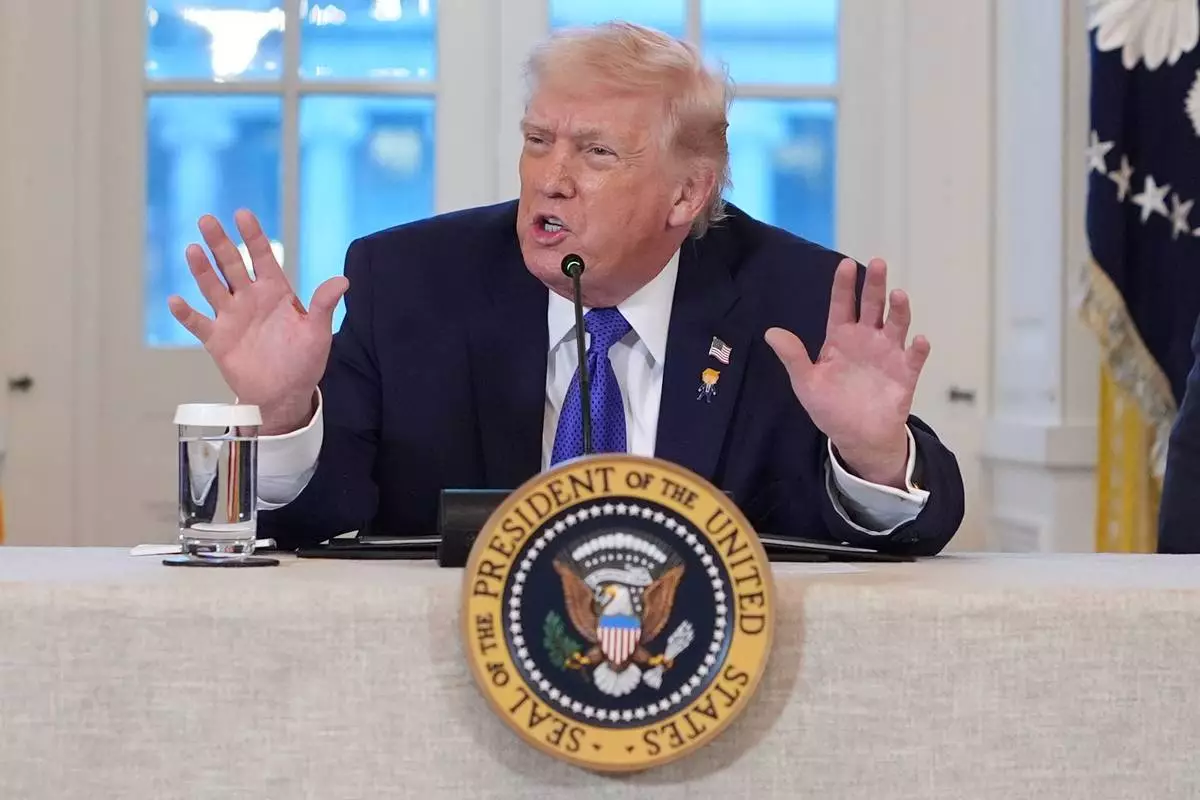
President Donald Trump speaks during a meeting with oil executives in the East Room of the White House, Friday, Jan. 9, 2026, in Washington. (AP Photo/Evan Vucci)