Address by Mr Roden Tong
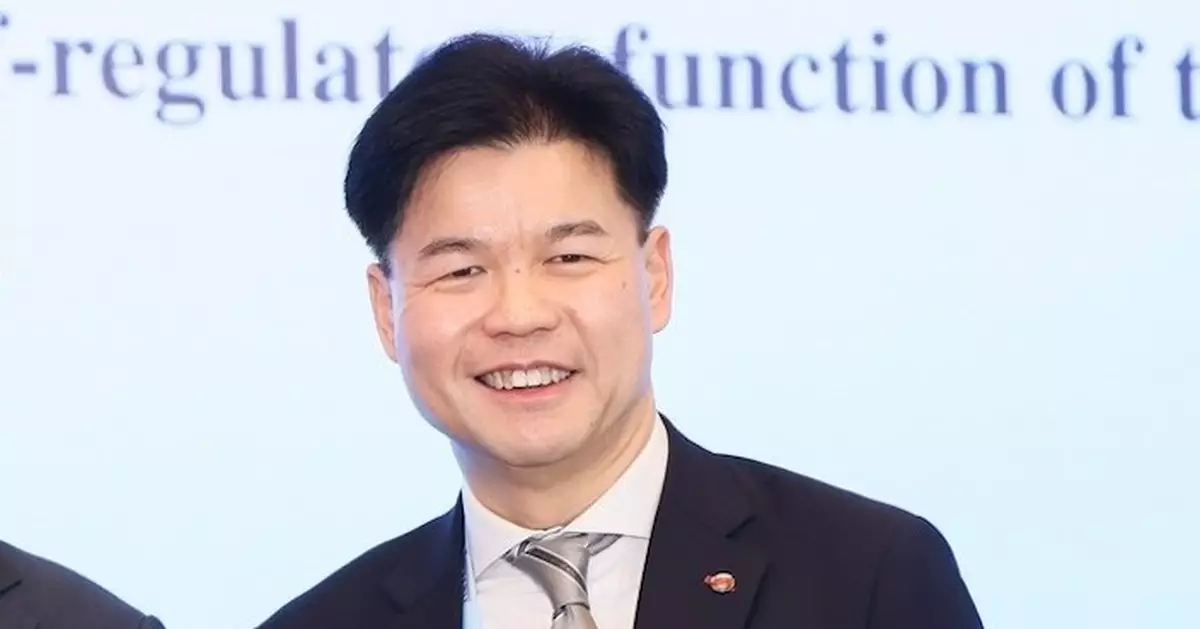
President of The Law Society of Hong Kong
Senior Counsel Admission Ceremony 2025
7 June 2025
Chief Justice, Honourable Judges, Secretary for Justice, Chairman of the Bar, Distinguished Guests, Ladies and Gentlemen,
1. On behalf of The Law Society of Hong Kong, I extend our heartfelt congratulations to Ms Catrina Lam, Ms Priscilia Lam, and Mr Timothy Parker on their well-earned appointment as Senior Counsel.
2. This appointment signifies the highest confidence in your advocacy, your unwavering commitment to the rule of law, and your dedication to safeguarding the lawful rights of clients and promoting access to justice.
3. Ms Catrina Lam is a distinguished expert in commercial and competition law. Ms Priscilia Lam is a highly respected figure in criminal law. Mr Timothy Parker is widely recognised for his contributions to public and constitutional law.
4. Under the Basic Law, Hong Kong remains a common law jurisdiction governed by the principle of “One Country, Two Systems.” Article 35 guarantees Hong Kong residents the right to confidential legal advice, access to the courts, choice of legal representation, and judicial remedies.
5. The legal profession in Hong Kong is comprised of two branches - solicitors and barristers - each playing a distinct yet complementary role in the administration of justice.
6. This year marks the 118th anniversary of The Law Society of Hong Kong, making it one of the oldest professional bodies in Asia, if not the World. Today, over 13,000 solicitors serve across private practice, corporate counsel roles, and government positions. Among them, more than 100 are solicitor advocates with higher rights of audience.
7. The Hong Kong Bar Association, established 76 years ago, represents nearly 1,700 barristers. Together, these two branches form the foundation of our legal system. As I noted in my address at the Opening of the Legal Year in January, in this new era, the legal profession must reflect on its evolving role and contribute meaningfully to the continued success of “One Country, Two Systems.”
8. The rank of Senior Counsel is globally recognised as a symbol of excellence, integrity, and professional distinction.
9. The post-nominal letters “SC” carry not only prestige within the legal community but also a broader societal responsibility.
10. A strong and independent body of advocates, both solicitors and barristers, is essential to upholding the rule of law and ensuring the fair administration of justice in Hong Kong.
11. Our legal profession enjoys a world-class reputation, built on professionalism, integrity, and the delivery of high-quality legal services.
12. To preserve and enhance this reputation in the years ahead, it is vital that both branches of the profession collaborate to serve the interests of our community, our legal system, and our nation.
13. Just last week, I returned from a duty visit to Xi’an, where I joined the Secretary for Justice at the Hong Kong Legal Services Forum 2025. There, I witnessed the powerful synergy between solicitors and barristers during mock arbitration and mediation sessions. These demonstrations showcased our advocacy strengths and the exceptional legal services we offer to Mainland
enterprises.
14. I am confident that many more such collaborations lie ahead.
15. In this new era, we must embrace innovation, adopt a forward-looking mindset, and remain steadfast in our commitment to due process and the highest professional standards.
16. The tradition of appointing King’s Counsel (or Queen’s Counsel) in England and Wales dates back over 400 years. In Hong Kong, the equivalent institution of Senior Counsel began in 1865, marking 160 years of history this year.
17. Section 31A of the Legal Practitioners Ordinance outlines the eligibility criteria for appointment as Senior Counsel, including “sufficient ability and standing” and “sufficient knowledge of the law.”
18. The system has evolved. In 2021, section 31A was amended to allow legal officers, whether solicitors or barristers, who have satisfied the eligibility requirements, to be considered for appointment as Senior Counsel as a recognition of their competence.
19. The experience of England and Wales offers valuable insights. There, the “King’s Counsel Competition” invites both barristers and solicitor advocates to apply annually. Appointments are based on demonstrated excellence in advocacy in complex cases before higher courts, tribunals, or arbitrations.
20. The King’s Counsel Selection Panel includes judicial members, barristers, solicitors, and lay members, ensuring a fair and transparent process. As their website states, the process “serves the public interest by offering a fair and transparent means of identifying excellence in advocacy.”
21. Since 1995, 66 solicitors have been appointed as King’s Counsel in England and Wales.
22. I believe that eligible solicitors in Hong Kong will have the same opportunity to be accorded the status of Senior Counsel in a foreseeable future. These appointments will add strength to the institution.
23. The legal profession can achieve great things through unity. The complementary strengths of solicitors and barristers enhance our collective expertise and elevate Hong Kong’s legal services.
24. The Chief Executive recently acknowledged the strength of our legal profession in the Legislative Council, highlighting the importance of legal services in forging global partnerships.
25. This high-level recognition affirms our achievements and charts a clear path forward. As we continue to build Hong Kong’s status as a premier international legal and dispute resolution centre, our robust legal framework and professional excellence will remain central to our success.
26. In closing, I once again extend my warmest congratulations to the three newly appointed Senior Counsel. I wish you every success as you embark on this new and distinguished chapter of your professional journey.