Skip to Content Facebook Feature Image

Lebanon aims to lure back wealthy Gulf tourists to jumpstart its war-torn economy

News

Lebanon aims to lure back wealthy Gulf tourists to jumpstart its war-torn economy
News

News

Lebanon aims to lure back wealthy Gulf tourists to jumpstart its war-torn economy

2025-06-07 13:16 Last Updated At:13:51

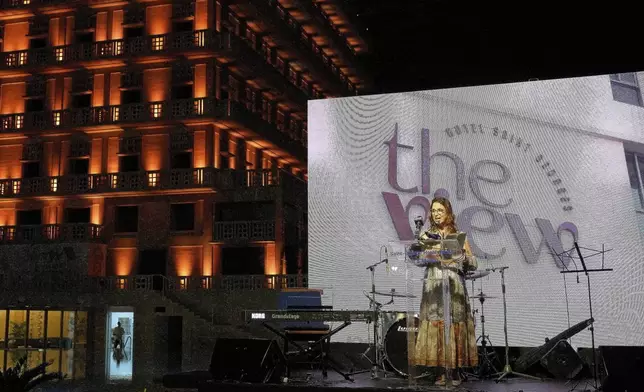
BEIRUT (AP) — Fireworks lit up the night sky over Beirut’s famous St. Georges Hotel as hit songs from the 1960s and 70s filled the air in a courtyard overlooking the Mediterranean Sea.

The retro-themed event was hosted last month by Lebanon’s Tourism Ministry to promote the upcoming summer season and perhaps recapture some of the good vibes from an era viewed as a golden one for the country. In the years before a civil war began in 1975, Lebanon was the go-to destination for wealthy tourists from neighboring Gulf countries seeking beaches in summer, snow-capped mountains in winter and urban nightlife year-round.

More Images
Lebanese-Mexican singer Blu Fiefer performs at KED in Beirut, Lebanon, on May 31, 2025. (AP Photo/Bilal Hussein)
Lebanese-Mexican singer Blu Fiefer performs at KED in Beirut, Lebanon, on May 31, 2025. (AP Photo/Bilal Hussein)

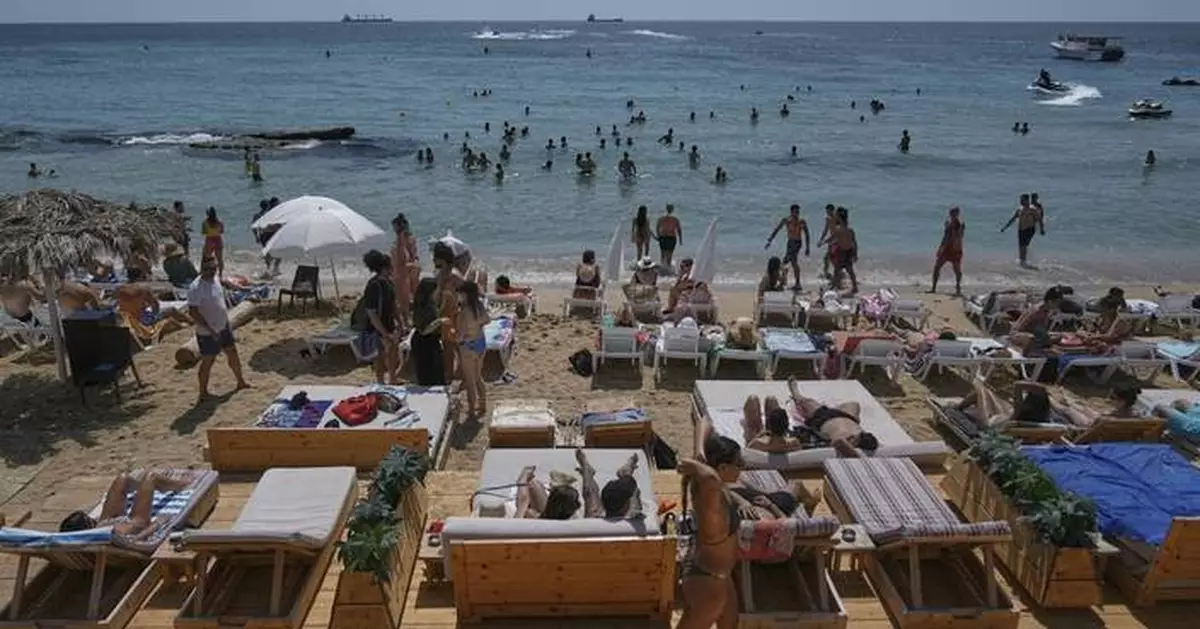
People sunbathe on the beach along the Mediterranean Sea in Batroun, northern Lebanon, May 31, 2025. (AP Photo/Bilal Hussein)
People sunbathe on the beach along the Mediterranean Sea in Batroun, northern Lebanon, May 31, 2025. (AP Photo/Bilal Hussein)

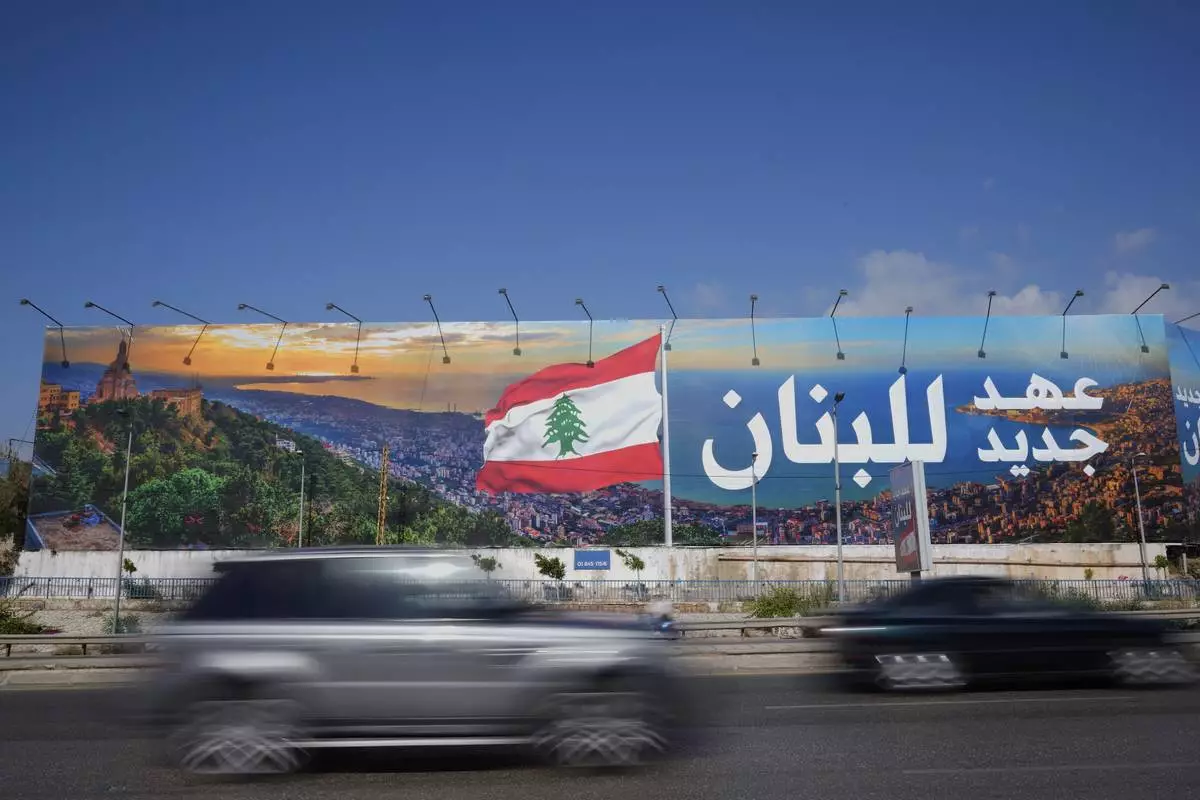
Cars pass in front of a billboard that reads, in Arabic, "A new era for Lebanon," in Beirut, Lebanon, May 28, 2025. (AP Photo/Hussein Malla)
Cars pass in front of a billboard that reads, in Arabic, "A new era for Lebanon," in Beirut, Lebanon, May 28, 2025. (AP Photo/Hussein Malla)

Lebanese Tourism Minister Laura Khazen Lahoud speaks at an event launching the country's tourism season at the St. Georges Hotel in Beirut, Lebanon, May 25, 2025. (AP Photo/Hussein Malla)
Lebanese Tourism Minister Laura Khazen Lahoud speaks at an event launching the country's tourism season at the St. Georges Hotel in Beirut, Lebanon, May 25, 2025. (AP Photo/Hussein Malla)

People sunbathe on the beach along the Mediterranean Sea in Batroun, northern Lebanon, May 31, 2025. (AP Photo/Bilal Hussein)

People sunbathe on the beach along the Mediterranean Sea in Batroun, northern Lebanon, May 31, 2025. (AP Photo/Bilal Hussein)

In the decade after the war, tourists from Gulf countries – and crucially, Saudi Arabia – came back, and so did Lebanon’s economy. But by the early 2000s, as the Iran-backed militant group Hezbollah gained power, Lebanon's relations with Gulf countries began to sour. Tourism gradually dried up, starving its economy of billions of dollars in annual spending.

Now, after last year's bruising war with Israel, Hezbollah is much weaker and Lebanon's new political leaders sense an opportunity to revitalize the economy once again with help from wealthy neighbors. They aim to disarm Hezbollah and rekindle ties with Saudi Arabia and other Gulf countries, which in recent years have prohibited their citizens from visiting Lebanon or importing its products.

“Tourism is a big catalyst, and so it’s very important that the bans get lifted,” said Laura Khazen Lahoud, the country's tourism minister.

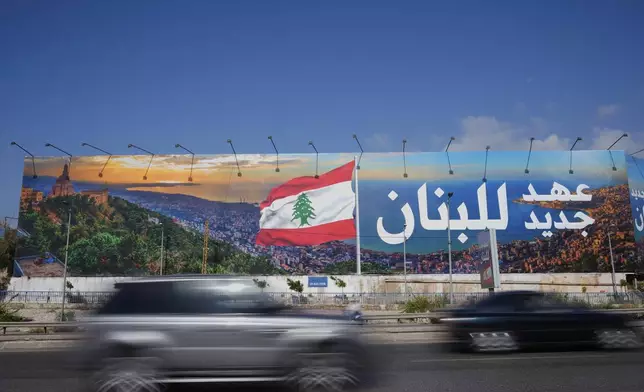
On the highway leading to the Beirut airport, once-ubiquitous banners touting Hezbollah’s leadership have been replaced with commercial billboards and posters that read “a new era for Lebanon.” In the center of Beirut, and especially in neighborhoods that hope to attract tourists, political posters are coming down, and police and army patrols are on the rise.

There are signs of thawing relations with some Gulf neighbors. The United Arab Emirates and Kuwait have lifted yearslong travel bans.

All eyes are now on Saudi Arabia, a regional political and economic powerhouse, to see if it will follow suit, according to Lahoud and other Lebanese officials. A key sticking point is security, these officials say. Although a ceasefire with Israel has been in place since November, near-daily airstrikes have continued in southern and eastern Lebanon, where Hezbollah over the years had built its political base and powerful military arsenal.

As vital as tourism is — it accounted for almost 20% of Lebanon's economy before it tanked in 2019 — the country's leaders say it is just one piece of a larger puzzle they are trying to put back together.

Lebanon’s agricultural and industrial sectors are in shambles, suffering a major blow in 2021, when Saudi Arabia banned their exports after accusing Hezbollah of smuggling drugs into Riyadh. Years of economic dysfunction have left the country's once-thriving middle class in a state of desperation.

The World Bank says poverty nearly tripled in Lebanon over the past decade, affecting close to half its population of nearly 6 million. To make matters worse, inflation is soaring, with the Lebanese pound losing 90% of its value, and many families lost their savings when banks collapsed.

Tourism is seen by Lebanon's leaders as the best way to kickstart the reconciliation needed with Gulf countries -- and only then can they move on to exports and other economic growth opportunities.

“It’s the thing that makes most sense, because that’s all Lebanon can sell now,” said Sami Zoughaib, research manager at The Policy Initiative, a Beirut-based think tank.

With summer still weeks away, flights to Lebanon are already packed with expats and locals from countries that overturned their travel bans, and hotels say bookings have been brisk.

At the event hosted last month by the tourism ministry, the owner of the St. Georges Hotel, Fady El-Khoury, beamed. The hotel, owned by his father in its heyday, has acutely felt Lebanon's ups and downs over the decades, closing and reopening multiple times because of wars. “I have a feeling that the country is coming back after 50 years,” he said.

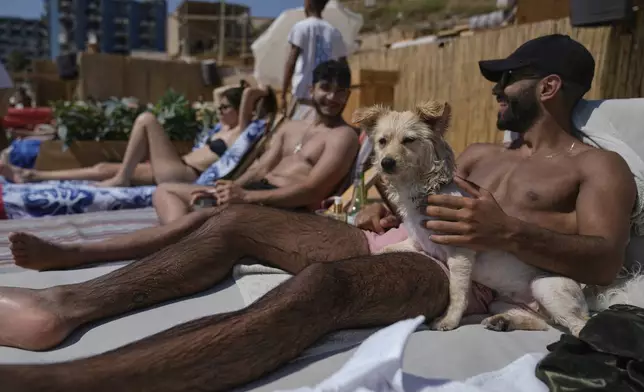
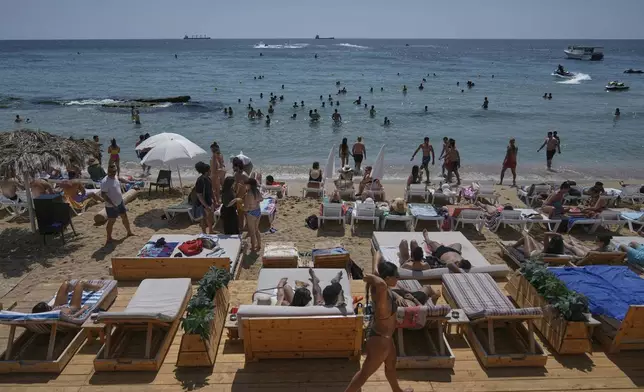
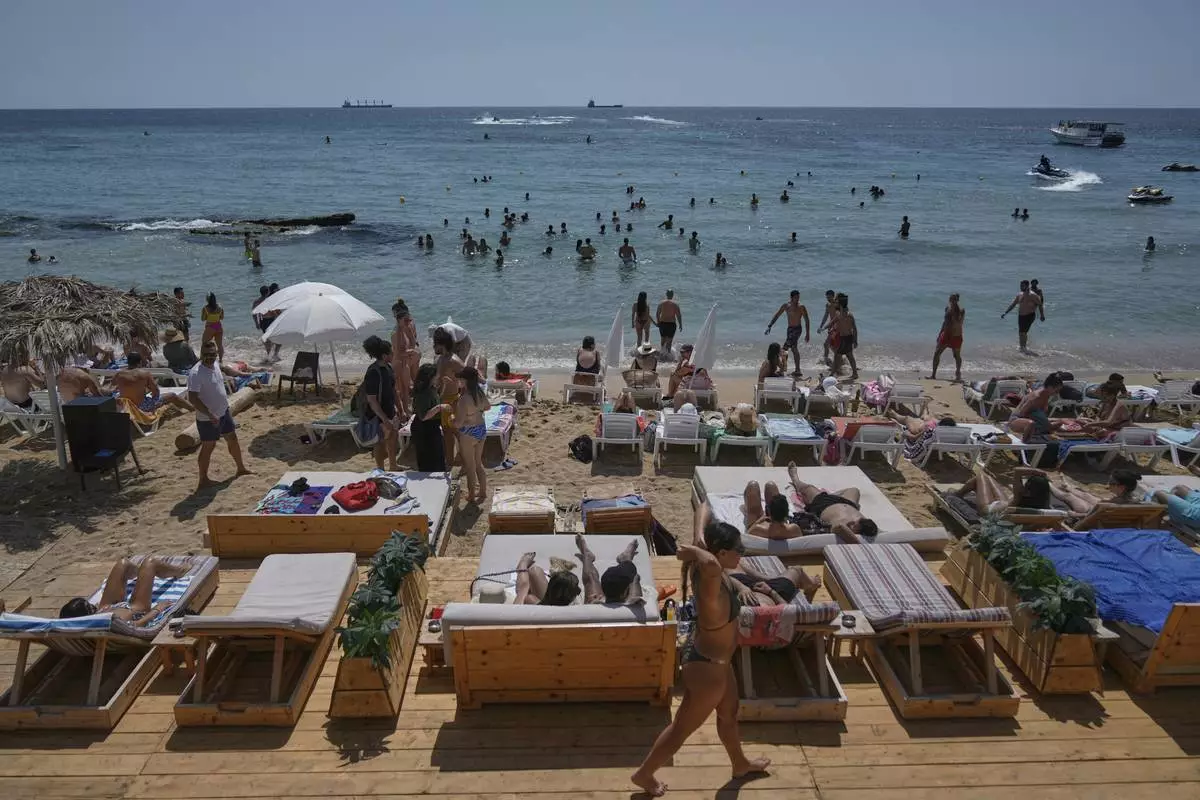
On a recent weekend, as people crammed the beaches of the northern city of Batroun, and jet skis whizzed along the Mediterranean, local business people sounded optimistic that the country was on the right path.

“We are happy, and everyone here is happy,” said Jad Nasr, co-owner of a private beach club. “After years of being boycotted by the Arabs and our brothers in the Gulf, we expect this year for us to always be full.”

Still, tourism is not a panacea for Lebanon's economy, which for decades has suffered from rampant corruption and waste.

Lebanon has been in talks with the International Monetary Fund for years over a recovery plan that would include billions in loans and require the country to combat corruption, restructure its banks, and bring improvements to a range of public services, including electricity and water.

Without those and other reforms, Lebanon's wealthy neighbors will lack confidence to invest there, experts said. A tourism boom alone would serve as a “morphine shot that would only temporarily ease the pain" rather than stop the deepening poverty in Lebanon, Zoughaib said.

The tourism minister, Lahoud, agreed, saying a long-term process has only just begun.

"But we’re talking about subjects we never talked about before,” she said. “And I think the whole country has realized that war doesn’t serve anyone, and that we really need our economy to be back and flourish again.”

Lebanese-Mexican singer Blu Fiefer performs at KED in Beirut, Lebanon, on May 31, 2025. (AP Photo/Bilal Hussein)

Lebanese-Mexican singer Blu Fiefer performs at KED in Beirut, Lebanon, on May 31, 2025. (AP Photo/Bilal Hussein)

People sunbathe on the beach along the Mediterranean Sea in Batroun, northern Lebanon, May 31, 2025. (AP Photo/Bilal Hussein)
People sunbathe on the beach along the Mediterranean Sea in Batroun, northern Lebanon, May 31, 2025. (AP Photo/Bilal Hussein)

Cars pass in front of a billboard that reads, in Arabic, "A new era for Lebanon," in Beirut, Lebanon, May 28, 2025. (AP Photo/Hussein Malla)

Cars pass in front of a billboard that reads, in Arabic, "A new era for Lebanon," in Beirut, Lebanon, May 28, 2025. (AP Photo/Hussein Malla)

Lebanese Tourism Minister Laura Khazen Lahoud speaks at an event launching the country's tourism season at the St. Georges Hotel in Beirut, Lebanon, May 25, 2025. (AP Photo/Hussein Malla)
Lebanese Tourism Minister Laura Khazen Lahoud speaks at an event launching the country's tourism season at the St. Georges Hotel in Beirut, Lebanon, May 25, 2025. (AP Photo/Hussein Malla)

People sunbathe on the beach along the Mediterranean Sea in Batroun, northern Lebanon, May 31, 2025. (AP Photo/Bilal Hussein)
People sunbathe on the beach along the Mediterranean Sea in Batroun, northern Lebanon, May 31, 2025. (AP Photo/Bilal Hussein)
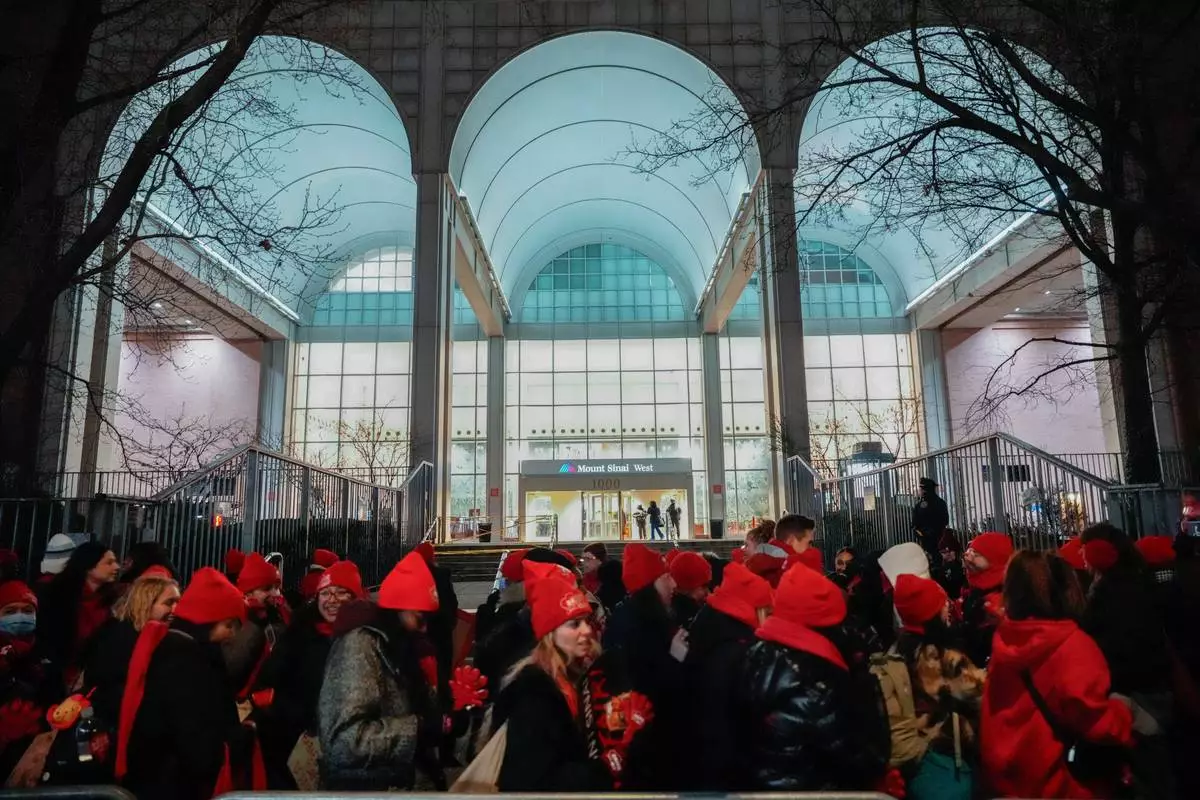
NEW YORK (AP) — Thousands of nurses in three hospital systems in New York City went on strike Monday after negotiations through the weekend failed to yield breakthroughs in their contract disputes.

The strike was taking place at The Mount Sinai Hospital and two of its satellite campuses, with picket lines forming. The other affected hospitals are NewYork-Presbyterian and Montefiore Medical Center in the Bronx.

About 15,000 nurses are involved in the strike, according to New York State Nurses Association.

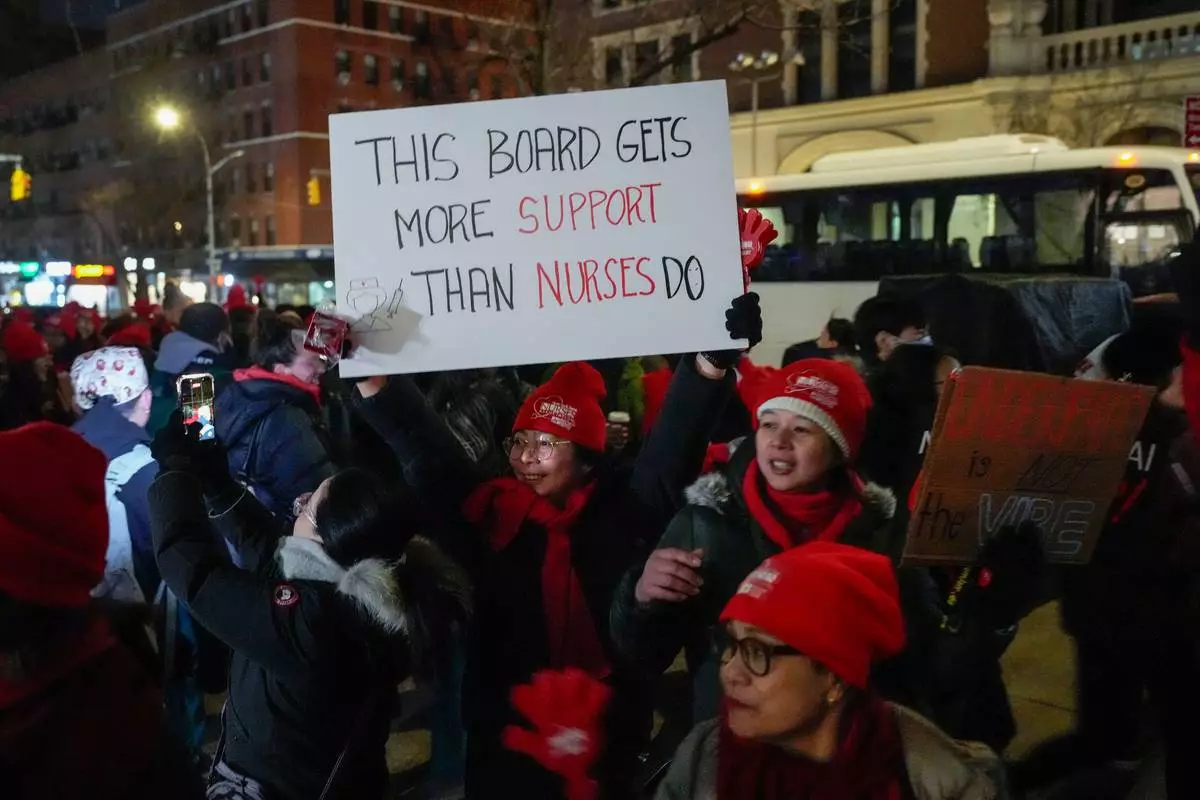
“After months of bargaining, management refused to make meaningful progress on core issues that nurses have been fighting for: safe staffing for patients, healthcare benefits for nurses, and workplace violence protections,” the union said in a statement issued Monday. “Management at the richest hospitals in New York City are threatening to discontinue or radically cut nurses’ health benefits.”

The strike, which comes during a severe flu season, could potentially force the hospitals to transfer patients, cancel procedures or divert ambulances. It could also put a strain on city hospitals not involved in the contract dispute, as patients avoid the medical centers hit by the strike.

The hospitals involved have been hiring temporary nurses to try and fill the labor gap during the walkout, and said in a statement during negotiations that they would “do whatever is necessary to minimize disruptions.” Montefiore posted a message assuring patients that appointments would be kept.

“NYSNA’s leaders continue to double down on their $3.6 billion in reckless demands, including nearly 40% wage increases, and their troubling proposals like demanding that a nurse not be terminated if found to be compromised by drugs or alcohol while on the job," Montefiore spokesperson Joe Solmonese said Monday after the strike had started. "We remain resolute in our commitment to providing safe and seamless care, regardless of how long the strike may last.”

New York-Presbyterian accused the union of staging a strike to “create disruption,” but said in a statement that it has taken steps to ensure patients receive the care they need.

"We’re ready to keep negotiating a fair and reasonable contract that reflects our respect for our nurses and the critical role they play, and also recognizes the challenging realities of today’s healthcare environment,” the statement said.

The work stoppage is occurring at multiple hospitals simultaneously, but each medical center is negotiating with the union independently. Several other hospitals across the city and in its suburbs reached deals in recent days to avert a possible strike.

The nurses’ demands vary by hospital, but the major issues include staffing levels and workplace safety. The union says hospitals have given nurses unmanageable workloads.

Nurses also want better security measures in the workplace, citing incidents like a an incident last week, when a man with a sharp object barricaded himself in a Brooklyn hospital room and was then killed by police.

The union also wants limitations on hospitals’ use of artificial intelligence.

The nonprofit hospitals involved in the negotiations say they’ve been working to improve staffing levels, but say the union’s demands overall are too costly.

Nurses voted to authorize the strike last month.

Both New York Gov. Kathy Hochul and Mayor Zohran Mamdani had expressed concern about the possibility of the strike. As the strike deadline neared, Mamdani urged both sides to keep negotiating and reach a deal that “both honors our nurses and keeps our hospitals open.”

“Our nurses kept this city alive through its hardest moments. Their value is not negotiable,” Mamdani said.

State Attorney General Letitia James voiced similar support, saying "nurses put their lives on the line every day to keep New Yorkers healthy. They should never be forced to choose between their own safety, their patients’ well-being, and a fair contract.”

The last major nursing strike in the city was only three years ago, in 2023. That work stoppage, at Mount Sinai and Montefiore, was short, lasting three days. It resulted in a deal raising pay 19% over three years at those hospitals.

It also led to promised staffing improvements, though the union and hospitals now disagree about how much progress has been made, or whether the hospitals are retreating from staffing guarantees.

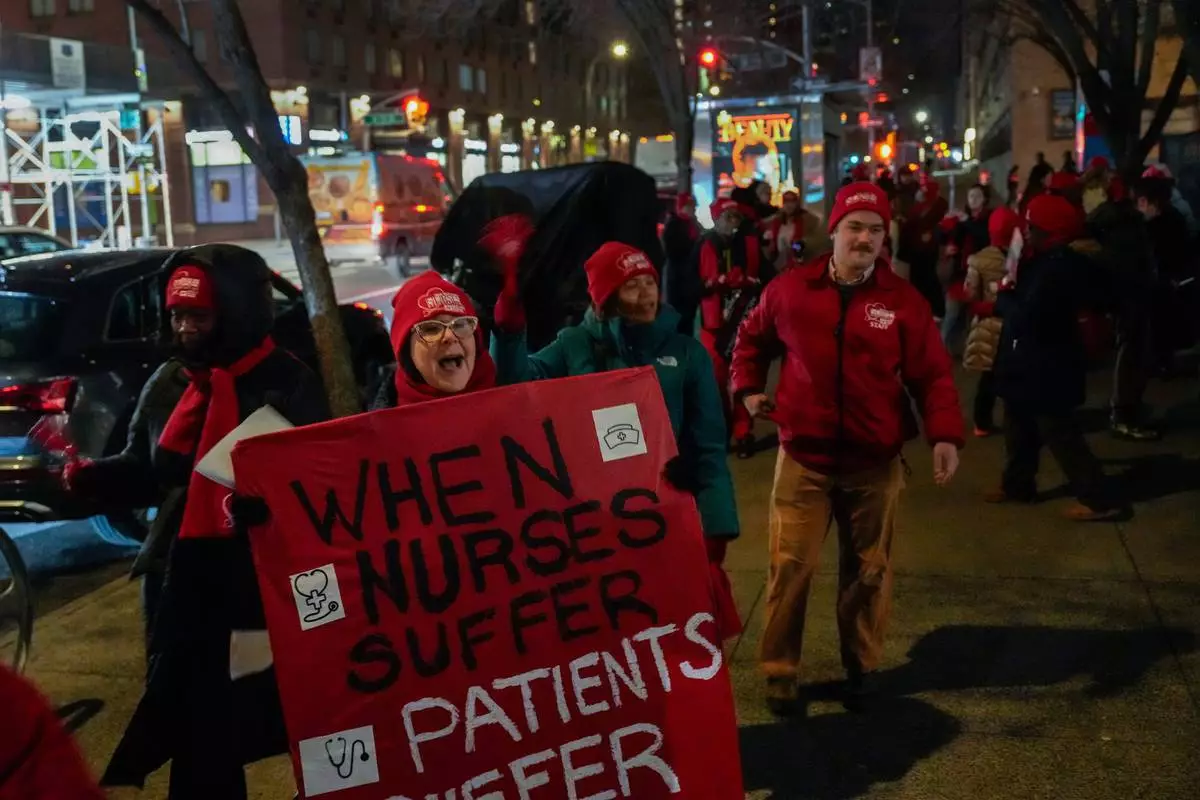
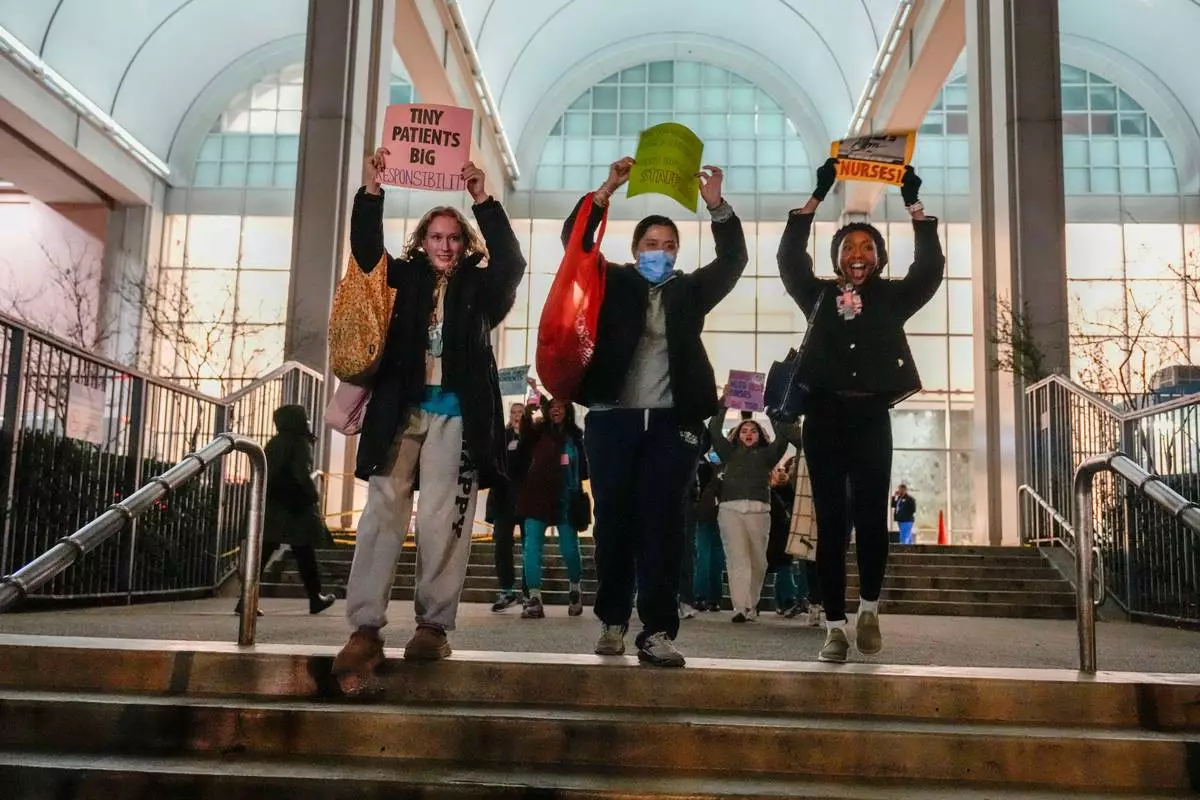
Nurses strike outside Mount Sinai West Hospital, Monday, Jan. 12, 2026, in New York. (AP Photo/Yuki Iwamura)

Nurses strike outside Mount Sinai West Hospital, Monday, Jan. 12, 2026, in New York. (AP Photo/Yuki Iwamura)

Nurses strike outside Mount Sinai West Hospital, Monday, Jan. 12, 2026, in New York. (AP Photo/Yuki Iwamura)

Nurses strike outside Mount Sinai West Hospital, Monday, Jan. 12, 2026, in New York. (AP Photo/Yuki Iwamura)

Nurses strike outside Mount Sinai West Hospital, Monday, Jan. 12, 2026, in New York. (AP Photo/Yuki Iwamura)

Nurses strike outside Mount Sinai West Hospital, Monday, Jan. 12, 2026, in New York. (AP Photo/Yuki Iwamura)

Nurses strike outside Mount Sinai West Hospital, Monday, Jan. 12, 2026, in New York. (AP Photo/Yuki Iwamura)

Nurses strike outside Mount Sinai West Hospital, Monday, Jan. 12, 2026, in New York. (AP Photo/Yuki Iwamura)

FILE - A medical worker transports a patient at Mount Sinai Hospital, April 1, 2020, in New York. (AP Photo/Mary Altaffer, File)

FILE - A medical worker transports a patient at Mount Sinai Hospital, April 1, 2020, in New York. (AP Photo/Mary Altaffer, File)

Recommended Articles