The top Taliban leader on Saturday slammed President Donald Trump's travel ban on Afghans, calling the United States an oppressor, as Afghanistan's rulers seek greater engagement with the international community.
The comments from Hibatullah Akhundzada marked the first public reaction from the Taliban since the Trump administration this week moved to bar citizens from 12 countries, including Afghanistan, from entering the U.S.
Click to Gallery
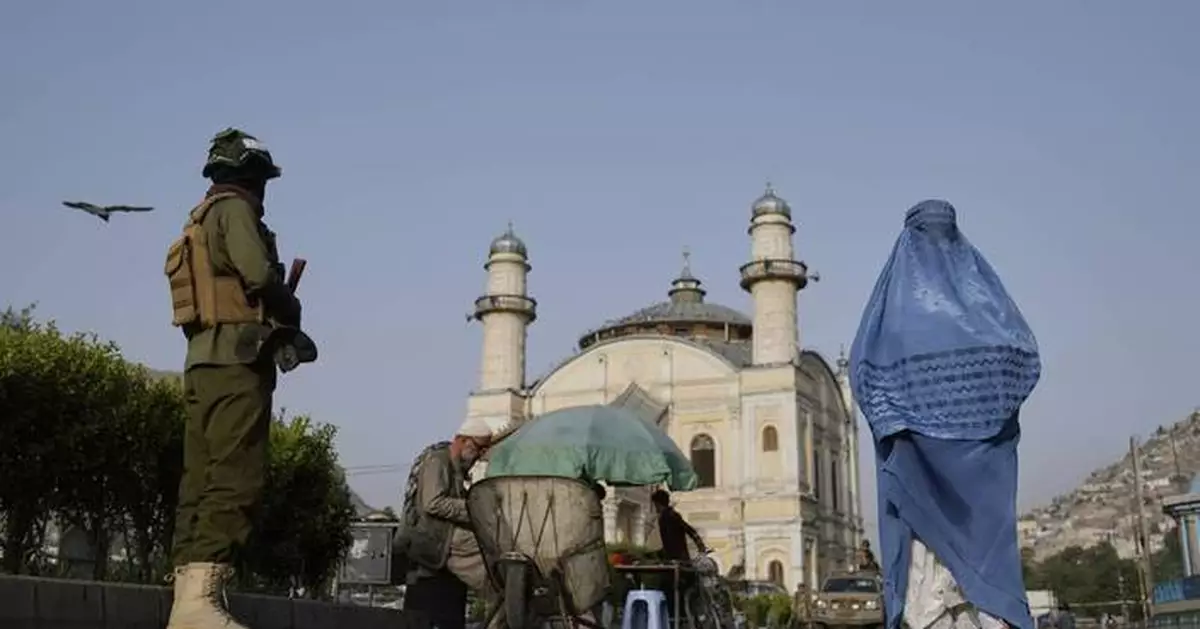
A Taliban fighter stands guard next to the Shah-Do Shamshira Mosque while people attend the Eid al-Adha prayer in Kabul, Afghanistan, Saturday, June 7, 2025. (AP Photo/Ebrahim Noroozi)
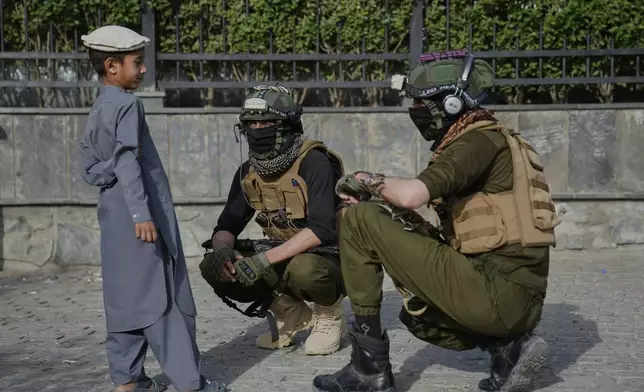
Taliban fighters speak with a boy during the Eid al-Adha prayers the Shah-Do Shamshira Mosque in Kabul, Afghanistan, Saturday, June 7, 2025. (AP Photo/Ebrahim Noroozi)
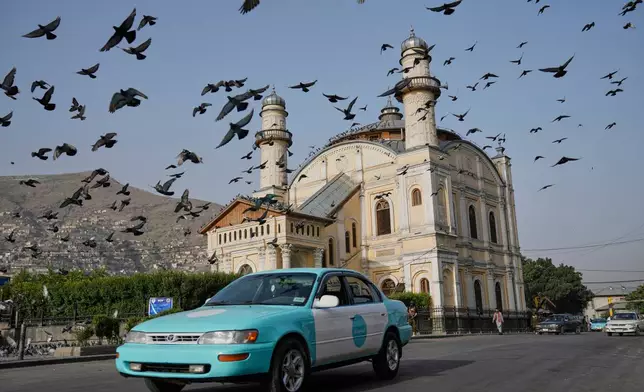
Pigeons fly outside the Shah-Do Shamshira Mosque during the Eid al-Adha prayer in Kabul, Afghanistan, Saturday, June 7, 2025. (AP Photo/Ebrahim Noroozi)
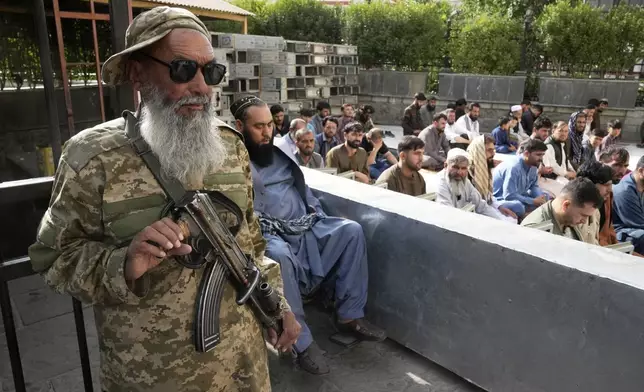
Afghan Muslims perform Eid al-Adha prayer while a Taliban fighter stands guard in the Shah-Do Shamshira Mosque in Kabul, Afghanistan, Saturday, June 7, 2025. (AP Photo/Ebrahim Noroozi)
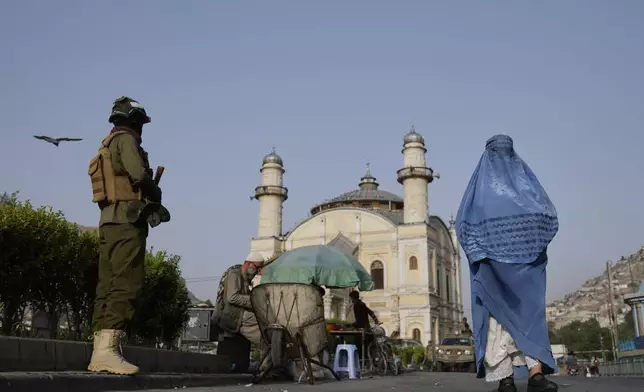
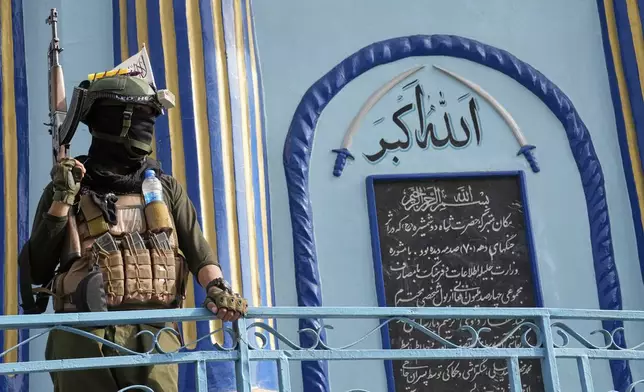
A Taliban fighter stands guard near the Shah-Do Shamshira Mosque as people attend the Eid al-Adha prayer in Kabul, Afghanistan, Saturday, June 7, 2025. (AP Photo/Ebrahim Noroozi)
Trump’s executive order largely applies to Afghans hoping to resettle in the U.S. permanently, as well as those hoping to go to America temporarily, including for university studies.
Since returning to power in Afghanistan in 2021, the Taliban have imposed harsh measures, banned women from public places and education for women and girls beyond the sixth grade. And though they have so far failed to gain recognition as the country's official government, the Taliban have diplomatic relations with several countries, including China and Russia.
Akhundzada released his message on the Islamic holiday of Eid al-Adha, also known as the “Feast of Sacrifice,” from the southern city of Kandahar, where he has set up base but is rarely seen in public.
In a 45-minute audio recording shared by Taliban spokesman Zabihullah Mujahid on X, Akhundzada denounced the Trump administration for imposing “restrictions on people.”
“Citizens from 12 countries are barred from entering their land — and Afghans are not allowed either," he said. "Why? Because they claim the Afghan government has no control over its people and that people are leaving the country. So, oppressor! Is this what you call friendship with humanity?”
He blamed the U.S. for the deaths of Palestinian women and children in Gaza, linking this allegation to the travel ban. "You are committing acts that are beyond tolerance,” he added.
The Trump administration says the measure is meant to protect U.S. citizens from "aliens who intend to commit terrorist attacks, threaten our national security, espouse hateful ideology, or otherwise exploit the immigration laws for malevolent purposes.”
It argues that Afghanistan lacks a competent central authority for issuing passports or civil documents and lacks appropriate screening and vetting measures. It also says Afghans who visit the U.S. have a high visa overstay rate.
Trump also suspended a core refugee program in January, all but ending support for Afghans who had allied with the U.S. and leaving tens of thousands of them stranded.
Also on Saturday, the Taliban prime minister said that all Afghans who fled the country after the collapse of the former Western-backed government are free to return home, promising they would be safe.
“Afghans who have left the country should return to their homeland,” Mohammad Hassan Akhund said. “Nobody will harm them.”
“Come back to your ancestral land and live in an atmosphere of peace,” the Taliban prime minister said in a message on X and instructed officials to ensure returning refugees were given shelter and support.
He also used the occasion to criticize the media for making what he said were “false judgements” about Afghanistan’s Taliban rulers and their policies.
“We must not allow the torch of the Islamic system to be extinguished,” he said. “The media should avoid false judgments and should not minimize the accomplishments of the system. While challenges exist, we must remain vigilant.”
The Taliban swept into the capital of Kabul and seized most of Afghanistan in a blitz in mid-August 2021 as the U.S. and NATO forces were in the last weeks of their pullout from the country after 20 years of war.
The offensive prompted a mass exodus, with tens of thousands of Afghans thronging the airport in chaotic scenes, hoping for a flight out on the U.S. military airlift. People also fled across the border, to neighboring Iran and Pakistan.
Among those escaping the new Taliban rulers were also former government officials, journalists, activists, those who had helped the U.S. during its campaign against the Taliban.
Separately, Afghans in neighboring Pakistan who are awaiting resettlement are also dealing with a deportation drive by the Islamabad government to get them out of the country. Almost a million have left Pakistan since October 2023 to avoid arrest and expulsion.
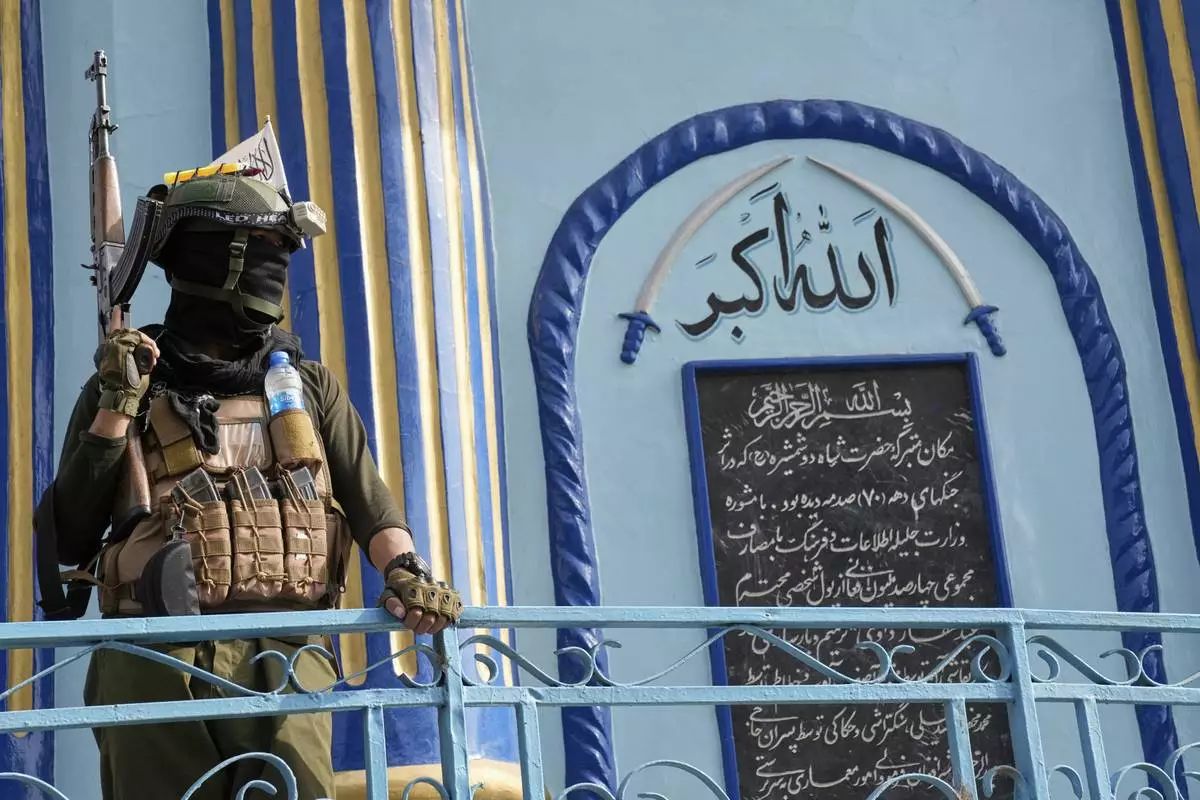
A Taliban fighter stands guard next to the Shah-Do Shamshira Mosque while people attend the Eid al-Adha prayer in Kabul, Afghanistan, Saturday, June 7, 2025. (AP Photo/Ebrahim Noroozi)
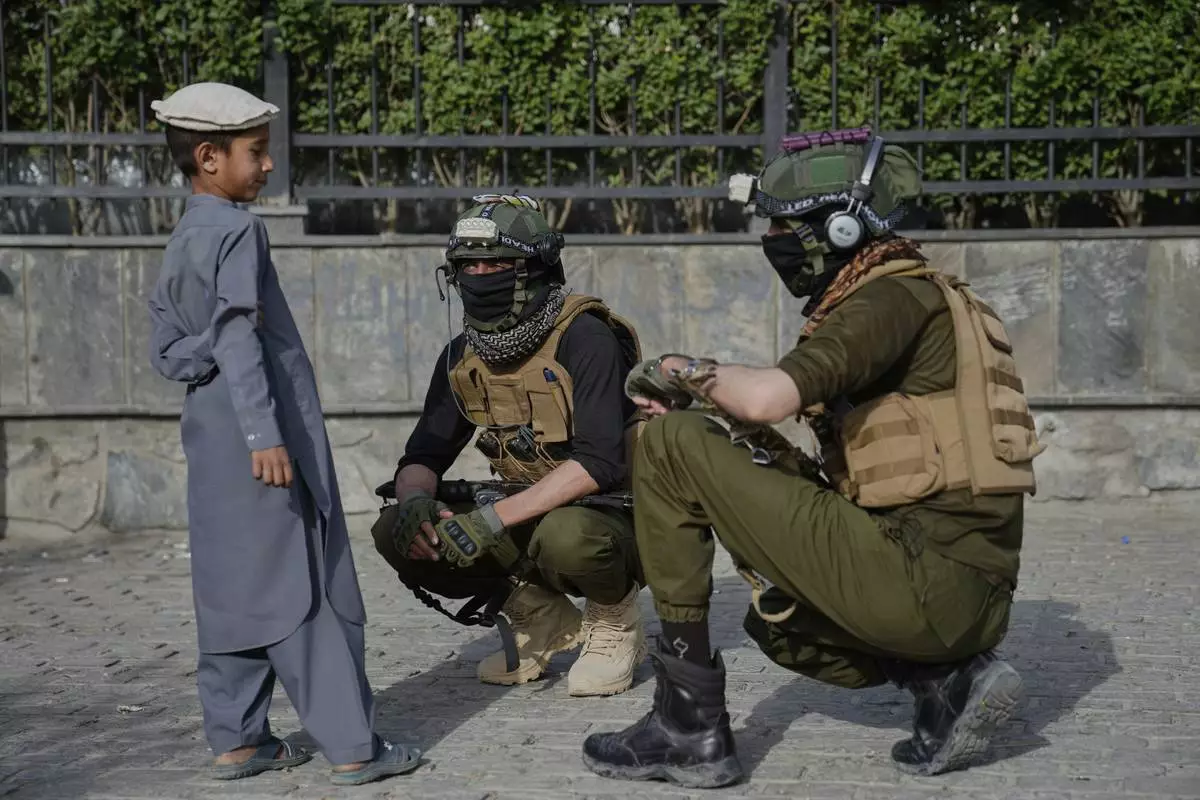
Taliban fighters speak with a boy during the Eid al-Adha prayers the Shah-Do Shamshira Mosque in Kabul, Afghanistan, Saturday, June 7, 2025. (AP Photo/Ebrahim Noroozi)
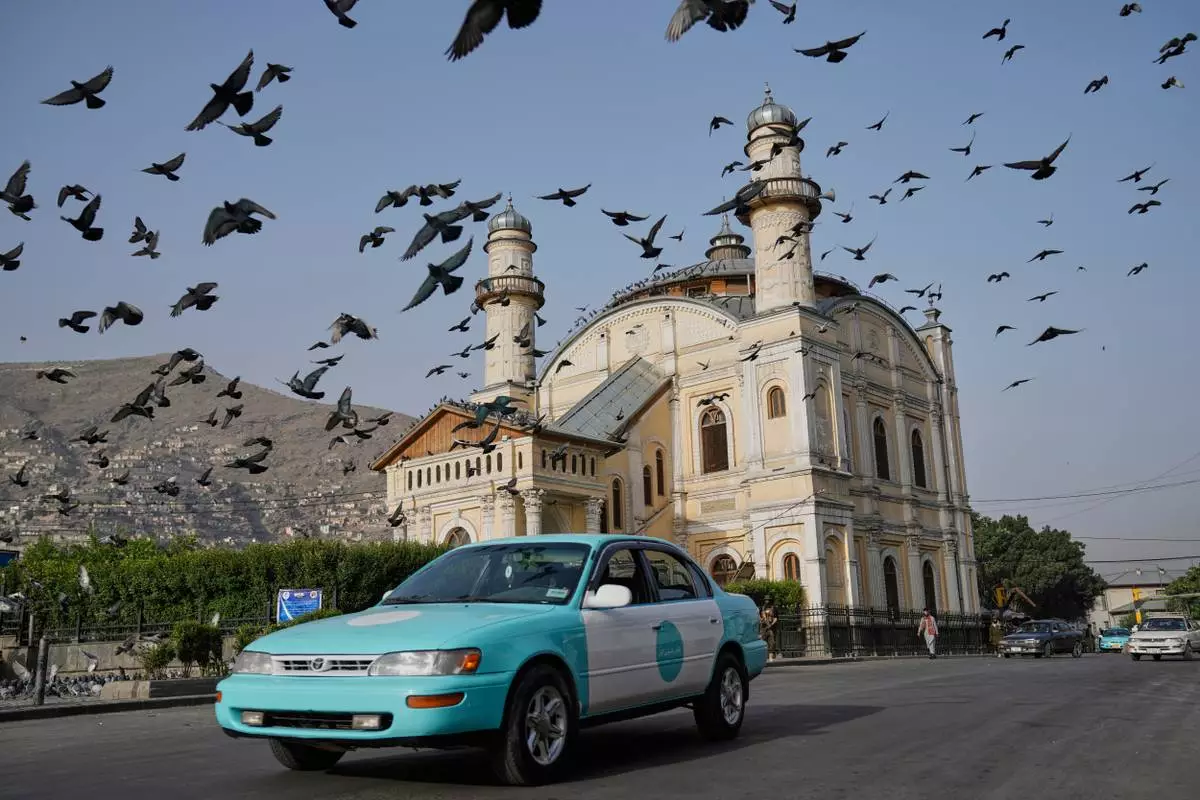
Pigeons fly outside the Shah-Do Shamshira Mosque during the Eid al-Adha prayer in Kabul, Afghanistan, Saturday, June 7, 2025. (AP Photo/Ebrahim Noroozi)
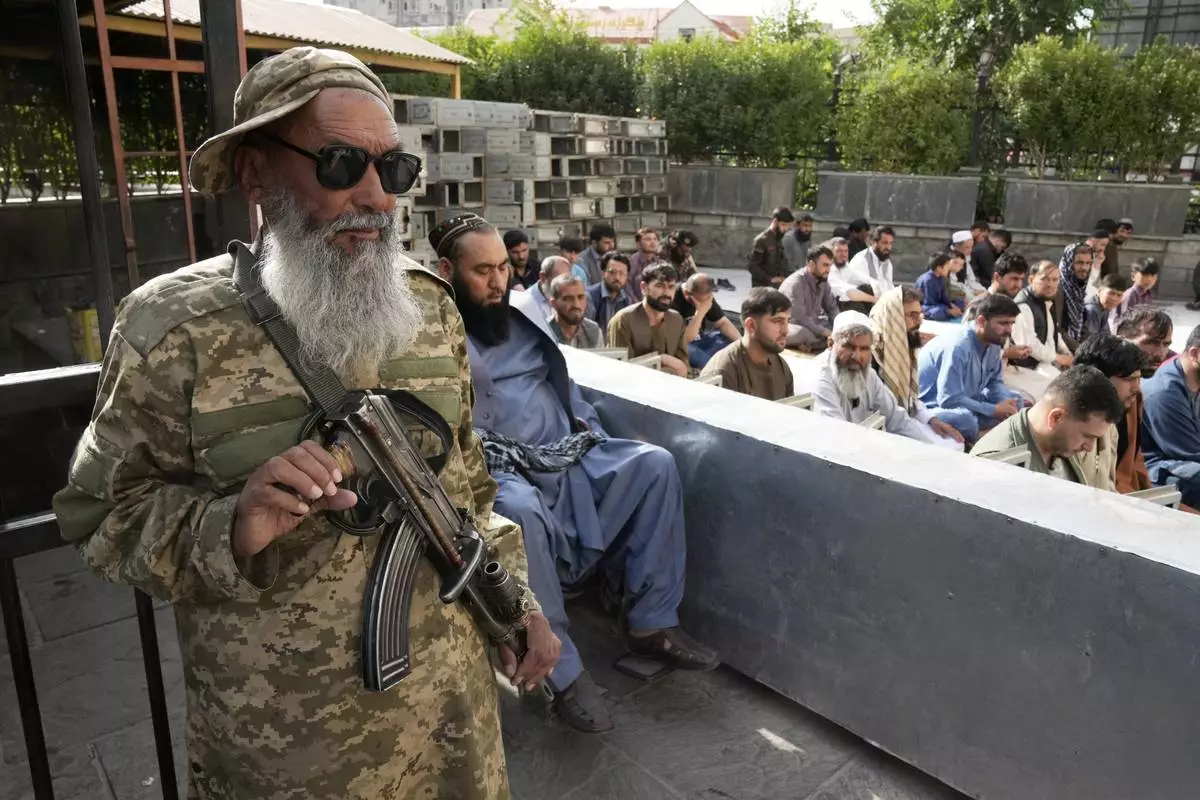
Afghan Muslims perform Eid al-Adha prayer while a Taliban fighter stands guard in the Shah-Do Shamshira Mosque in Kabul, Afghanistan, Saturday, June 7, 2025. (AP Photo/Ebrahim Noroozi)
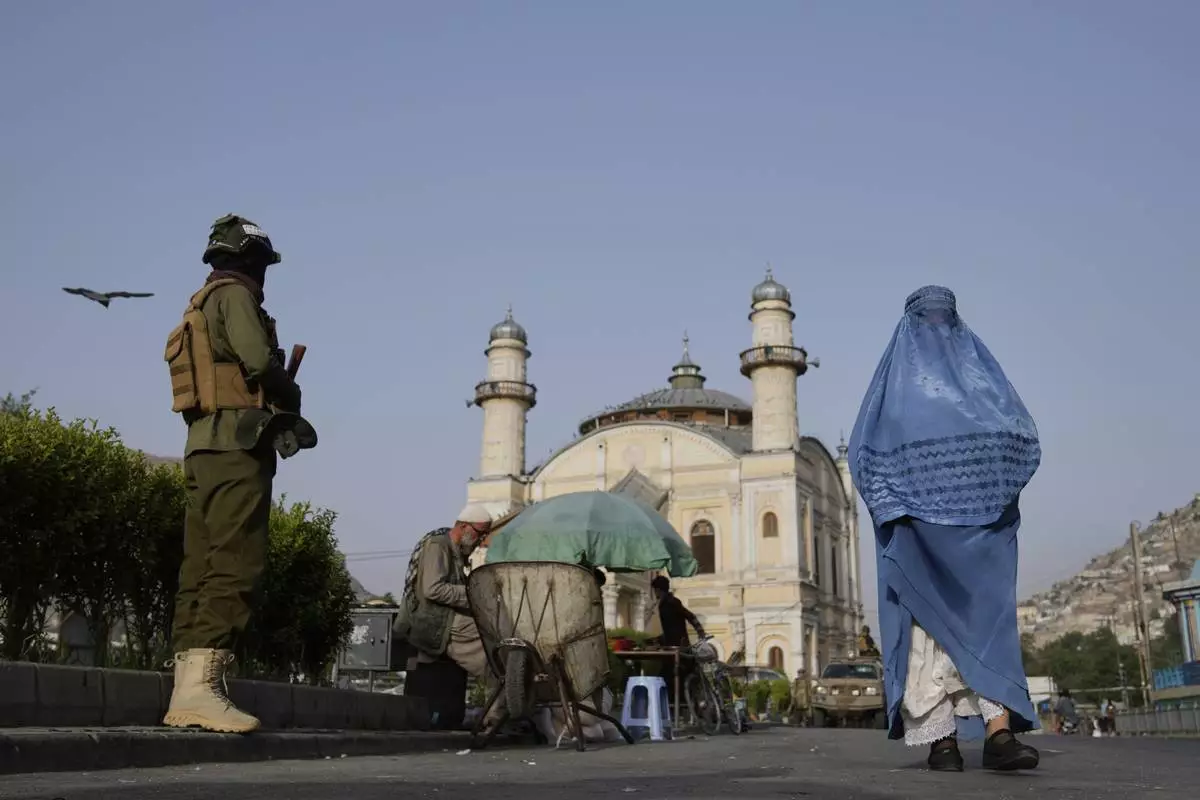
A Taliban fighter stands guard near the Shah-Do Shamshira Mosque as people attend the Eid al-Adha prayer in Kabul, Afghanistan, Saturday, June 7, 2025. (AP Photo/Ebrahim Noroozi)