Jobs at the Port of Los Angeles, the largest and busiest port in the United States, are down by half as U.S. President Donald Trump's tariff hikes cripple trade with Asia-Pacific, local media reported on Saturday.
The Los Angeles Times reports that the U.S. government's tariff policies have severely curbed shipments to America, leading to declining cargo volumes at the Ports of Los Angeles and Long Beach. As two of the nation's busiest trade gateways, these ports used to employ thousands of dockworkers, heavy equipment operators, and truck drivers. But now with global trade disrupted by U.S. tariffs, port operations have seen a sharp down slide.
Over the last 25 work shifts, only 733 jobs were available for 1,575 longshoremen looking for work, Los Angeles Times reported, citing Gene Seroka, executive director of the Port of Los Angeles, adding that the port processed 25 percent less cargo than forecast for May.
"They haven't been laid off, but they're not working nearly as much as they did previously," Seroka said. "Since the tariffs went into place, and in May specifically, we've really seen the work go off on the downside."
Seroka attributed the decrease in job opportunities to lower cargo volume moving through the port. He also pointed out that the June numbers are forecast to be lower than traditional levels.
The Port of Los Angeles has ranked as the largest container port in the United States each year since 2000. In California alone, nearly 1 million jobs are related to trade through the port.
The LA Times report said the decline in shipping has broader ripple effects on the logistics economy of Los Angeles.
A 2023 report found that the ports of Los Angeles and Long Beach contributed 21.8 billion U.S. dollars in direct revenue to local service providers, generating 2.7 billion U.S. dollars in state and local taxes and creating 165,462 jobs, directly and indirectly.
A decline of just 1 percent in cargo to the ports would wipe away 2,769 jobs and endanger as many as 4,000 others, the study found.
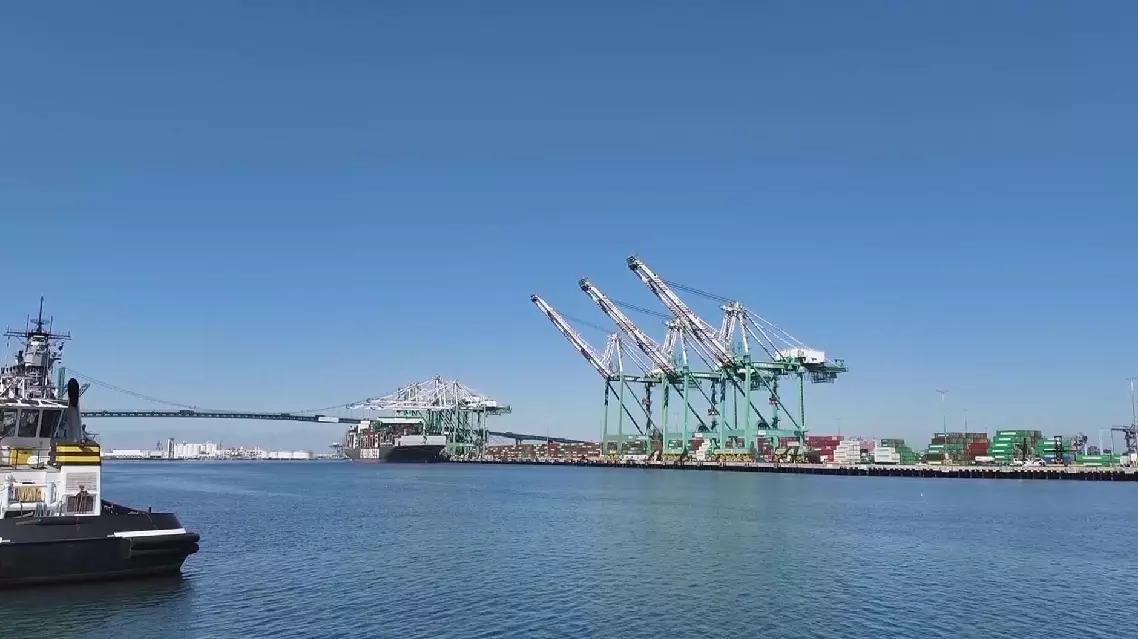
Tariff tensions reduce shipments, port jobs in Los Angeles
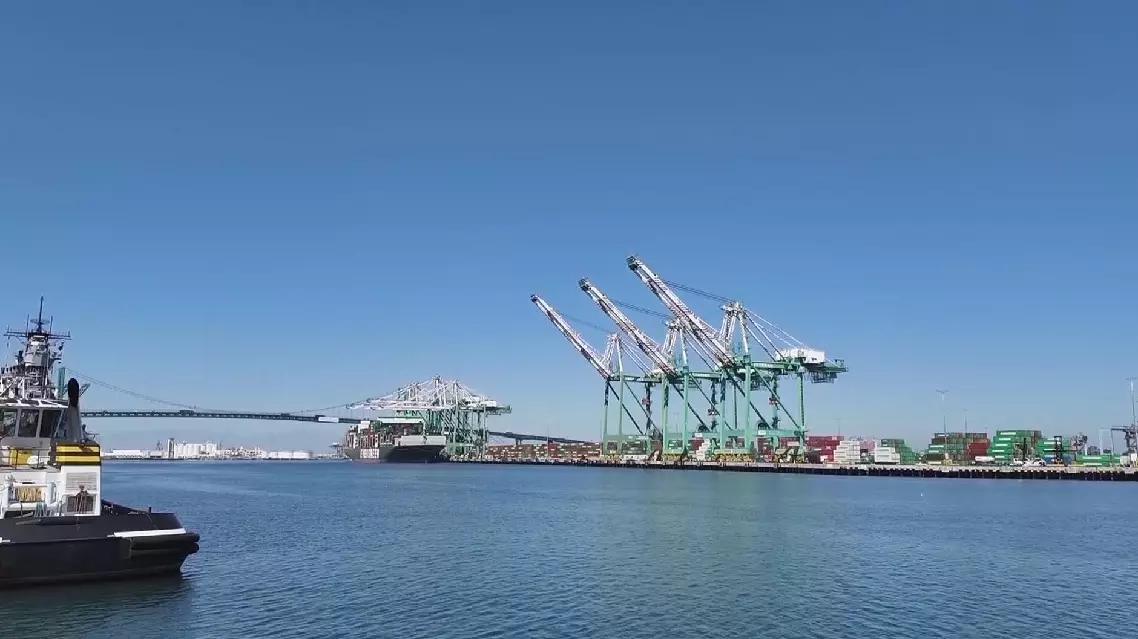
Tariff tensions reduce shipments, port jobs in Los Angeles
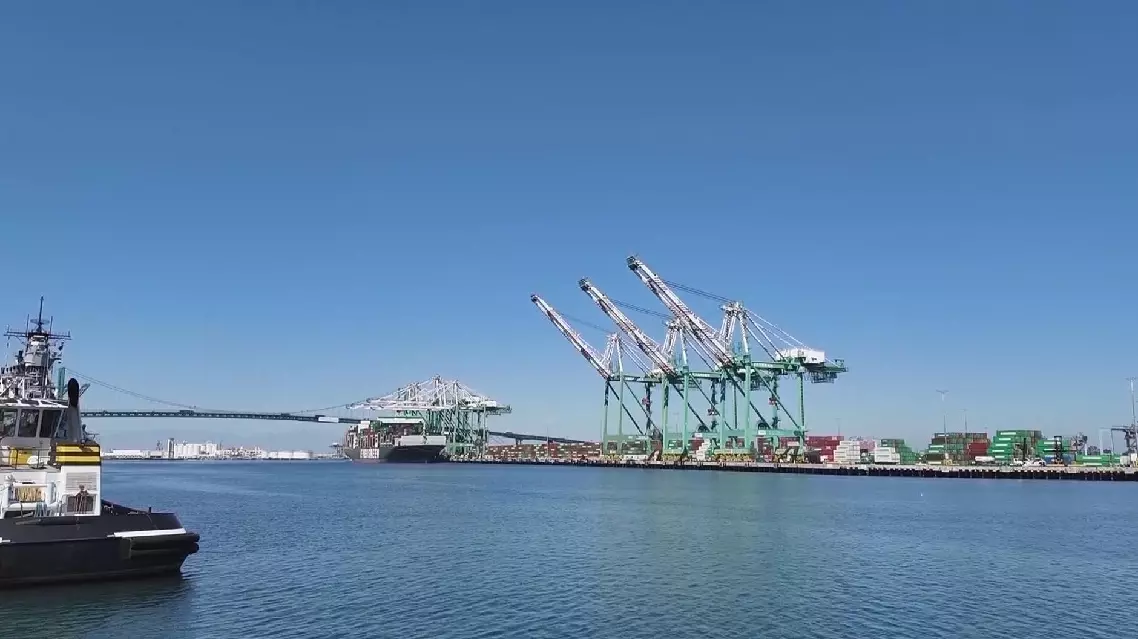
Tariff tensions reduce shipments, port jobs in Los Angeles
Iran's Ministry of Foreign Affairs on Wednesday strongly condemned recent U.S. military actions targeting civilian infrastructure across several Iranian provinces, labeling the attacks a flagrant violation of international law and a "war crime."
According to a statement released by the Ministry of Foreign Affairs on Wednesday, the U.S. attacked several civilian areas and service infrastructure on Tuesday night, including telecommunications towers and sites in the provinces of Khuzestan, Sistan and Baluchestan, Hormozgan, and Kerman.
The statement highlighted that an attack on a wedding celebration in Kuhestak, located in Sirik County, Hormozgan Province, left more than 70 people killed or wounded, the majority being women and children.
The ministry described these actions as a "flagrant violation of the fundamental principles of international law" and international humanitarian law.
In response to the aggression, the statement said that the Armed Forces of the Islamic Republic of Iran, pursuant to their inherent right of self-defense under the UN Charter, launched "defensive and devastating strikes against U.S. military bases that had served as the launching points for and provided support to the U.S. military aggression against Iran."
Iran urged countries in the region to deny American aggressors the use of their facilities, territory, and airspace to carry out acts of aggression, and urged the UN Security Council and the UN Secretary-General to fulfill their duties to prevent further escalation of the situation.
Iran's Foreign Ministry spokesman Esmaeil Baghaei explicitly labeled the strike on the wedding a "war crime."
"The truth of this unlawful war of choice - and the true face of the war crime - is in Sirik, where a wedding ceremony was brutally bombed as part of America's desperate struggle to conceal its failure, not in AI-generated videos portraying American officials as triumphant heroes," Baghaei wrote on social media X.
Speaker of the Iranian Parliament Mohammad Bagher Ghalibaf said on Wednesday that Iran would only take action to reopen the Strait of Hormuz after the U.S. fulfills its relevant commitments.
During a meeting with officials from the Palestinian Islamic Resistance Movement (Hamas), Ghalibaf noted that Iran does not rule out negotiations but views them as a tool of struggle.
He revealed that during discussions on the first article of a proposed Iran-U.S. memorandum of understanding, Iran demanded an end to the war against Iran and its "axis of resistance" allies. In contrast, the initial 15-point text proposed by the U.S. demanded that Iran completely halt its missile, nuclear, and "resistance" activities.
Ghalibaf emphasized that Iran and the "axis of resistance" will continue to oppose the United States and Israel.
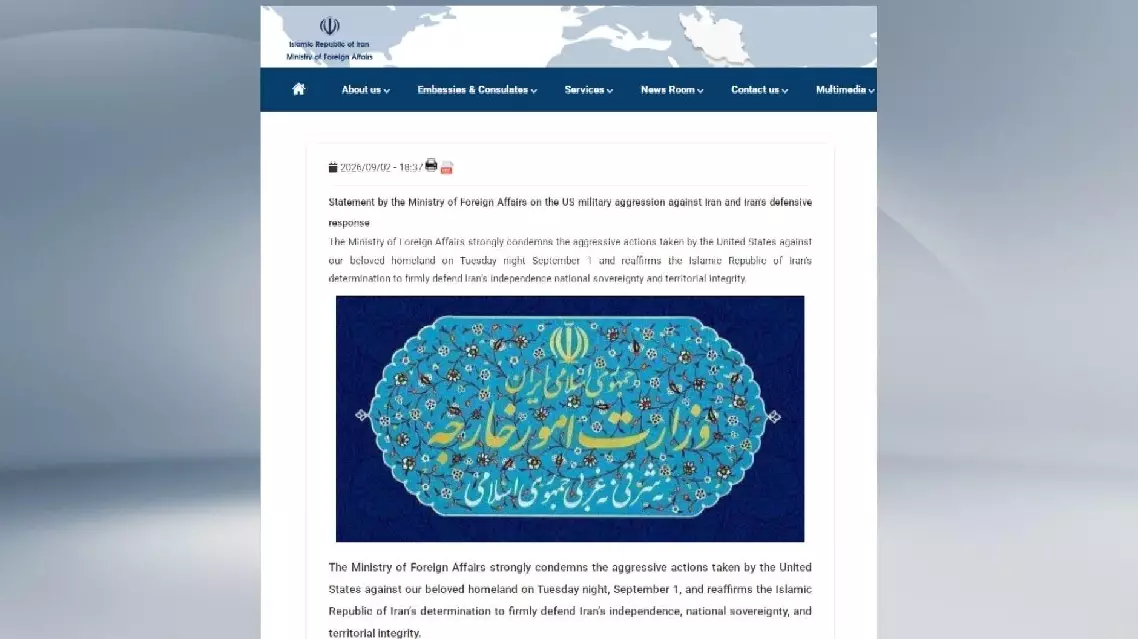
Iran condemns US strikes on civilian Infrastructure as "war crime", vows defensive response