China's college entrance exam system and higher education landscape have undergone significant reforms this year, aligning talent selection with the country's vision of becoming a global education leader.
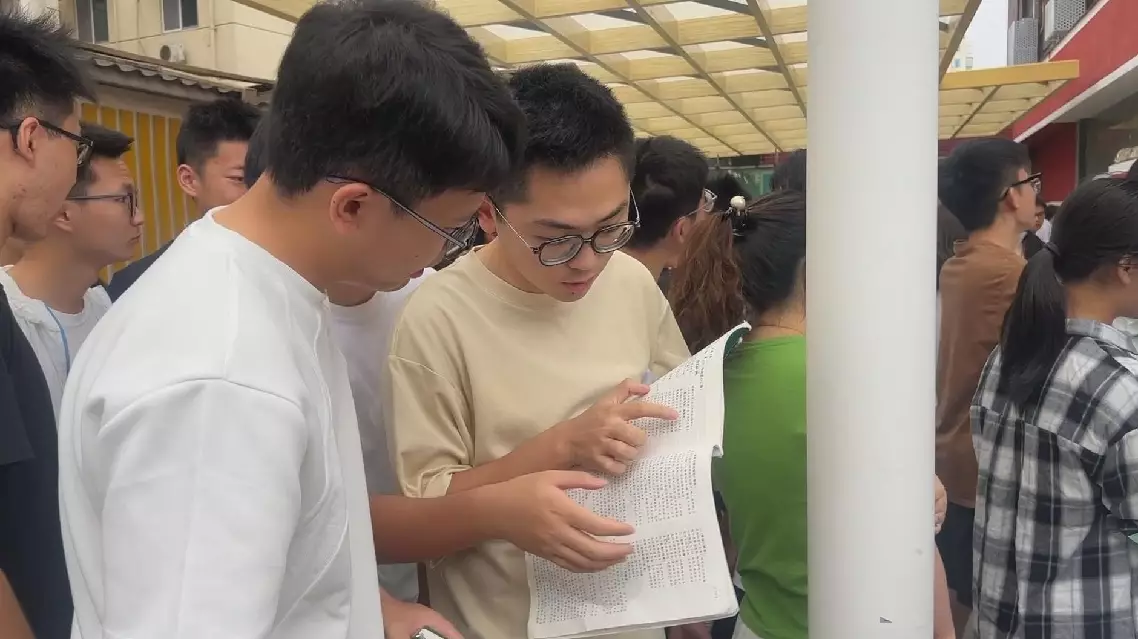
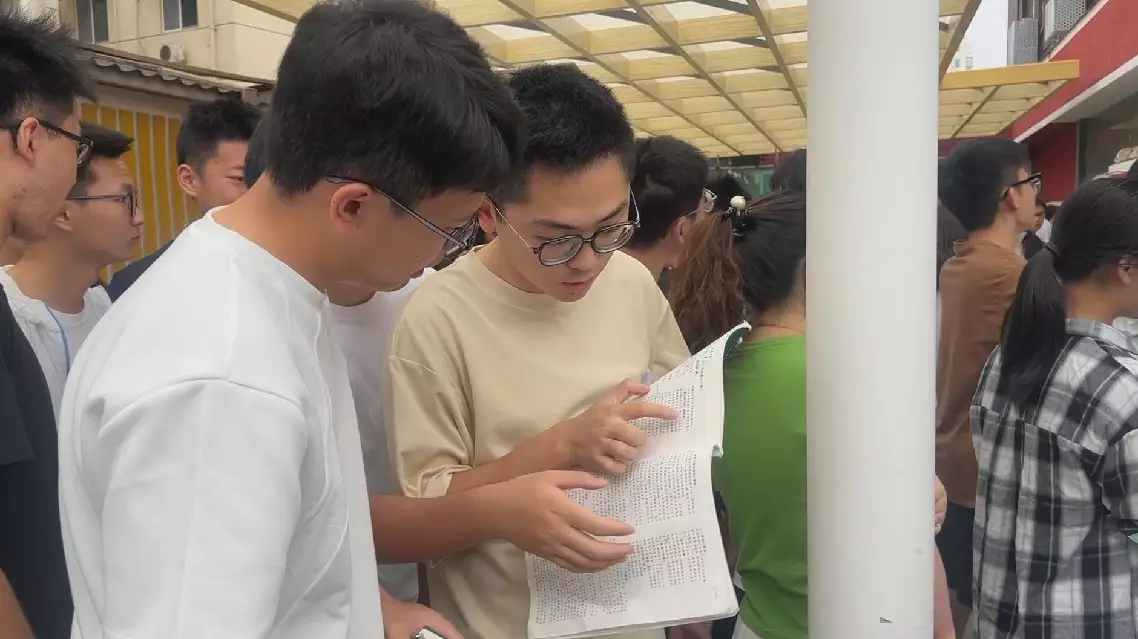
At a test site in Chengdu, Sichuan Province, students arrived at the exam hall with support from their parents and teachers, a scene mirrored across eight provincial-level regions newly adopting the reformed exam system this year.
The updated model focuses on three core subjects, Chinese, math, and English, alongside one primary elective, either physics or history, and two additional options selected from chemistry, geography, political science, and biology.
Parents have praised the changes for offering greater flexibility and fostering personal interests and individuality in students.
"My son chose the science track and wants to major in math -- he's hoping to do research in that field in the future. We fully support him. He's also really interested in fields like computer science, AI and robotics," said Wu Changzheng, a parent.
In 2025, the Chinese Ministry of Education introduced 29 new undergraduate majors, covering key areas such as artificial intelligence, carbon neutrality, and digital governance. Meanwhile, top-tier universities, including Tsinghua University and Peking University, announced increased undergraduate enrollment quotas, focusing mainly on basic disciplines and strategic frontier fields.
"The new college entrance exam really focuses on skills that cross different subjects and on students' overall abilities. This is to pick out the kind of tech and innovation talents that the country needs for future development, especially in key areas where we face tough challenges," said Sun Zhongzhi, executive principal of the high School Division of Chengdu's UESTC Experimental School.
Driven by exam reform, students now have the privilege of having more diverse and flexible pathways to higher education. These changes not only meet the nation's evolving talent needs, but also lay a stronger foundation for China's future in education and innovation.
China's college entrance exam reforms foster diverse talents for national growth
China's college entrance exam reforms foster diverse talents for national growth