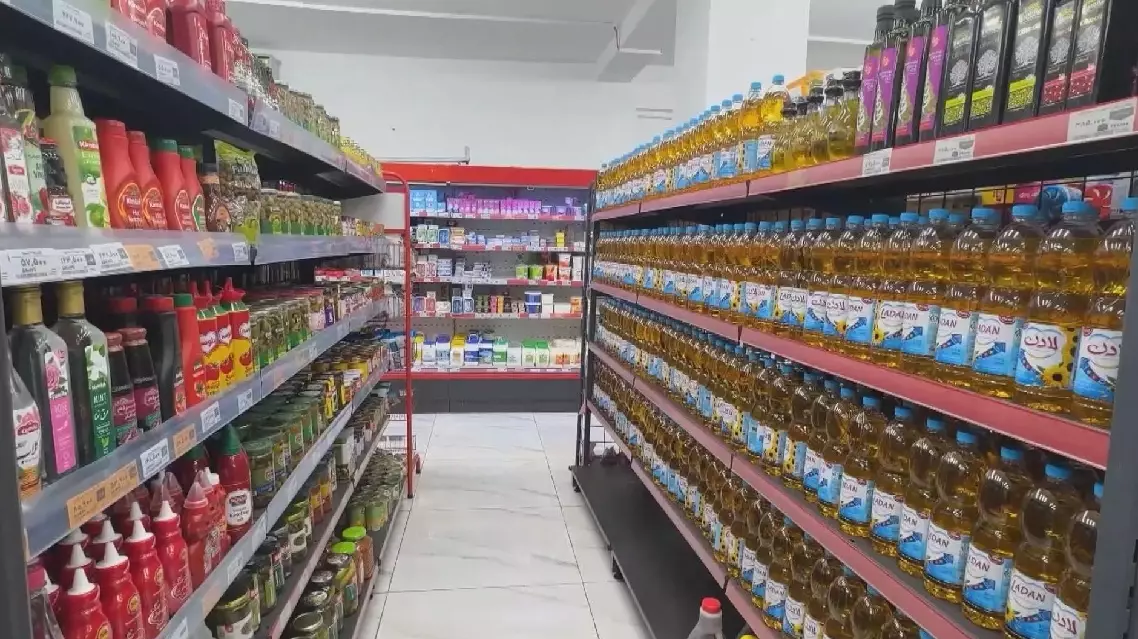
ASEAN has remained China's largest trading partner for agricultural products for eight years, according to the General Administration of Customs.
Agricultural industrial chain cooperation between China and ASEAN has benefited traders of both sides and led to business prosperity.
In the first quarter of this year, China imported agricultural products worth 52.65 billion yuan from ASEAN countries, up 13.8 percent year on year, while exporting 37.92 billion yuan worth of agricultural products to ASEAN countries, up 1.4 percent, according to customs statistics. The high-level trade of fruits, vegetables, aquatic products and edible bird's nest (EBN) have brought opportunities for businesspeople of both sides.
Luo Yining, an EBN importer in east China's Xiamen Area of Fujian Pilot Free Trade Zone, said he is handling hundreds of tons of EBN every year.
"This EBN industrial park has gathered nearly 100 EBN companies, covering all links of the industrial chain including trade procurement, processing, warehousing and marketing. Our annual EBN processing capacity is up to 650 tons," he said.
Edible bird's nest, primarily produced in Southeast Asian countries like Indonesia, Malaysia, and Thailand, is a delicacy and a popular health supplement in China.
China is the world's largest consumer market for the EBN. About 90 percent of the world's EBN are sold to China, and Xiamen accounts for 70 percent of China's total import of EBN.
To meet the demand of Chinese consumers, China has also granted import permits to the qualified EBN from Vietnam and Cambodia this year.
Cai Yisong, an officer of Xiamen Customs, said the framework of the RCEP (Regional Comprehensive Economic Partnership) has facilitated China's import of EBN from the ASEAN countries.
"Chinese processing companies can directly import raw EBN, which reduces the cost of intermediate links. Within the RCEP framework, the trade tariff for EBN has dropped to zero between China and ASEAN, which greatly lowers the transportation cost and improves the customs clearance efficiency. That could ultimately reduce the prices at the end consumer market, allowing high-quality EBN to reach more households at more affordable prices," he said.
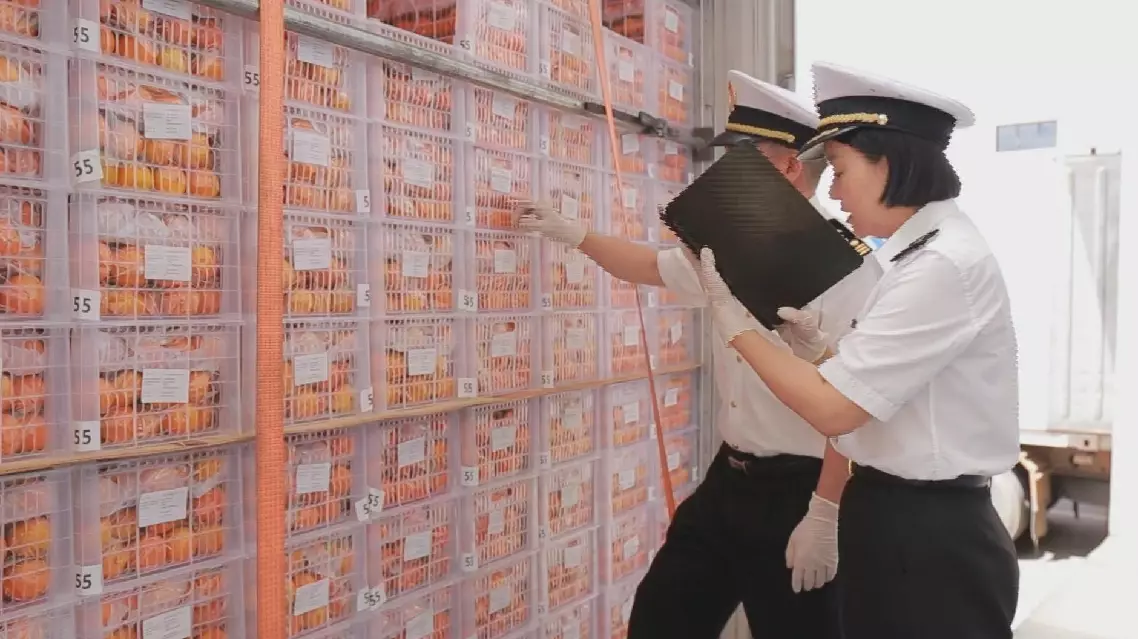
In Dali Bai Autonomous Prefecture of southwest China's Yunnan Province, many Chinese traders are exporting fruits such as citrus and grapes to Vietnam and other Southeast Asian countries.
In the first five months of this year, Dali exported 60,000 tons of fresh fruits worth 440 million yuan to ASEAN, an increase of 248.8 percent and 194.6 percent year on year, respectively.
"The citrus to Vietnam we deliver this morning could get there the following dawn. This year, we have exported more than 600 tons of citrus to Vietnam, and the orders to us have doubled," said Yang Xiaoxing, manager of a local fruit trade company.
Zhao Yanmei, an officer of Kunming Customs, said demands for agricultural products from consumers in China and ASEAN countries are complementary, which promotes the growth of bilateral trade.
"The fruits' varieties and harvest seasons in Yunnan and ASEAN countries are complementary, which promotes the export growth of Yunnan's specialty fruits. Grapes, citrus, apples, fresh dates in Dali, say, have been exported to Thailand, Vietnam, Singapore and other ASEAN countries," she said.
ASEAN remains China's largest agricultural trade partner for 8 years