Brazilian soprano Marilia Vargas, captivated by Chinese culture, continues to deepen her connection through Mandarin performances and a love for traditional music and tea.
Vargas said that her affection towards China started in 2004 as she and her husband visited China for the first time. They immediately fell in love with the country, its culture, its art, and, of course, its tea. Since then, Vargas continued to visit China annually until 2019.
2014 marked the 40th anniversary of the establishment of diplomatic relations between China and Brazil.
Vargas came to Chongqing Normal University as a visiting scholar in southwest China.
"Everyone there treated me with exceptional care, from the students attending the lectures to the instructors. They provided me with tremendous support, making me feel incredibly welcome. Sometimes, they would even argue over who would treat me to meals, constantly discussing who would take me where, making sure to show every inch of beauty in Chongqing," said Vargas.
In Vargas' study, the walls are adorned with Chinese elements, including embroidery and Peking Opera masks.
For Vargas, these were not merely objects but rather emotional touchstones. According to her, many of the items, including paintings and embroideries, are gifts from Chinese professors and colleagues.
In addition to her role as an university music professor, Vargas also founded a Chinese folk music ensemble with several friends. They frequently perform for Brazilian audiences and have released a music album. Their aim is to use music to share the beauty of Chinese culture with a wider audience.
Beyond music, Chinese tea is also an integral part of Vargas's daily life. She believes that tea culture and music share a commonality - they both possess the power to bring people together.
"From a young age, I've been a tea enthusiast, though my early experiences were limited to tea bags. A pivotal moment occurred during a trip to Shanghai. While exploring the local tea market alone, I decided to go into a shop. The staff warmly welcomed me, asking if I'd like to join them for tea. When they offered me a cup, I was deeply moved, and tears welled up," she said.
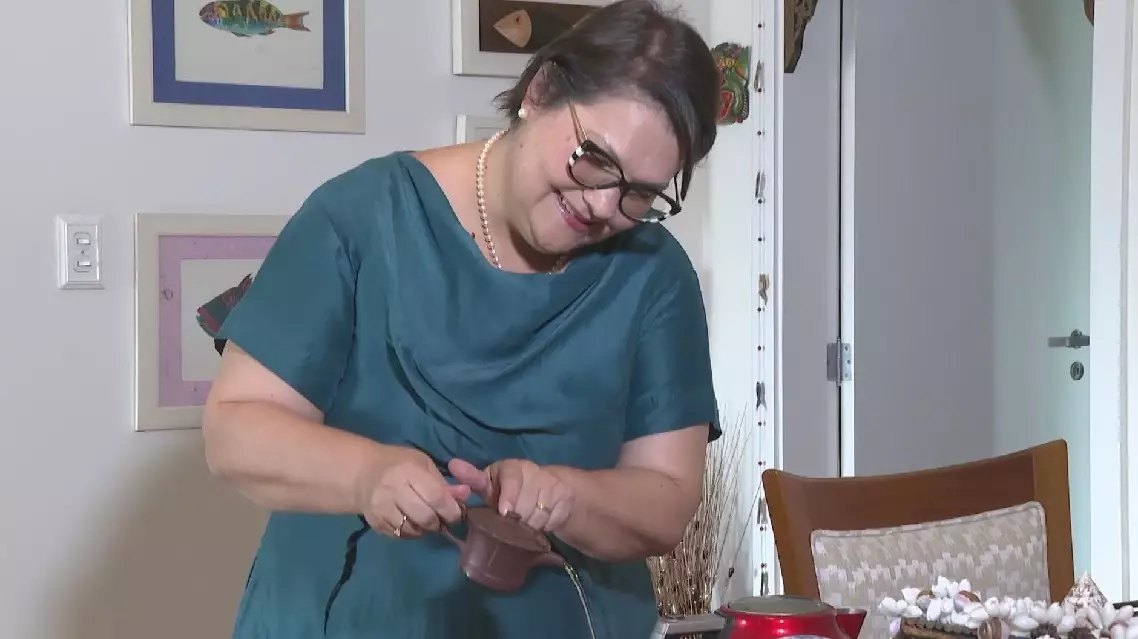
Brazilian soprano deepens bond with Chinese culture through music, tea
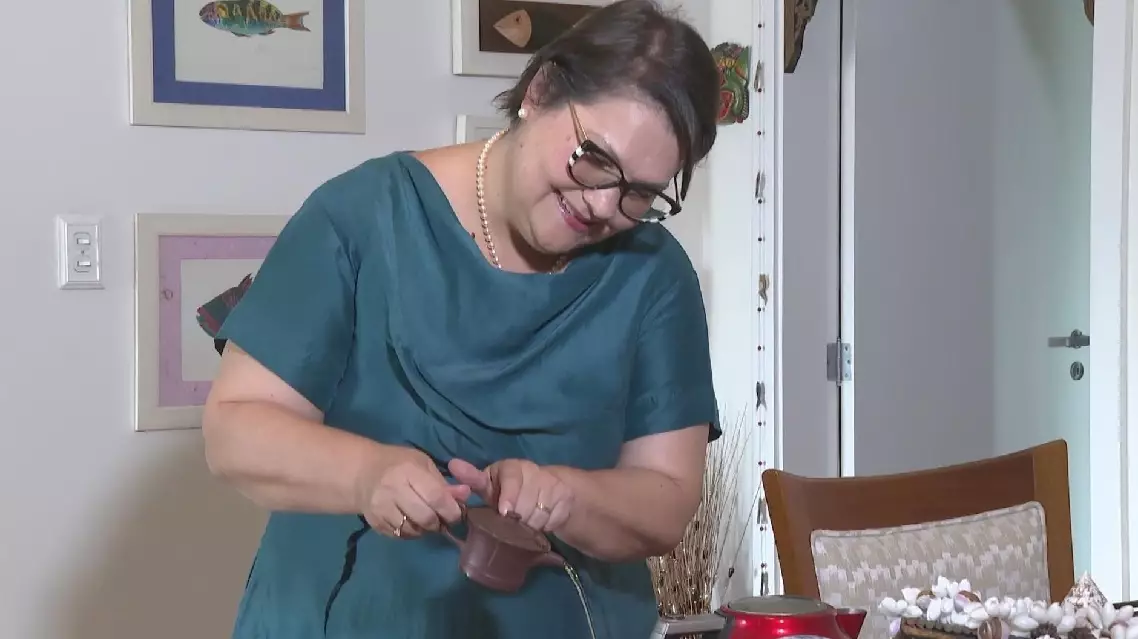
Brazilian soprano deepens bond with Chinese culture through music, tea
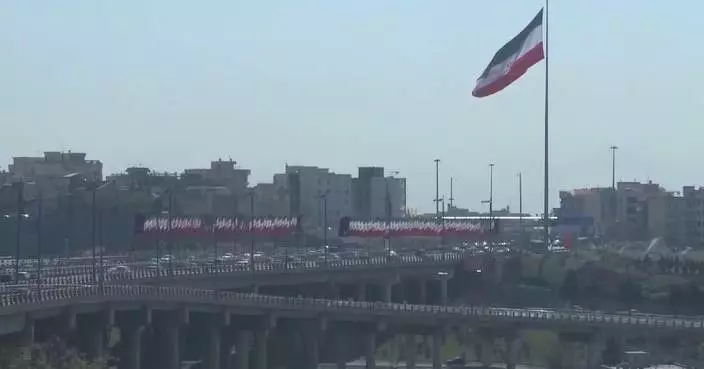
The Iranian government is focusing on public concerns and maintaining stable supplies of essential goods amid recent protests, Iranian President Masoud Pezeshkian said in a televised interview on Sunday.
In the city of Karaj, northwest of the capital Tehran, daily life has largely continued as normal. A video filmed by a local resident on Sunday shows food stores open and grocery shelves fully stocked.
"This is the block near my home, and there are some food stores here. Daily life continues here. Last night we did not see many protests in Karaj. Right now the city is very safe. This is a grocery store close to my home. All the food is available; nothing is in shortage. Here are noodles and different types of beans. Here are dairy products, cheese, and yogurt. I also checked other grocery stores and didn't see any shortages. Everything is available," said local resident Ali Reza.
Iranian officials have described recent disturbances as acts orchestrated by the "enemy," including some carried out by well-trained and armed "terrorists." The incidents have caused casualties among security personnel and civilians, as well as property damage.
The Secretary of Iran's Supreme National Security Council Ali Larijani has directed authorities to severely punish the "terrorists."
Meanwhile, Iran's police chief Ahmad-Reza Radan said on Sunday that the police had raised alert levels and arrested several leaders of the troublemakers during the operations on Saturday.
President Pezeshkian noted in the interview that the normal demands of the Iranian people are reasonable and justified, but they must realize that triggering riots and carrying out terrorist acts are the enemy's attempts to undermine the country. He urged the public to remain vigilant.
Also on Sunday, Iranian Parliament Speaker Mohammad Baqer Qalibaf warned that Tehran would regard U.S. and Israeli bases and facilities in the Middle East as "legitimate targets" if Washington takes military action against Iran. His remarks followed media reports saying U.S. President Donald Trump is "seriously considering authorizing a strike" against Iran.
Iranian state media reported that at least 109 members of Iran's security forces have been killed in clashes since the protests began 14 days ago. Meanwhile, human rights groups based outside the country said the number of protesters killed has exceeded 200, though the figure could not be independently verified.
The protests initially erupted over a sharp depreciation of the rial and sweeping subsidy reforms. Iranian authorities have blamed the unrest on foreign-linked agents and sanctions imposed by the United States.

Iranian president says government focusing on ensuring supplies amid protests