OKLAHOMA CITY (AP) — Oklahoma prosecutors will pursue a murder charge, but not the death penalty, against longtime death row inmate Richard Glossip for his role in the 1997 killing of his former boss, Attorney General Gentner Drummond said Monday.
The decision comes after the U.S. Supreme Court in February tossed Glossip’s conviction and death sentence. The court determined the original prosecutors in the case allowed a key witness to give testimony they knew to be false, violating Glossip’s constitutional right to a fair trial.
Drummond said in a statement that his office does not plan to dismiss the existing first-degree murder charge against Glossip, but that they will not seek the death penalty against him.
“While it was clear to me and to the U.S. Supreme Court that Mr. Glossip did not receive a fair trial, I have never proclaimed his innocence,” said Drummond, who is a Republican candidate for Oklahoma governor. "Unlike past prosecutors who allowed a key witness to lie on the stand, my office will make sure Mr. Glossip receives a fair trial based on hard facts, solid evidence and truthful testimony.”
Glossip, who had long maintained his innocence, was twice convicted and sentenced to death for the killing of Oklahoma City motel owner Barry Van Treese in what prosecutors alleged was a murder-for-hire killing. Another man, Justin Sneed, admitted robbing Van Treese and beating him to death with a baseball bat, but testified that he did so after Glossip promised to pay him $10,000. Sneed was the state’s key witness against Glossip and was sentenced to life in prison.
Messages left Monday with Glossip's attorneys were not immediately returned.
After the Supreme Court’s decision, Drummond, acknowledged retrying the case more than 25 years later would be difficult, but said Monday that after reviewing the case he was confident sufficient evidence exists to secure a conviction. Drummond had taken the unusual step of asking the court to overturn Glossip’s conviction, arguing that while he believed Glossip had a role in the killing, he did not believe he had received a fair trial.
Justice Sonia Sotomayor, who wrote for five of the high court's justices, said additional prosecutorial misconduct, including interfering with Sneed’s testimony, destroying evidence and withholding witness statements, further undermined confidence in the verdict.
During his time on death row, courts in Oklahoma set nine different execution dates for Glossip, and he came so close to being put to death that he ate three separate last meals. In 2015, he was even held in a cell next to Oklahoma’s execution chamber, waiting to be strapped to a gurney and injected with drugs that would kill him.
But the scheduled time for his execution came and went. And behind the walls of the Oklahoma State Penitentiary, prison officials were scrambling after learning one of the lethal drugs they received to carry out the procedure didn’t match the execution protocols. The drug mix-up ultimately led to a nearly seven-year moratorium on executions in Oklahoma.
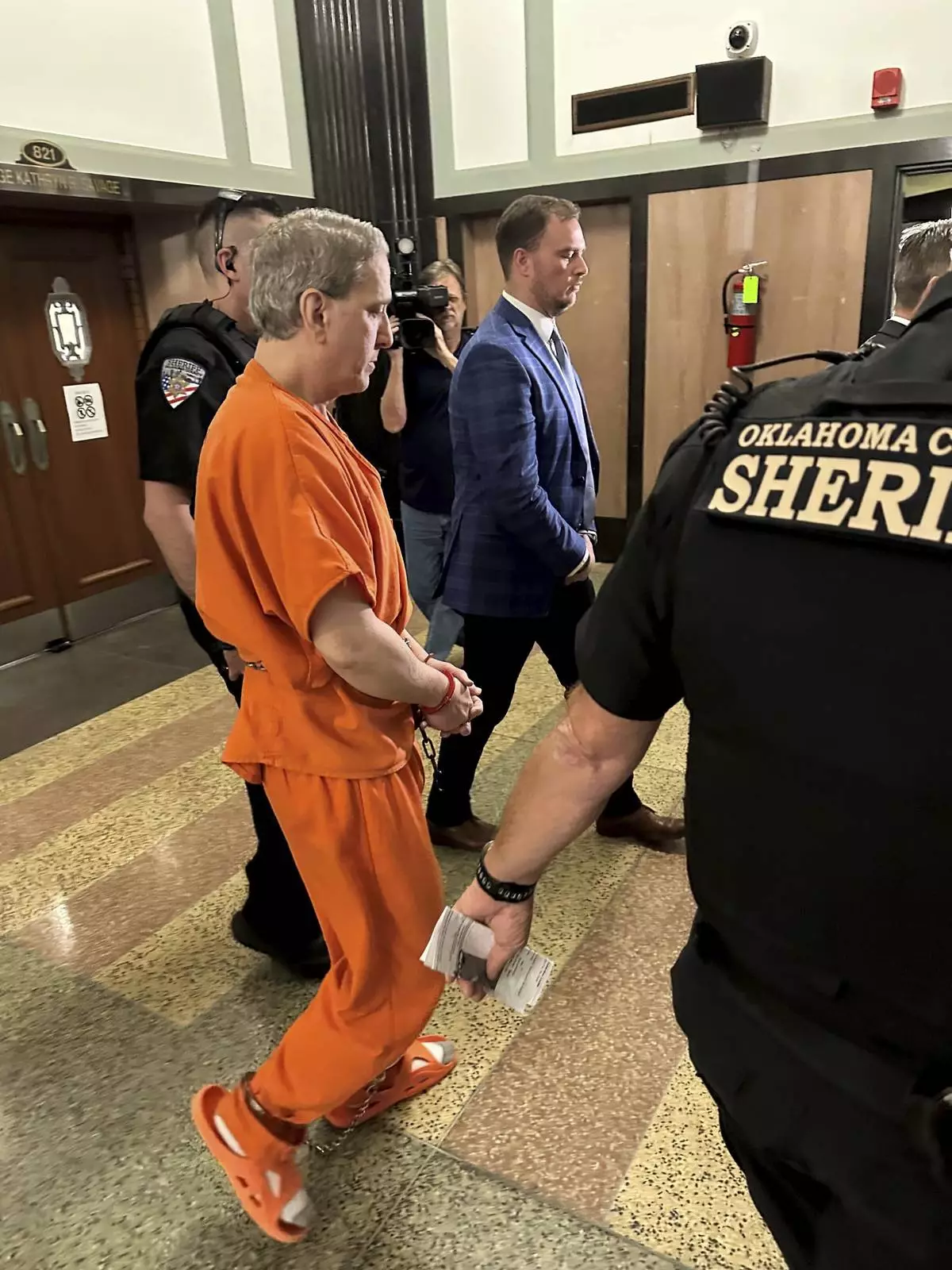
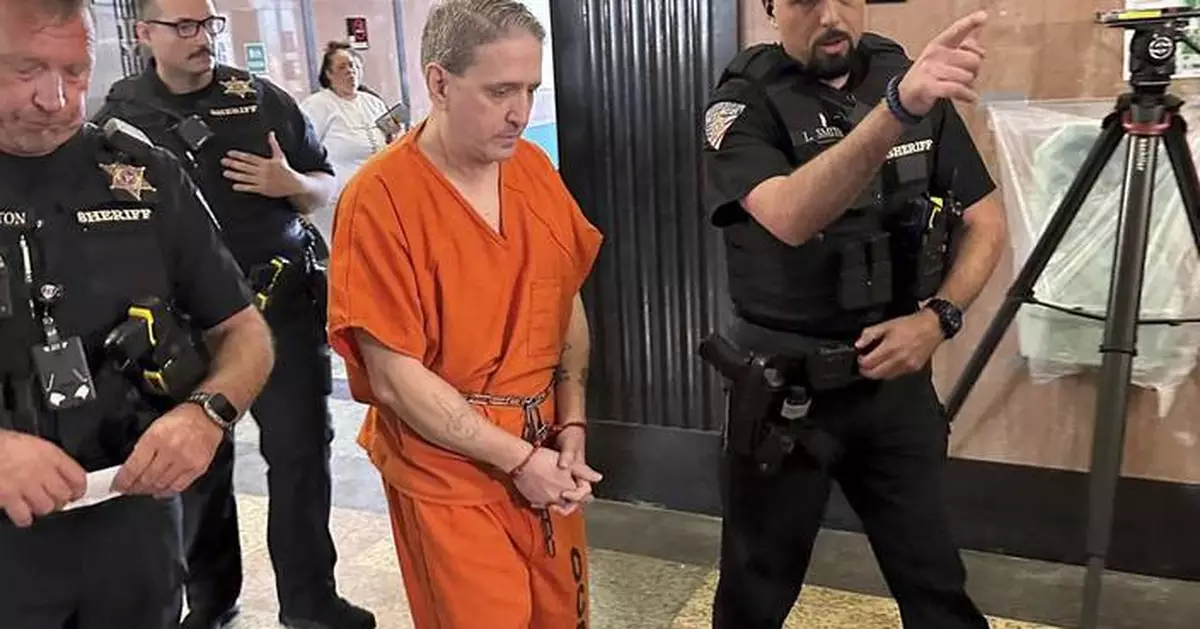
Oklahoma County Sheriff's deputies lead longtime death row inmate Richard Glossip to a courtroom on Monday, June 9, 2025, at the Oklahoma County Courthouse in Oklahoma City. (AP Photo/Sean Murphy)
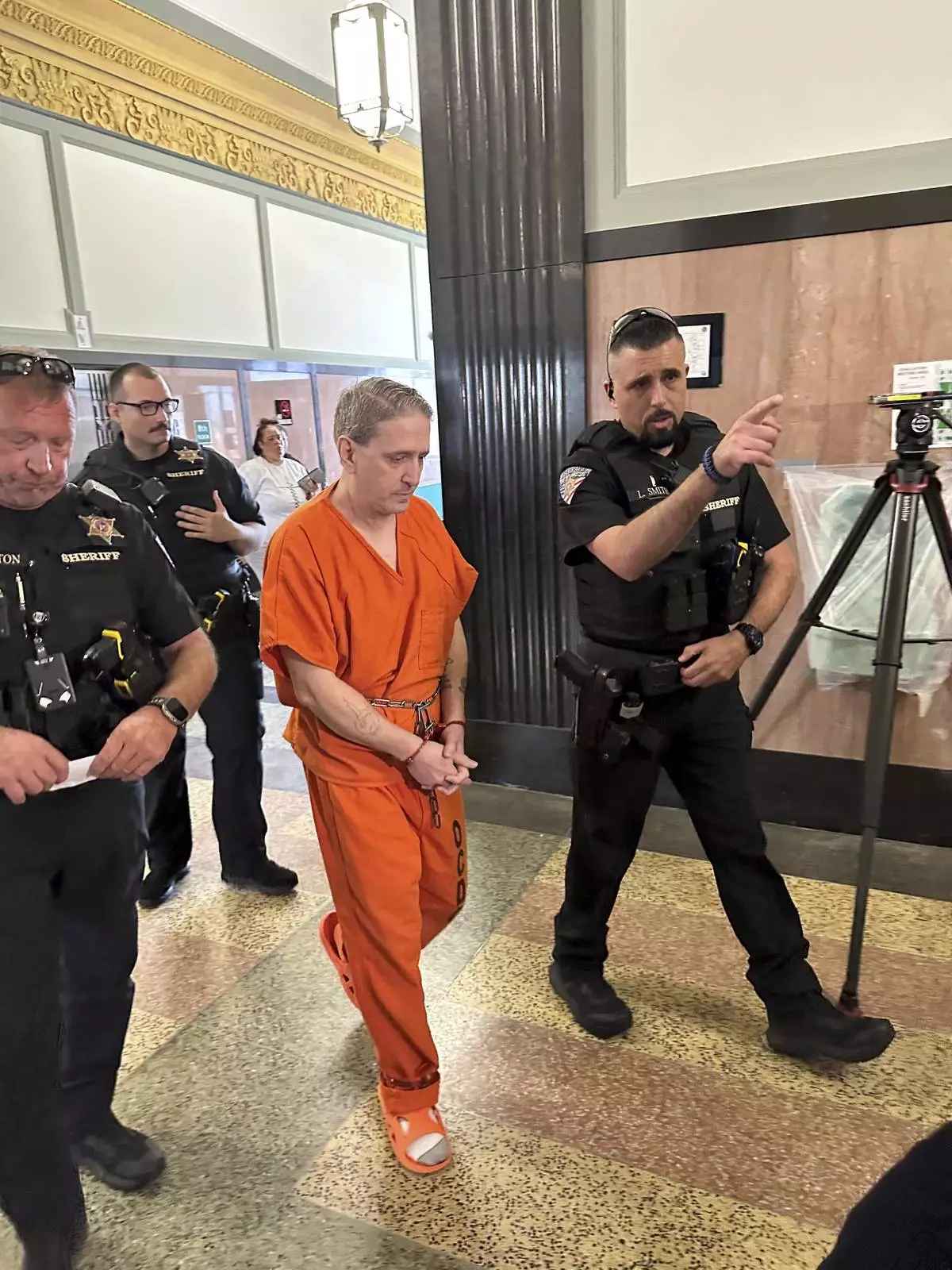
Oklahoma County Sheriff's deputies lead longtime death row inmate Richard Glossip to a courtroom on Monday, June 9, 2025, at the Oklahoma County Courthouse in Oklahoma City. (AP Photo/Sean Murphy)