China unveiled its sixth batch of National Archival Heritage Documents on Monday, coinciding with International Archives Day.
The newly listed 52 items include historical records of the Hundred Regiments Offensive, the Red Flag Canal irrigation project, and Han Dynasty bamboo slips from Yinqueshan tombs.
With this addition, China now has 250 archival documents recognized as national heritage since the program's launch in 2000. The initiative focuses on preserving and utilizing valuable historical records, with several Chinese entries like Oracle Bone Inscriptions already included in UNESCO's Memory of the World Register.
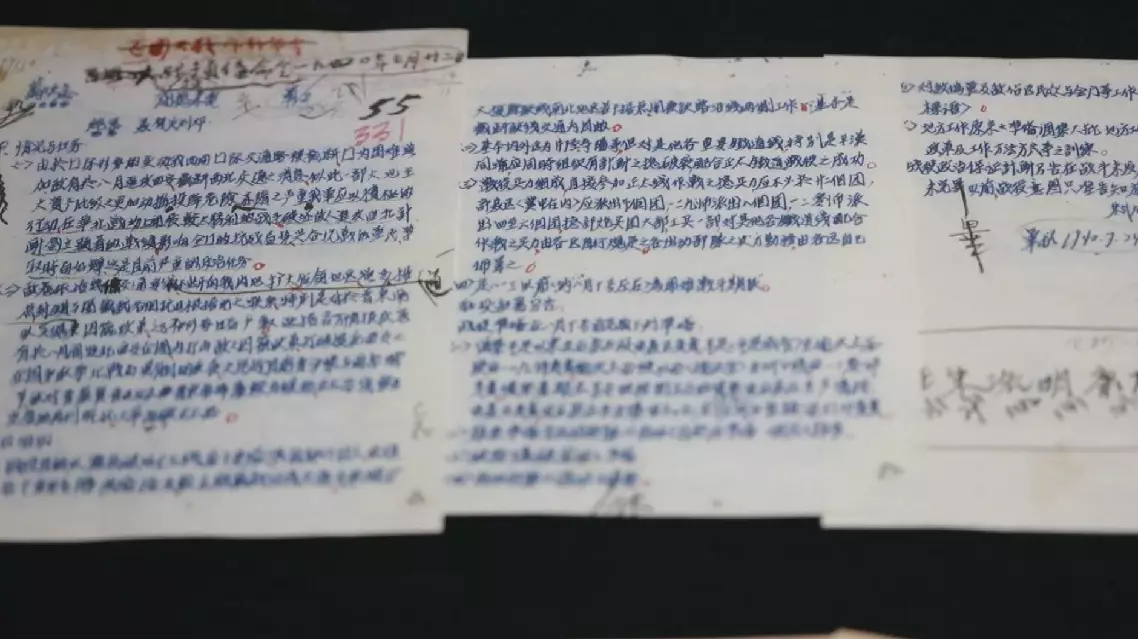
This year marks the 80th anniversary of the victory in the Chinese People's War of Resistance Against Japanese Aggression and the World Anti-Fascist War. Among the newly listed wartime documents, one set of files is of special significance - 33 documents detailing the the Hundred Regiments Offensive.
The Hundred Regiments Offensive (August 1940–January 1941) marked the largest strategic operation by China's Eighth Route Army during World War II. This decisive campaign, involving 105 regiments led by the Communist Party of China, delivered a major blow to Japanese forces across North China through 1,824 engagements, inflicting over 20,000 enemy casualties.
Launched at the war's most critical juncture, the offensive not only disrupted Japanese military operations but also revitalized the morale of China's resistance during the anti-fascist struggle. The operation demonstrated the Eighth Route Army's growing combat capability and became a turning point in the war behind enemy lines.
The archives contain urgent action orders and strategic deployments that show the Eighth Route Army's precise military planning.
"This document, issued on August 26, 1940, states: 'We have decided to name this campaign the Hundred Regiments Offensive,'" said Gui Tengfei from the Central Archives.
The documents vividly portray nationwide resistance through records of troop deployments, frontline reports, and civilian contributions including food supplies for soldiers.
"The archives reveal that in Jinzhong region alone, over 10,000 militiamen were mobilized. Local villagers supported troops by providing vegetables, poultry, sheep, fried flour and other supplies. These records vividly transport us back to that revolutionary era, showcasing the united front between our military and civilians, a moving historical tableau of shared resolve against the enemy," Gui said.
The archival collection serves as crucial historical evidence and promotes cultural heritage preservation efforts in China.
China releases sixth batch of national archival heritage documents