NICE, France (AP) — Eighteen countries ratified the High Seas Treaty on Monday, bringing the total to 49 — just 11 short of the 60 needed for the ocean agreement to enter into force. The surge in support, occurring during the U.N. Ocean Conference in Nice, France, adds momentum to what could become a historic shift in how the world governs the open ocean.
“The entry into force is within our sight, and I call on all remaining nations to join swiftly,” U.N. Secretary-General António Guterres told reporters Tuesday. “We do not have a moment to lose.”
Click to Gallery
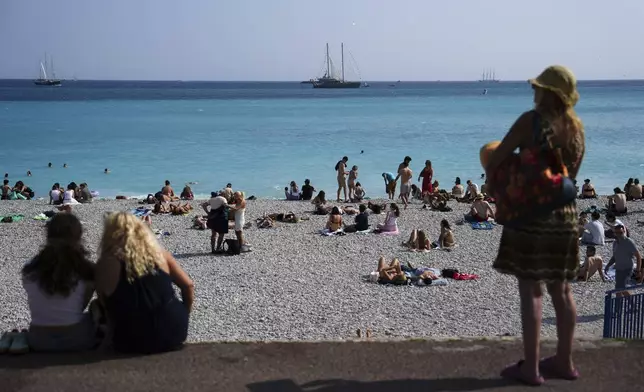
People enjoy the beach as vessels sail during the "Ocean Wonders" themed event in honor of World Oceans Day ahead of the U.N. Ocean Conference on Sunday, June 8, 2025, in Nice, France. (AP Photo/Annika Hammerschlag)
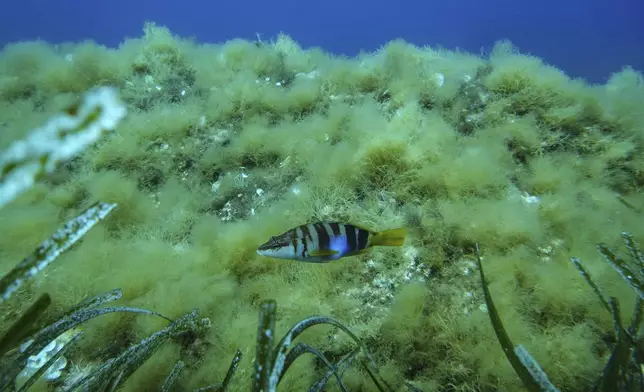
A painted comber swims in the protected area of France's Port-Cros National Park ahead of the U.N. Ocean Conference, Saturday, June 7, 2025, (AP Photo/Annika Hammerschlag)
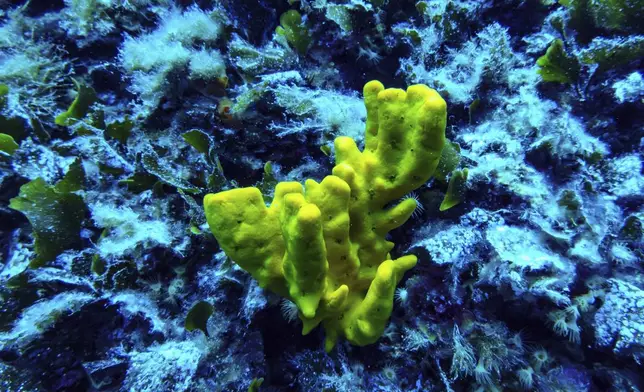
Coral is visible in the protected area of France's Porquerolles National Park ahead of the U.N. Ocean Conference on Friday, June 6, 2025. (AP Photo/Annika Hammerschlag)
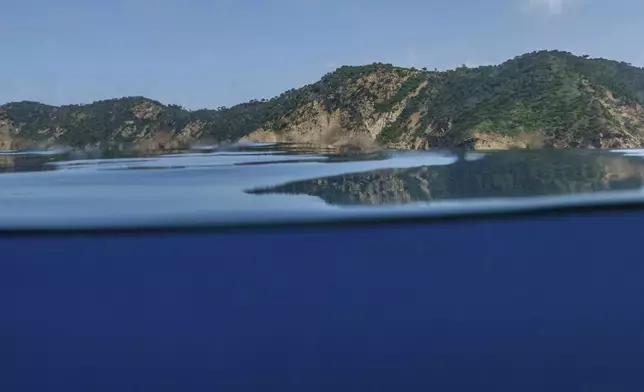
Mountains are reflected in the waters of France's Port-Cros National Park ahead of the U.N. Ocean Conference, Saturday, June 7, 2025, (AP Photo/Annika Hammerschlag)
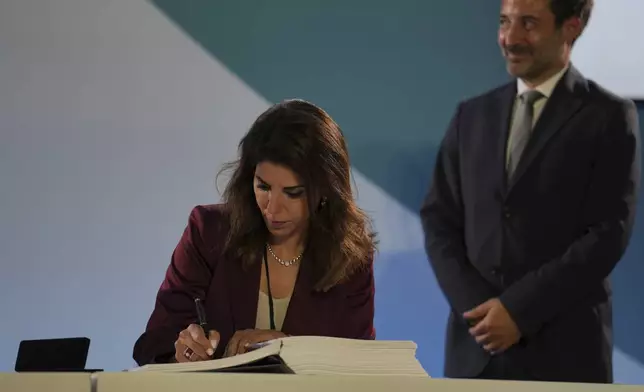
Diplomat Leena Al-Hadid, of Jordan, signs the High Seas Treaty during the U.N. Ocean Conference, Monday, June 9, 2025, in Nice, France. (AP Photo/Annika Hammerschlag)
Here’s what the treaty is, why it matters and what happens next.
Formally known as the Agreement on Biodiversity Beyond National Jurisdiction, the High Seas Treaty is the first legally binding agreement focused on protecting marine biodiversity in international waters. These waters, which are beyond the jurisdiction of any single country, make up nearly two-thirds of the ocean and almost half the surface of the planet.
Until now, there has been no comprehensive legal framework to create marine protected areas or enforce conservation on the high seas.
Despite their remoteness, the high seas are under growing pressure from overfishing, climate change and the threat of deep-sea mining. Environmental advocates warn that without proper protections, marine ecosystems in international waters face irreversible harm.
“Until now, it has been the wild west on the high seas," said Megan Randles, global political lead for oceans at Greenpeace. "Now we have a chance to properly put protections in place.”
The treaty is also essential to achieving the global “30x30” target — an international pledge to protect 30% of the planet’s land and sea by 2030.
The treaty creates a legal process for countries to establish marine protected areas in the high seas, including rules for destructive activities like deep-sea mining and geo-engineering. It also establishes a framework for technology-sharing, funding mechanisms and scientific collaboration among countries.
Crucially, decisions under the treaty will be made multilaterally through conferences of parties (COPs) rather than by individual countries acting alone.
Once 60 countries ratify the treaty, a 120-day countdown begins before it officially enters into force. That would unlock the ability to begin designating protected areas in the high seas and put oversight mechanisms into motion.
As of Monday evening, 49 countries and the EU had ratified, meaning 11 more are needed to trigger that countdown.
Guterres called the pace of progress “a record,” noting that the U.N. Convention on the Law of the Sea took 12 years to reach entry into force, while the BBNJ treaty appears poised to do so in just over two.
“I see a momentum and an enthusiasm that was difficult to find in the past,” he said.
The first Conference of the Parties (COP1) must take place within one year of the treaty’s entry into force. That meeting will lay the groundwork for implementation, including decisions on governance, financing and the creation of key bodies to evaluate marine protection proposals.
Environmental groups are pushing to surpass the required 60 ratifications, and to do so quickly – the more countries that ratify, the stronger and more representative the treaty’s implementation will be. There’s also a deadline: only countries that ratify by COP1 will be eligible to vote on critical decisions that determine how the treaty will operate.
“To reach 60 ratifications would be an absolutely enormous achievement, but for the treaty to be as effective as possible, we need countries from all over the world to engage in its implementation,” said Rebecca Hubbard, director of the High Seas Alliance. “So the next step will be to go from 60 to global.”
The surge in support on Monday has raised hopes that 2025 could mark a turning point for high seas protection.
“We’re on the brink of making high seas history,” Hubbard said.
Follow Annika Hammerschlag on Instagram @ahammergram
The Associated Press receives support from the Walton Family Foundation for coverage of water and environmental policy. The AP is solely responsible for all content. For all of AP’s environmental coverage, visit https://apnews.com/hub/climate-and-environment
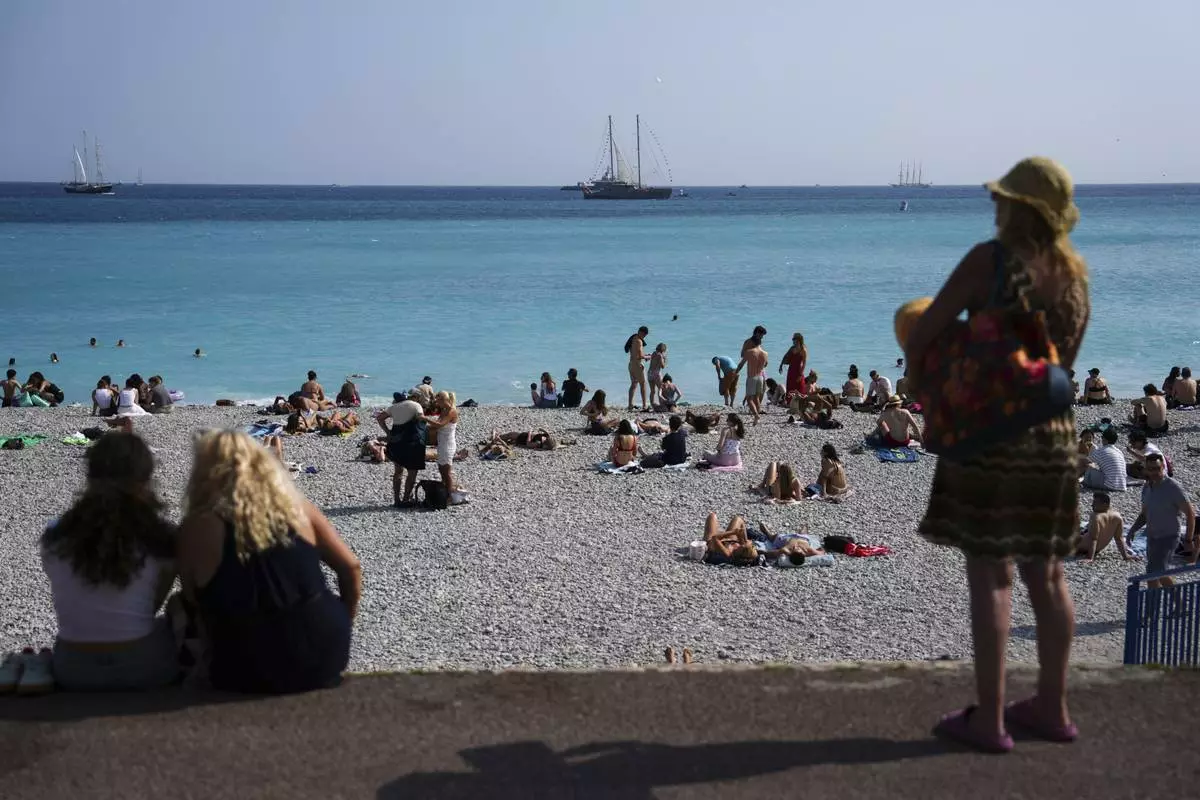
People enjoy the beach as vessels sail during the "Ocean Wonders" themed event in honor of World Oceans Day ahead of the U.N. Ocean Conference on Sunday, June 8, 2025, in Nice, France. (AP Photo/Annika Hammerschlag)
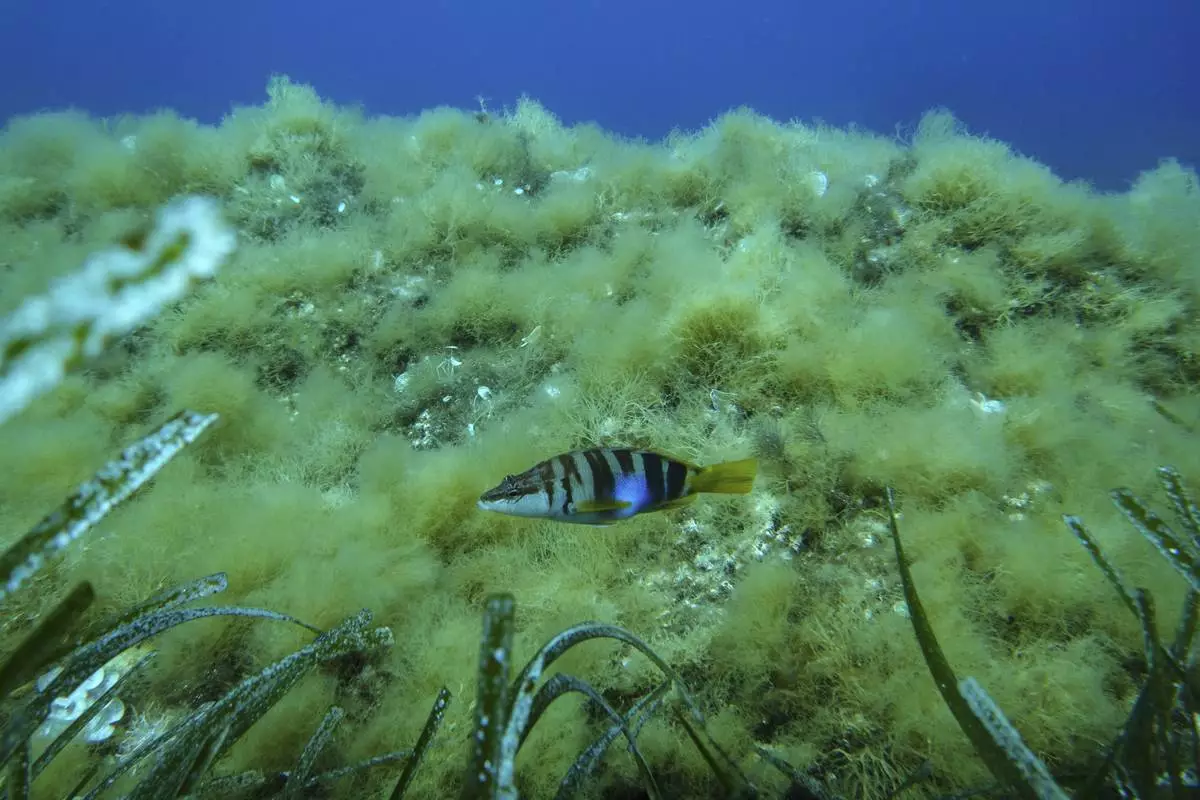
A painted comber swims in the protected area of France's Port-Cros National Park ahead of the U.N. Ocean Conference, Saturday, June 7, 2025, (AP Photo/Annika Hammerschlag)
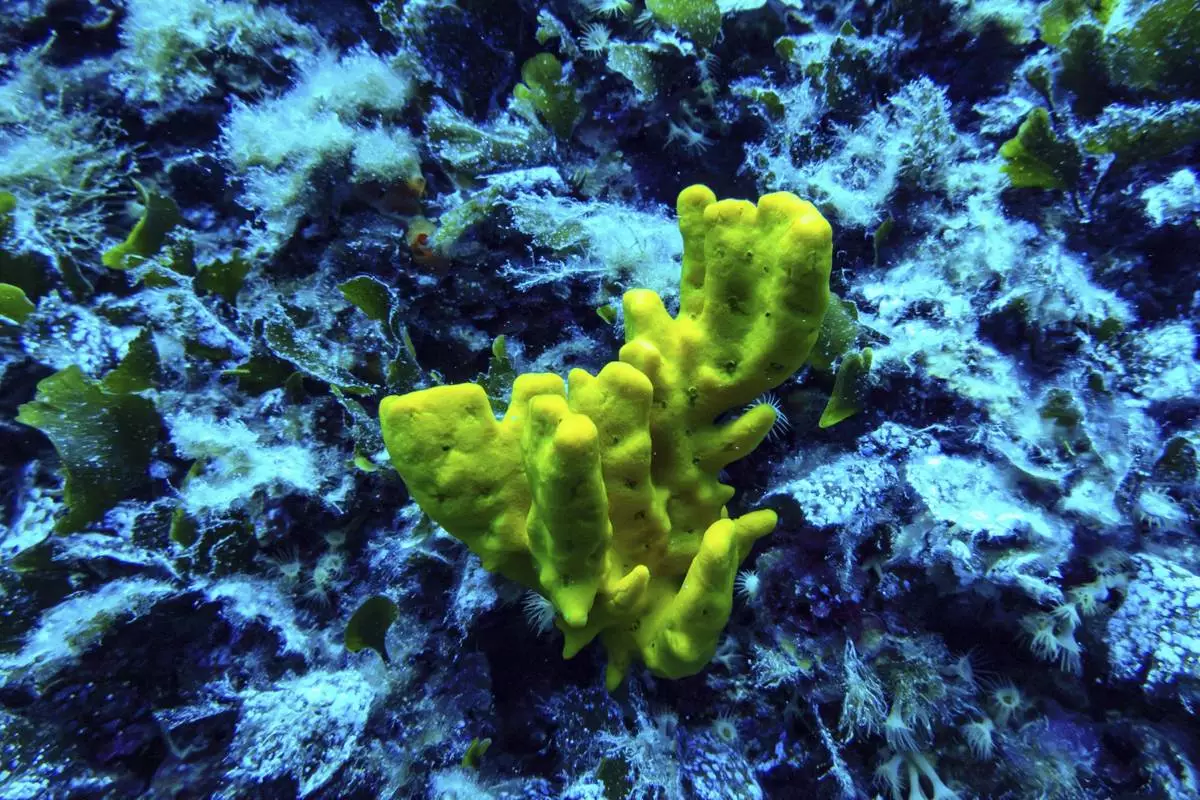
Coral is visible in the protected area of France's Porquerolles National Park ahead of the U.N. Ocean Conference on Friday, June 6, 2025. (AP Photo/Annika Hammerschlag)
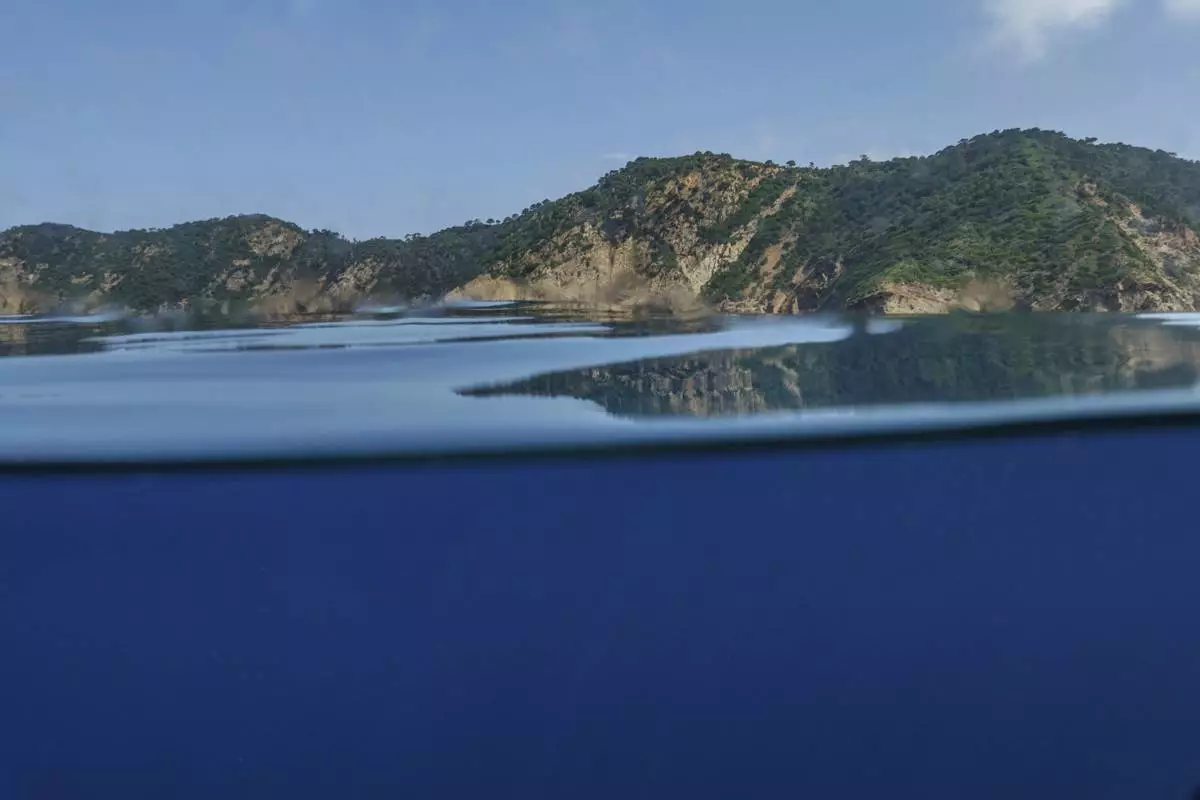
Mountains are reflected in the waters of France's Port-Cros National Park ahead of the U.N. Ocean Conference, Saturday, June 7, 2025, (AP Photo/Annika Hammerschlag)
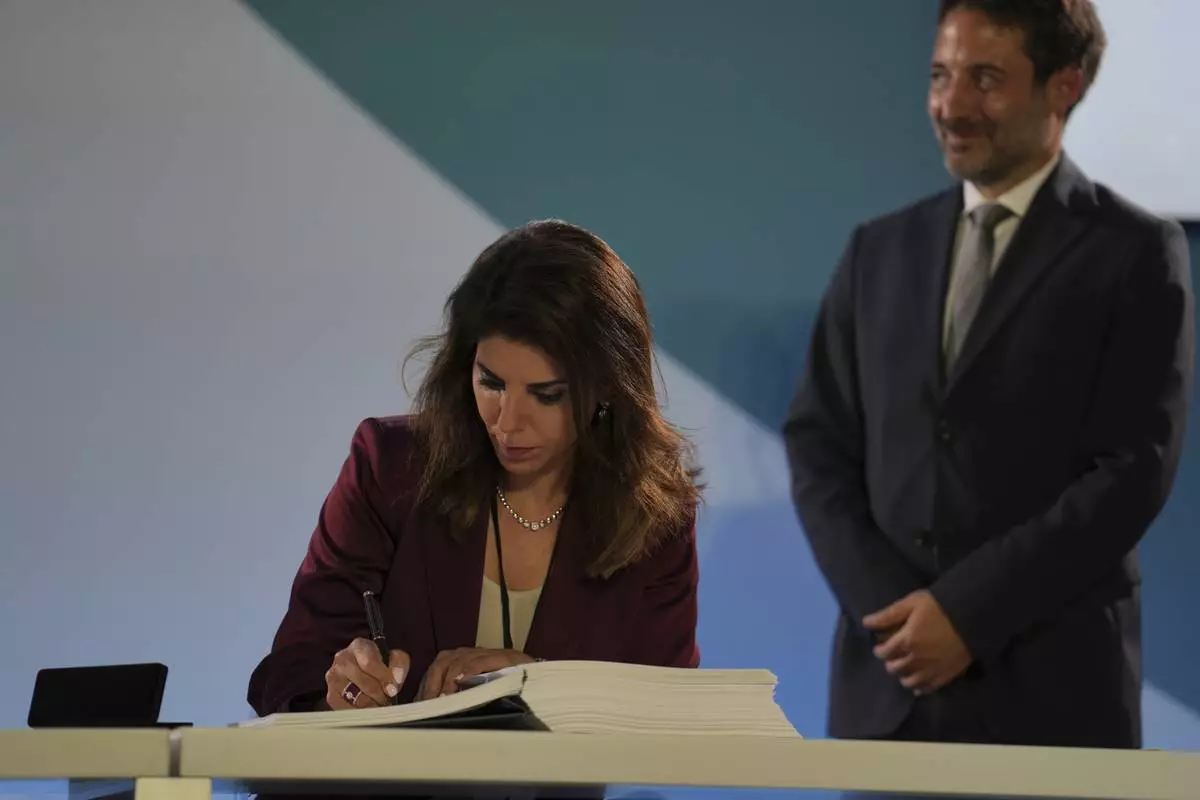
Diplomat Leena Al-Hadid, of Jordan, signs the High Seas Treaty during the U.N. Ocean Conference, Monday, June 9, 2025, in Nice, France. (AP Photo/Annika Hammerschlag)