China has made historic achievements in improving the people's well-being since 2012, said a senior official with the National Development and Reform Commission (NDRC) -- the nation's top economic planner -- on Tuesday.
Speaking at a press conference in Beijing, Xiao Weiming, deputy secretary-general of the NDRC, briefed news media on China's achievements in poverty eradication, social security, education, life expectancy and people's income growth.
"China has made historic achievements in improving the people's well-being in the new era. In a full victory over poverty, nearly 100 million poor rural residents have been lifted out of poverty. China has built the world's largest social security system, with 1.07 billion people covered by basic old-age insurance and 1.32 billion people covered by basic medical insurance," Xiao said.
"The coverage of education at various levels has reached or surpassed the average of middle- and high-income countries. In 2024, the average length of education received by new entrants into the workforce was over 14 years. The average life expectancy has increased to 79 years. The national per capita disposable income has reached 41,300 yuan (about 5,752 U.S. dollars), with the relative gap between urban and rural incomes continuously narrowing. The Engel's coefficient has been kept under 30 percent in China," he said.
The Engel's coefficient, which measures food expenditures as a proportion of total household spending, is a key indicator of people's living standards in a country. An Engel's coefficient below 30 percent is generally considered by the United Nations to indicate a wealthy life.
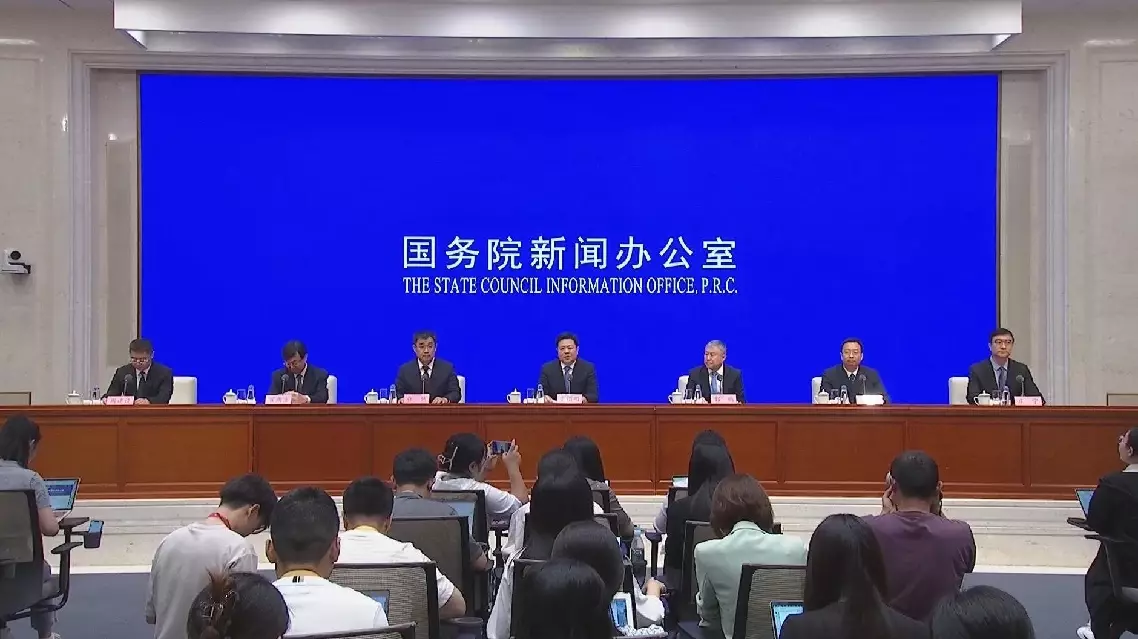
China makes historic achievements in improving people's well-being: official
China makes historic achievements in improving people's well-being: official
China makes historic achievements in improving people's well-being: official
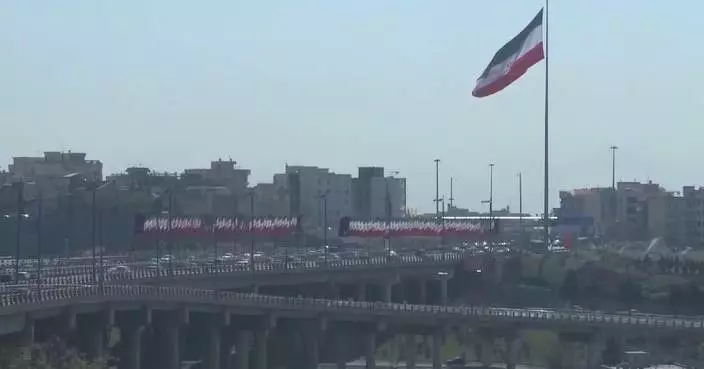
The Iranian government is focusing on public concerns and maintaining stable supplies of essential goods amid recent protests, Iranian President Masoud Pezeshkian said in a televised interview on Sunday.
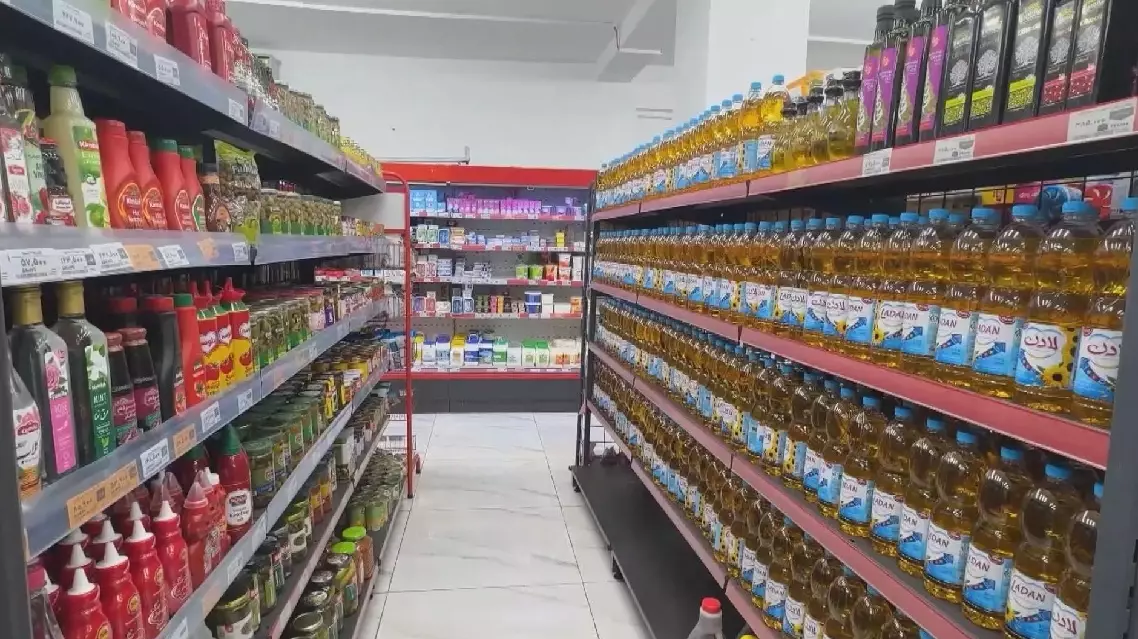
In the city of Karaj, northwest of the capital Tehran, daily life has largely continued as normal. A video filmed by a local resident on Sunday shows food stores open and grocery shelves fully stocked.
"This is the block near my home, and there are some food stores here. Daily life continues here. Last night we did not see many protests in Karaj. Right now the city is very safe. This is a grocery store close to my home. All the food is available; nothing is in shortage. Here are noodles and different types of beans. Here are dairy products, cheese, and yogurt. I also checked other grocery stores and didn't see any shortages. Everything is available," said local resident Ali Reza.
Iranian officials have described recent disturbances as acts orchestrated by the "enemy," including some carried out by well-trained and armed "terrorists." The incidents have caused casualties among security personnel and civilians, as well as property damage.
The Secretary of Iran's Supreme National Security Council Ali Larijani has directed authorities to severely punish the "terrorists."
Meanwhile, Iran's police chief Ahmad-Reza Radan said on Sunday that the police had raised alert levels and arrested several leaders of the troublemakers during the operations on Saturday.
President Pezeshkian noted in the interview that the normal demands of the Iranian people are reasonable and justified, but they must realize that triggering riots and carrying out terrorist acts are the enemy's attempts to undermine the country. He urged the public to remain vigilant.
Also on Sunday, Iranian Parliament Speaker Mohammad Baqer Qalibaf warned that Tehran would regard U.S. and Israeli bases and facilities in the Middle East as "legitimate targets" if Washington takes military action against Iran. His remarks followed media reports saying U.S. President Donald Trump is "seriously considering authorizing a strike" against Iran.
Iranian state media reported that at least 109 members of Iran's security forces have been killed in clashes since the protests began 14 days ago. Meanwhile, human rights groups based outside the country said the number of protesters killed has exceeded 200, though the figure could not be independently verified.
The protests initially erupted over a sharp depreciation of the rial and sweeping subsidy reforms. Iranian authorities have blamed the unrest on foreign-linked agents and sanctions imposed by the United States.
Iranian president says government focusing on ensuring supplies amid protests