HKMoA's new exhibition unveils and showcases three preeminent collections in Hong Kong for first time
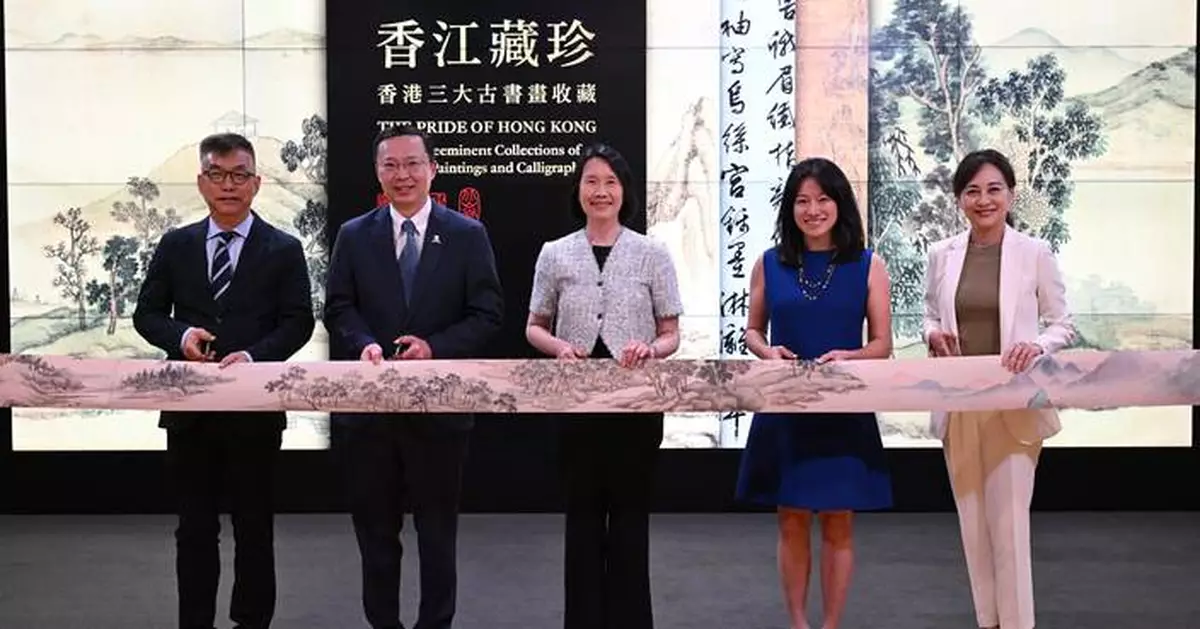
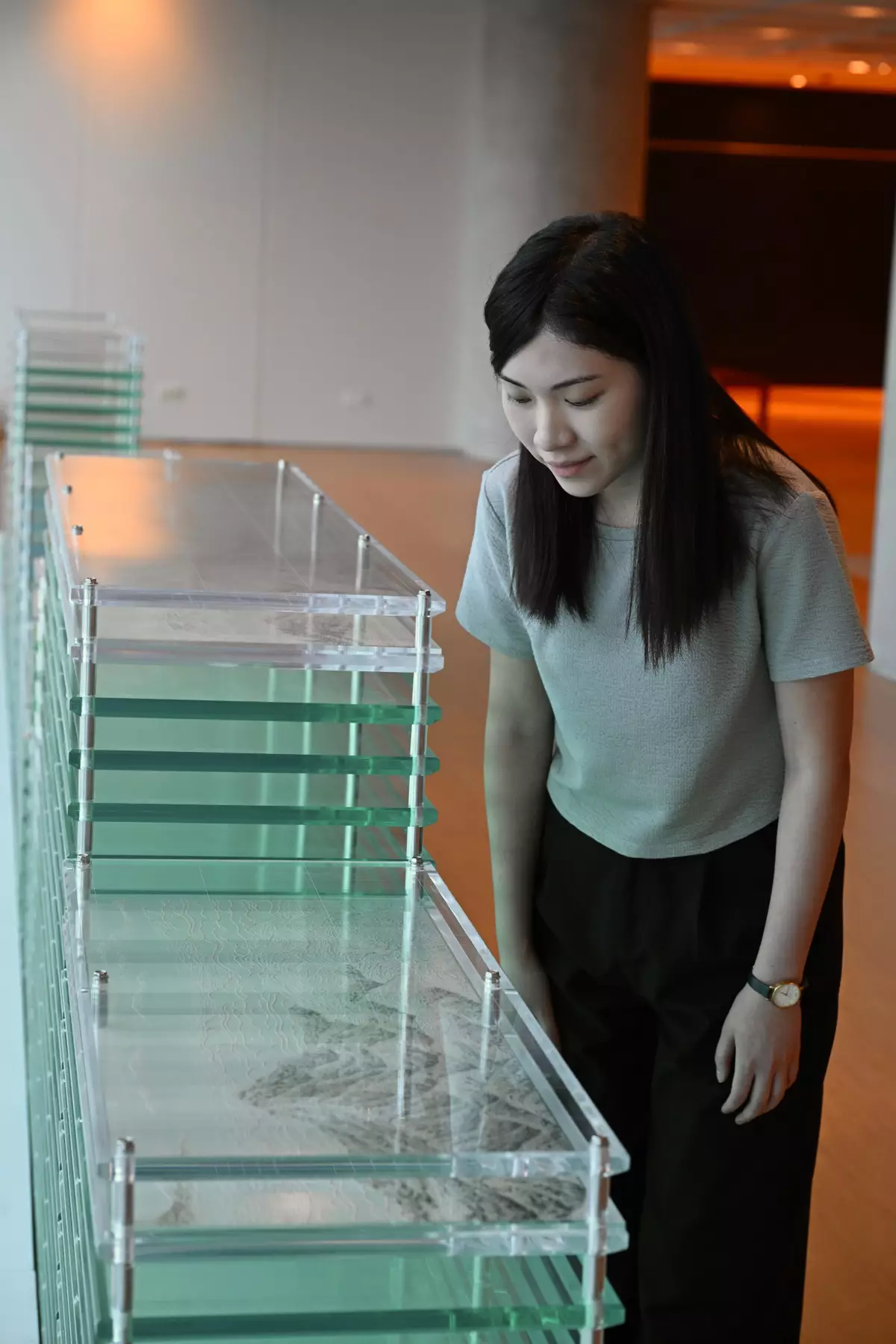
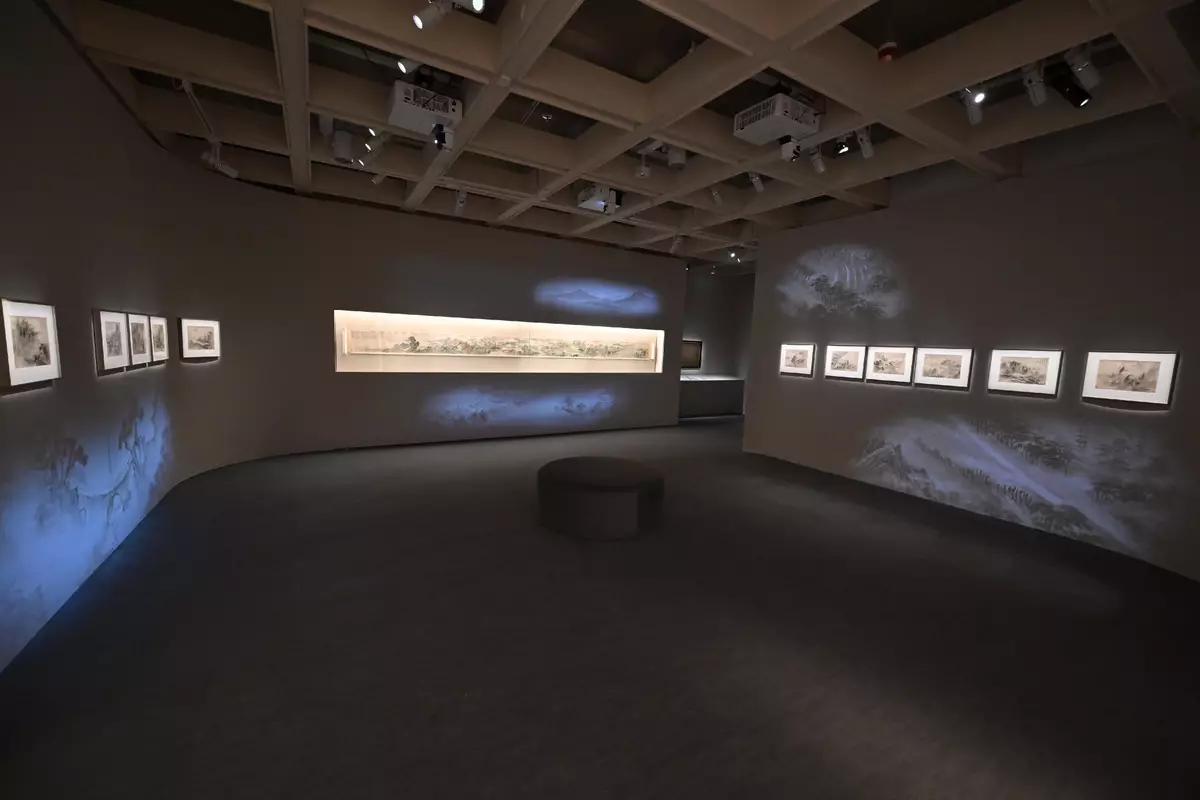
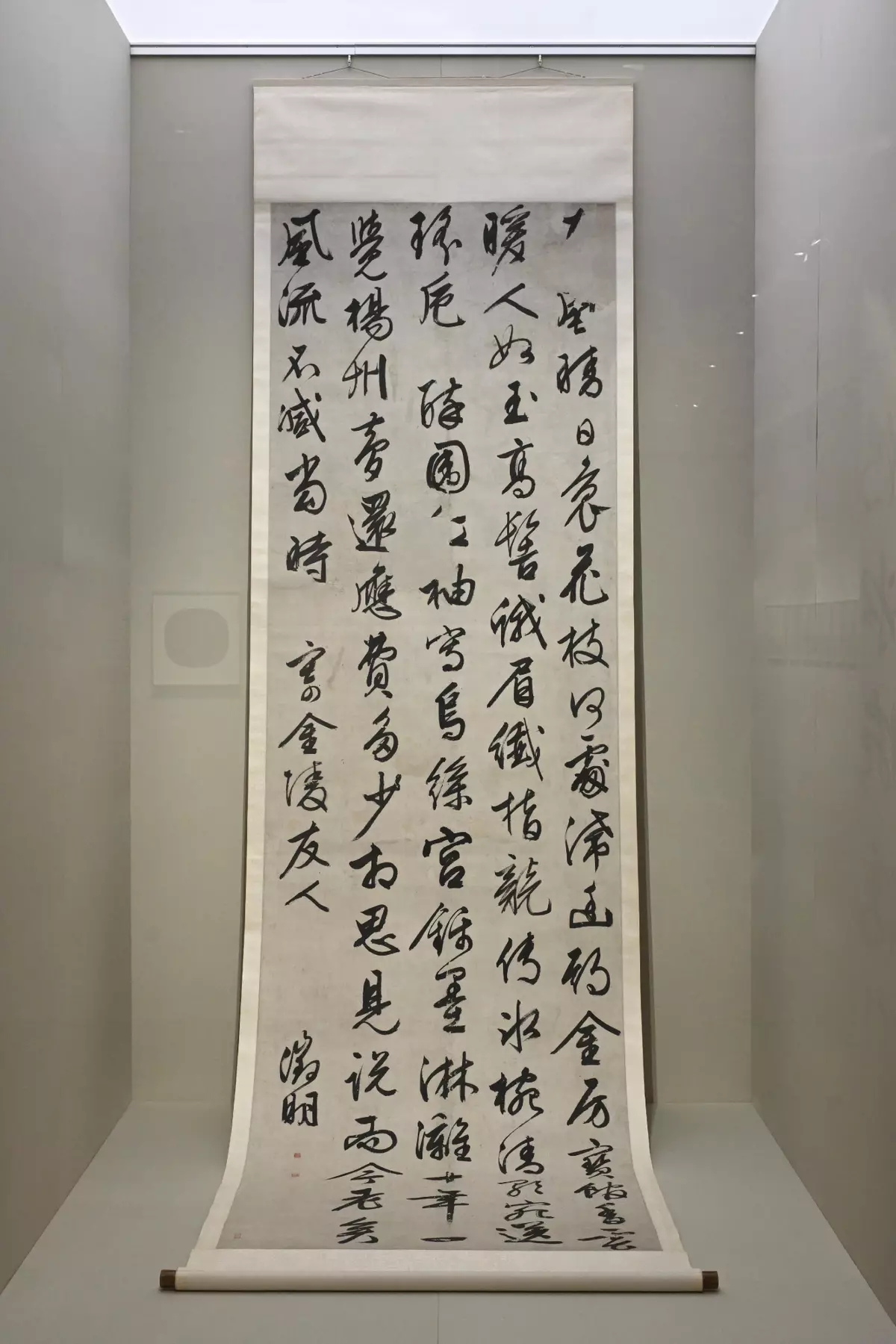
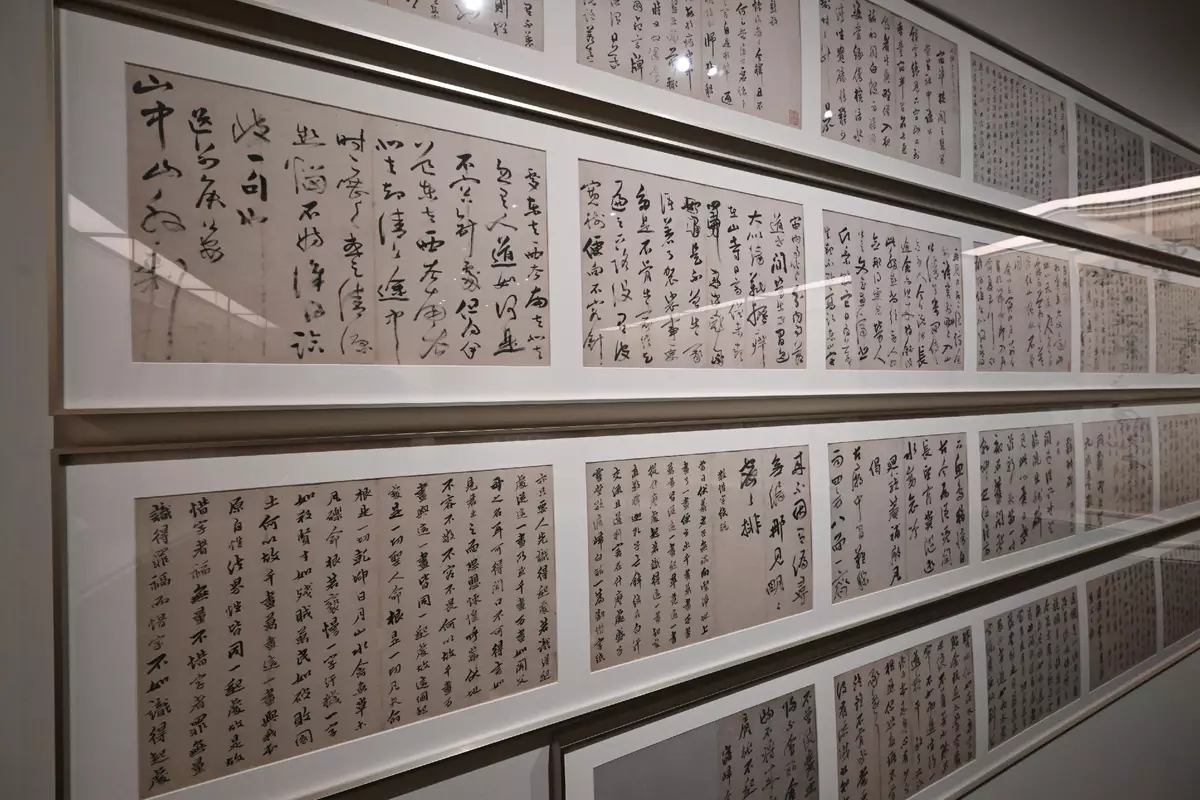
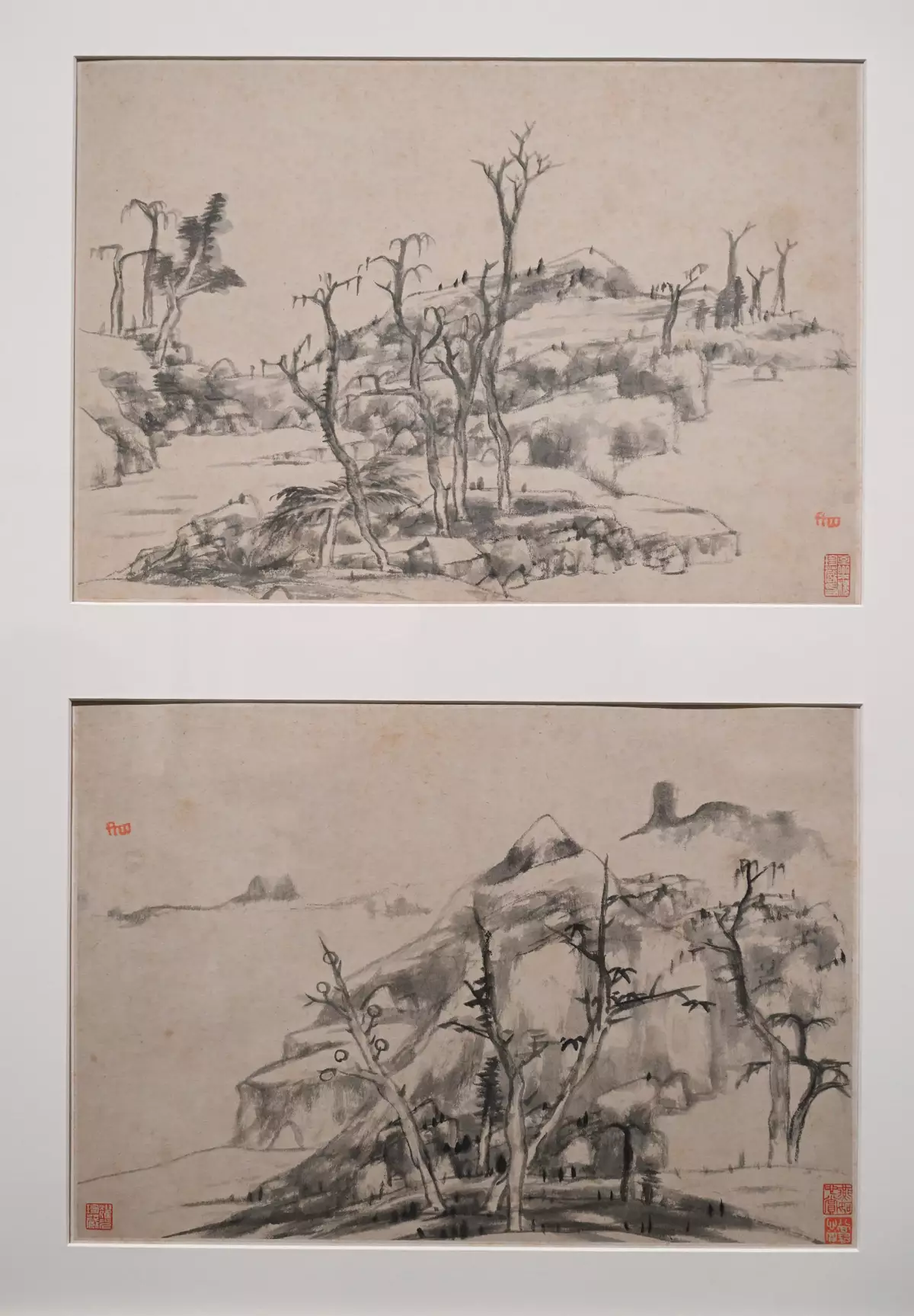
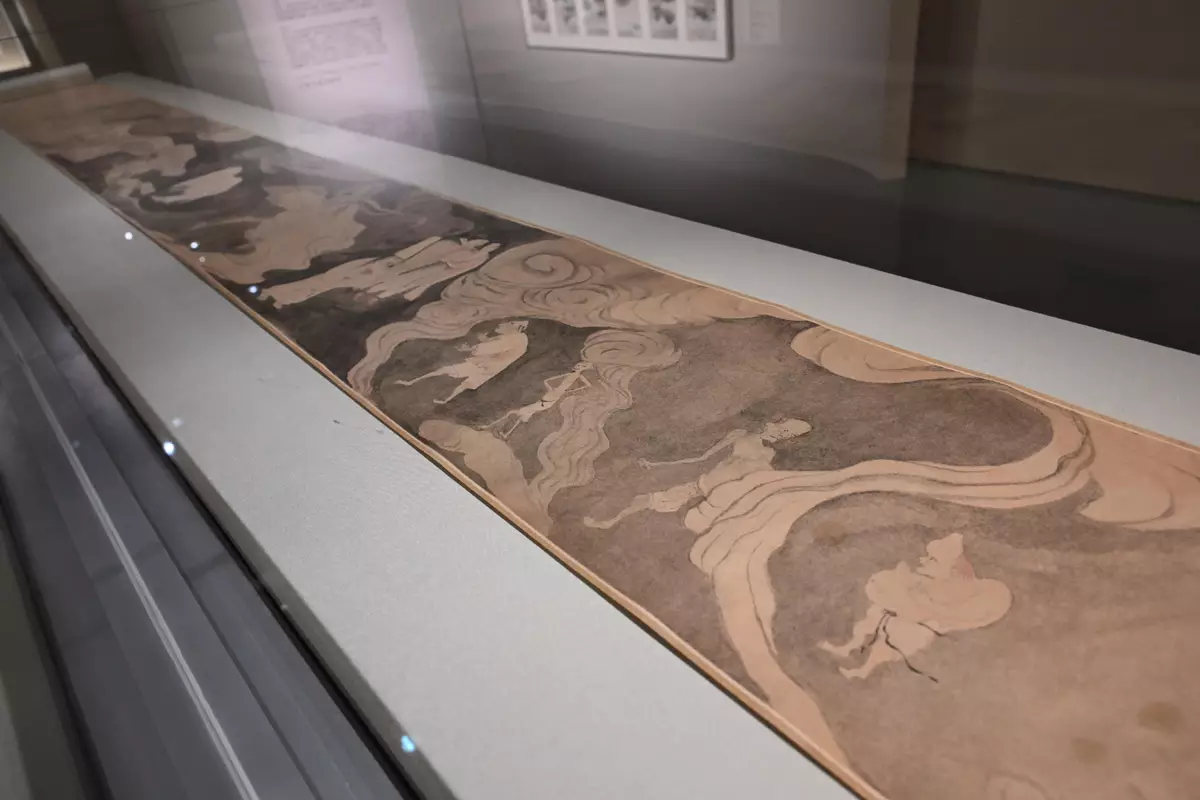
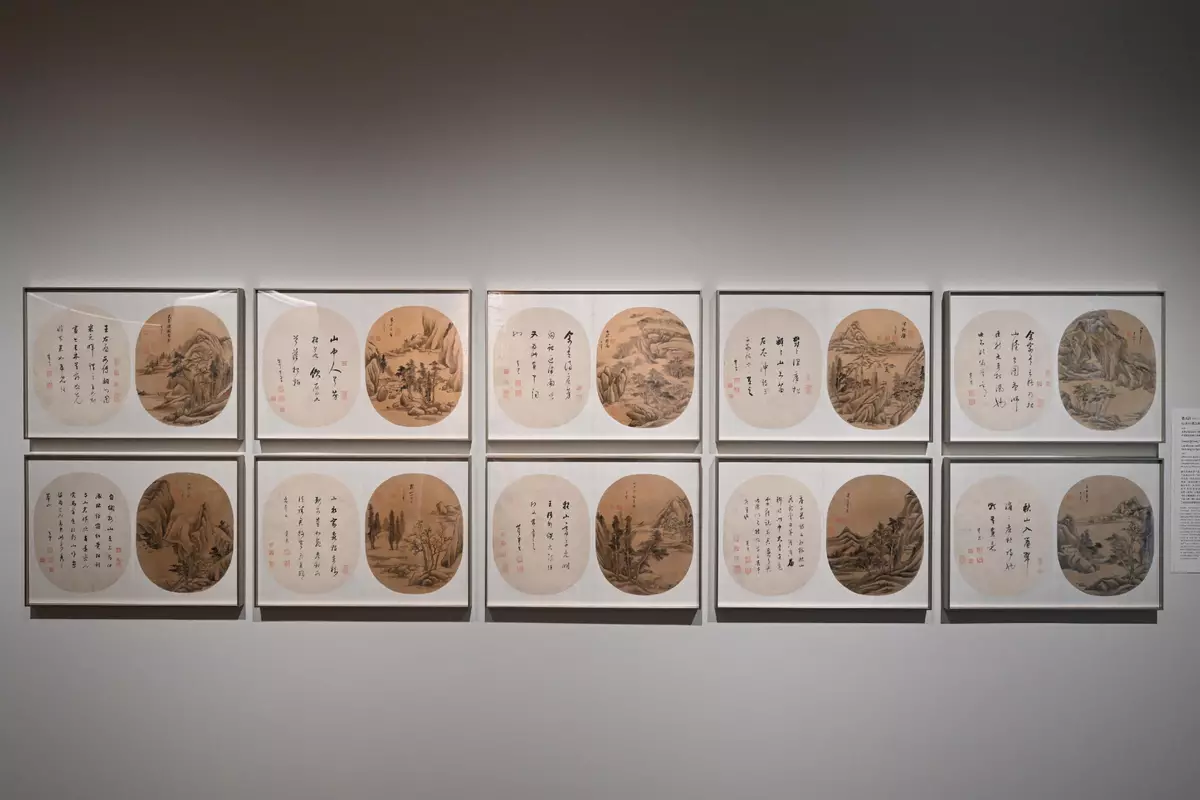
The Hong Kong Museum of Art (HKMoA) will launch the exhibition "The Pride of Hong Kong: Three Preeminent Collections of Ancient Paintings and Calligraphies" from June 11 to October 7, converging for the first time treasures from three world-class collections - Xubaizhai, established by the late renowned local collector Low Chuck-tiew; Chih Lo Lou, by Ho Iu-kwong; and Bei Shan Tang, by Lee Jung-sen, which are highly revered locally and internationally. Ninety-three sets of masterpieces from the Tang to the Qing dynasties will be exhibited, showcasing Hong Kong's golden age of collecting.
Click to Gallery
HKMoA's new exhibition unveils and showcases three preeminent collections in Hong Kong for first time Source: HKSAR Government Press Releases
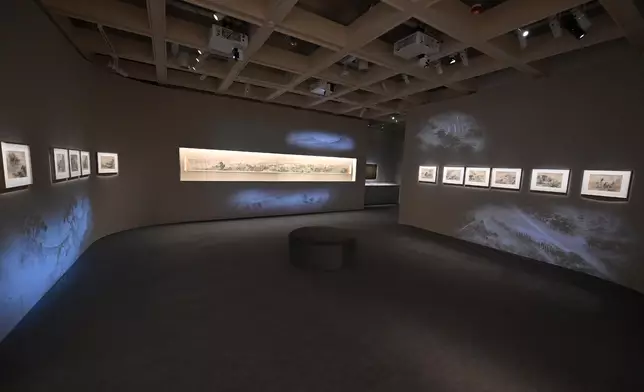
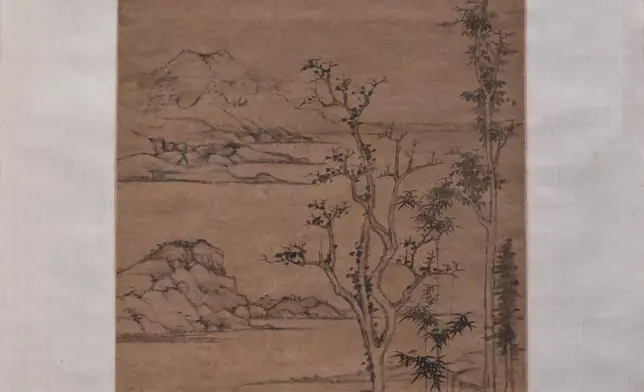
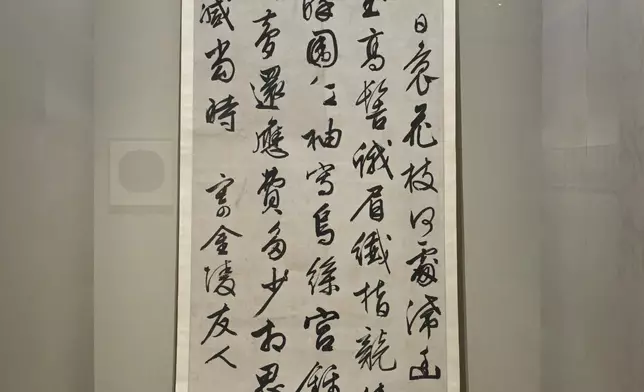
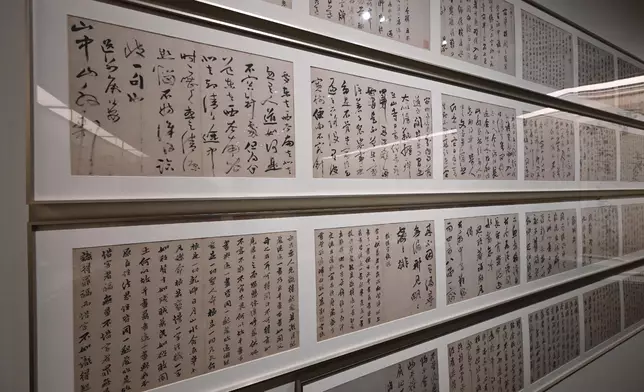
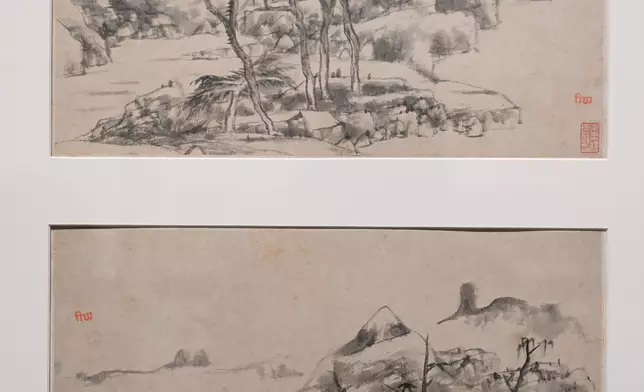
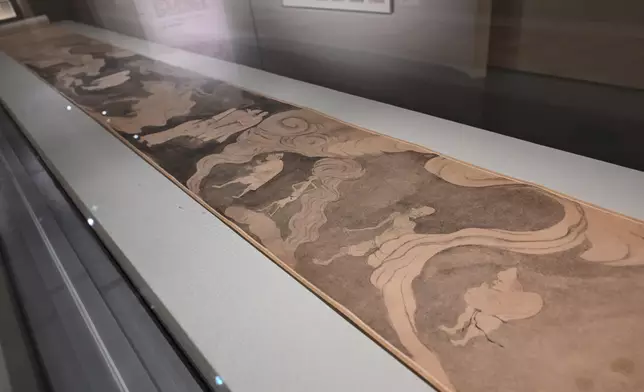
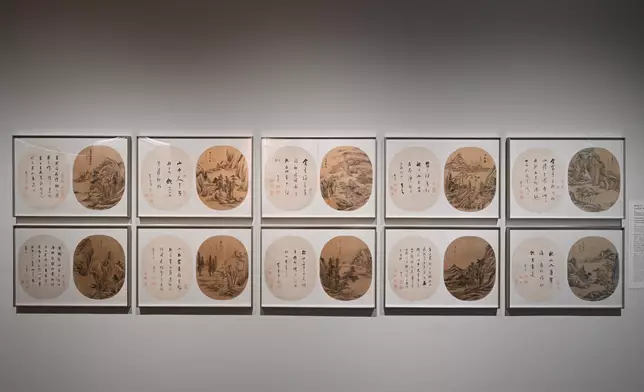
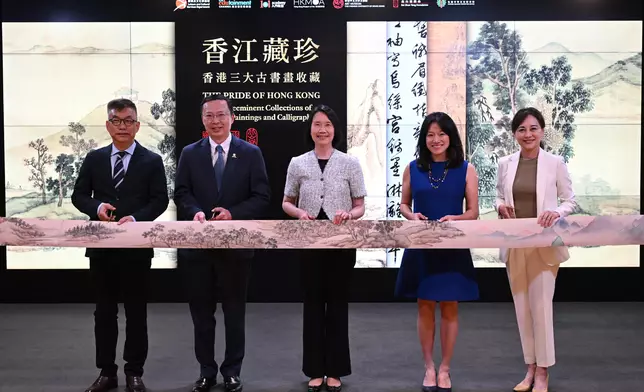
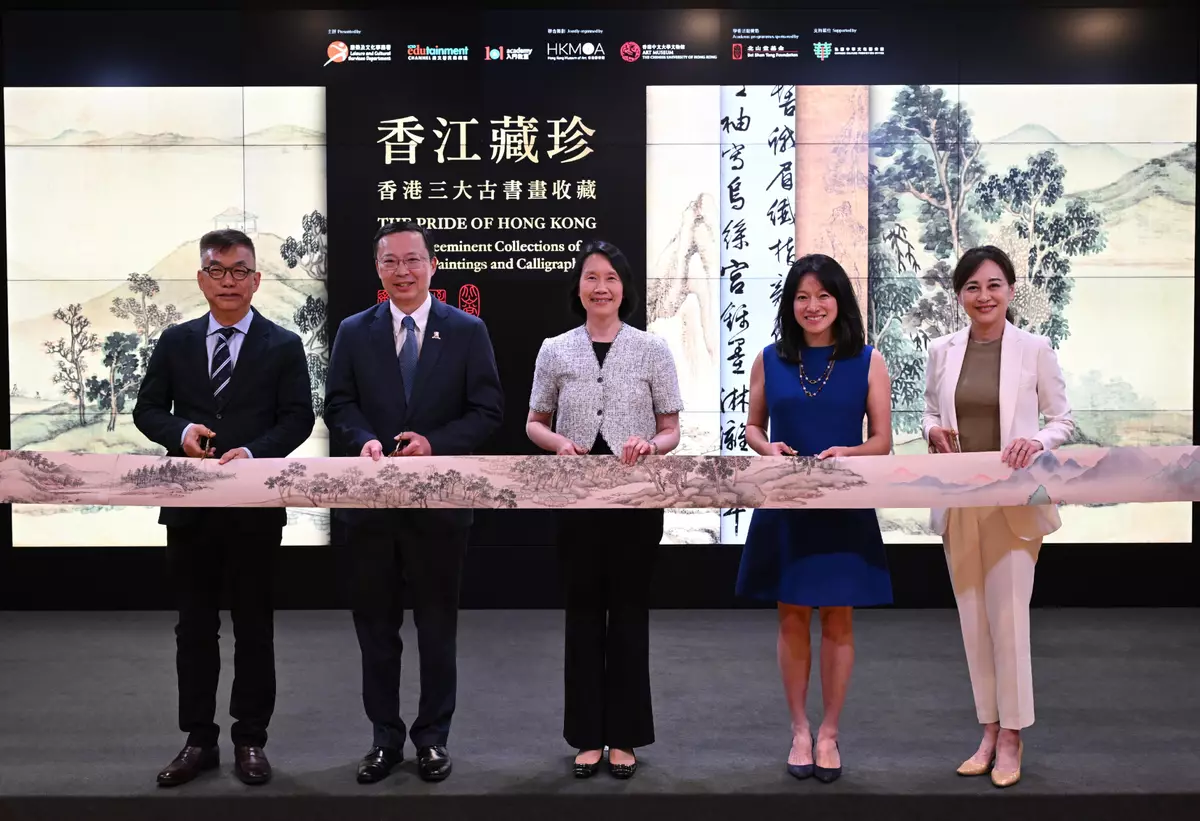
The exhibition, presented by the Leisure and Cultural Services Department, is jointly organised by the HKMoA and the Art Museum of the Chinese University of Hong Kong (CUHK). Addressing the opening ceremony held today (June 10), the Director of Leisure and Cultural Services, Ms Manda Chan, said that in the mid-20th century, Chinese national treasures were featured in a large quantity in Hong Kong. Foreign art dealers and collectors were highly enthusiastic to acquire these treasures. With the resolve to retain these embodiments of Chinese heritage on home soil, the three collectors were determined to collect ancient Chinese masterpieces. The three world-class private treasured collections, namely Xubaizhai, Chih Lo Lou and Bei Shan Tang, were thus built up. Moreover, the three collectors and their families donated their invaluable collections to the HKMoA and the Art Museum of the CUHK for exhibition and educational purposes, providing the public with the opportunity to appreciate Chinese painting and calligraphy. The three collectors and their families, committed to preserving and promoting Chinese culture, have demonstrated their honourable generosity.
Other officiating guests included Pro-Vice-Chancellor of the CUHK Professor Anthony Chan; the Chief Executive Officer of Bei Shan Tang Foundation, Ms Lillian Kiang; the Chairman of the Art Sub-committee of the Museum Advisory Committee, Professor Desmond Hui; and the Museum Director of the HKMoA, Dr Maria Mok.
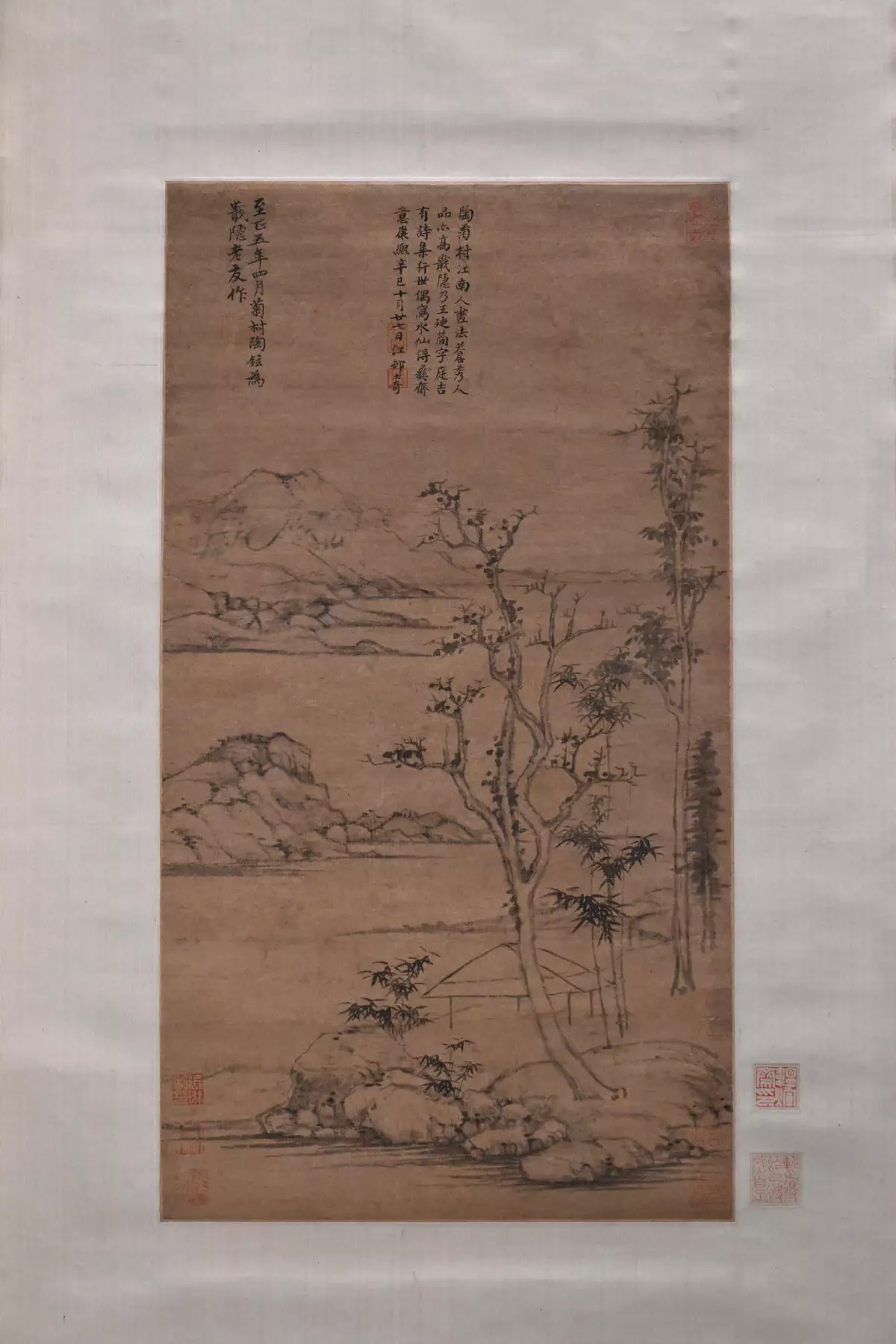
The three preeminent collections stand out in distinctiveness. The Xubaizhai Collection covers the major Ming and Qing schools, fully epitomising the development of Chinese painting and calligraphy traditions. Highlight exhibits include Dong Qichang's "Landscape and Calligraphy in Running Script", "Illustrations for the Odes of Qi" attributed to Ma Hezhi, Zhang Feng's "Scholar by an Old Tree" and Luo Pin's "The Realm of Ghosts".
The Chih Lo Lou Collection, under the guiding collecting principle of "artist before his art", emphasises works from the Ming-Qing transition. Huang Daozhou's "Pines and Rock", Zhu Da (Bada Shanren)'s "Landscapes", Wu Bin's "Misty River and Piled Peaks" and Jinshi's "Poems and Essays in Running-cursive Script" are some of the highlight exhibits.
The Bei Shan Tang Collection, rich in both paintings and calligraphies spanning a number of dynasties, especially the Ming and Qing periods, is notable for its leading masters, while some of the works are rare or the only extant pieces by the respective artists. Highlight exhibits include Wen Zhengming's "Ci-poem for Xu Lin in Running Script", Tao Xuan's "Pavilion against Distant Mountains", and Wang Chong's "Loan Agreement in Running Script" and "Garden after Snow" during the Southern Song dynasty.
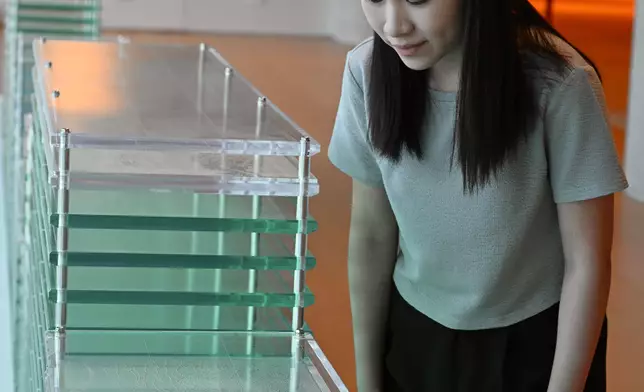
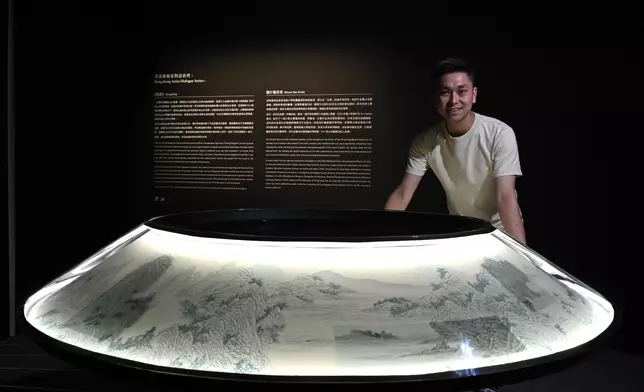
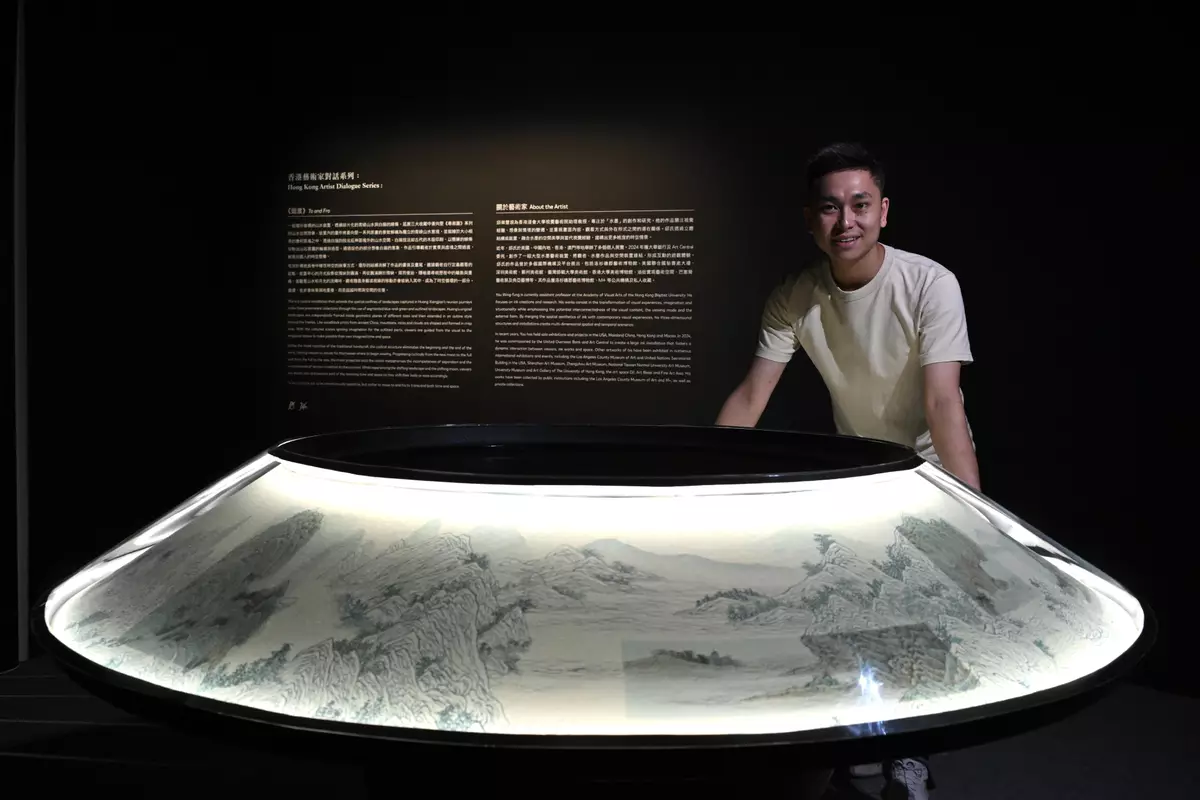
The HKMoA has also invited Hong Kong artist Yau Wing-fung to draw inspiration from the varied perspectives and stylised rocks and mountains in late Ming and early Qing painter Huang Xiangjian's depictions of his reunion journeys in the three preeminent collections, and to create two installations "To and Fro" and "Mirage Harmony", which retell the unique story of the distinctive landforms of Hong Kong's 18 administrative districts from a contemporary perspective.
The exhibition will be held at the Chih Lo Lou Gallery of Chinese Painting and Calligraphy, the Wu Guanzhong Art Gallery and the Jingguanlou Gallery on the fourth floor of the HKMoA (10 Salisbury Road, Tsim Sha Tsui, Kowloon). Admission is free. Sponsored by Bei Shan Tang Foundation, the exhibition is accompanied by a catalogue and an international academic lecture series. Scholars from the region and overseas will deliver talks on appreciating Chinese paintings and calligraphy, as well as the history of Chinese art collections in various places. For details of the exhibition and related activities, please visit the website at hk.art.museum/en/web/ma/exhibitions-and-events/the-pride-of-hong-kong.html.
The exhibition is also one of the activities in the Chinese Culture Promotion Series.
HKMoA's new exhibition unveils and showcases three preeminent collections in Hong Kong for first time Source: HKSAR Government Press Releases
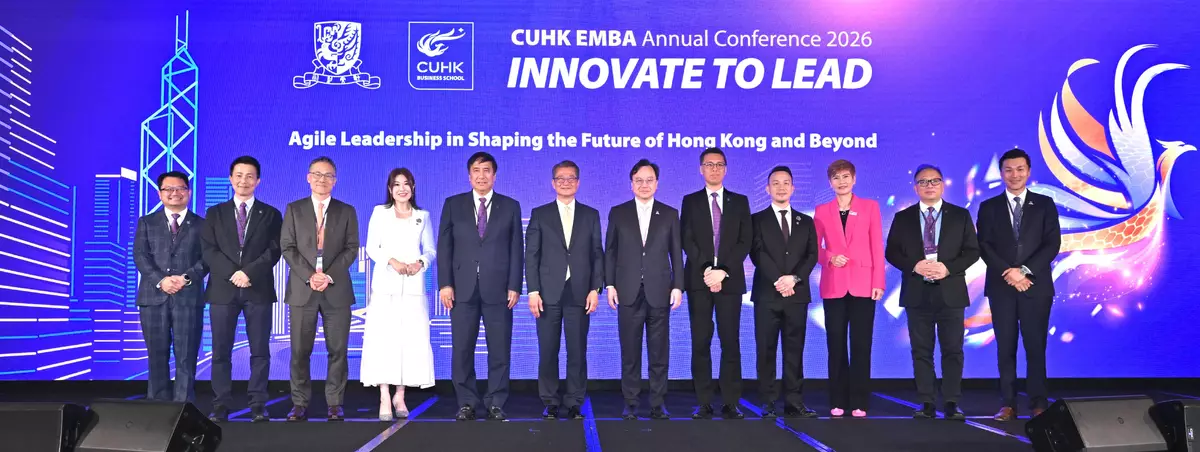
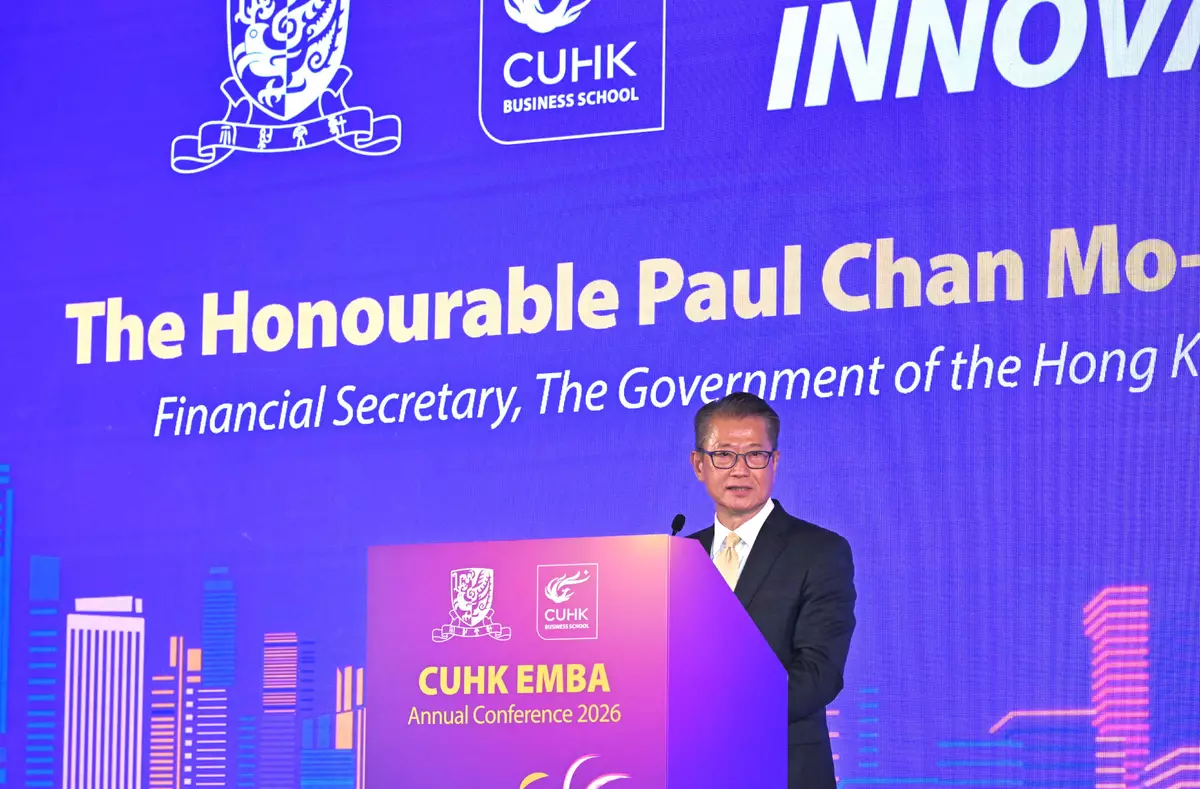
Speech by FS at CUHK EMBA Annual Conference
Following is the speech by the Financial Secretary, Mr Paul Chan, at the CUHK EMBA Annual Conference today (May 9):
Professor Dennis Lo (Vice-Chancellor and President, the Chinese University of Hong Kong (CUHK)), Professor Lin Zhou (Dean, CUHK Business School), Macy (Chairperson of Organizing Committee, Ms Macy Chan), Michael (Chairperson of Organizing Committee, Mr Michael Chan), CUHK EMBA alumni and students, business leaders, distinguished guests and friends,
Good evening.
Addressing a room full of Executive MBA students and graduates is both an honour and a privilege. There is a particular kind of ambition in this room — one that is not content with success alone, but driven to understand it more deeply, in the belief that better ideas lead to greater impact.
That kind of commitment — to learning, to growth, to asking harder questions — is precisely what today's conversation is about.
The theme of this conference, which focuses on innovation and agile leadership, could not be more timely. Most of us here have lived through the Internet age and the smartphone revolution, which made communication faster and more seamless than anyone had imagined.
Today, the rise of AI places us at a more fundamental tipping point. Technology is not merely changing the answers — it is redefining the questions themselves.
Consider what is already within reach. An AI assistant can learn your preferences, curate a personalised shortlist, and simply ask for your confirmation. We should even ask whether the smartphone and the search engine will remain our primary gateways to the digital world, or whether something altogether new is already taking shape.
To draw an analogy, the power of technology does not lie in drawing the old map with greater precision. It lies in revealing how much of that map remains uncharted — and in showing us that entirely new maps, with new co-ordinates, are being drawn.
This redefinition is unfolding across three dimensions simultaneously.
First, the redefinition of products. Products are no longer discrete, standalone objects. A smart car is a vehicle, but also a mobile platform for data. An insurance policy can be a contract, but equally a dynamic reflection of health data. Innovation today is born from cross-sector convergence and continuous evolution.
Second, the redefinition of services. Services are no longer delivered solely by enterprises. They emerge from collaborative networks of people and AI. But the more profound shift is in what customers now expect. In the past, good service meant reaching the right person quickly. Today, customers expect a solution that anticipates their needs before articulating them. This requires a new architecture of service delivery: human and machine, with AI handling the scale, the speed, and the personalisation that no human team alone could sustain.
Third, and most importantly, the redefinition of business models. In the past, we sought optimal solutions within established frameworks — when demand rose, we expanded capacity; when service needs grew, we opened more branches. Technology invites us to break out of those frameworks entirely. Intelligent manufacturing means that "economies of scale" is no longer the only answer; flexible supply chains have made customised, on-demand production the new normal.
These three redefinitions are opening a commercial frontier unlike anything we have seen before. But if the benefits of technology accrue only to a small circle, its power remains fundamentally constrained. This brings me to the second message I want to leave with you today: inclusivity.
Inclusivity is not charity. Yet it is the smartest business strategy available. The unmet needs of the broader public represent the largest and most underserved market opportunity in existence. When you make quality healthcare, education and financial services accessible and affordable to ordinary residents, you are not serving a group in need of handouts — you are unlocking a vast market that traditional business models have consistently overlooked.
Hong Kong has a distinctive role to play here. We can be a co-architect of standards, a hub for capital, and a bridge between innovation and real-world deployment — from clinical validation of smart healthcare, to green technology financing, to regulatory sandboxes for fintech. Our contribution draws not only on institutional strengths and international networks, but on our genuine commitment to broad-based participation.
Yet inclusive products and services are only the first step. The deeper dimension is empowerment.
History reminds us that the dividends of technological revolution need to be actively guided to reach the many. In the age of steam, and again in the Internet era, early gains concentrated among capital owners and top-tier talent. But today we have the opportunity to write a different story. AI, as an amplifier of human capability, is already enabling what was previously unimaginable: a solo entrepreneur, with the right tools and the right vision, can build a unicorn.
In other words, the unit of competitive advantage is shifting — from the size of your team to the skill with which you orchestrate your tools.
Our mission should be to make that shift available to everyone. To turn individual readiness into collective prosperity, and to ensure that the productivity gains of AI flow broadly across the society.
This is precisely why, in this year's Budget, I placed such emphasis on the "AI Training for All" initiative.
We are not trying to turn everyone into an engineer. We are ensuring that workers, managers, SME (small and medium-sized enterprise) owners, and ordinary residents become capable collaborators with AI: people who can access it, use it effectively, and put it to work as their assistant.
That may sound ambitious, but consider this: if AI can one day be as intuitive as the smartphone, then mass adoption is not difficult to imagine at all. Just as computers once migrated from specialist facilities into offices and homes, AI will find its way into everyone's daily work and life.
For business leaders, it may be tempting to think of AI as "digital employee" that can replace existing workers. But think of a different framing: equipping your workforce with powerful digital assistants can achieve productivity gains, while also freeing your people to do what humans do best — create, imagine and innovate.
Companies that take those extra steps, and think those extra moves ahead, will find that an empowered workforce is also a more innovative one.
All in all, the power of technology must ultimately be measured by its contribution to inclusive growth. And inclusive growth, in the end, depends on, yes, commercial acumen — but also empathy, compassion, and the conviction that a rising tide should lift all boats. I can see that those qualities live in this room.
I will close with this thought. Someone once joked that economists know the price of everything and the value of nothing. With AI, let us never fall into the same trap — in our race to price every efficiency gain, let us not lose sight of the deeper value we are trying to create: a society where the fruits of innovation are broadly shared, and where technology lifts not just the fortunate few, but everyone willing to reach for it.
So here is my ask: let us grow the pie together. And make sure we cut it well.
Thank you very much.
Source: AI-found images
Speech by FS at CUHK EMBA Annual Conference Source: HKSAR Government Press Releases
Source: AI-found images