Now that the NCAA has taken care of its business, its president wants Congress to deliver.
NCAA President Charlie Baker, who like his predecessor is a proponent of federal legislation to lock in some of the seismic changes hitting college sports, told The Associated Press on Tuesday that draft legislation circulating in Washington is what the association has been asking for. Now, it's simply a matter of passing it.
“One of the messages we got from them was, ‘Clean up your own house first, and then come talk to us,’” said Baker, a former Massachusetts governor whose political acumen was a key selling point when he was selected for the NCAA job in 2023.
The NCAA delivered, Baker said, with new rules that guarantee better post-graduate health care and scholarship protections for athletes, and then with the crown jewel of reforms — the $2.8 billion lawsuit settlement that a federal judge approved last week.
The most fundamental change from the settlement is that schools can now directly pay players through revenue-sharing.
For that to work, though, Baker and the NCAA have been lobbying for a limited form of antitrust protection that would prevent, for instance, lawsuits challenging the spending cap prescribed by the settlement, which will be $20.5 million in the first year. The Washington Post reported that draft legislation would include room for that sort of protection.
Baker suggested that antitrust exemption might also include a carve-out for eligibility rules, which is not part of the settlement but that has landed the NCAA in court as a defendant in various lawsuits challenging a long-held rule that athletes have five years to complete four seasons of eligibility.
“The consequences of this for the next generation of young people, if you play this thing out, are enormous,” Baker said. “You're moving away from an academic calendar to sort of no calendar for college sports, and that is hugely problematic.”
Baker said the other top two priorities for the legislation are
—A preemption of state laws that set different rules for paying players, which amounts to “competitive advantage stuff" for state legislatures seeking to give their public universities a recruiting edge.
“That's not just an issue for the NCAA on a level-playing-field basis, it's an issue for the conferences,” Baker said.
Greg Sankey, the commissioner of the Southeastern Conference, agrees with that, recently saying that it was not good to have a league spanning 12 states operating under 12 different laws guiding player payments and other elements of college sports.
—A ban on college athletes being deemed employees. Recently, Tennessee athletic director Danny White suggested collective bargaining for players was “the only solution.” Whether that would lead to a direct employment model is difficult to know, but Baker said he's not the only one against it.
“This is something every student leadership group I've ever talked to has pretty strong feelings about," he said. “They want to be students who play sports, they don't want to be employees because a lot of them worry about what the consequences for their time as students will be if they're obliged to be employees first.”
Speaking to athletic directors later Tuesday, Baker conceded the transition will bring challenges. One of which, he noted, is the quick turnaround from the June 6 decision to July 1, when the settlement goes into effect.
“The fact that this decision comes only a few days before it goes live is admittedly challenging. Challenge of this scale is gonna be hard, and the transition will be rocky, and as is always the case, no one gets everything they want in a settlement,” Baker said.
At the National Association of Collegiate Directors of Athletics Convention in Orlando, Florida, athletic directors and department personnel from all levels are comparing notes and sharing insights on how to navigate the upcoming changes.
Baker recognized the settlement doesn't have a 100% satisfaction rate, but he warned that it's better than the alternative.
“Blame whoever you wish to blame, but this simple truth is clear: College sports’ collective inability or unwillingness to change, years ago, put the entire enterprise at risk," he said. "Is the settlement disruptive? Yeah, very much so. But it’s an opportunity for the D1 community to pay for back damages over 10 years instead of triple that amount all at once, and it creates a future that comes with choices instead of bankruptcy.”
AP Sports Writer Maura Carey contributed to this report.
Get poll alerts and updates on the AP Top 25 throughout the season. Sign up here. AP college football: https://apnews.com/hub/ap-top-25-college-football-poll and https://apnews.com/hub/college-football
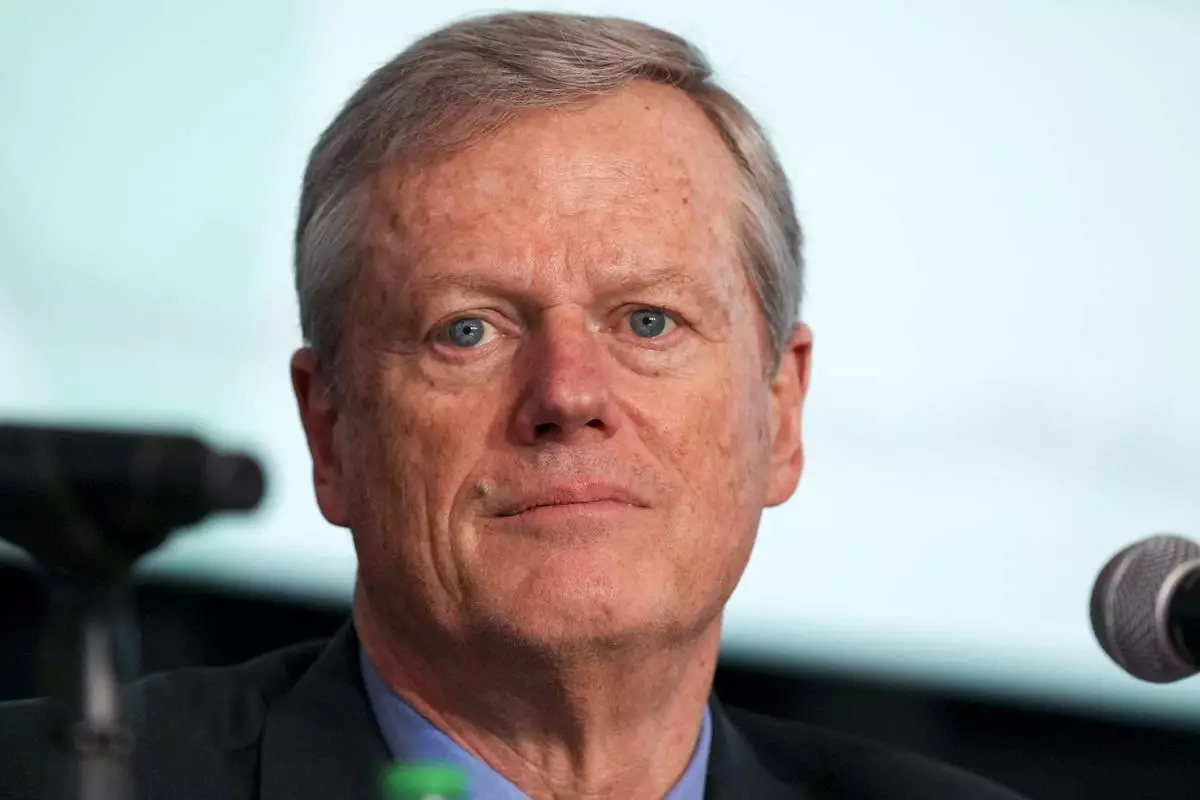
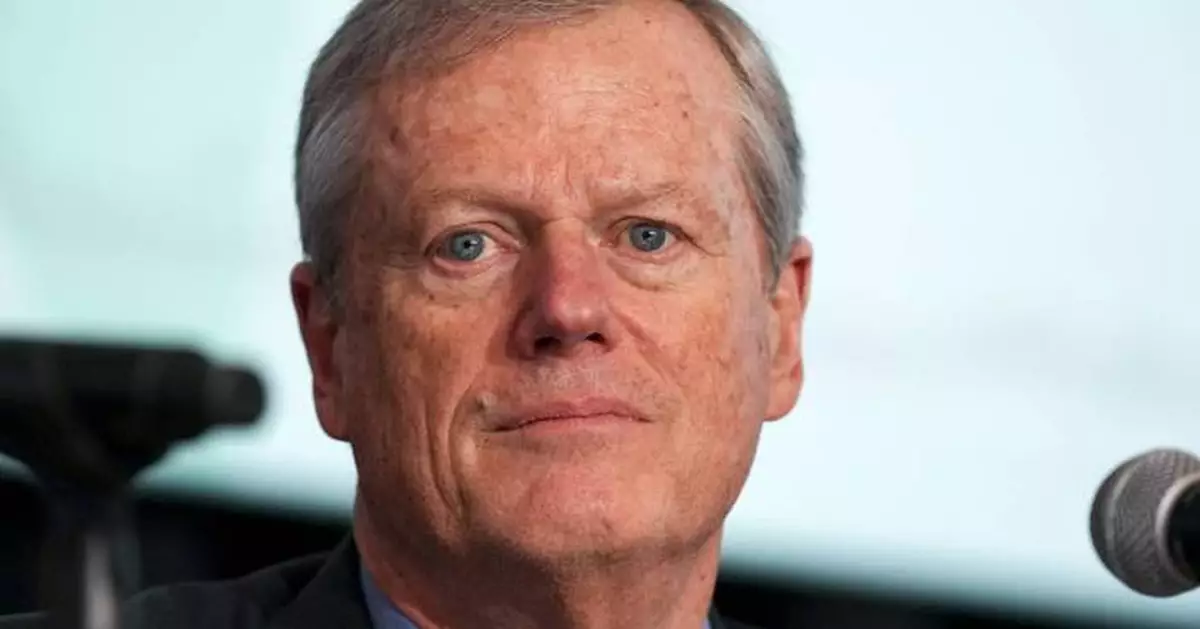
FILE - NCAA President Charlie Baker attends the organization's annual convention in Nashville, Tenn., on Wednesday, Jan. 15, 2025 (AP Photo/George Walker IV, File)