Skip to Content Facebook Feature Image

Greenland and Iceland saw record heat in May. What does that mean for the world?

News

Greenland and Iceland saw record heat in May. What does that mean for the world?
News

News

Greenland and Iceland saw record heat in May. What does that mean for the world?

2025-06-12 01:42 Last Updated At:01:51

Human-caused climate change boosted Iceland and Greenland ’s temperatures by several degrees during a record-setting May heat wave, raising concerns about the far-reaching implications melting Arctic ice has for weather around the world, scientists said in an analysis released Wednesday.

The Greenland ice sheet melted many times faster than normal during the heat wave, according to the analysis by World Weather Attribution, with at least two communities seeing record temperatures for May. Parts of Iceland saw temperatures more than 10°C (18 °F) above average, and the country set a record for its warmest temperature in May when Egilsstadir Airport hit 26.6°C (79.9 F) on May 15.

More Images
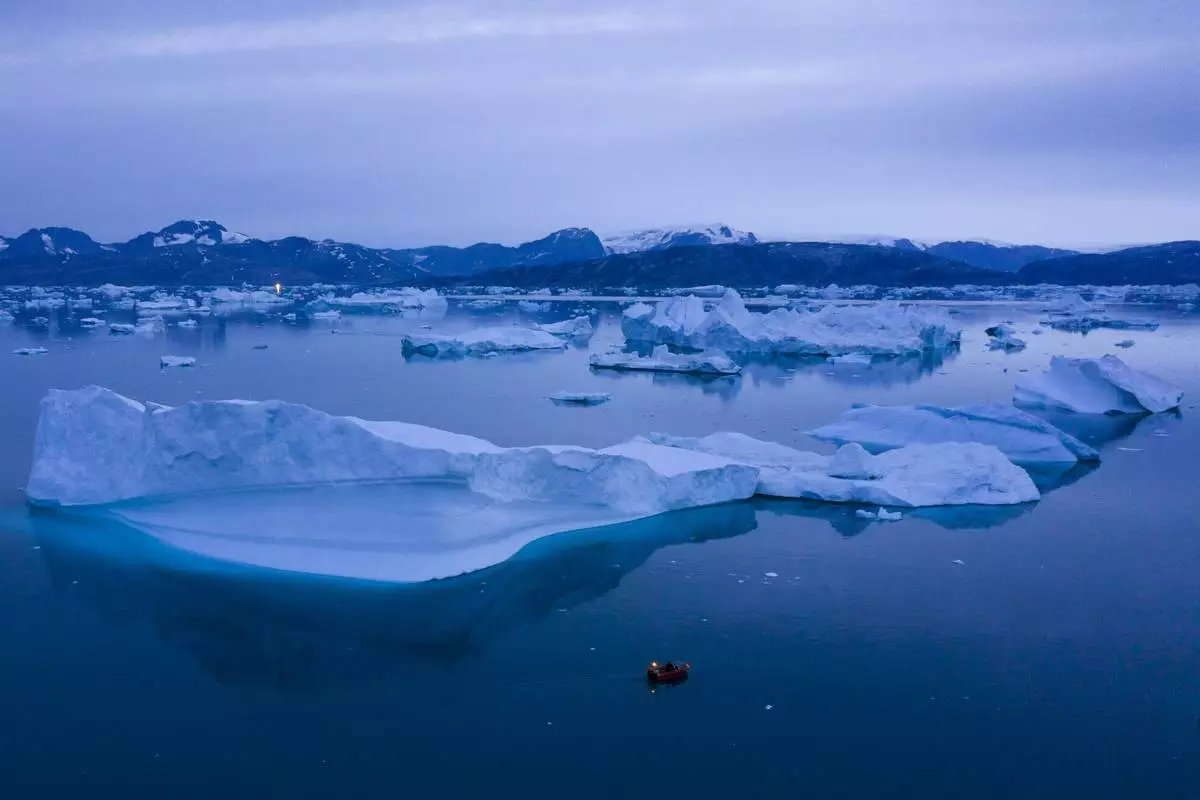
FILE - A boat navigates large icebergs near Kulusuk, in eastern Greenland, on Aug. 15, 2019. (AP Photo/Felipe Dana, File)
FILE - A boat navigates large icebergs near Kulusuk, in eastern Greenland, on Aug. 15, 2019. (AP Photo/Felipe Dana, File)

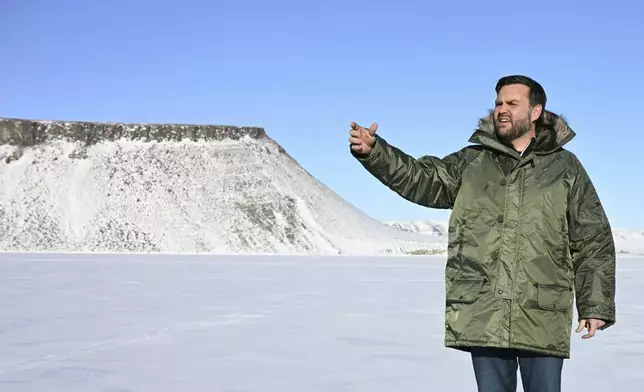
FILE - Vice President JD Vance tours Pituffik Space Base, in Greenland, March 28, 2025. (Jim Watson/AP Photo, File)
FILE - Vice President JD Vance tours Pituffik Space Base, in Greenland, March 28, 2025. (Jim Watson/AP Photo, File)

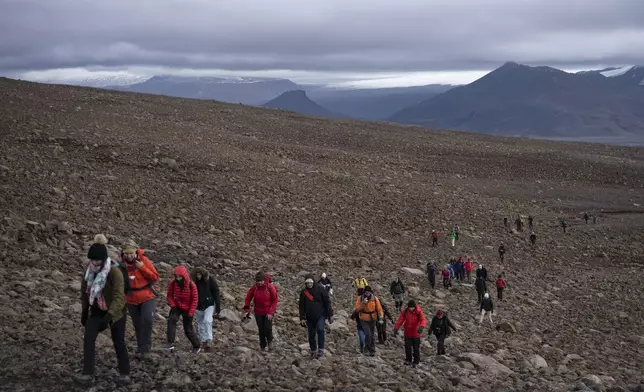
FILE - People climb to the top of what once was the Okjokull glacier, in Iceland, Aug. 18, 2019. (AP Photo/Felipe Dana, File)
FILE - People climb to the top of what once was the Okjokull glacier, in Iceland, Aug. 18, 2019. (AP Photo/Felipe Dana, File)

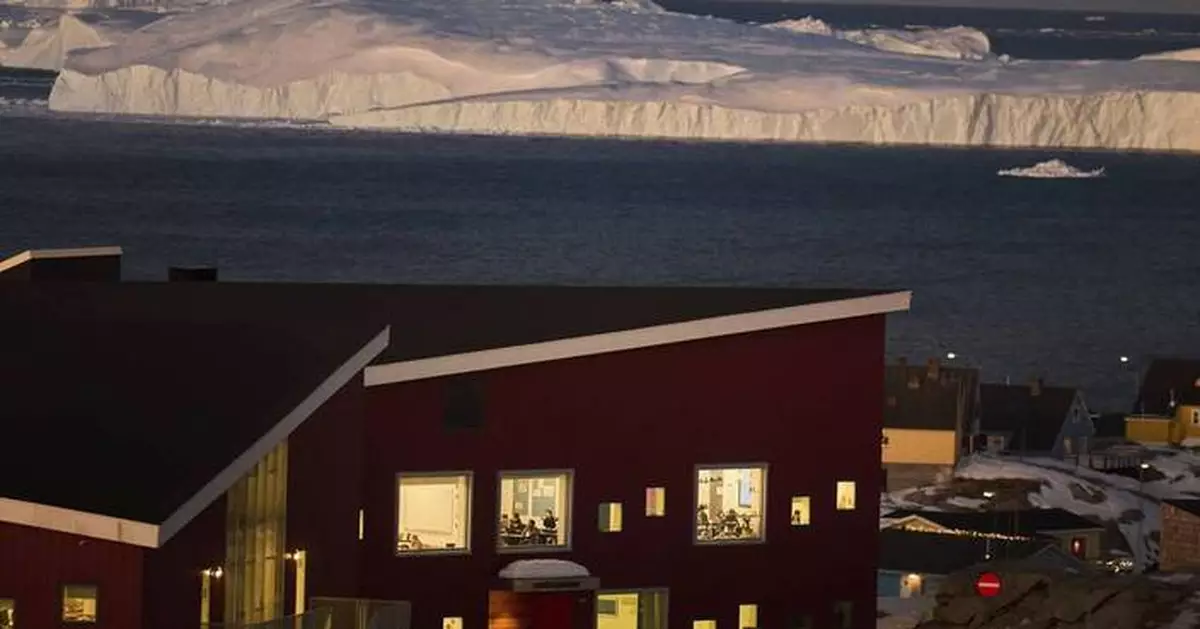
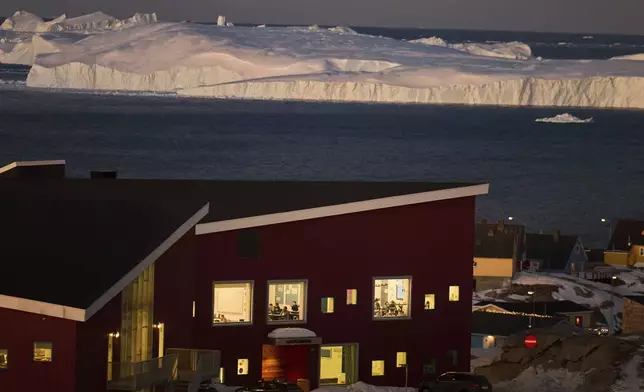
FILE - Public school pupils are seen inside their classrooms next to the large icebergs in Ilulissat, Greenland, Feb. 19, 2025. (AP Photo/Emilio Morenatti, File)

FILE - Public school pupils are seen inside their classrooms next to the large icebergs in Ilulissat, Greenland, Feb. 19, 2025. (AP Photo/Emilio Morenatti, File)

The findings come as global leaders put more focus on Greenland, a semi-autonomous territory of Denmark, following U.S. President Donald Trump's comments that he would like to annex the mineral-rich island.

Burning fossil fuels for electricity and transportation releases pollutants such as carbon dioxide that cause the planet to warm unnaturally fast. The Arctic is one of the fastest-warming places on Earth.

Even in today’s climate, the occurrence of such a strong heat wave in the region is relatively rare, with a 1% chance of occurring in a year, the analysis said. But without human-caused climate change, such an event would be “basically impossible,” said Friederike Otto, associate professor of climate science at Imperial College London, one of the report’s authors.

The extreme heat was 40 times more likely compared to the pre-industrial climate.

Otto said this extreme weather event affects the world.

As the Greenland ice sheet melts, it releases massive amounts of fresh water into the salty oceans. Scientists say this could slow down the Atlantic Meridional Overturning Circulation, an ocean current that circulates water from the Gulf of Mexico across the Atlantic Ocean to Europe and then the Arctic.

Such a slowdown could disturb global climate and weather patterns.

“The nature of weather in the Northern Hemisphere is directly tied to what’s happening in the Arctic, because that ice floor basically at the bottom of the atmosphere helps determine the weather patterns that we get,” said Waleed Abdalati, who heads an environmental sciences institute at the University of Colorado Boulder. He was not involved in the WWA analysis.

The Greenland ice sheet and other ice covering the Arctic can influence where and when wind blows, how much water content the wind has and whether precipitation falls as rain or snow.

Most of the melting of the Greenland ice sheet happens in June, July and August. The May heat wave means there will be a longer melting season this year.

Melting ice sheets and glaciers also contribute to sea level rise that is threatening to flood coastlines globally and inundate low-lying island nations in the Pacific Ocean.

Indigenous communities in Greenland are increasingly encountering dangerous travel conditions as sea ice that was once constantly frozen begins to thaw. Access to traditional hunting locations are lost, and sled dogs can no longer travel the same routes. Thawing permafrost can destabilize buildings and increases the risk of landslides and tsunamis caused by landslides.

Greenland was recently thrust onto the global stage with Trump's interest in annexing it. The Arctic island is rich with oil, gas and rare earth minerals, and its proximity to the U.S., Russia and Europe has geopolitical appeal.

Greenland's Prime Minister Jens-Frederik Nielsen has said Greenland “will never, ever be a piece of property that can be bought by just anyone.”

Twila Moon, deputy lead scientist at the U.S.-based National Snow and Ice Data Center, said it is essential that Greenlanders lead decisions about their territory. “Certainly an important part of this conversation is about climate change and climate impacts,” she said. She was not involved in the WWA analysis.

Moon said the climate impacts Greenland is experiencing, particularly the warming global temperatures, stem from well-identified sources such as highly polluting nations and industries. She said actions such as converting to solar or wind energy and switching to transportation that emits less pollution create positive climate impacts for people far away.

The Associated Press’ climate and environmental coverage receives financial support from multiple private foundations. AP is solely responsible for all content. Find AP’s standards for working with philanthropies, a list of supporters and funded coverage areas at AP.org.
FILE - A boat navigates large icebergs near Kulusuk, in eastern Greenland, on Aug. 15, 2019. (AP Photo/Felipe Dana, File)
FILE - A boat navigates large icebergs near Kulusuk, in eastern Greenland, on Aug. 15, 2019. (AP Photo/Felipe Dana, File)

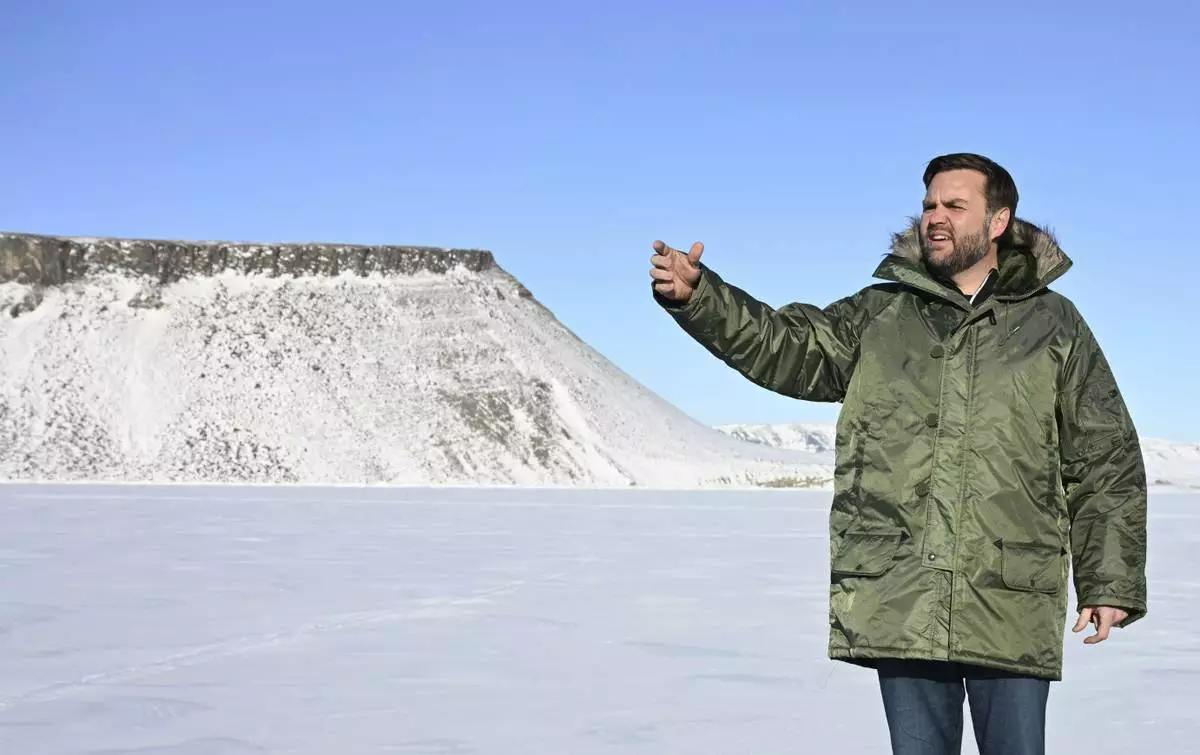
FILE - Vice President JD Vance tours Pituffik Space Base, in Greenland, March 28, 2025. (Jim Watson/AP Photo, File)
FILE - Vice President JD Vance tours Pituffik Space Base, in Greenland, March 28, 2025. (Jim Watson/AP Photo, File)

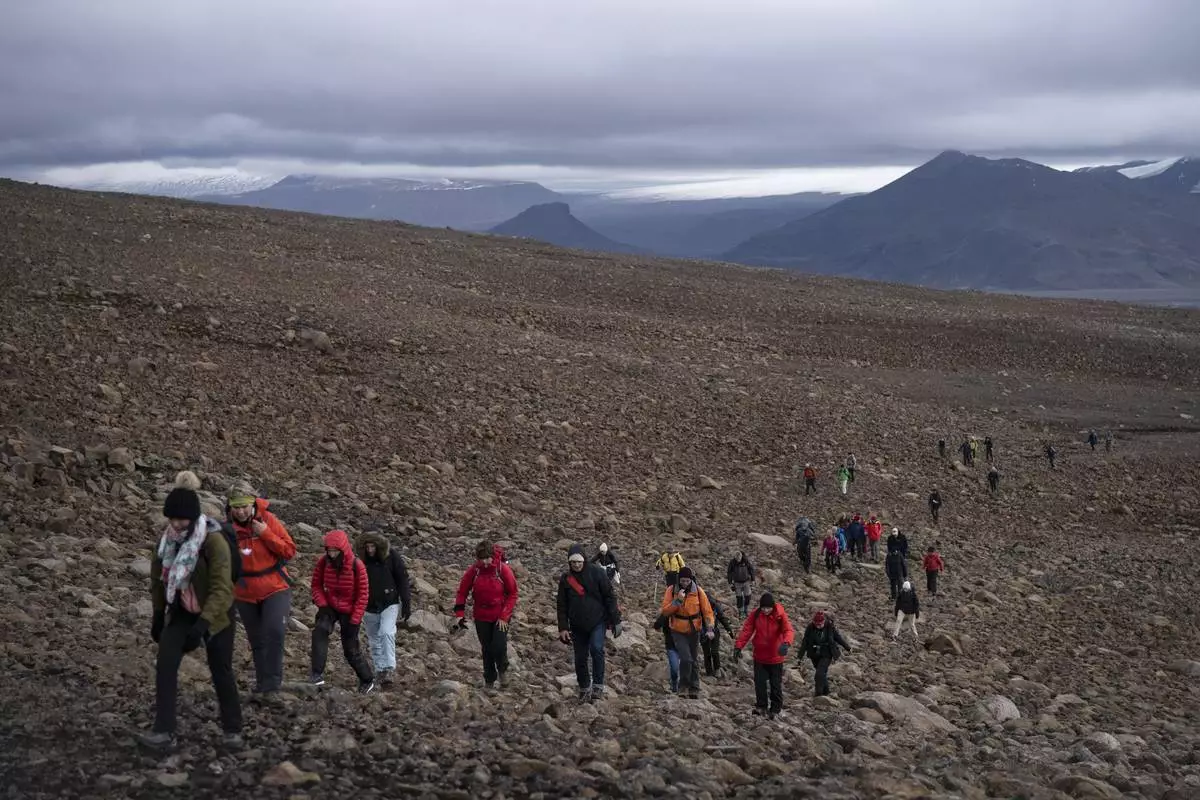
FILE - People climb to the top of what once was the Okjokull glacier, in Iceland, Aug. 18, 2019. (AP Photo/Felipe Dana, File)
FILE - People climb to the top of what once was the Okjokull glacier, in Iceland, Aug. 18, 2019. (AP Photo/Felipe Dana, File)

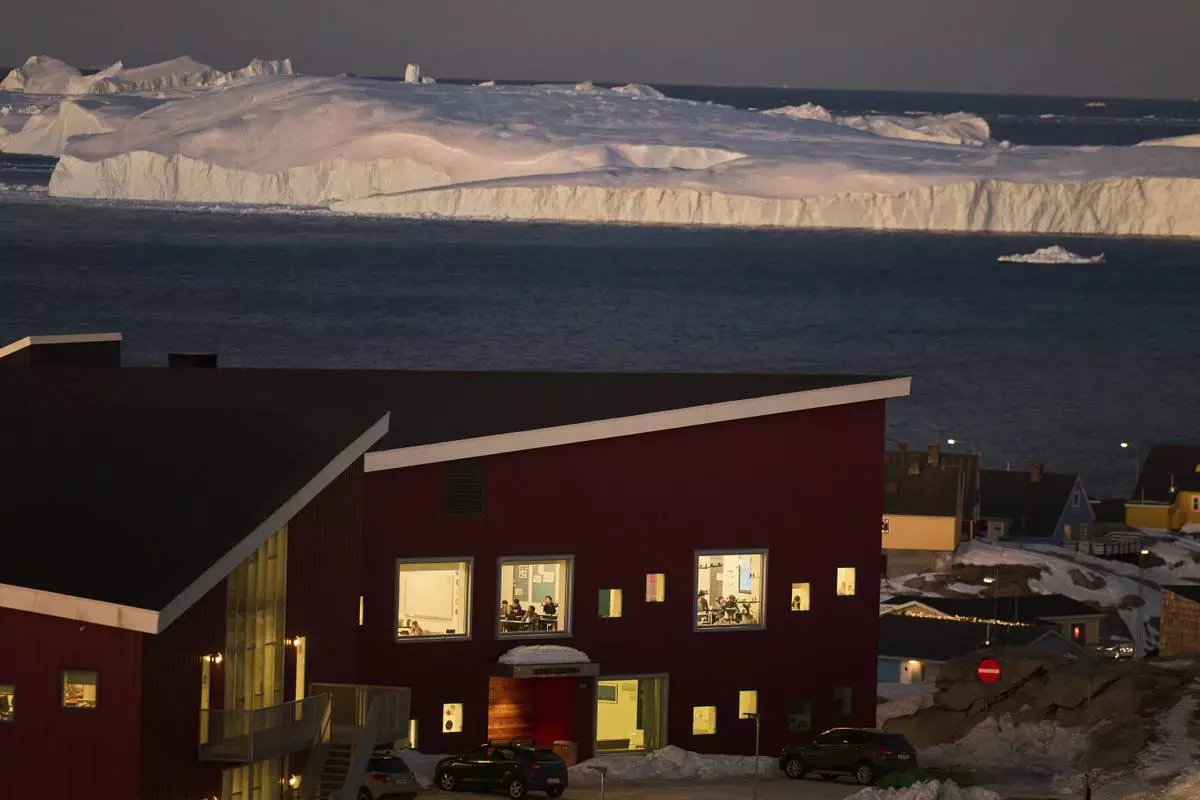
FILE - Public school pupils are seen inside their classrooms next to the large icebergs in Ilulissat, Greenland, Feb. 19, 2025. (AP Photo/Emilio Morenatti, File)
FILE - Public school pupils are seen inside their classrooms next to the large icebergs in Ilulissat, Greenland, Feb. 19, 2025. (AP Photo/Emilio Morenatti, File)
ALEPPO, Syria (AP) — First responders on Sunday entered a contested neighborhood in Syria’ s northern city of Aleppo after days of deadly clashes between government forces and Kurdish-led forces. Syrian state media said the military was deployed in large numbers.

The clashes broke out Tuesday in the predominantly Kurdish neighborhoods of Sheikh Maqsoud, Achrafieh and Bani Zaid after the government and the Syrian Democratic Forces, the main Kurdish-led force in the country, failed to make progress on how to merge the SDF into the national army. Security forces captured Achrafieh and Bani Zaid.

The fighting between the two sides was the most intense since the fall of then-President Bashar Assad to insurgents in December 2024. At least 23 people were killed in five days of clashes and more than 140,000 were displaced amid shelling and drone strikes.

The U.S.-backed SDF, which have played a key role in combating the Islamic State group in large swaths of eastern Syria, are the largest force yet to be absorbed into Syria's national army. Some of the factions that make up the army, however, were previously Turkish-backed insurgent groups that have a long history of clashing with Kurdish forces.

The Kurdish fighters have now evacuated from the Sheikh Maqsoud neighborhood to northeastern Syria, which is under the control of the SDF. However, they said in a statement they will continue to fight now that the wounded and civilians have been evacuated, in what they called a “partial ceasefire.”

The neighborhood appeared calm Sunday. The United Nations said it was trying to dispatch more convoys to the neighborhoods with food, fuel, blankets and other urgent supplies.

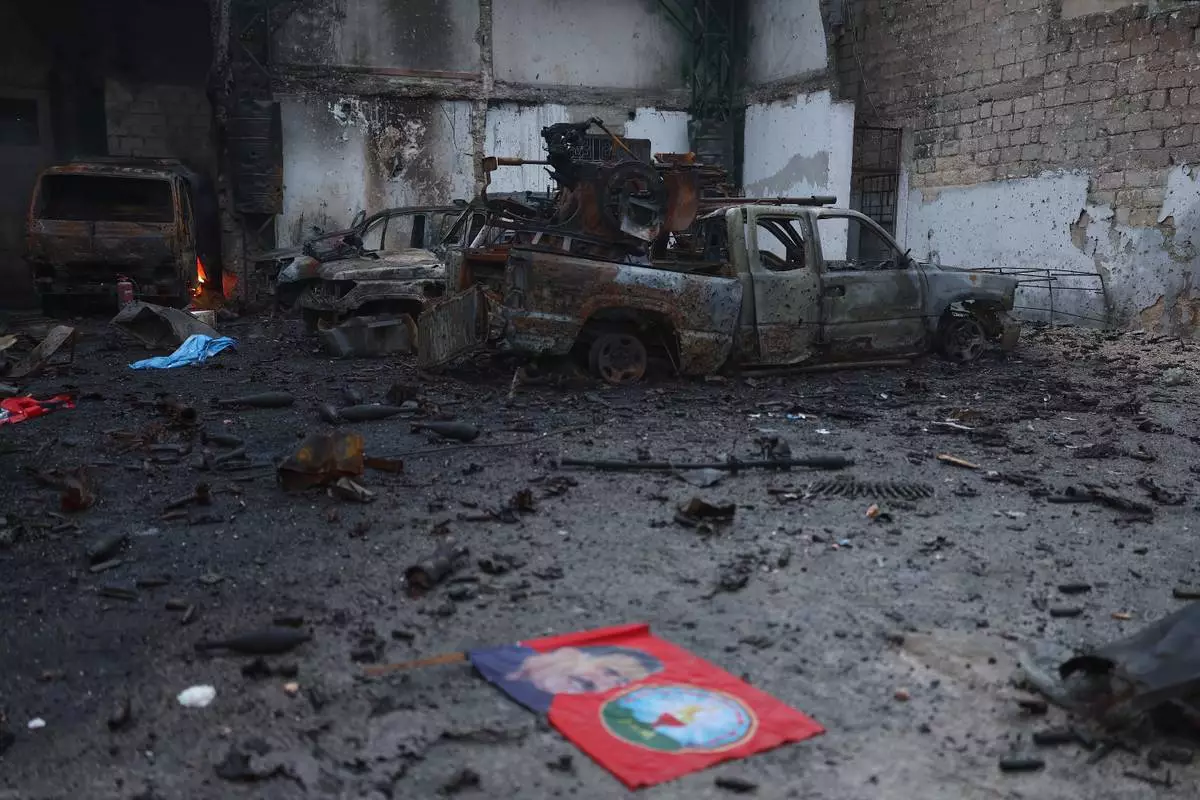
Government security forces brought journalists to tour the devastated area, showing them the damaged Khalid al-Fajer Hospital and a military position belonging to the SDF’s security forces that government forces had targeted.

The SDF statement accused the government of targeting the hospital “dozens of times” before patients were evacuated. Damascus accused the Kurdish-led group of using the hospital and other civilian facilities as military positions.

On one street, Syrian Red Crescent first responders spoke to a resident surrounded by charred cars and badly damaged residential buildings.

Some residents told The Associated Press that SDF forces did not allow their cars through checkpoints to leave.

“We lived a night of horror. I still cannot believe that I am right here standing on my own two feet,” said Ahmad Shaikho. “So far the situation has been calm. There hasn’t been any gunfire.”

Syrian Civil Defense first responders have been disarming improvised mines that they say were left by the Kurdish forces as booby traps.

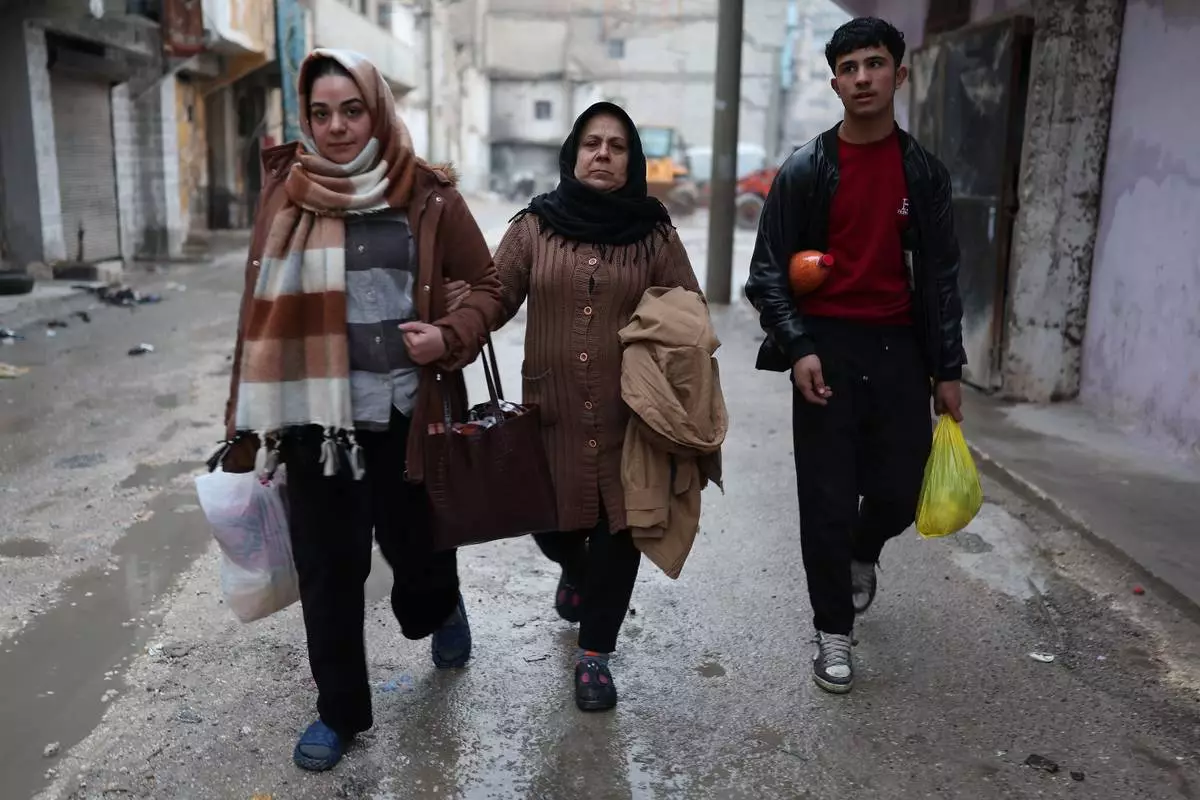
Residents who fled are not being allowed back into the neighborhood until all the mines are cleared. Some were reminded of the displacement during Syria’s long civil war.

“I want to go back to my home, I beg you,” said Hoda Alnasiri.

Associated Press journalist Kareem Chehayeb in Beirut contributed to this report.

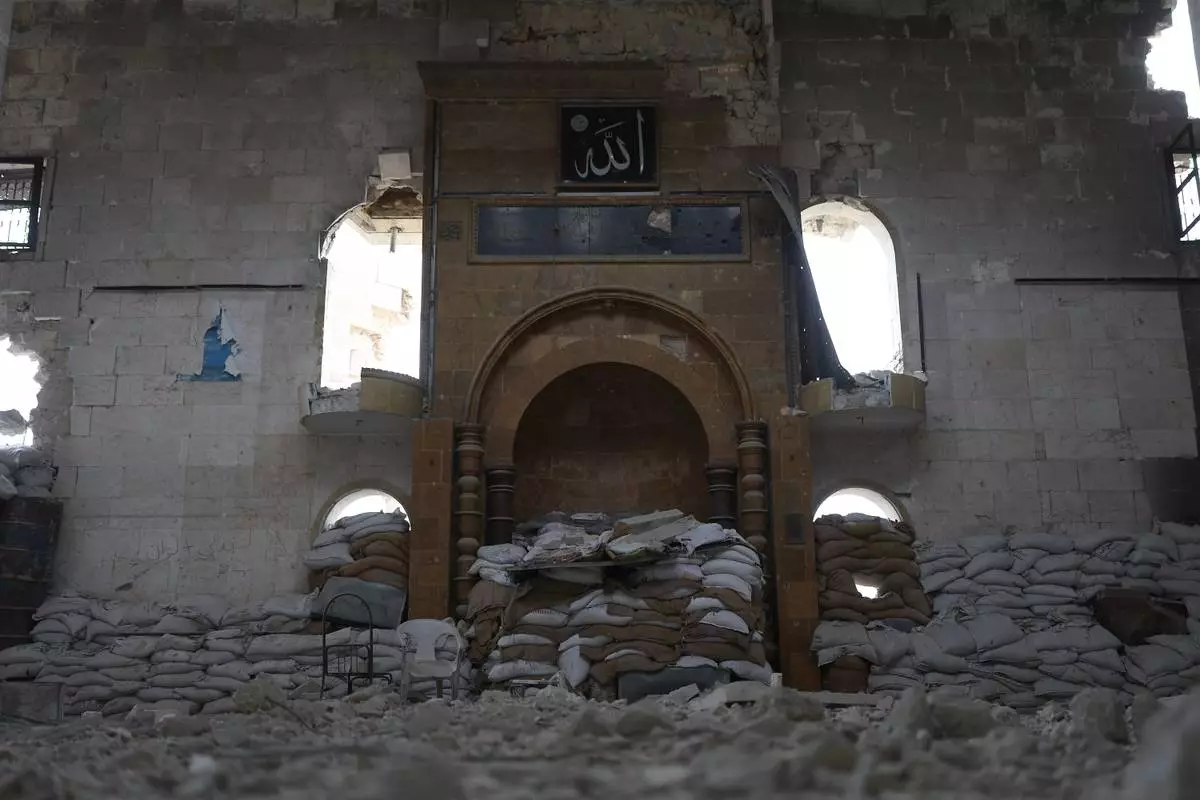
Sandbag barriers used as fighting positions by Kurdish fighters, left inside a destroyed mosque in the Sheikh Maqsoud neighborhood, where clashes between government forces and Kurdish fighters have been taking place in the northern city of Aleppo, Syria, Sunday, Jan. 11, 2026. (AP Photo/Ghaith Alsayed)

Sandbag barriers used as fighting positions by Kurdish fighters, left inside a destroyed mosque in the Sheikh Maqsoud neighborhood, where clashes between government forces and Kurdish fighters have been taking place in the northern city of Aleppo, Syria, Sunday, Jan. 11, 2026. (AP Photo/Ghaith Alsayed)

Burned vehicles at one of the Kurdish fighters positions at the Sheikh Maqsoud neighborhood, where clashes between government forces and Kurdish fighters have been taking place in the northern city of Aleppo, Syria, Sunday, Jan. 11, 2026. (AP Photo/Ghaith Alsayed)

Burned vehicles at one of the Kurdish fighters positions at the Sheikh Maqsoud neighborhood, where clashes between government forces and Kurdish fighters have been taking place in the northern city of Aleppo, Syria, Sunday, Jan. 11, 2026. (AP Photo/Ghaith Alsayed)

People flee the Sheikh Maqsoud neighborhood, where clashes between government forces and Kurdish fighters have been taking place in the northern city of Aleppo, Syria, Sunday, Jan. 11, 2026. (AP Photo/Ghaith Alsayed)

People flee the Sheikh Maqsoud neighborhood, where clashes between government forces and Kurdish fighters have been taking place in the northern city of Aleppo, Syria, Sunday, Jan. 11, 2026. (AP Photo/Ghaith Alsayed)

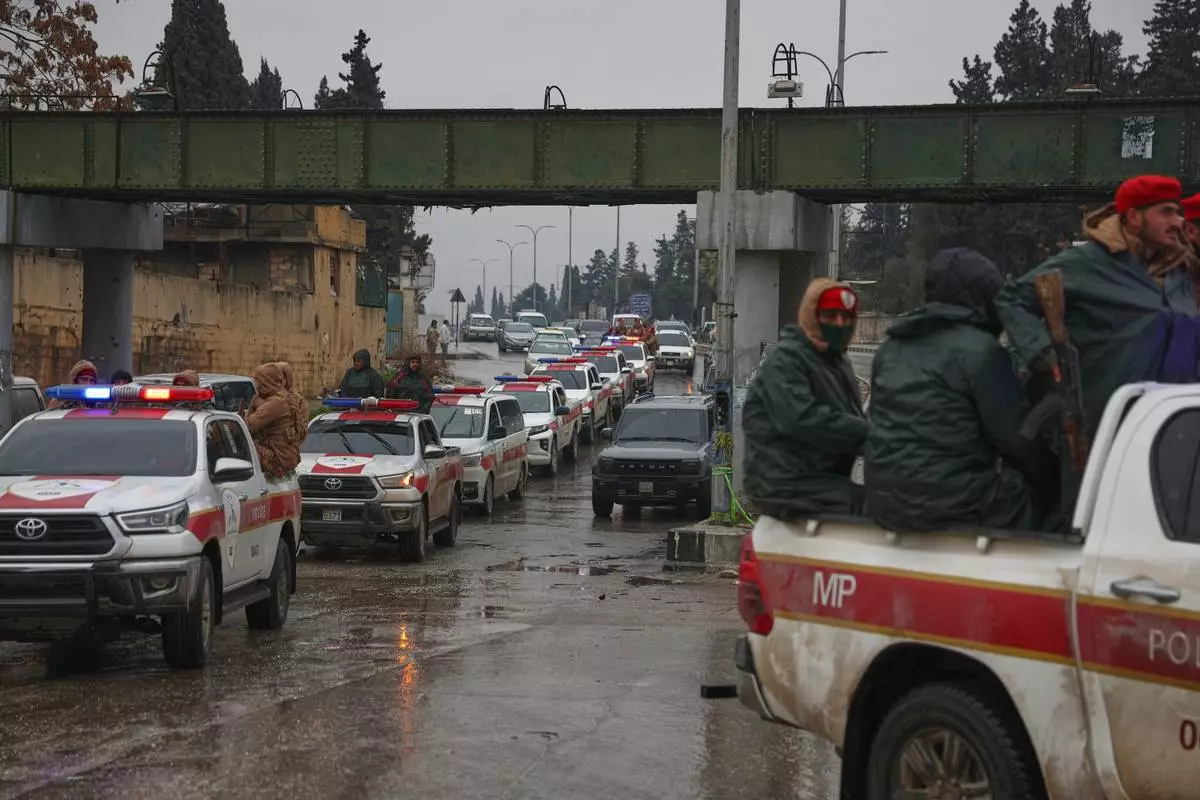
A Syrian military police convoy enters the Sheikh Maqsoud neighborhood, where clashes between government forces and Kurdish fighters have been taking place in the northern city of Aleppo, Syria, Sunday, Jan. 11, 2026. (AP Photo/Ghaith Alsayed)

A Syrian military police convoy enters the Sheikh Maqsoud neighborhood, where clashes between government forces and Kurdish fighters have been taking place in the northern city of Aleppo, Syria, Sunday, Jan. 11, 2026. (AP Photo/Ghaith Alsayed)

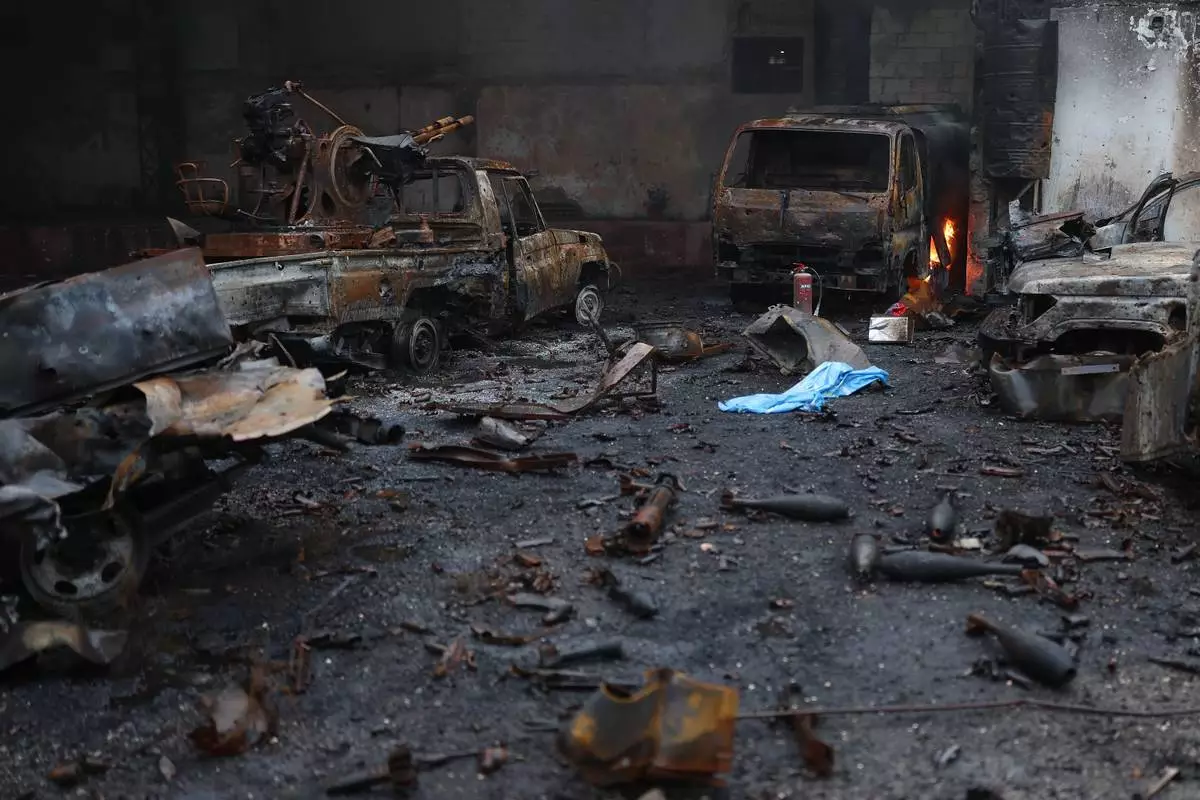
Burned vehicles and ammunitions left at one of the Kurdish fighters positions at the Sheikh Maqsoud neighborhood, where clashes between government forces and Kurdish fighters have been taking place in the northern city of Aleppo, Syria, Sunday, Jan. 11, 2026. (AP Photo/Ghaith Alsayed)

Burned vehicles and ammunitions left at one of the Kurdish fighters positions at the Sheikh Maqsoud neighborhood, where clashes between government forces and Kurdish fighters have been taking place in the northern city of Aleppo, Syria, Sunday, Jan. 11, 2026. (AP Photo/Ghaith Alsayed)

Recommended Articles