Amid turbulence in global trade, a monk fruit company from south China's Guangxi Zhuang Autonomous Region has successfully avoided price hikes by reducing costs with technological innovation, while raising revenue through a global expansion push.
Monk fruit, also known as Swingle fruit, is a small round fruit mainly grown in Yongfu County, in Guilin, where Chinese people have enjoyed the multiple health benefits of this delicious fruit for centuries.
Guilin GFS Monk Fruit Corp, one of the largest of its kind in the world, is an example of how Chinese companies are using technology to stay agile as they expand into global markets.
Monk fruit is becoming ever more popular as a zero-calorie natural sweetener, and is used in many drinks and snacks in the U.S., Europe and Japan.
The company’s president Lan Fusheng said about 85 percent of the company’s global sales last year came from monk fruit exports, and explained to China Global Television Network (CGTN) how the fruit is a symbol of China's innovation-driven export strength.
"We have the same goal. First, understanding each other is important to getting along with clients or the process of developing a business. Another one is how to address the problems and difficulties. For instance, in the case of this trade friction, we should have more discussions to see where our respective advantages lie, and which ones can be shared and solved together," said Lan.
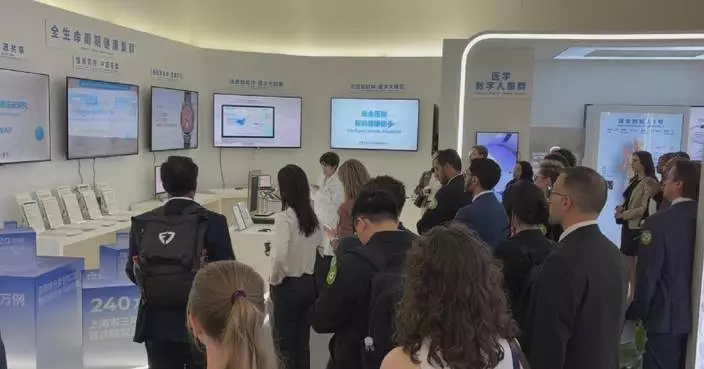
Lan's company has independently developed advanced monk fruit extraction technology., and, after six years of research and development, they have secured certification from the U.S. Food and Drug Administration. The company now holds over 130 global patents, supported by an expert team spanning 27 countries.
"We cultivated the varieties we currently use all by ourselves. We have nearly 130 patents worldwide and 27 experts from all over the world. Wherever a product is to be sold, local experts must be involved. The first product we developed was our monk fruit sweetener. We started the research and development of this product with the U.S. market in mind. We began developing it in 2004 and finally obtained the GRAS (generally recognized as safe) certification from the FDA in 2010, which marked the start of our overseas trade. To be precise, that's when the monk fruit started going out of China," said Lan.
While acknowledging that trade frictions have temporarily posed challenges for Chinese entrepreneurs, Lan says it is both a wake-up call and an opportunity for growth.
"First of all, I think we should have confidence. Whether it's unique resources, technologies or talents, only with these advantages can we have the power to speak and compete. Then I think we should have confidence in our country and our team. Secondly, everyone should recognize this product and need it. That way, they will also hope that this product can continue to serve their market," he said.
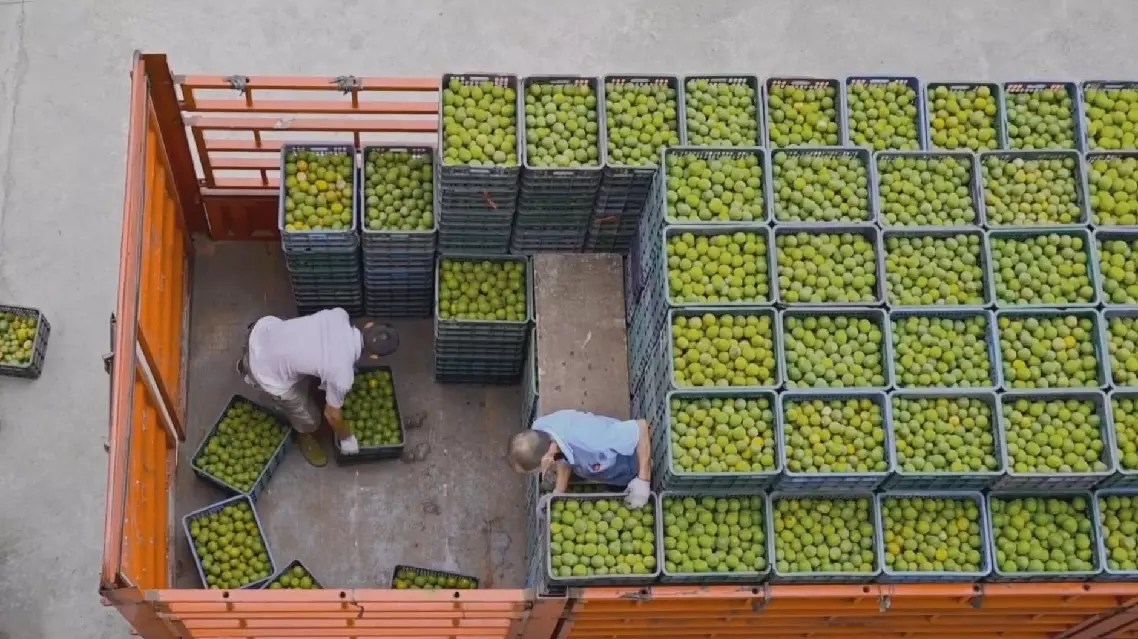
Innovative monk fruit company thrives despite trade challenges