China stands ready to work with Djibouti to fully implement the outcomes of the Forum on China-Africa Cooperation (FOCAC) Beijing Summit, said Chinese Foreign Minister Wang Yi on Wednesday when he met with Djibouti's Foreign Minister Abdoulkader Houssein Omar.
At the meeting in Changsha, capital of central China's Hunan Province, Wang, a member of the Political Bureau of the Communist Party of China Central Committee, said China stands ready to work with Djibouti to fully implement the outcomes of the FOCAC Beijing Summit and the important common understandings reached by the two heads of state, noting that China will continue to support Africa in strengthening solidarity and pursuing self-reliance, and in resolving African issues in African way.
Omar said Djibouti highly values its strategic partnership with China, firmly supports multilateralism and opposes unilateralism, and will enhance coordination with China to jointly address challenges.
Omar came to China for the Ministerial Meeting of Coordinators on the Implementation of the Follow-up Actions of the FOCAC.
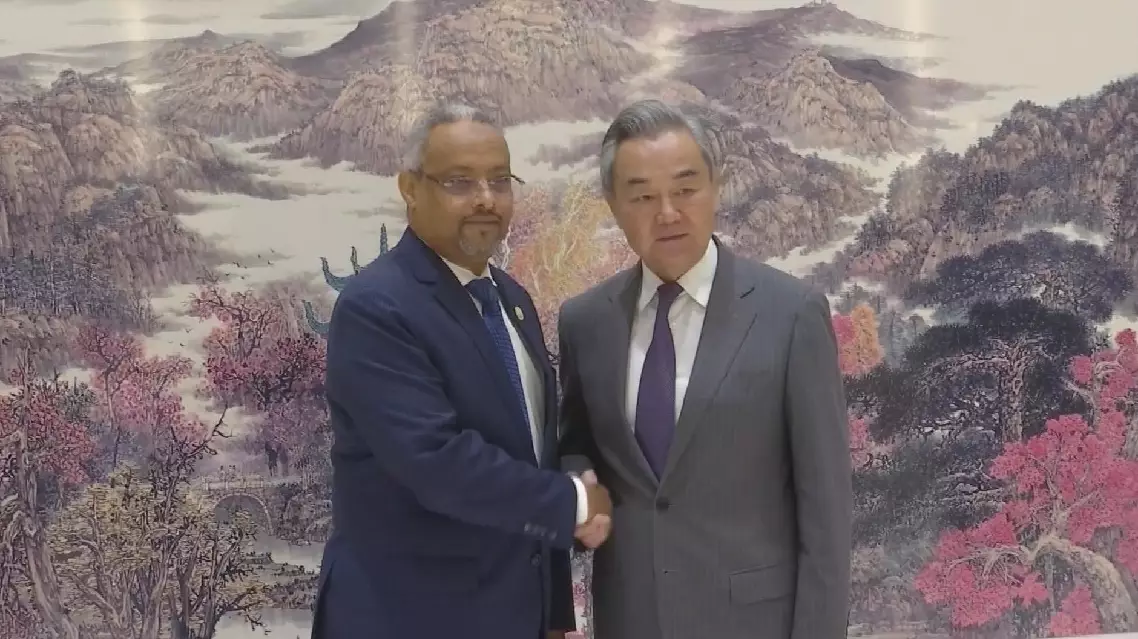
China stands ready to work with Djibouti to fully implement outcomes of FOCAC Beijing summit: FM
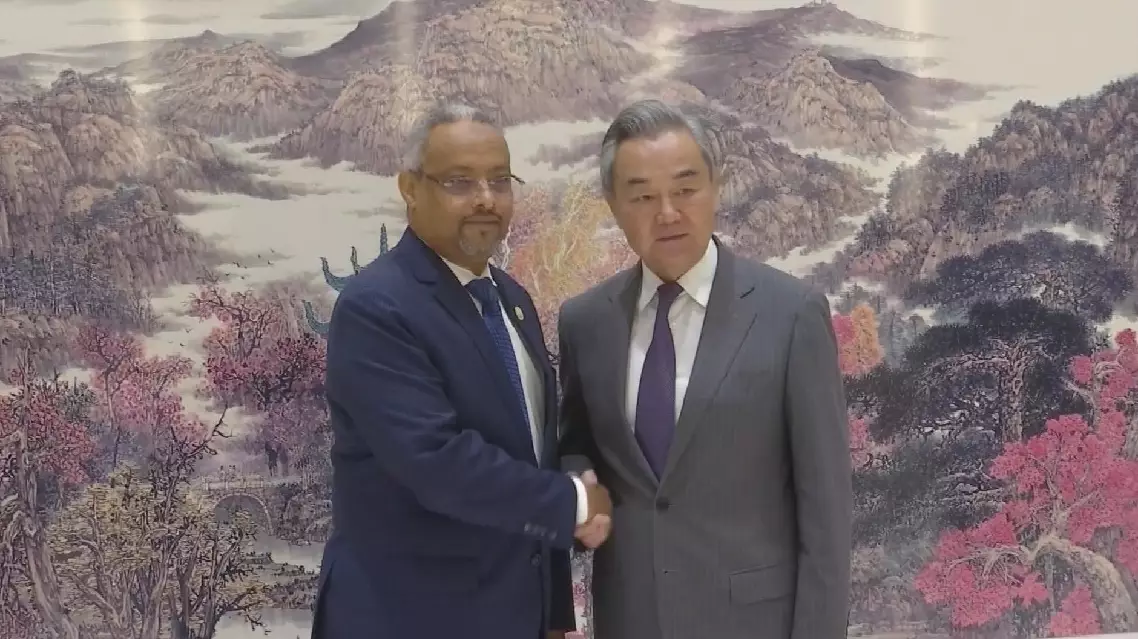
China stands ready to work with Djibouti to fully implement outcomes of FOCAC Beijing summit: FM
The Presidents of Colombia and Mexico have expressed firm opposition to U.S. threats of military intervention in their countries following a recent U.S. military operation that seized Venezuelan President Nicolas Maduro.
U.S. President Donald Trump issued a stark warning to Colombian President Gustavo Petro Sunday night, saying Petro "is not going to be doing it for very long."
When asked about the possibility of a U.S. military operation against Colombia, Trump replied, "It sounds good to me."
Trump told reporters on Air Force One that Colombia, which borders Venezuela, is "run by a sick man who likes making cocaine and selling it to the United States,"
In response, Petro has defended his government's track record on fighting drug trafficking and says he is ready to take up arms in the face of Trump's threats.
Trump has also targeted Mexico, saying the country is run by drug cartels.
Mexican President Claudia Sheinbaum on Monday rejected the possibility of U.S. intervention in Mexico to combat drug cartels, stressing the importance of maintaining national sovereignty and strengthening the country's unity.
During her usual daily press conference, Sheinbaum dismissed the need for talks with Trump, who has repeatedly suggested sending U.S. troops to Mexico to combat drug trafficking.
Any security cooperation must be based on mutual respect, national sovereignty, and collaboration without subordination, she stressed.
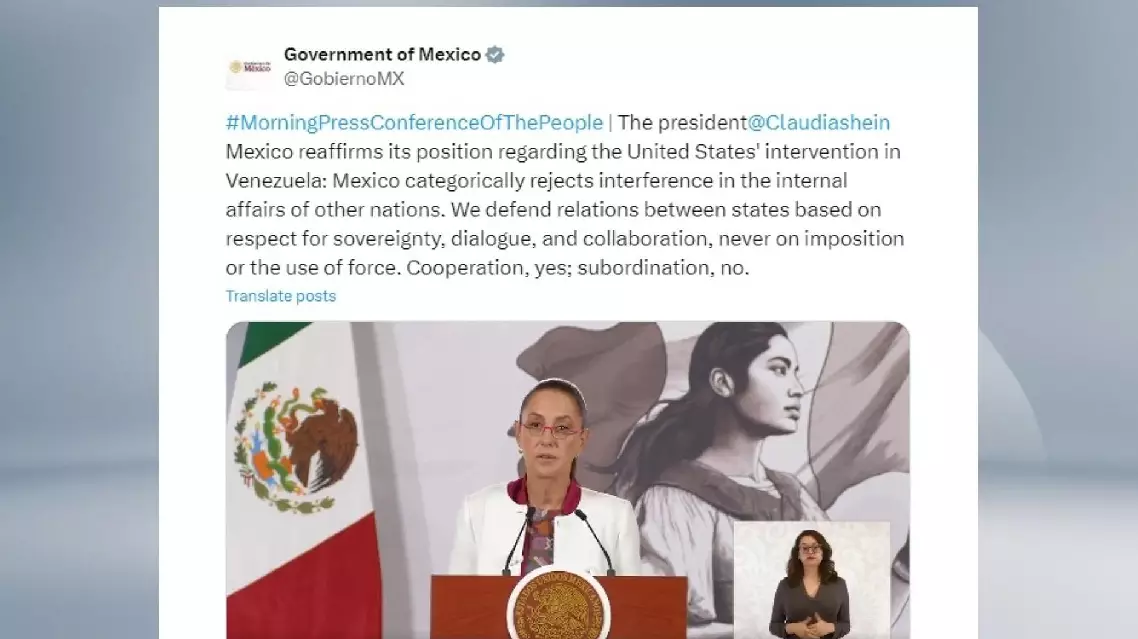
Colombia, Mexico firmly oppose US military intervention threats