KYIV, Ukraine (AP) — The number of Russian troops killed or wounded in Ukraine has topped 1 million, military officials in Kyiv said Thursday, describing the huge price that Moscow has paid for its 3-year-old invasion.
The claim by the General Staff of the Ukrainian armed forces, which came on a holiday celebrating Russia's sovereignty, is in line with Western intelligence estimates.
Click to Gallery
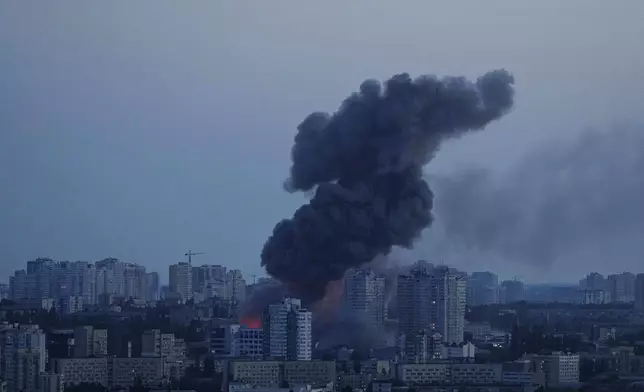
Smoke rises after a Russian air strike on Kyiv, Ukraine, on Friday, June 6, 2025. (AP Photo/Evgeniy Maloletka)
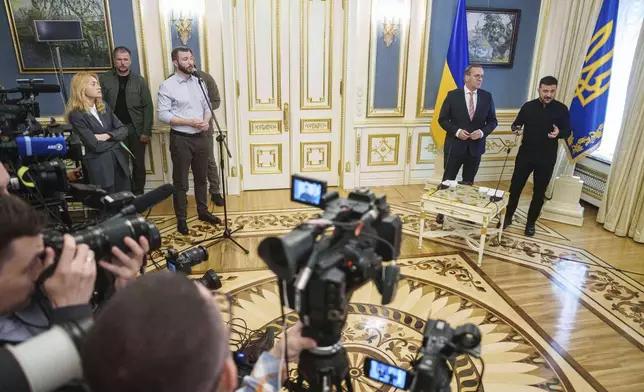
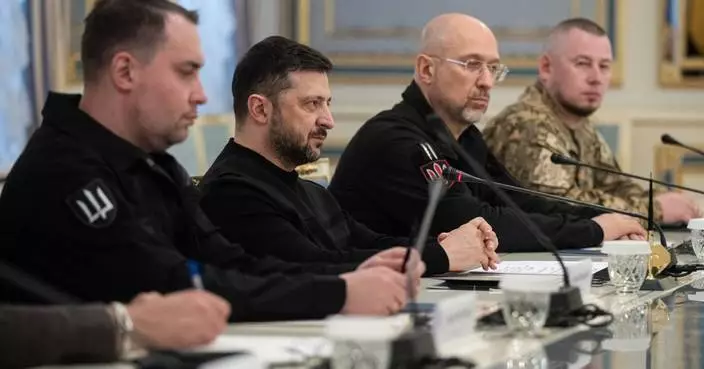
Ukrainian President Volodymyr Zelenskyy, right, and German Defence Minister Boris Pistorius attend a news conference during their meeting in Kyiv, Ukraine, on Thursday, June 12, 2025. (AP Photo/Evgeniy Maloletka)
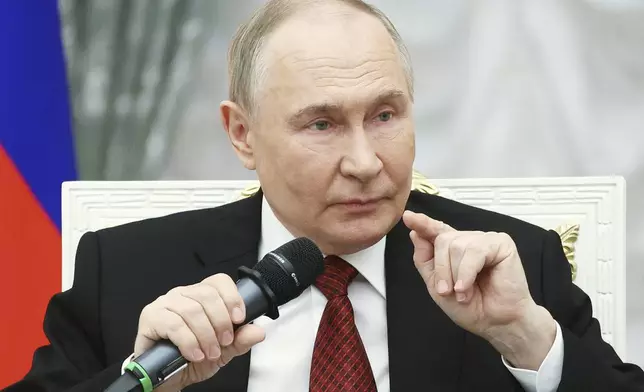
Russian President Vladimir Putin speaks with participants of the Time of Heroes, an educational program for veterans of special military operation, at the Kremlin in Moscow, Russia, Thursday, June 12, 2025. (Sergei Bulkin, Sputnik, Kremlin Pool Photo via AP)
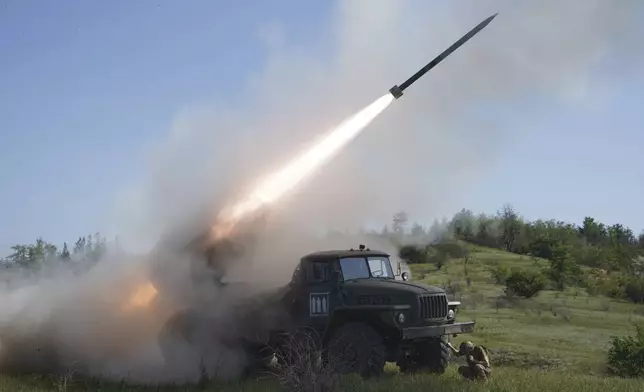
FILE - Soldiers of Ukraine's 30th Separate Mechanized Brigade fire a rocket toward Russian positions at the front line in the Donetsk region of Ukraine on Tuesday, June 3, 2025. (AP Photo/Andrii Marienko, File)
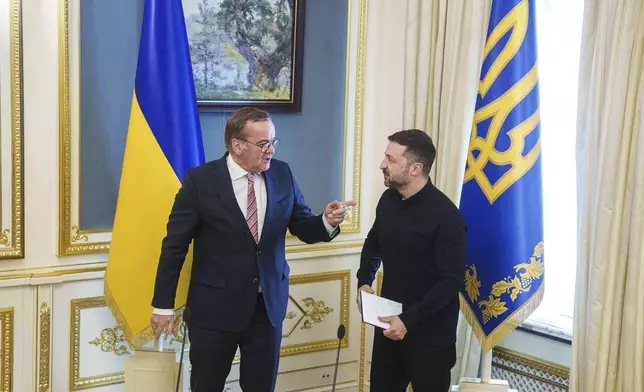
German Defence Minister Boris Pistorius, left, and Ukrainian President Volodymyr Zelenskyy attend a news conference during their meeting in Kyiv, Ukraine, on Thursday, June 12, 2025. (AP Photo/Evgeniy Maloletka)
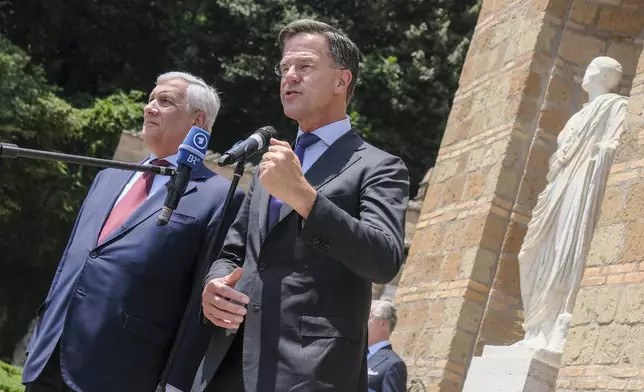
Italy's Foreign Minister Antonio Tajani, left, and Mark Rutte, NATO Secretary General, prior to the "Weimar Plus" Ministerial meeting dedicated to Ukraine and European security in Rome, Italy, Thursday, June 12, 2025. (Mauro Scrobogna/LaPresse via AP)
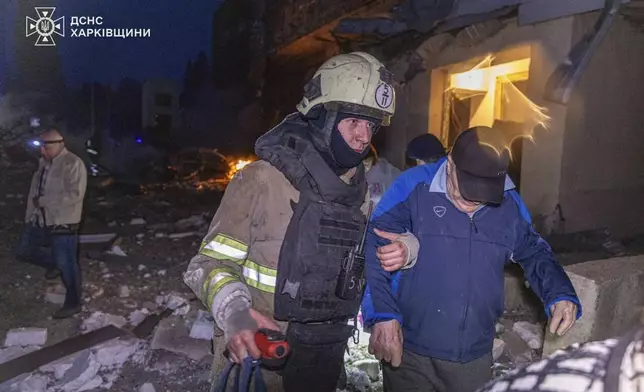
In this photo provided by the Ukrainian Emergency Services on Thursday, June 12, 2025, a rescue worker evacuates a man from a building which was damaged by a Russian strike in Kharkiv, Ukraine. (Ukrainian Emergency Services via AP)
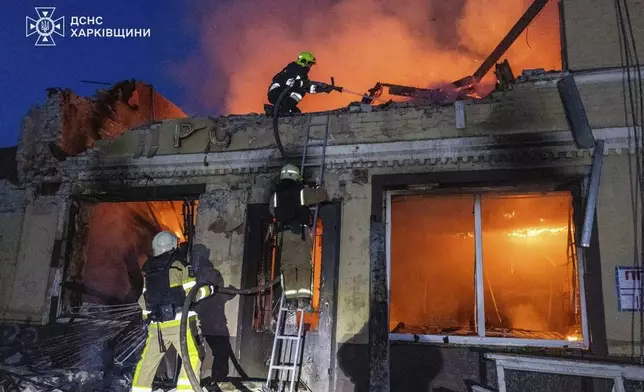
In this photo provided by the Ukrainian Emergency Services on Thursday, June 12, 2025, rescue workers put out a fire of a building which was damaged by a Russian strike in Kharkiv, Ukraine. (Ukrainian Emergency Services via AP)
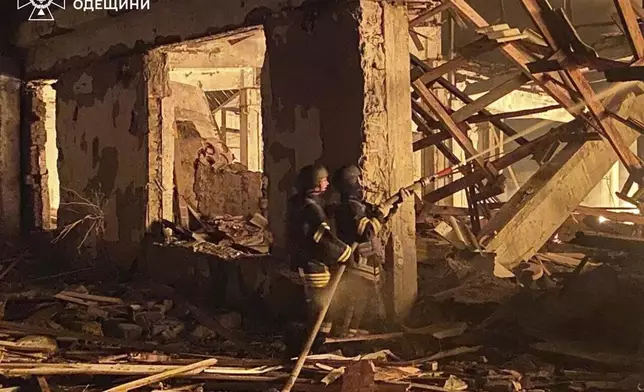
In this photo provided by the Ukrainian Emergency Services on Thursday, June 12, 2025, rescue workers put out a fire of a building which was damaged by a Russian strike in Odesa, Ukraine. (Ukrainian Emergency Services via AP)
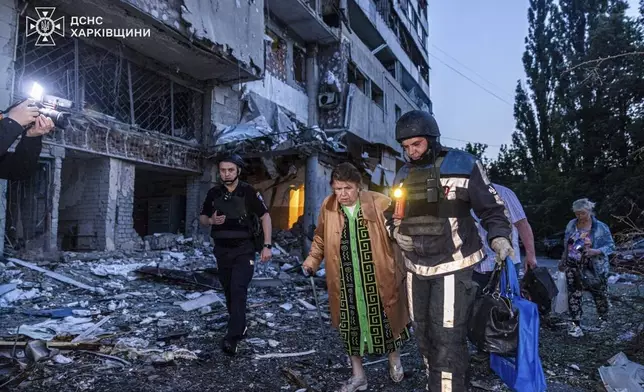
In this photo provided by the Ukrainian Emergency Services on Thursday, June 12, 2025, a rescue worker evacuates a woman from a building which was damaged by a Russian strike in Kharkiv, Ukraine. (Ukrainian Emergency Services via AP)
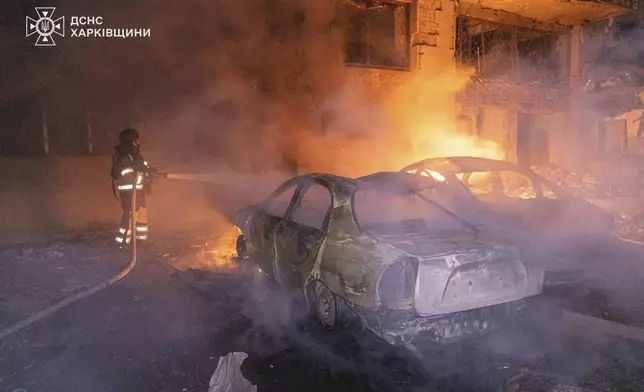
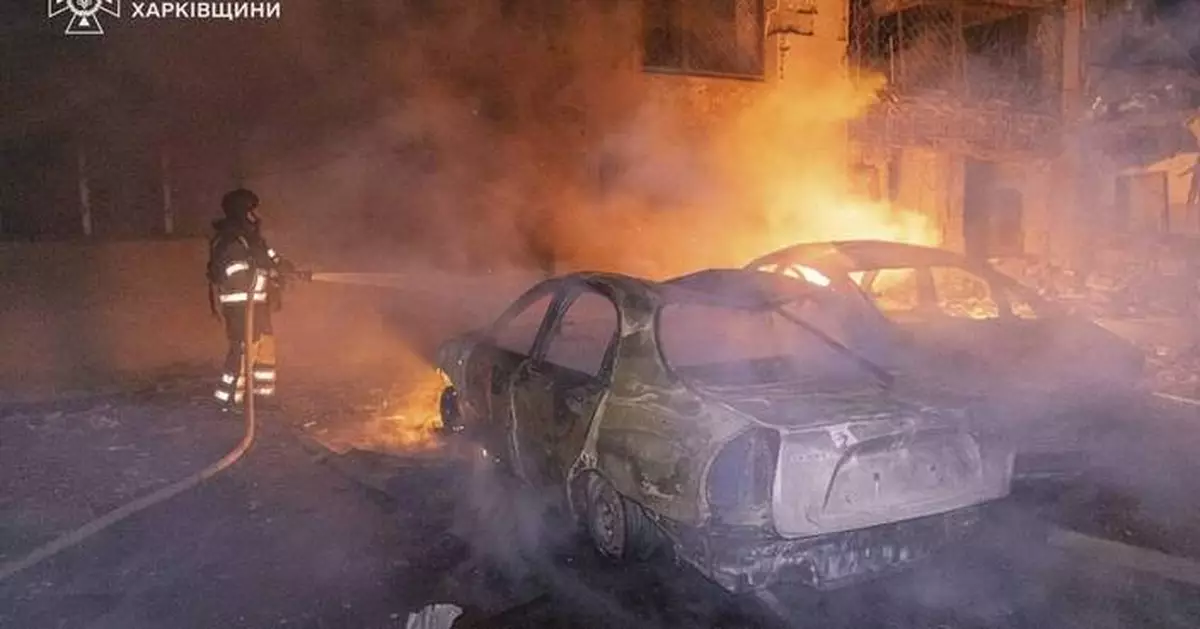
In this photo provided by the Ukrainian Emergency Services on Thursday, June 12, 2025, a rescue worker puts out a fire of a car near a building which was damaged by a Russian strike in Kharkiv, Ukraine. (Ukrainian Emergency Services of Ukraine via AP)
President Vladimir Putin marked Russia Day by hosting a Kremlin meeting with soldiers decorated for their service in Ukraine, but neither he nor any other officials commented on the Ukrainian claim.
The U.K. Defense Ministry also said in a statement posted Thursday on X that Russia has suffered over 1 million casualties, including roughly 250,000 killed since it launched the full-scale invasion on Feb. 24, 2022.
On June 3, the Center for Strategic and International Studies in Washington said Russia likely would hit the mark of 1 million casualties this summer in what it called “a stunning and grisly milestone.”
Russia last reported its military casualties early in the war when it acknowledged that about 6,000 soldiers had been killed. Earlier this year, the General Staff of the Russian armed forces claimed that Ukrainian military losses had topped 1 million.
Ukrainian President Volodymyr Zelenskyy last spoke of Ukrainian military losses in February, when he said in an interview that 45,100 troops had been killed and about 390,000 injured.
The mutual claims of the other side’s losses couldn’t be independently verified.
The casualty estimates came as Russian forces pummeled Ukraine with drones and other weapons, killing three people and injuring scores of others despite international pressure to accept a ceasefire.
According to the Ukrainian air force, Russia launched 63 drones and decoys at Ukraine overnight. It said that air defenses destroyed 28 drones while another 21 were jammed.
Ukrainian police said two people were killed and six were injured in the past 24 hours in the eastern Donetsk region, the focus of the Russian offensive. One person was killed and 14 others were also injured in the southern Kherson region, which is partly occupied by Russian forces, police said.
The authorities in Kharkiv, Ukraine's second-largest city, said 18 people, including four children, were injured by Russian drone attacks overnight.
Kharkiv Mayor Ihor Terekhov said Russian drones targeted residential districts, educational facilities, kindergartens and other civilian infrastructure.
“Kharkiv is holding on. People are alive. And that is the most important thing,” Terekhov said.
Russia has launched waves of drones and missiles in recent days, with a record bombardment of almost 500 drones on Monday and a wave of 315 drones and seven missiles overnight on Tuesday.
Ukraine responded to the Russian attacks with drone raids. Russia’s Defense Ministry said that air defenses downed 52 Ukrainian drones early Thursday, including 41 over the Belgorod region that borders Ukraine. Regional Gov. Vyacheslav Gladkov said a 2-year-old boy was killed Thursday in a Ukrainian drone attack, which also injured his grandmother. He previously reported three other injuries.
The recent escalation in aerial attacks has come alongside a renewed Russian battlefield push along eastern and northeastern parts of the more than 1,000-kilometer (over 600-mile) front line.
While Russian missile and drone barrage have struck regions all across Ukraine, regions along the front line have faced daily Russian attacks with short-range exploding drones and glide bombs.
On Thursday, the Russian Defense Ministry claimed its troops captured two more villages in the Donetsk region, Oleksiivka and Petrivske. The Ukrainian military had no immediate comment on the Russian claim.
The attacks have continued despite discussions of a potential ceasefire in the war. During their June 2 talks in Istanbul, Russian and Ukrainian negotiators traded memorandums containing sharply divergent conditions that both sides see as nonstarters, making a quick deal unlikely.
The only tangible outcome of the talks was an agreement to exchange prisoners of war and the bodies of fallen soldiers.
Russia and Ukraine conducted another POW swap on Thursday that included severely wounded and gravely ill captives, although the sides did not report the numbers.
“Our people are coming home,” Zelenskyy said in a statement on Telegram. “All of them require medical treatment, and they will receive the necessary help. This is already the second stage of returning those who are severely wounded and seriously ill.”
According to Ukraine’s Human Rights Ombudsman Dmytro Lubinets, some of the repatriated soldiers had been listed as missing in action. The oldest among them is 59, the youngest is 22, he said.
Oksana Nepotribna, mother of one of the released Ukrainian soldiers, said he was in captivity for a year. “We were really waiting for him, we thank everyone who freed him,” she said.
In Rome, NATO Secretary-General Mark Rutte commended U.S. President Donald Trump for his “crucial” move to start direct peace talks.
At the same time, Rutte criticized Putin for appointing his aide Vladimir Medinsky as the top negotiator for the talks in Istanbul. Medinsky ascended through the Kremlin ranks after writing a series of books exposing purported Western plots against Russia and denigrating Ukraine.
“I think that the Russians sending this historian now twice to these talks in Istanbul, trying to start with the history of 1,000 years ago and then explaining more or less that Ukraine is at fault here, I think that’s not helpful,” Rutte said. “But at least step by step, we try to make progress.”
Also on Thursday, German Defense Minister Boris Pistorius arrived in Kyiv on an unannounced visit, noting the stepped-up Russian attacks send a message from Moscow that it has “no interest in a peaceful solution at present,” according to German news agency dpa.
Pistorius underscored Germany’s intention to help Ukraine build its own long-range missile systems and help it finance purchases of homemade material. “The first systems should be available in the coming months,” he said, adding that Germany will allocate about 9 billion euros ($10.3 billion) for supporting Ukraine this year.
“We are deeply convinced that it is the job of the Europeans … to keep supporting Ukraine, and we want to lead the way and demonstrate corresponding responsibility,” he added.
Associated Press journalists Vasilisa Stepanenko in the Chernihiv region of Ukraine, Nicole Winfield in Rome and Geir Moulson in Berlin contributed.
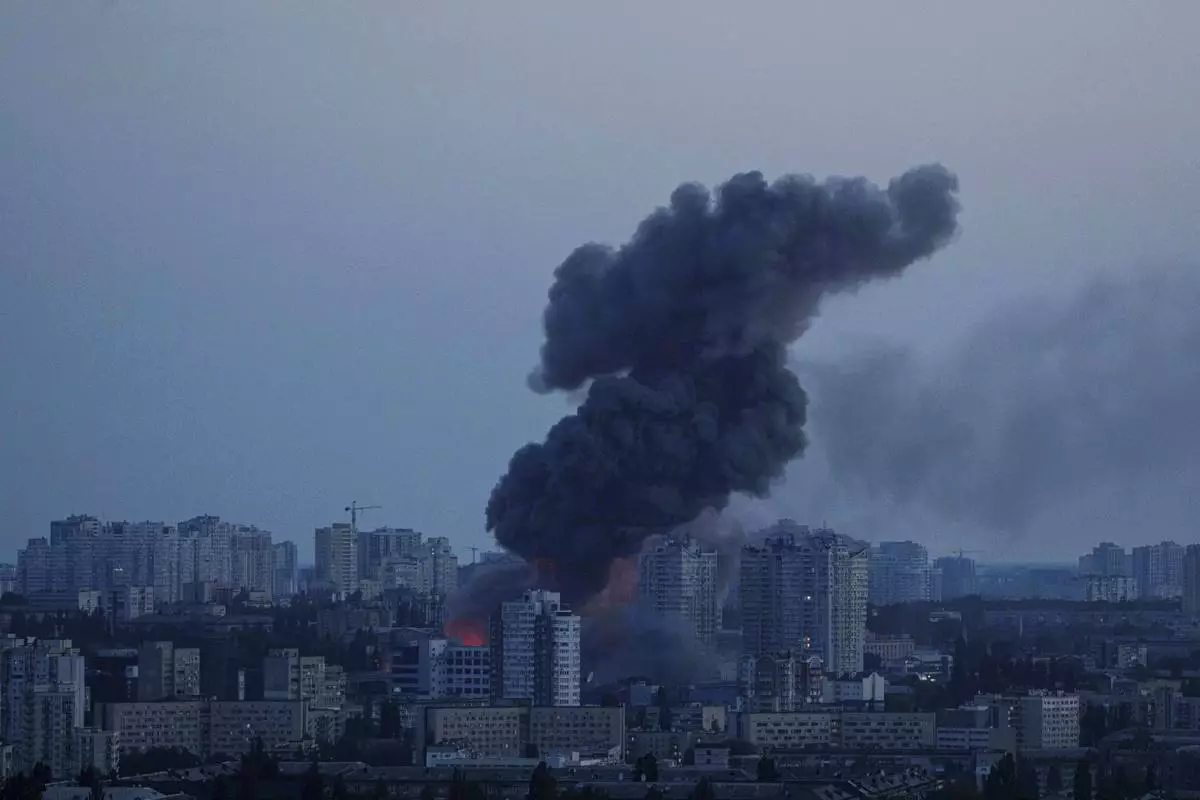
Smoke rises after a Russian air strike on Kyiv, Ukraine, on Friday, June 6, 2025. (AP Photo/Evgeniy Maloletka)
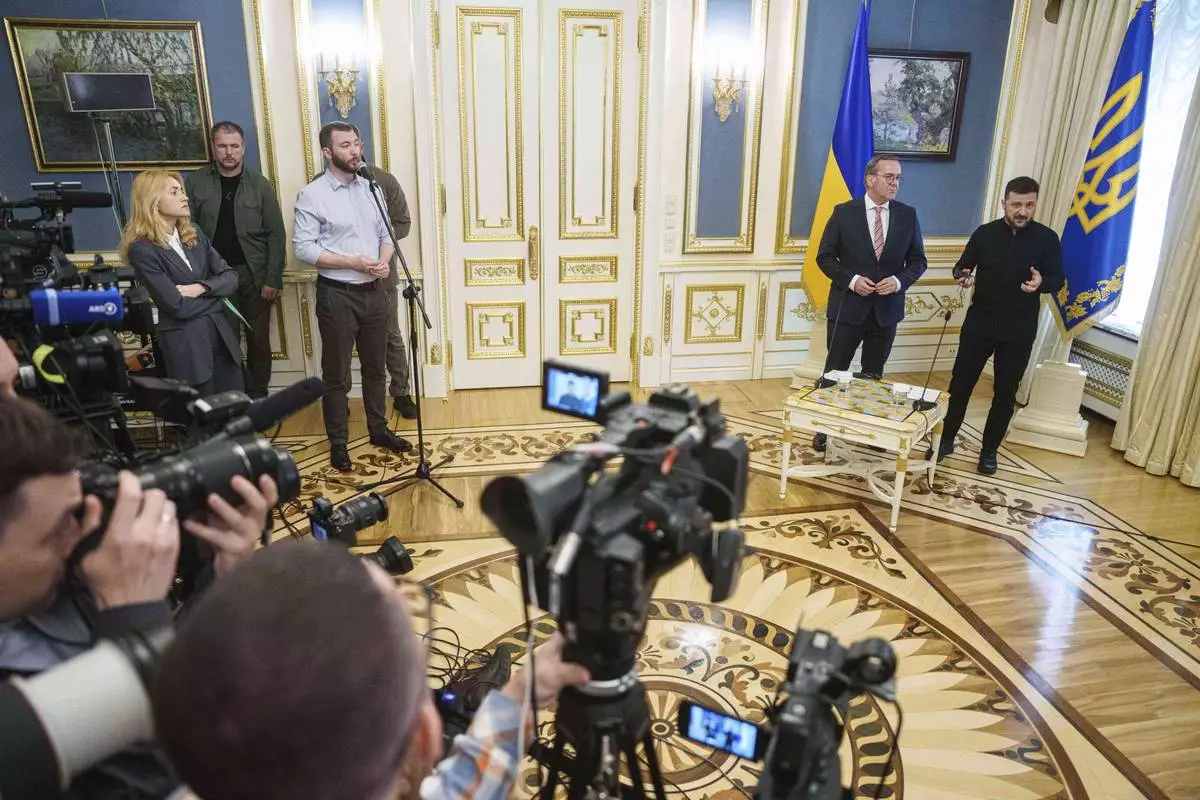
Ukrainian President Volodymyr Zelenskyy, right, and German Defence Minister Boris Pistorius attend a news conference during their meeting in Kyiv, Ukraine, on Thursday, June 12, 2025. (AP Photo/Evgeniy Maloletka)
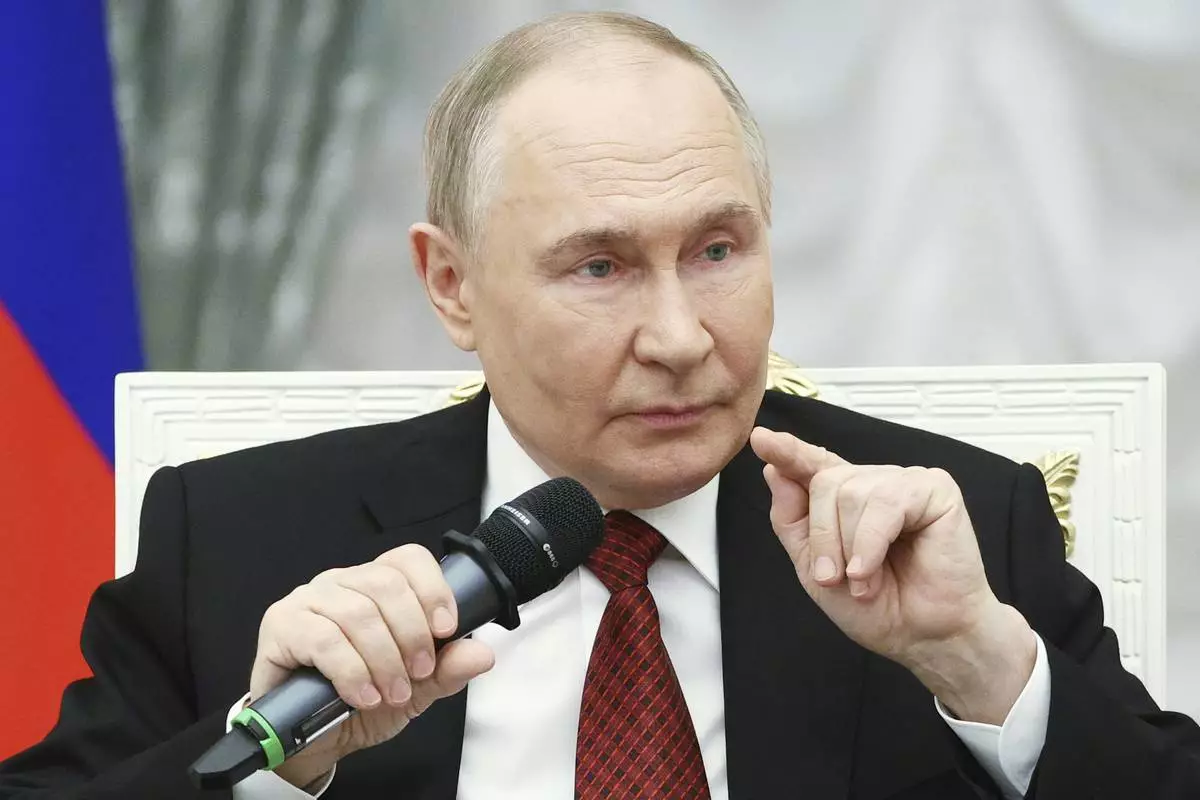
Russian President Vladimir Putin speaks with participants of the Time of Heroes, an educational program for veterans of special military operation, at the Kremlin in Moscow, Russia, Thursday, June 12, 2025. (Sergei Bulkin, Sputnik, Kremlin Pool Photo via AP)
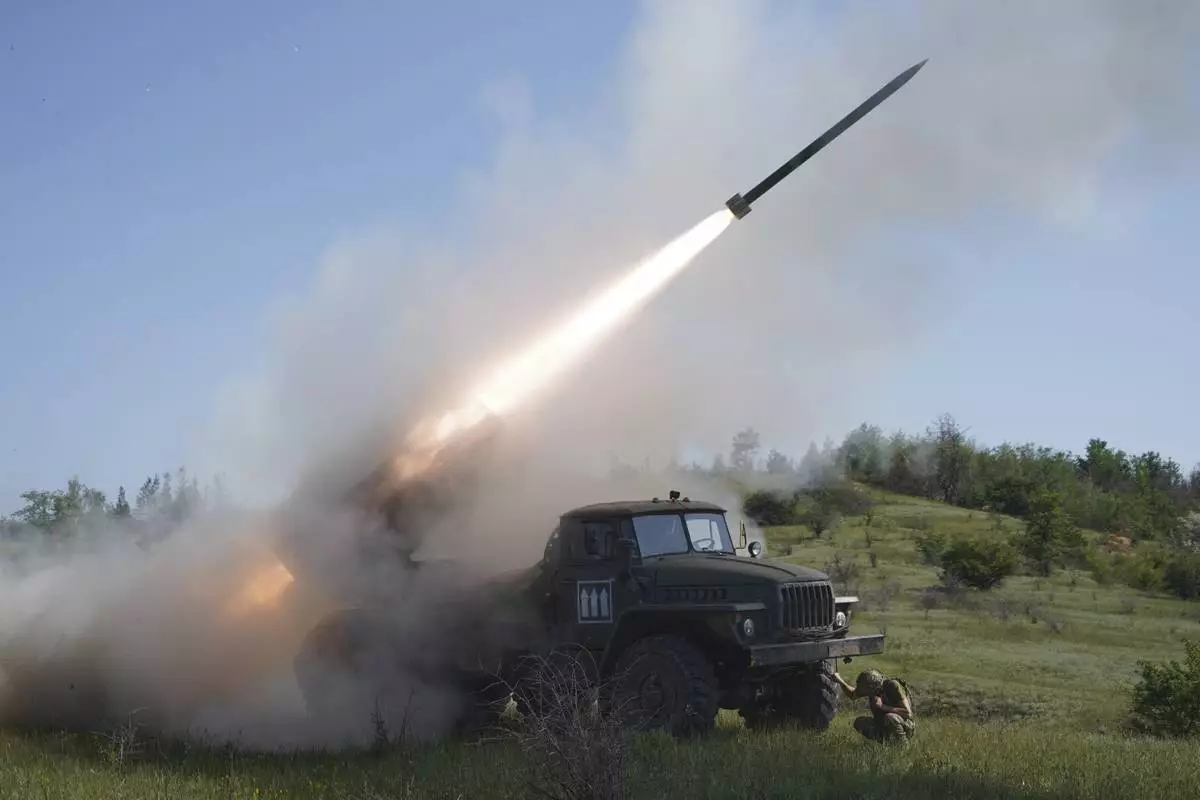
FILE - Soldiers of Ukraine's 30th Separate Mechanized Brigade fire a rocket toward Russian positions at the front line in the Donetsk region of Ukraine on Tuesday, June 3, 2025. (AP Photo/Andrii Marienko, File)
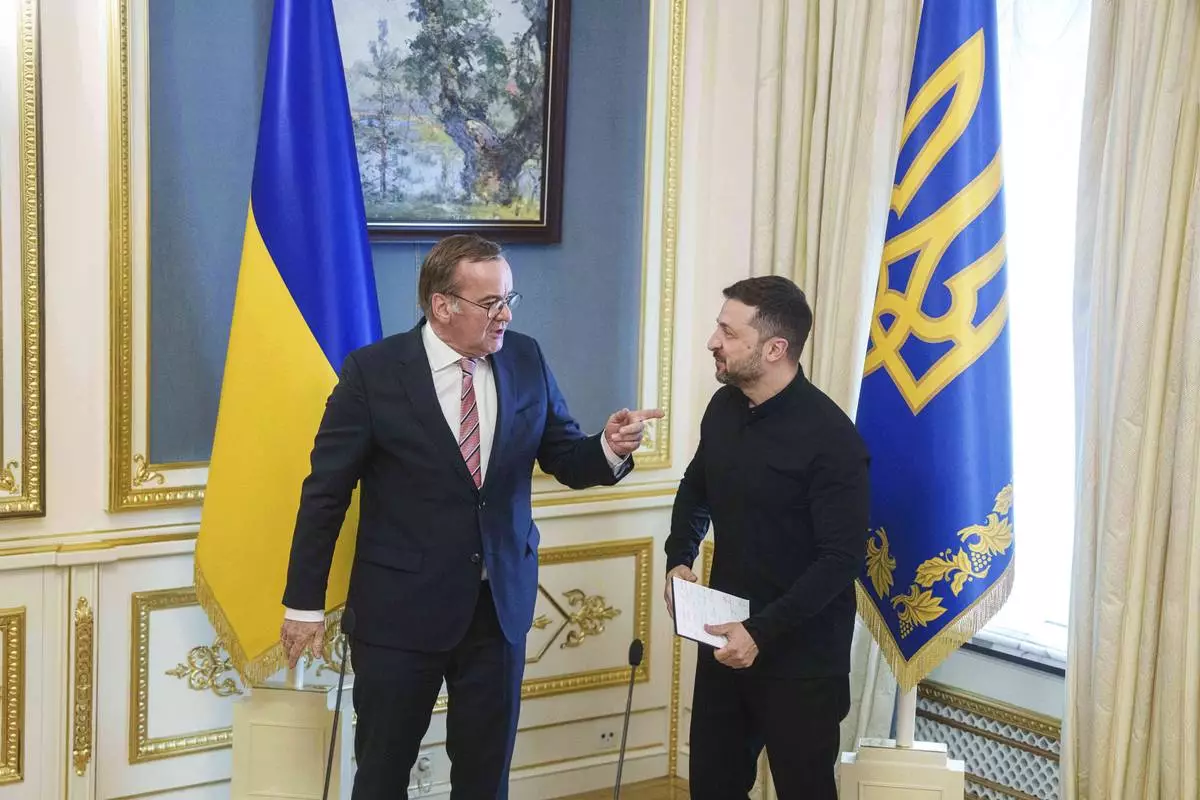
German Defence Minister Boris Pistorius, left, and Ukrainian President Volodymyr Zelenskyy attend a news conference during their meeting in Kyiv, Ukraine, on Thursday, June 12, 2025. (AP Photo/Evgeniy Maloletka)
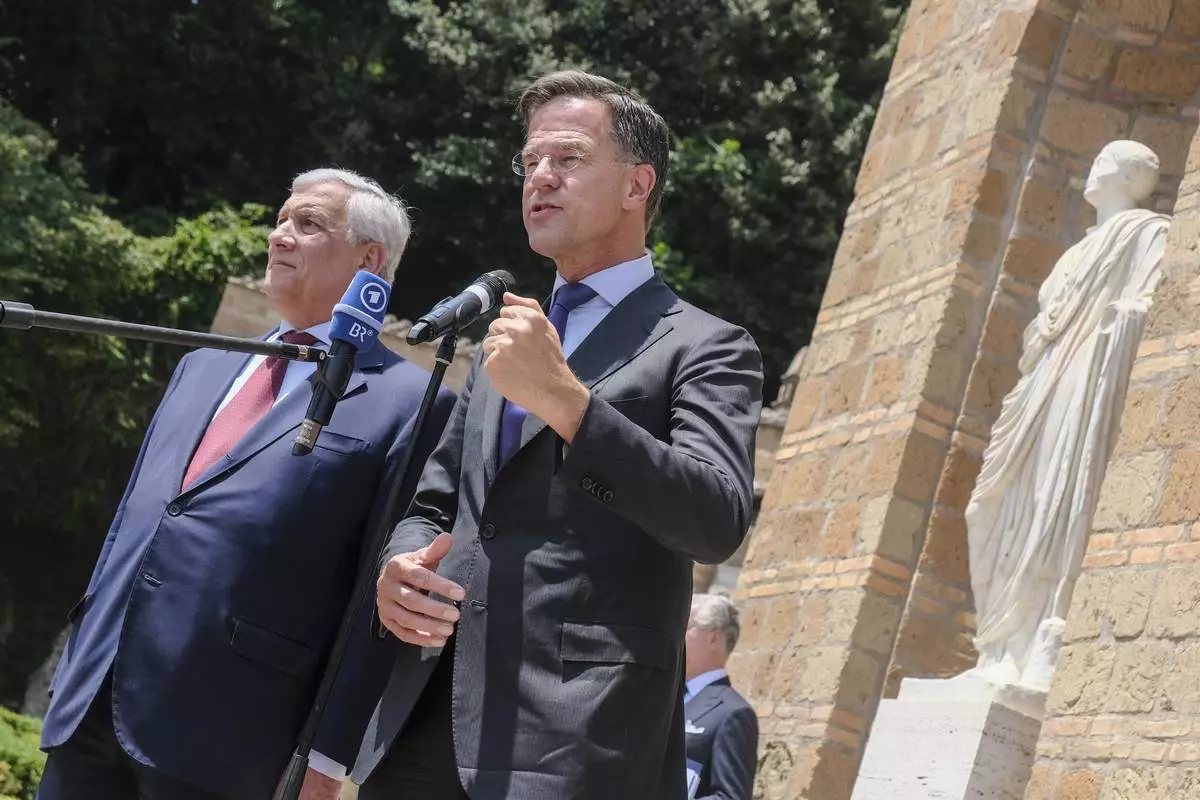
Italy's Foreign Minister Antonio Tajani, left, and Mark Rutte, NATO Secretary General, prior to the "Weimar Plus" Ministerial meeting dedicated to Ukraine and European security in Rome, Italy, Thursday, June 12, 2025. (Mauro Scrobogna/LaPresse via AP)
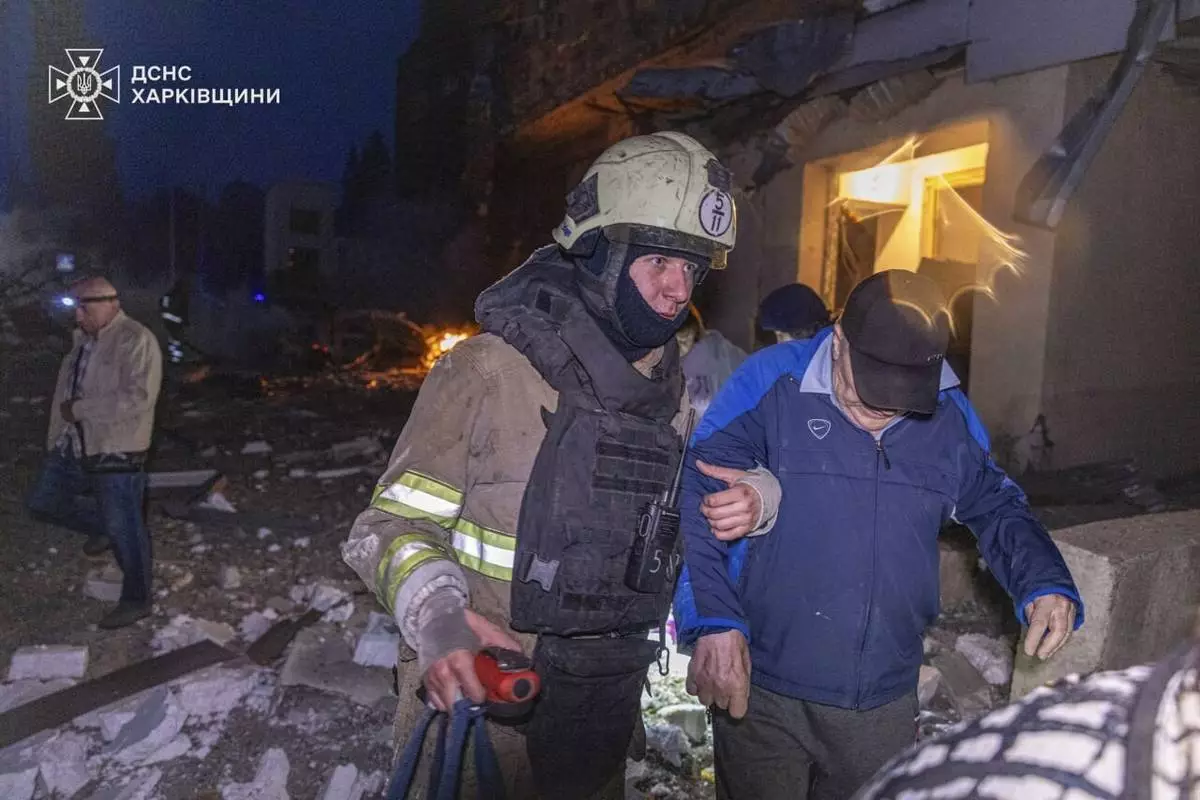
In this photo provided by the Ukrainian Emergency Services on Thursday, June 12, 2025, a rescue worker evacuates a man from a building which was damaged by a Russian strike in Kharkiv, Ukraine. (Ukrainian Emergency Services via AP)
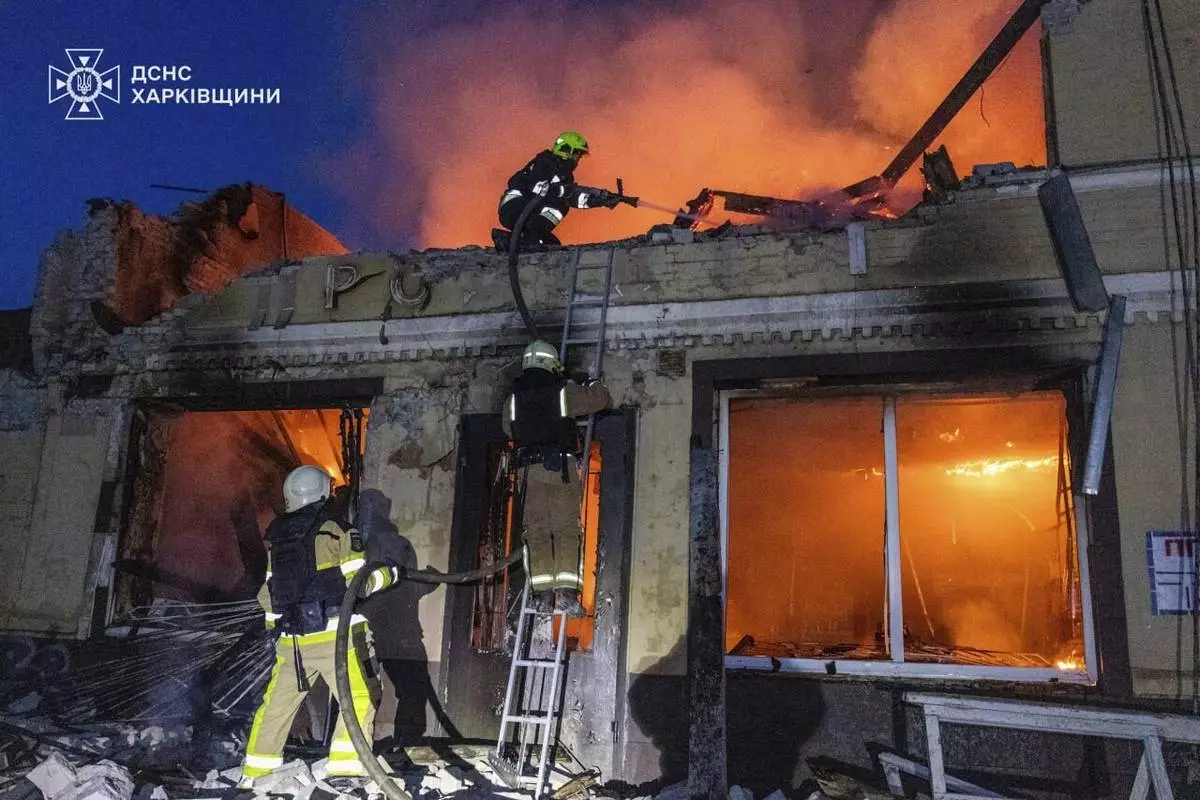
In this photo provided by the Ukrainian Emergency Services on Thursday, June 12, 2025, rescue workers put out a fire of a building which was damaged by a Russian strike in Kharkiv, Ukraine. (Ukrainian Emergency Services via AP)
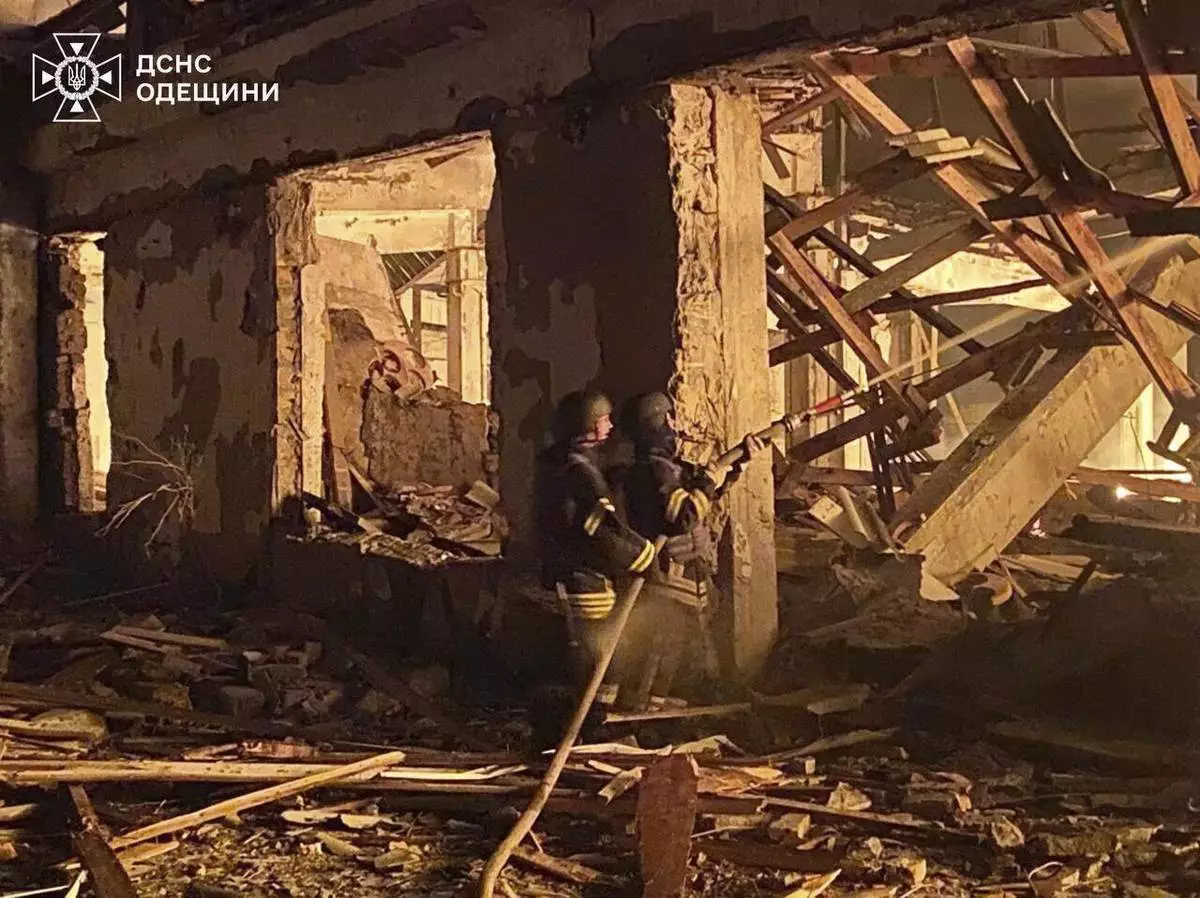
In this photo provided by the Ukrainian Emergency Services on Thursday, June 12, 2025, rescue workers put out a fire of a building which was damaged by a Russian strike in Odesa, Ukraine. (Ukrainian Emergency Services via AP)
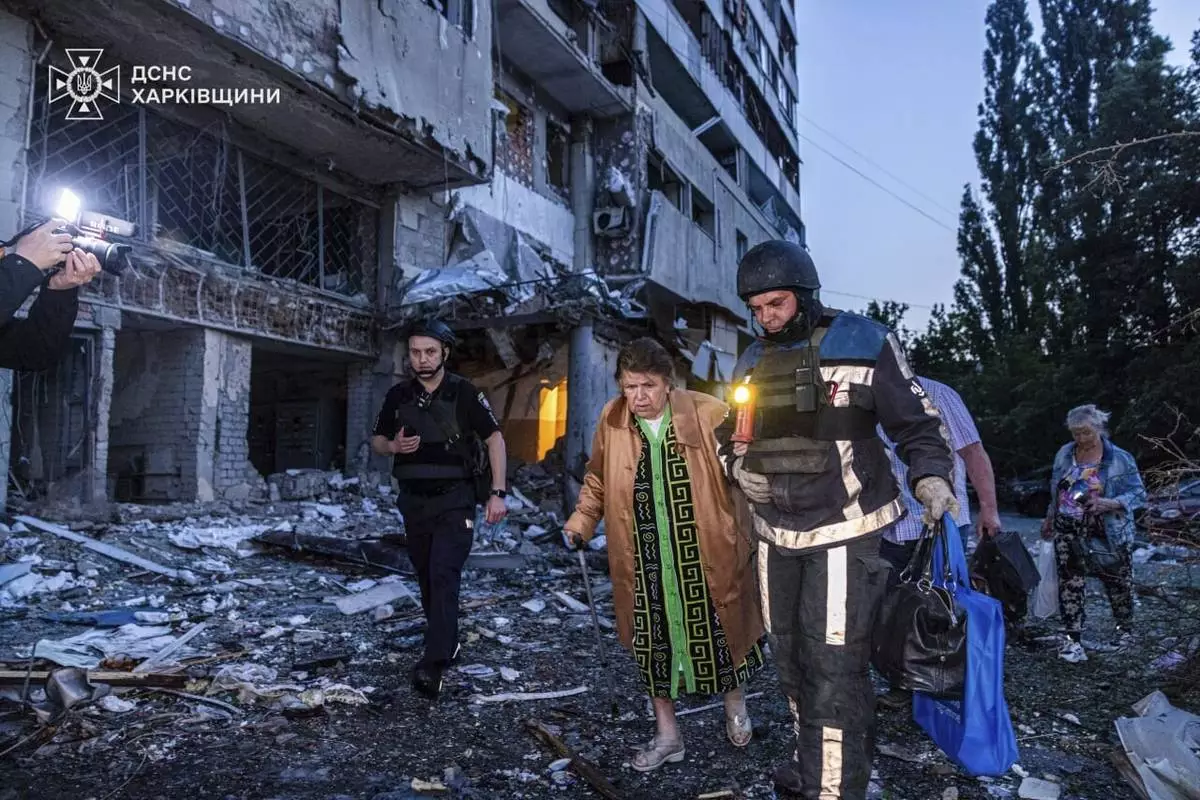
In this photo provided by the Ukrainian Emergency Services on Thursday, June 12, 2025, a rescue worker evacuates a woman from a building which was damaged by a Russian strike in Kharkiv, Ukraine. (Ukrainian Emergency Services via AP)
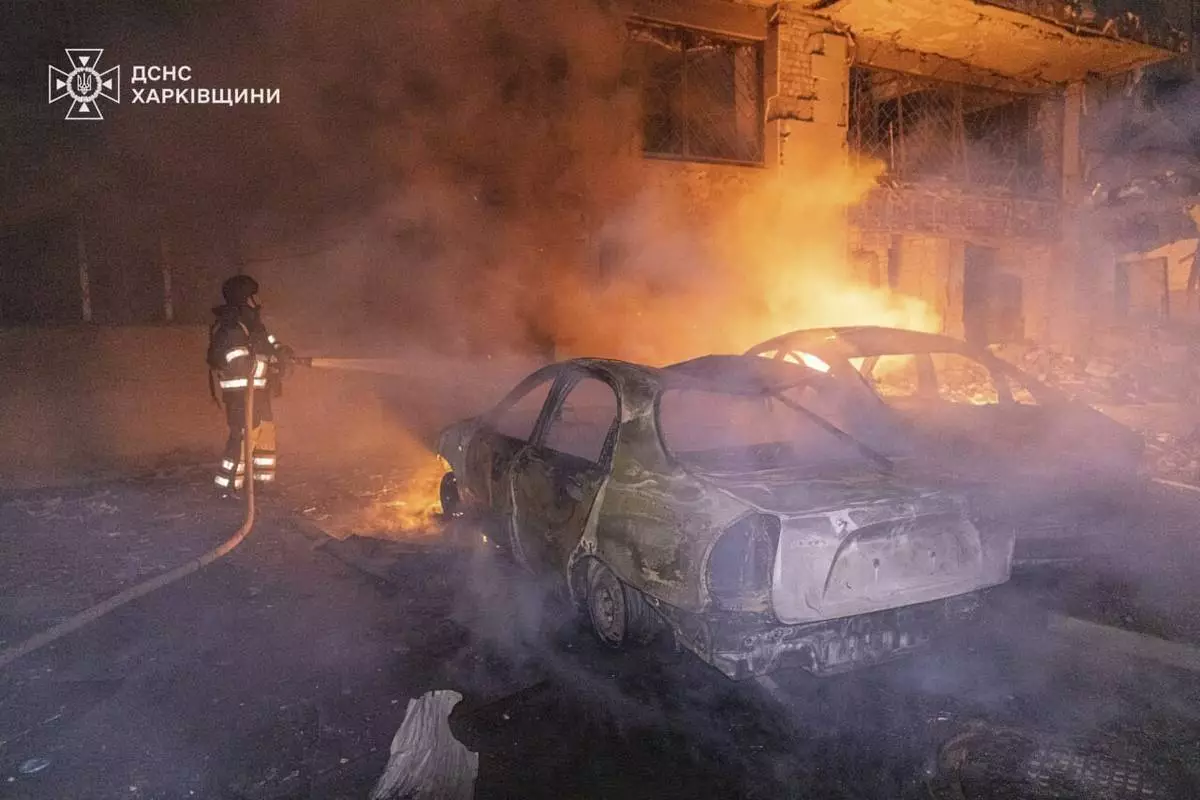
In this photo provided by the Ukrainian Emergency Services on Thursday, June 12, 2025, a rescue worker puts out a fire of a car near a building which was damaged by a Russian strike in Kharkiv, Ukraine. (Ukrainian Emergency Services of Ukraine via AP)