Skip to Content Facebook Feature Image

US military parade has global counterparts in democracies, monarchies and totalitarian regimes

News

US military parade has global counterparts in democracies, monarchies and totalitarian regimes
News

News

US military parade has global counterparts in democracies, monarchies and totalitarian regimes

2025-06-14 12:02 Last Updated At:12:11

The military parade to mark the Army's 250th anniversary and its convergence with President Donald Trump's 79th birthday are combining to create a peacetime outlier in U.S. history. Yet it still reflects global traditions that serve a range of political and cultural purposes.

Variations on the theme have surfaced among longtime NATO allies in Europe, one-party and authoritarian states and history's darkest regimes.

More Images
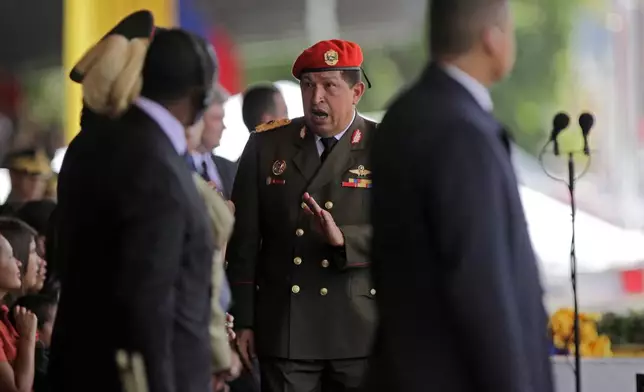
FILE - Venezuela's President Hugo Chavez salutes as he arrives to preside over a civilian-military parade part of Venezuela's 200th independence anniversary celebrations in Caracas, April 19, 2010.(AP Photo/Ariana Cubillos, File)
FILE - Venezuela's President Hugo Chavez salutes as he arrives to preside over a civilian-military parade part of Venezuela's 200th independence anniversary celebrations in Caracas, April 19, 2010.(AP Photo/Ariana Cubillos, File)

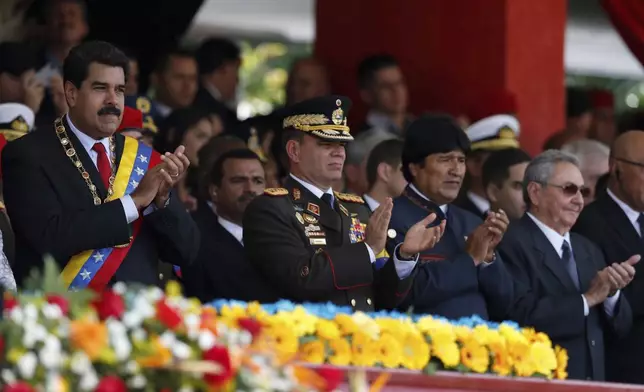
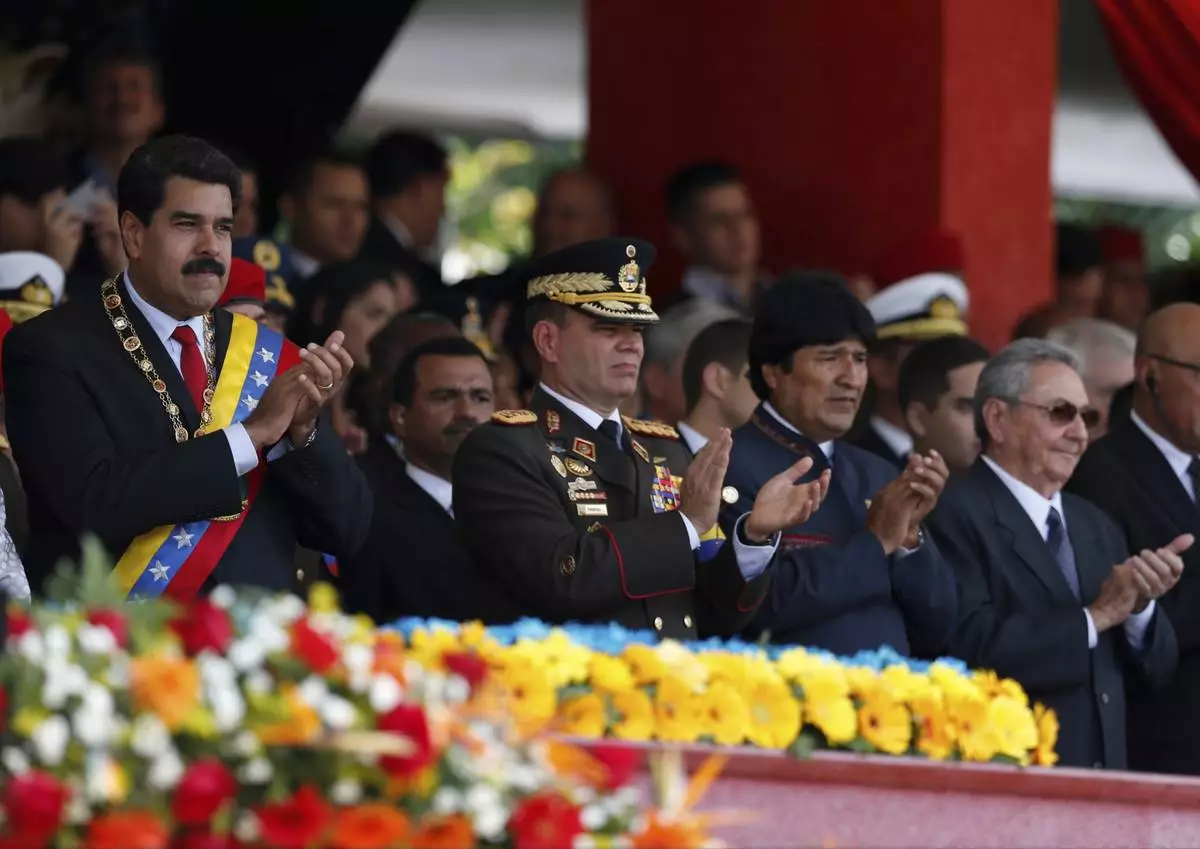
FILE - Venezuela's President Nicolas Maduro, from left, Operational Strategic Commander Gen. Vladimir Padrino Lopez, Bolivia's President Evo Morales and Cuba's President Raul Castro applaud during a military parade commemorating the one year anniversary of the death of Venezuela's former President Hugo Chavez in Caracas, Venezuela, March 5, 2014. (AP Photo/Fernando Llano, File)
FILE - Venezuela's President Nicolas Maduro, from left, Operational Strategic Commander Gen. Vladimir Padrino Lopez, Bolivia's President Evo Morales and Cuba's President Raul Castro applaud during a military parade commemorating the one year anniversary of the death of Venezuela's former President Hugo Chavez in Caracas, Venezuela, March 5, 2014. (AP Photo/Fernando Llano, File)

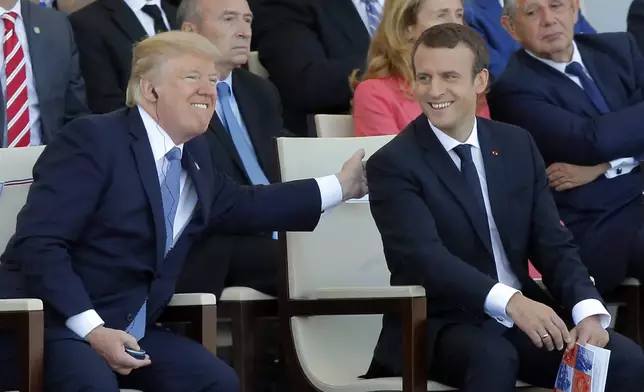
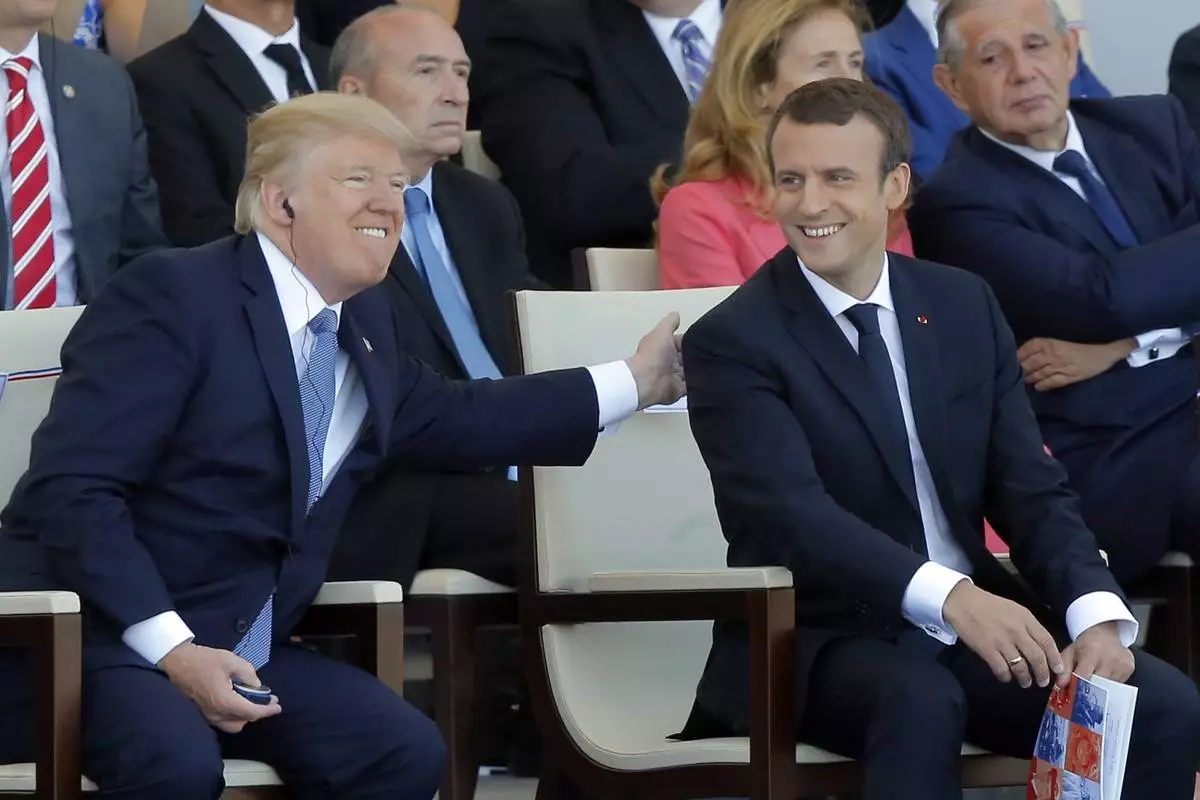
FILE - French President Emmanuel Macron, right, and U.S. President Donald Trump attend the traditional Bastille Day military parade July 14, 2017, on the Champs Elysees, in Paris. (AP Photo/Michel Euler, File)
FILE - French President Emmanuel Macron, right, and U.S. President Donald Trump attend the traditional Bastille Day military parade July 14, 2017, on the Champs Elysees, in Paris. (AP Photo/Michel Euler, File)

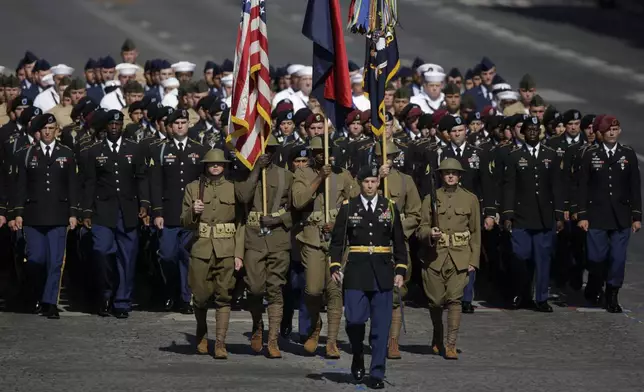
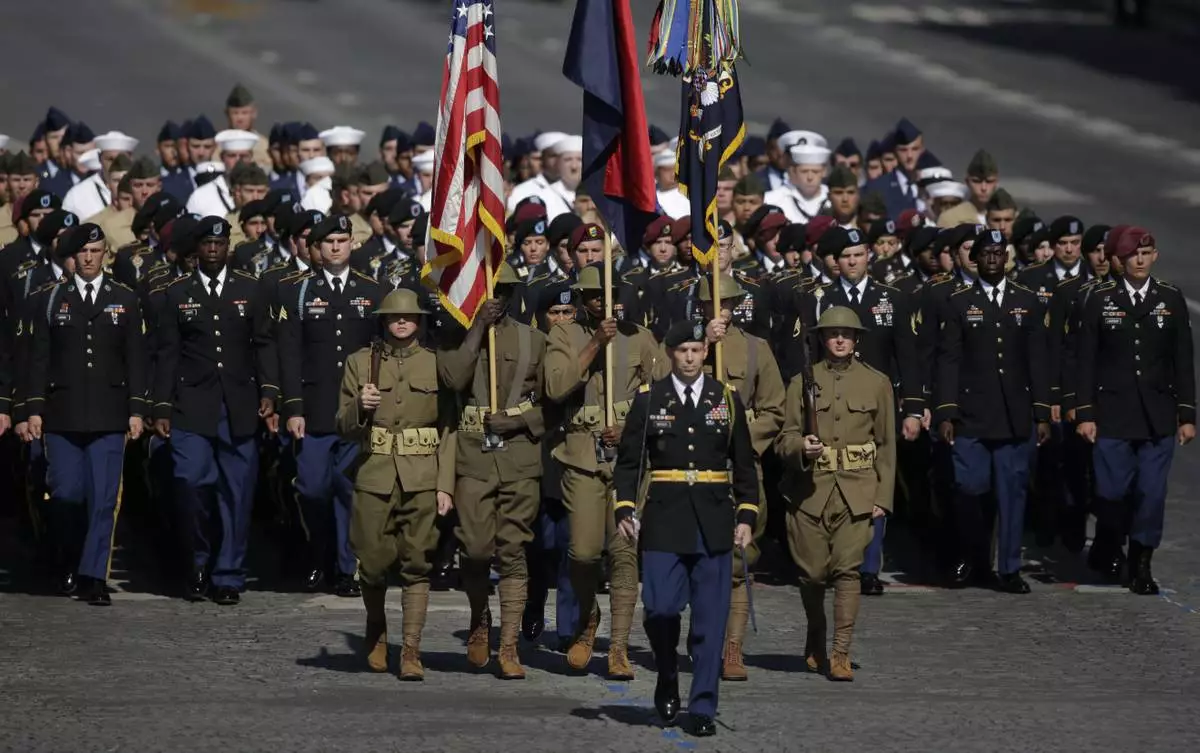
FILE - U.S troops march down the Champs Elysees during the Bastille Day parade in Paris, July 14, 2017. (AP/Photo/Markus Schreiber, File)
FILE - U.S troops march down the Champs Elysees during the Bastille Day parade in Paris, July 14, 2017. (AP/Photo/Markus Schreiber, File)

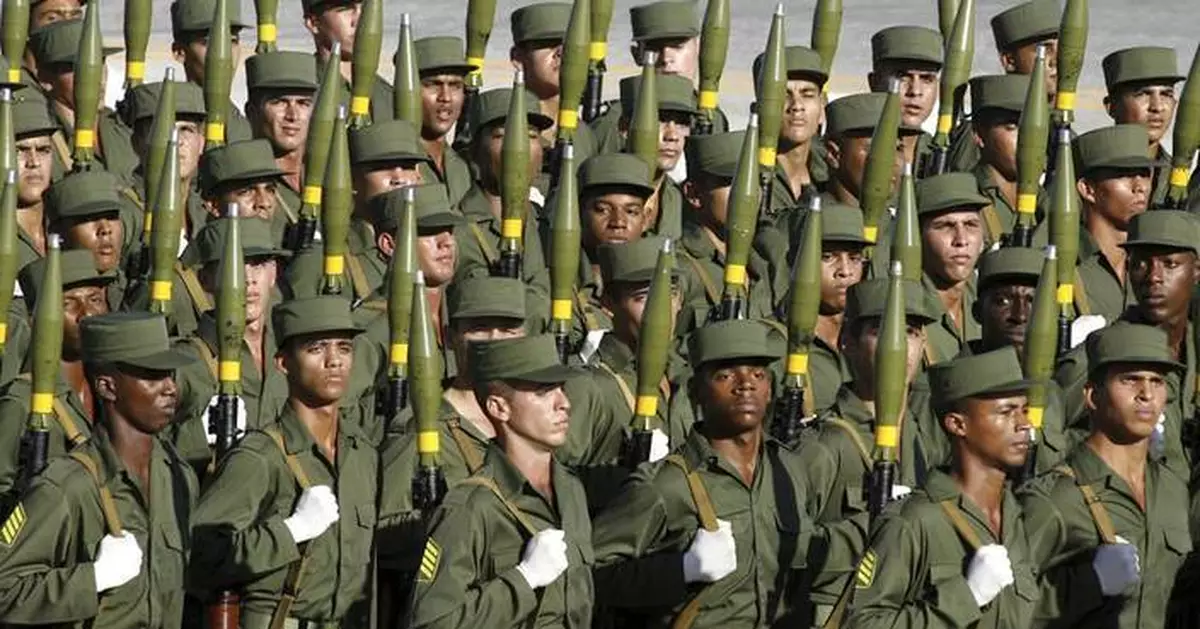
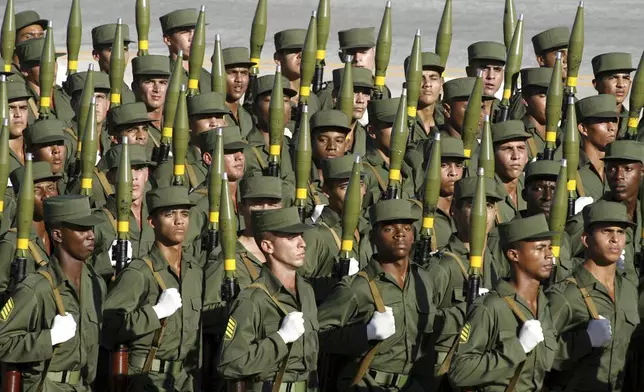
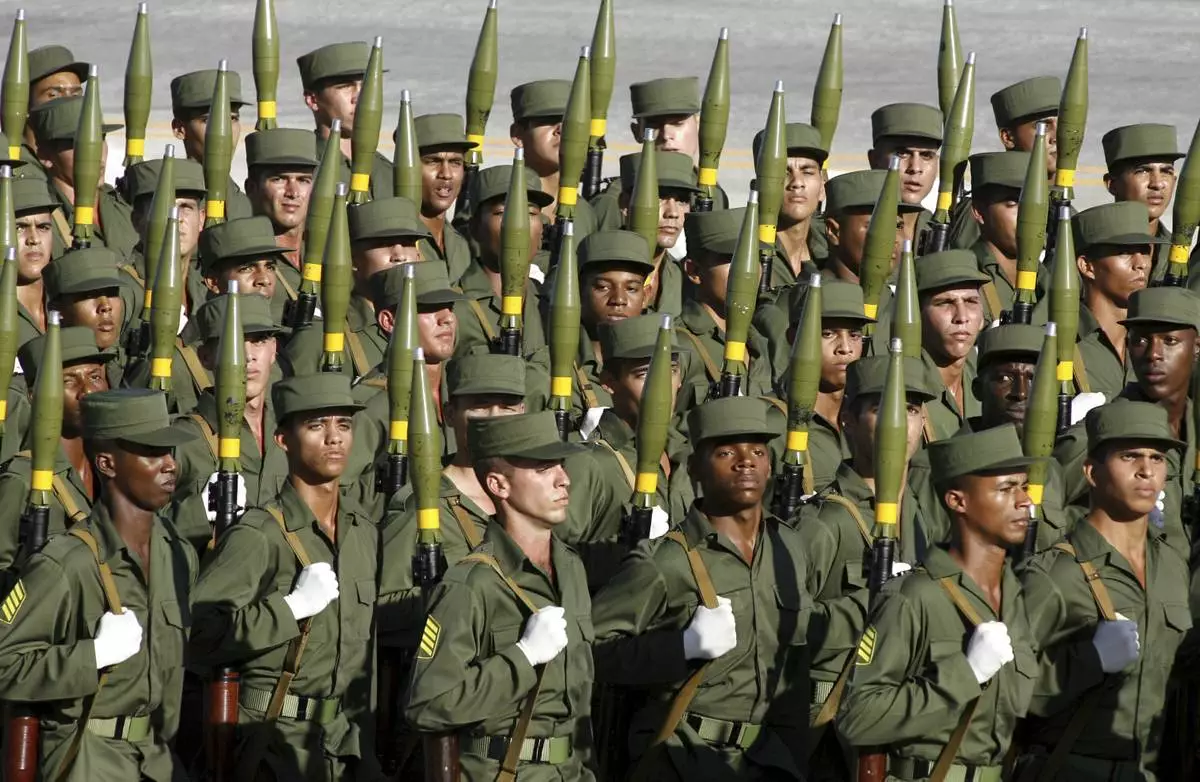
FILE - Cuban soldiers march during a military parade along the Revolution Square in Havana, Cuba, Dec. 2, 2006. (AP Photo/ Javier Galeano, File)

FILE - Cuban soldiers march during a military parade along the Revolution Square in Havana, Cuba, Dec. 2, 2006. (AP Photo/ Javier Galeano, File)

The oldest democratic ally of the U.S. holds a military parade each July 14 to commemorate one of the seminal moments of the French Revolution. It inspired — or at least stoked — Trump's idea for a Washington version.

On July 14, 1789, French insurgents stormed the Bastille, which housed prisoners of Louis XVI’s government. Revolutionaries commenced a Fête de la Fédération as a day of national unity and pride the following year, even with the First French Republic still more than two years from being established.

The Bastille Day parade has rolled annually since 1880. Now, it proceeds down an iconic Parisian route, the Avenue des Champs-Élysées. It passes the Arc de Triomphe — a memorial with tributes to the French Revolution, Napoleonic Wars and World War I — and eventually in front of the French president, government ministers and invited foreign guests.

Trump attended in 2017, early in his first presidency, as U.S. troops marched as guests. The spectacle left him openly envious.

“It was one of the greatest parades I’ve ever seen,” Trump told French President Emanuel Macron. “It was military might, and I think a tremendous thing for France and for the spirit of France. We’re going to have to try and top it.”

In the United Kingdom, King Charles III serves as ceremonial (though not practical) head of U.K. armed forces. Unlike in France and the U.S., where elected presidents wear civilian dress even at military events, Charles dons elaborate dress uniforms — medals, sash, sword, sometimes even a bearskin hat and chin strap.

He does it most famously at Trooping the Colour, a parade and troop inspection to mark the British monarch’s official birthday, regardless of their actual birthdate. (The U.S. Army has said it has no specific plans to recognize Trump’s birthday on Saturday.)

In 2023, Charles’ first full year as king, he rode on horseback to inspect 1,400 representatives of the most prestigious U.K. regiments. His mother, Queen Elizabeth II, used a carriage over the last three decades of her 70-year reign.

The British trace Trooping the Colour back to King Charles II, who reigned from 1660-1685. It became an annual event under King George III, described in the American colonists’ Declaration of Independence as a figure of “absolute Despotism (and) Tyranny.”

Grandiose military pomp is common under modern authoritarians, especially those who have seized power via coups. It sometimes serves as a show of force meant to ward off would-be challengers — and to seek legitimacy and respect from other countries.

Cuba’s Fidel Castro, who wore military garb routinely, held parades to commemorate the revolution he led on Dec. 2, 1959. In 2017, then-President Raúl Castro refashioned the event into a Fidel tribute shortly after his brother’s death. Venezuela’s Hugo Chávez, known as “Comandante Chávez,” presided over frequent parades until his 2013 death. His successor, Nicolás Maduro, has worn military dress at similar events.

North Korean dictator Kim Jung Un, who famously bonded with Trump in a 2018 summit, used a 2023 military parade to show off his daughter and potential successor, along with pieces of his isolated country's nuclear arsenal. The event in Pyongyang's Kim Il Sung Square — named for Kim's grandfather — marked the North Korean Army's 75th birthday. Kim watched from a viewing stand as missiles other weaponry moved by and goose-stepping soldiers marched past him chanting, “Defend with your life, Paektu Bloodline” — referring to the Kim family's biological ancestry.

In China, Beijing's one-party government stages its National Day Parade every 10 years to project civic unity and military might. The most recent events, held in 2009 and 2019, involved trucks carrying nuclear missiles designed to evade U.S. defenses, as well as other weaponry.

Legions of troops, along with those hard assets, streamed past President Xi Jinping and other leaders gathered in Tiananmen Square in 2019 as spectators waved Chinese flags and fighter jets flew above.

Earlier this spring, Xi joined Russian President Vladimir Putin — another strongman leader Trump has occasionally praised — in Moscow's Red Square for the annual “Victory Day” parade. The May 9 event commemorates the Soviet Union's role in defeating Nazi Germany in World War II — a global conflict in which China and the Soviet Union, despite not being democracies, joined the Allied Powers in fighting the Axis Powers led by Germany and Japan.

Large civic-military displays were, of course, a feature in Nazi Germany and fascist Italy before and during World War II. Chilling footage of such events lives on as a reminder of the dangers of authoritarian extremism.

Among those frequent occasions: a parade capping Germany’s multiday observance of Adolf Hitler’s 50th birthday in 1939. (Some far-right extremists in Europe still mark the anniversary of Hitler's birth.) The four-hour march through Berlin on April 20, 1939, included more than 40,000 personnel across the Army, Navy, Luftwaffe (Air Force) and Schutzstaffel (commonly known as the “SS.”) Hundreds of thousands of spectators lined the streets. The Führer’s invited guests numbered 20,000.

On a street-level platform, Hitler was front and center. Alone.
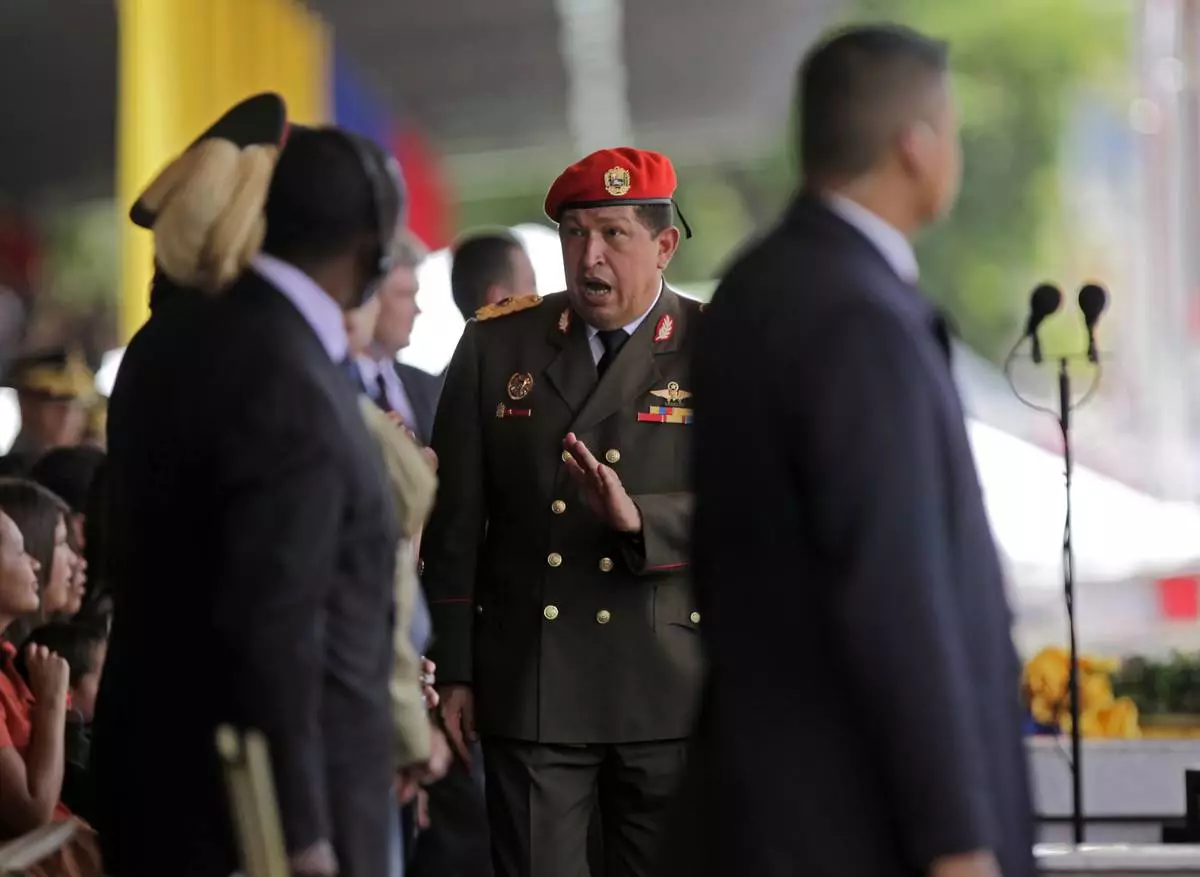
FILE - Venezuela's President Hugo Chavez salutes as he arrives to preside over a civilian-military parade part of Venezuela's 200th independence anniversary celebrations in Caracas, April 19, 2010.(AP Photo/Ariana Cubillos, File)
FILE - Venezuela's President Hugo Chavez salutes as he arrives to preside over a civilian-military parade part of Venezuela's 200th independence anniversary celebrations in Caracas, April 19, 2010.(AP Photo/Ariana Cubillos, File)

FILE - Venezuela's President Nicolas Maduro, from left, Operational Strategic Commander Gen. Vladimir Padrino Lopez, Bolivia's President Evo Morales and Cuba's President Raul Castro applaud during a military parade commemorating the one year anniversary of the death of Venezuela's former President Hugo Chavez in Caracas, Venezuela, March 5, 2014. (AP Photo/Fernando Llano, File)
FILE - Venezuela's President Nicolas Maduro, from left, Operational Strategic Commander Gen. Vladimir Padrino Lopez, Bolivia's President Evo Morales and Cuba's President Raul Castro applaud during a military parade commemorating the one year anniversary of the death of Venezuela's former President Hugo Chavez in Caracas, Venezuela, March 5, 2014. (AP Photo/Fernando Llano, File)

FILE - French President Emmanuel Macron, right, and U.S. President Donald Trump attend the traditional Bastille Day military parade July 14, 2017, on the Champs Elysees, in Paris. (AP Photo/Michel Euler, File)
FILE - French President Emmanuel Macron, right, and U.S. President Donald Trump attend the traditional Bastille Day military parade July 14, 2017, on the Champs Elysees, in Paris. (AP Photo/Michel Euler, File)

FILE - U.S troops march down the Champs Elysees during the Bastille Day parade in Paris, July 14, 2017. (AP/Photo/Markus Schreiber, File)
FILE - U.S troops march down the Champs Elysees during the Bastille Day parade in Paris, July 14, 2017. (AP/Photo/Markus Schreiber, File)

FILE - Cuban soldiers march during a military parade along the Revolution Square in Havana, Cuba, Dec. 2, 2006. (AP Photo/ Javier Galeano, File)
FILE - Cuban soldiers march during a military parade along the Revolution Square in Havana, Cuba, Dec. 2, 2006. (AP Photo/ Javier Galeano, File)
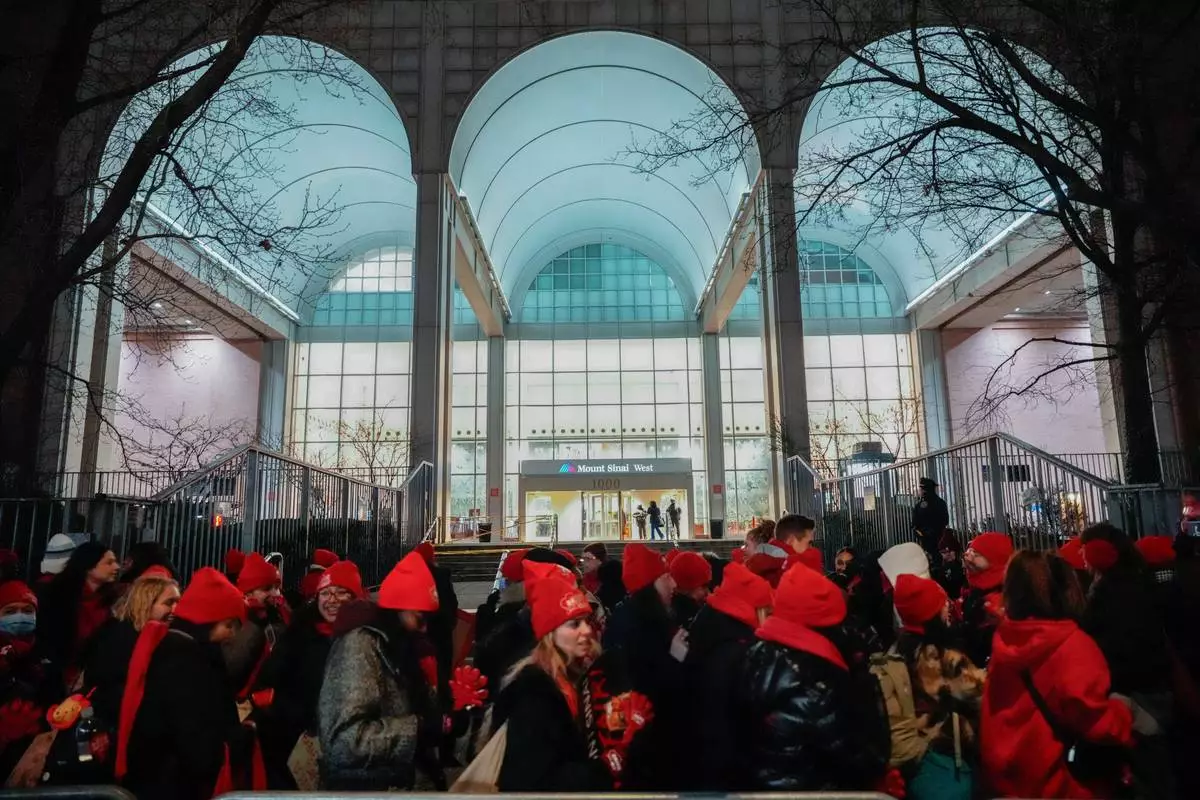
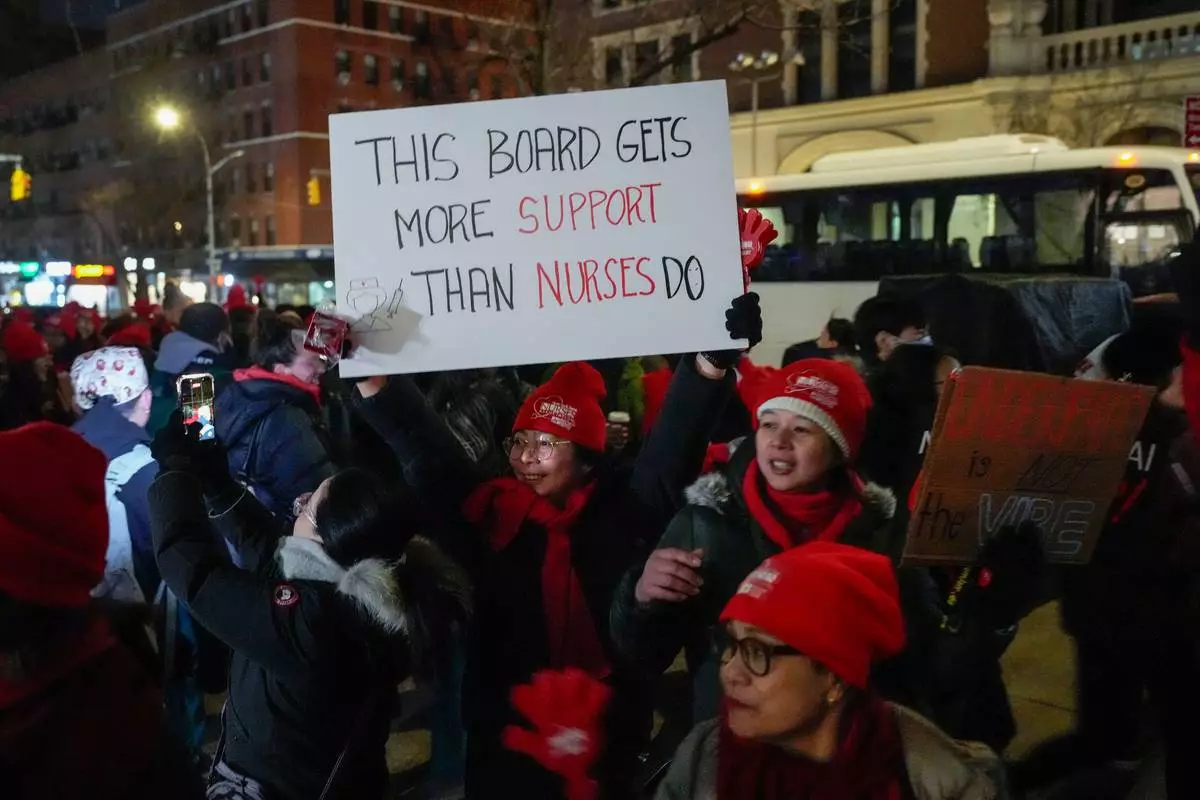
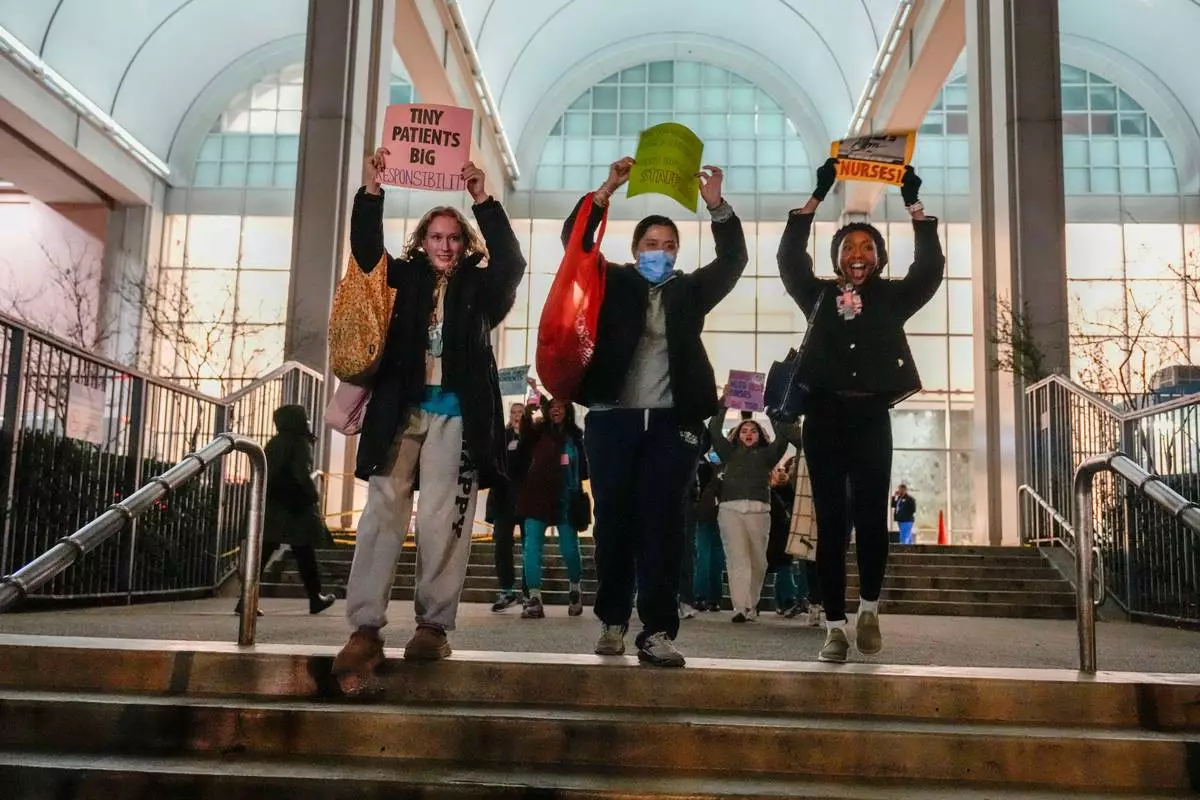
NEW YORK (AP) — Thousands of nurses in three hospital systems in New York City went on strike Monday after negotiations through the weekend failed to yield breakthroughs in their contract disputes.

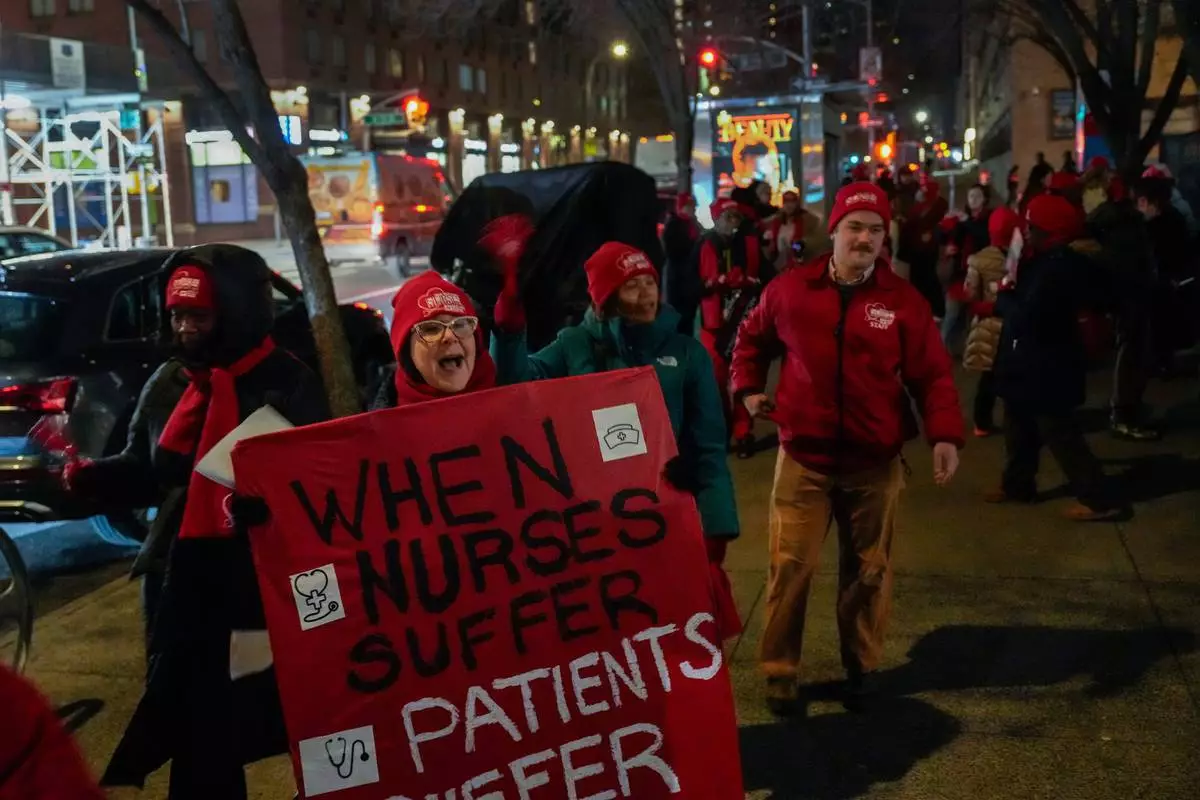
The strike was taking place at The Mount Sinai Hospital and two of its satellite campuses, with picket lines forming. The other affected hospitals are NewYork-Presbyterian and Montefiore Medical Center in the Bronx.

About 15,000 nurses are involved in the strike, according to New York State Nurses Association.

“After months of bargaining, management refused to make meaningful progress on core issues that nurses have been fighting for: safe staffing for patients, healthcare benefits for nurses, and workplace violence protections,” the union said in a statement issued Monday. “Management at the richest hospitals in New York City are threatening to discontinue or radically cut nurses’ health benefits.”

The strike, which comes during a severe flu season, could potentially force the hospitals to transfer patients, cancel procedures or divert ambulances. It could also put a strain on city hospitals not involved in the contract dispute, as patients avoid the medical centers hit by the strike.

The hospitals involved have been hiring temporary nurses to try and fill the labor gap during the walkout, and said in a statement during negotiations that they would “do whatever is necessary to minimize disruptions.” Montefiore posted a message assuring patients that appointments would be kept.

“NYSNA’s leaders continue to double down on their $3.6 billion in reckless demands, including nearly 40% wage increases, and their troubling proposals like demanding that a nurse not be terminated if found to be compromised by drugs or alcohol while on the job," Montefiore spokesperson Joe Solmonese said Monday after the strike had started. "We remain resolute in our commitment to providing safe and seamless care, regardless of how long the strike may last.”

New York-Presbyterian accused the union of staging a strike to “create disruption,” but said in a statement that it has taken steps to ensure patients receive the care they need.

"We’re ready to keep negotiating a fair and reasonable contract that reflects our respect for our nurses and the critical role they play, and also recognizes the challenging realities of today’s healthcare environment,” the statement said.

The work stoppage is occurring at multiple hospitals simultaneously, but each medical center is negotiating with the union independently. Several other hospitals across the city and in its suburbs reached deals in recent days to avert a possible strike.

The nurses’ demands vary by hospital, but the major issues include staffing levels and workplace safety. The union says hospitals have given nurses unmanageable workloads.

Nurses also want better security measures in the workplace, citing incidents like a an incident last week, when a man with a sharp object barricaded himself in a Brooklyn hospital room and was then killed by police.

The union also wants limitations on hospitals’ use of artificial intelligence.

The nonprofit hospitals involved in the negotiations say they’ve been working to improve staffing levels, but say the union’s demands overall are too costly.

Nurses voted to authorize the strike last month.

Both New York Gov. Kathy Hochul and Mayor Zohran Mamdani had expressed concern about the possibility of the strike. As the strike deadline neared, Mamdani urged both sides to keep negotiating and reach a deal that “both honors our nurses and keeps our hospitals open.”

“Our nurses kept this city alive through its hardest moments. Their value is not negotiable,” Mamdani said.

State Attorney General Letitia James voiced similar support, saying "nurses put their lives on the line every day to keep New Yorkers healthy. They should never be forced to choose between their own safety, their patients’ well-being, and a fair contract.”

The last major nursing strike in the city was only three years ago, in 2023. That work stoppage, at Mount Sinai and Montefiore, was short, lasting three days. It resulted in a deal raising pay 19% over three years at those hospitals.

It also led to promised staffing improvements, though the union and hospitals now disagree about how much progress has been made, or whether the hospitals are retreating from staffing guarantees.

Nurses strike outside Mount Sinai West Hospital, Monday, Jan. 12, 2026, in New York. (AP Photo/Yuki Iwamura)

Nurses strike outside Mount Sinai West Hospital, Monday, Jan. 12, 2026, in New York. (AP Photo/Yuki Iwamura)

Nurses strike outside Mount Sinai West Hospital, Monday, Jan. 12, 2026, in New York. (AP Photo/Yuki Iwamura)

Nurses strike outside Mount Sinai West Hospital, Monday, Jan. 12, 2026, in New York. (AP Photo/Yuki Iwamura)

Nurses strike outside Mount Sinai West Hospital, Monday, Jan. 12, 2026, in New York. (AP Photo/Yuki Iwamura)

Nurses strike outside Mount Sinai West Hospital, Monday, Jan. 12, 2026, in New York. (AP Photo/Yuki Iwamura)

Nurses strike outside Mount Sinai West Hospital, Monday, Jan. 12, 2026, in New York. (AP Photo/Yuki Iwamura)

Nurses strike outside Mount Sinai West Hospital, Monday, Jan. 12, 2026, in New York. (AP Photo/Yuki Iwamura)

FILE - A medical worker transports a patient at Mount Sinai Hospital, April 1, 2020, in New York. (AP Photo/Mary Altaffer, File)

FILE - A medical worker transports a patient at Mount Sinai Hospital, April 1, 2020, in New York. (AP Photo/Mary Altaffer, File)

Recommended Articles