Skip to Content Facebook Feature Image

'Gas station heroin' is technically illegal and widely available. Here are the facts

News

'Gas station heroin' is technically illegal and widely available. Here are the facts
News

News

'Gas station heroin' is technically illegal and widely available. Here are the facts

2025-06-14 22:00 Last Updated At:06-15 12:55

WASHINGTON (AP) — Health officials want you to think twice before buying one of those brightly colored little bottles often sold at gas stations, convenience stores and smoke shops.

Sometimes called “gas station heroin,” the products are usually marketed as energy shots or cognitive supplements but actually contain tianeptine, an unapproved drug that can be addictive and carries risks of serious side effects.

More Images
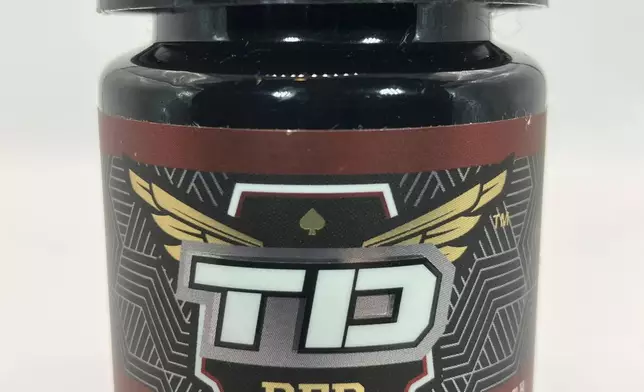
This photo provided by the FDA in January 2024 shows a bottle of TD Red Extra Strength, a product labeled to contain tianeptine. (FDA Office of Regulatory Affairs, Health Fraud Branch via AP)

This photo provided by the FDA in January 2024 shows a bottle of TD Red Extra Strength, a product labeled to contain tianeptine. (FDA Office of Regulatory Affairs, Health Fraud Branch via AP)

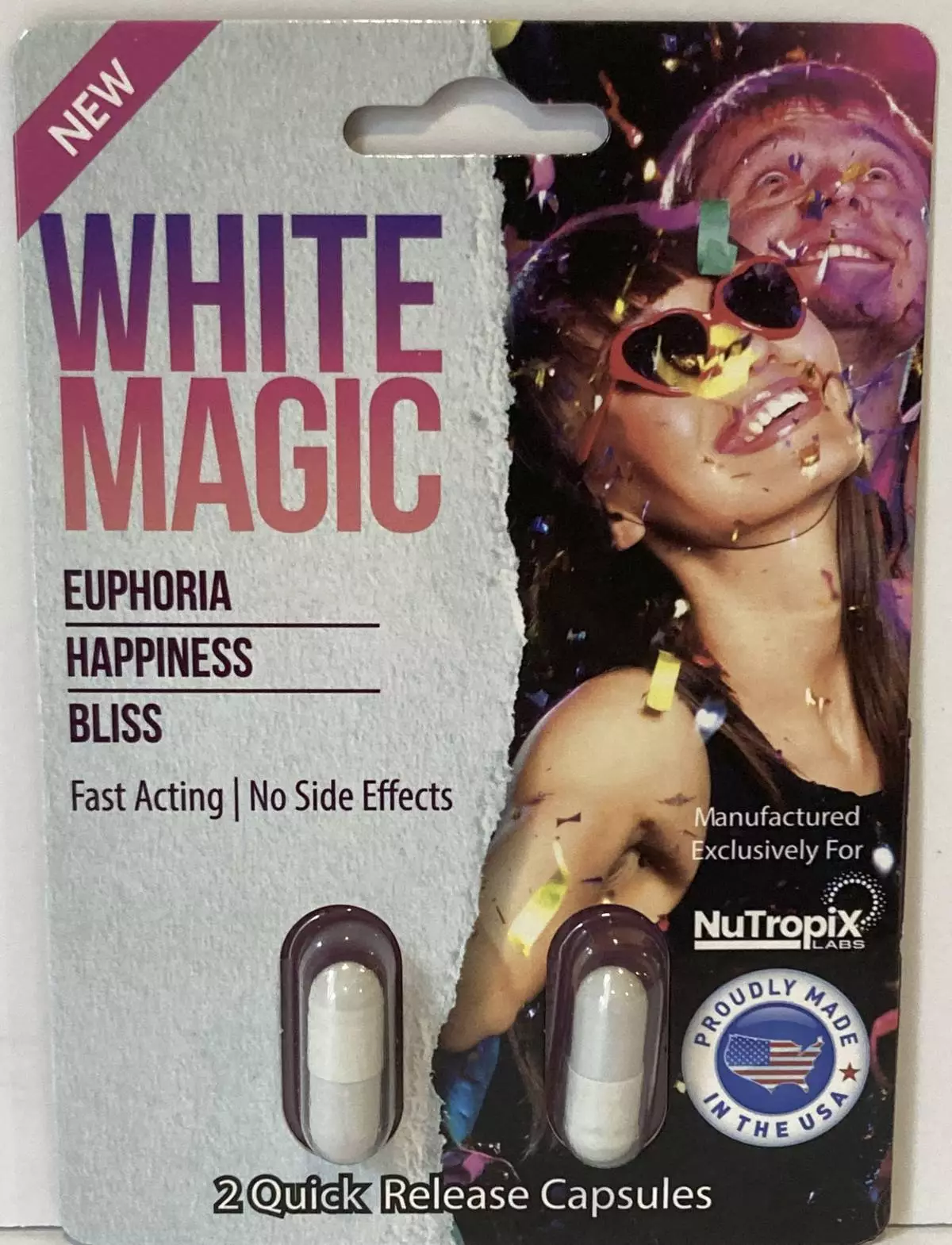
This photo provided by the FDA in January 2024 shows capsules of White Magic, a product labeled to contain tianeptine. (FDA Office of Regulatory Affairs, Health Fraud Branch via AP)
This photo provided by the FDA in January 2024 shows capsules of White Magic, a product labeled to contain tianeptine. (FDA Office of Regulatory Affairs, Health Fraud Branch via AP)
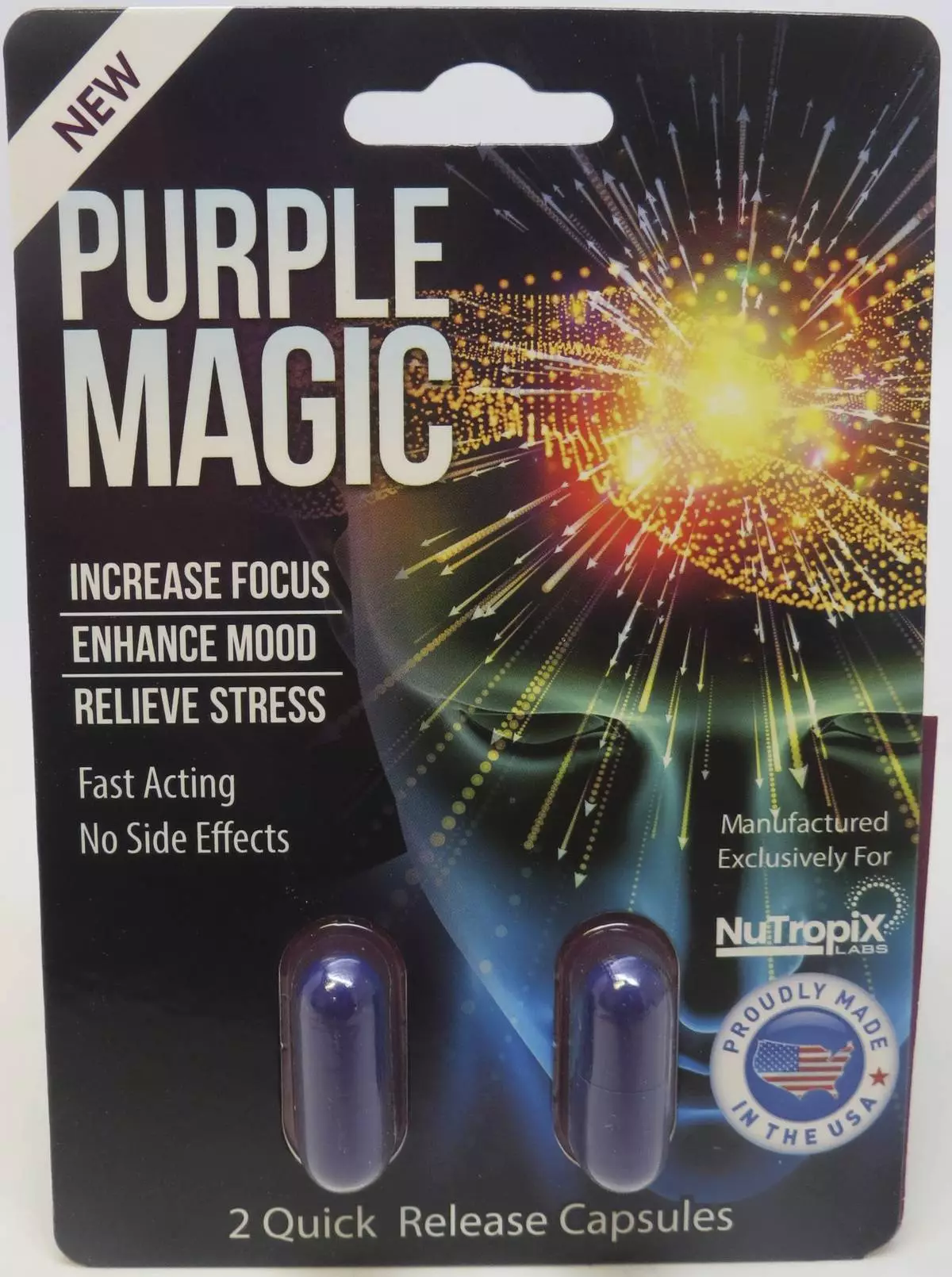
This photo provided by the FDA in January 2024 shows capsules of Purple Magic, a product labeled to contain tianeptine. (FDA Office of Regulatory Affairs, Health Fraud Branch via AP)

This photo provided by the FDA in January 2024 shows capsules of Purple Magic, a product labeled to contain tianeptine. (FDA Office of Regulatory Affairs, Health Fraud Branch via AP)

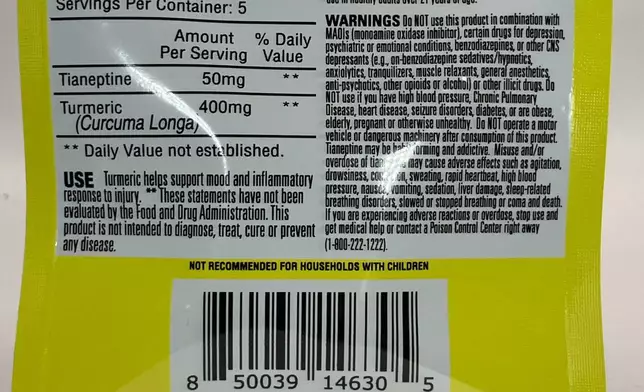
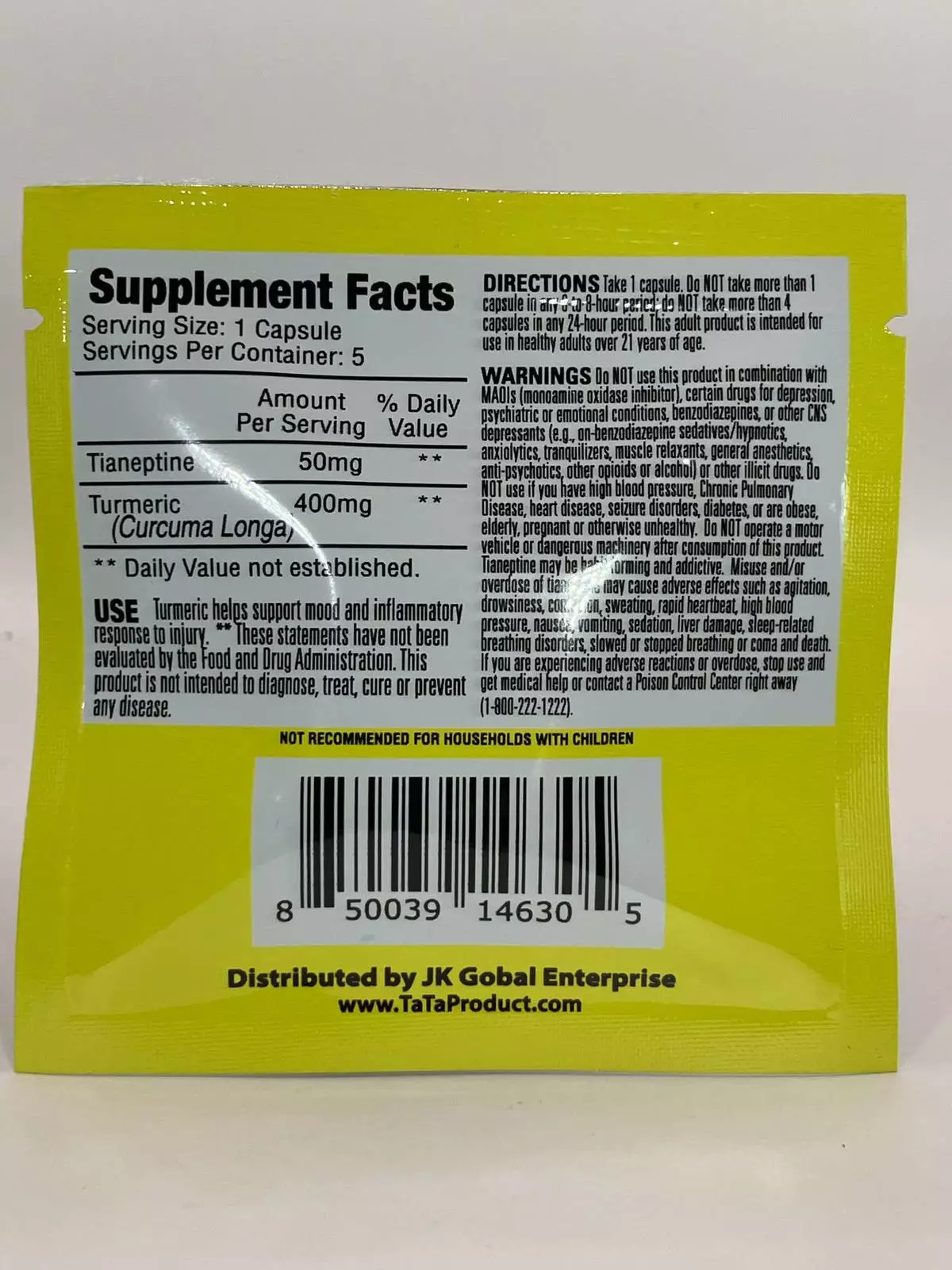
This photo provided by the FDA in January 2024 shows a the ingredient list of TA TA, a product labeled to contain tianeptine. (FDA Office of Regulatory Affairs, Health Fraud Branch via AP)

This photo provided by the FDA in January 2024 shows a the ingredient list of TA TA, a product labeled to contain tianeptine. (FDA Office of Regulatory Affairs, Health Fraud Branch via AP)

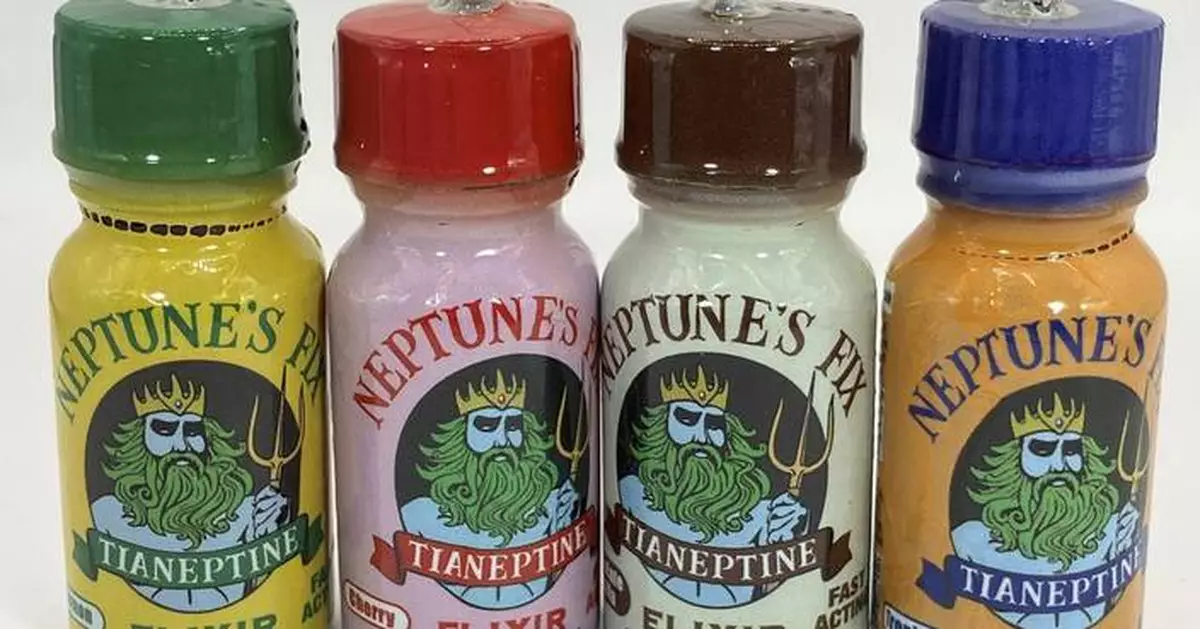
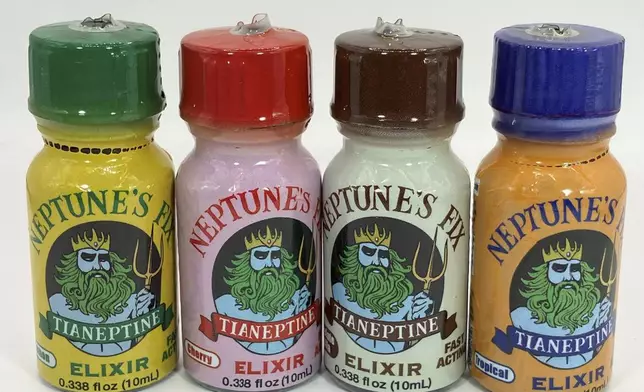
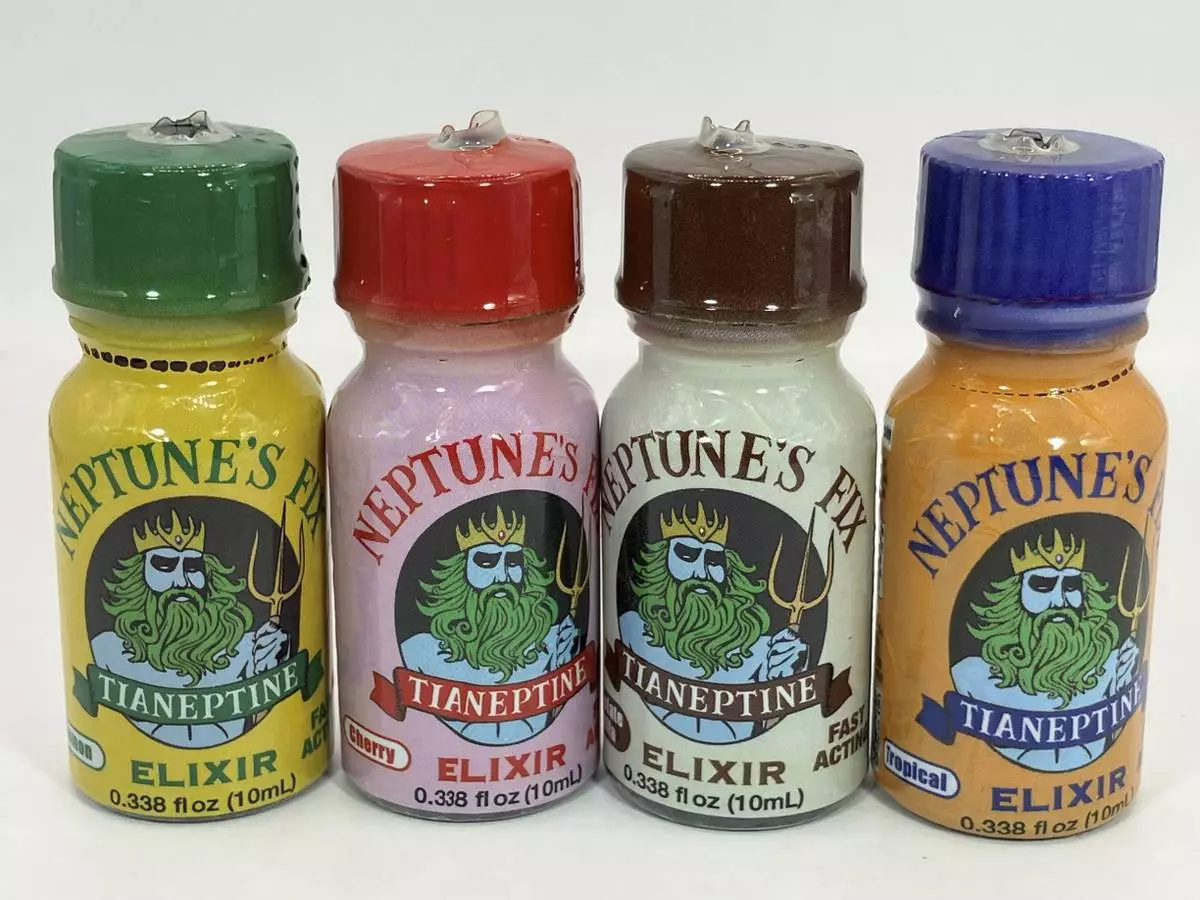
This photo provided by the FDA in January 2024 shows bottles of Neptunes Fix Elixir, a product labeled to contain tianeptine. (FDA Office of Regulatory Affairs, Health Fraud Branch via AP)

This photo provided by the FDA in January 2024 shows bottles of Neptunes Fix Elixir, a product labeled to contain tianeptine. (FDA Office of Regulatory Affairs, Health Fraud Branch via AP)

U.S. poison control centers have reported a steady rise in calls linked to the drug for more than a decade. And last month the Food and Drug Administration sent a warning to health professionals about “the magnitude of the underlying danger or these products.”

Here’s what to know about gas station heroin.

Tianeptine is approved in a number foreign countries as an antidepressant, usually as a low-dose pill taken three times a day. But it has never been approved by the FDA for any medical condition in the U.S.

Additionally, the drug cannot legally be added to foods and beverages or sold as a dietary supplement — something the FDA has repeatedly warned U.S. companies about.

Still, under-the-radar firms sell tianeptine in various formulas, often with brand names like Zaza, Tianaa, Pegasus and TD Red. Although that is technically illegal, the FDA does not preapprove ingredients added to supplements and beverages.

“It’s kind of this grey area of consumer products, or supplements, where the contents are not regulated or tested the way they would be with a medication,” said Dr. Diane Calello of the New Jersey Poison Information and Education System.

Last year, Calello and her colleagues published a study documenting a cluster of emergency calls in New Jersey tied to a flavored elixir called Neptune’s Fix. People experienced distress, rapid heartbeat, low blood pressure and seizures after drinking it. More than a dozen of the 20 patients had to be admitted for intensive care.

Many tianeptine products claim— without evidence or FDA approval— to help users treat medical conditions, including addiction, pain and depression.

In 2018, the FDA issued a warning letter to the maker of a product called Tianna, which claimed to provide “an unparalleled solution to cravings for opiates.”

While tianeptine is not an opioid, the drug binds to some of the same receptors in the brain, which can temporarily produce effects akin to oxycodone and other opioids. Tianeptine also carries some of the same physiological risks of opioids, including the potential to dangerously depress breathing.

“That’s what tends to get people into trouble,” said Dr. Hannah Hays of Nationwide Children's Hospital in Columbus, Ohio. “They use it for opioid-like effects or to self-treat opioid withdrawal and that can lead to slow breathing and problems like that."

People dealing with opioid addiction, pain, depression, anxiety and other conditions should see a health professional to get a prescription for FDA-approved treatments, Hays said.

Experts aren’t sure but national figures show a big rise in emergency calls involving the drug.

Calls to poison control centers increased 525% between 2018 and 2023, according to a data analysis published earlier this year. In about 40% of cases, the person had to seek medical care, with more than half of them needing critical care.

One explanation for the rise in calls is simply that more Americans are using the products.

But experts also say that the products are triggering more emergencies as they become more potent and dangerous. And the researchers in New Jersey who analyzed Neptune’s Fix found that the liquid also contained synthetic cannabis and other drugs.

“You never quite know what’s in that bottle," Calello said. “It’s important for people to know that even if they have used a product before, they could get a bottle that contains something very different from what they’re looking for.”

Tianeptine is not included in the federal Controlled Substances Act, which bans or restricts drugs that have no medical use or have a high potential for abuse, such as heroin, LSD and PCP. But about a dozen states have passed laws prohibiting or restricting tianeptine, including Alabama, Georgia, Michigan, Minnesota, Ohio and Tennessee.

In some cases, those laws have led to more cases of withdrawal among users of tianeptine, which can be chemically addictive. But state data also shows some success in reducing harm tied to the drug.

Until recently, Alabama had the highest rate of tianeptine-related calls in the southern U.S., which increased more than 1,400% between 2018 to 2021. But after the state restricted tianeptine in 2021 calls began modestly decreasing while calls across other southern states continued to climb.

The Associated Press Health and Science Department receives support from the Howard Hughes Medical Institute’s Science and Educational Media Group and the Robert Wood Johnson Foundation. The AP is solely responsible for all content.
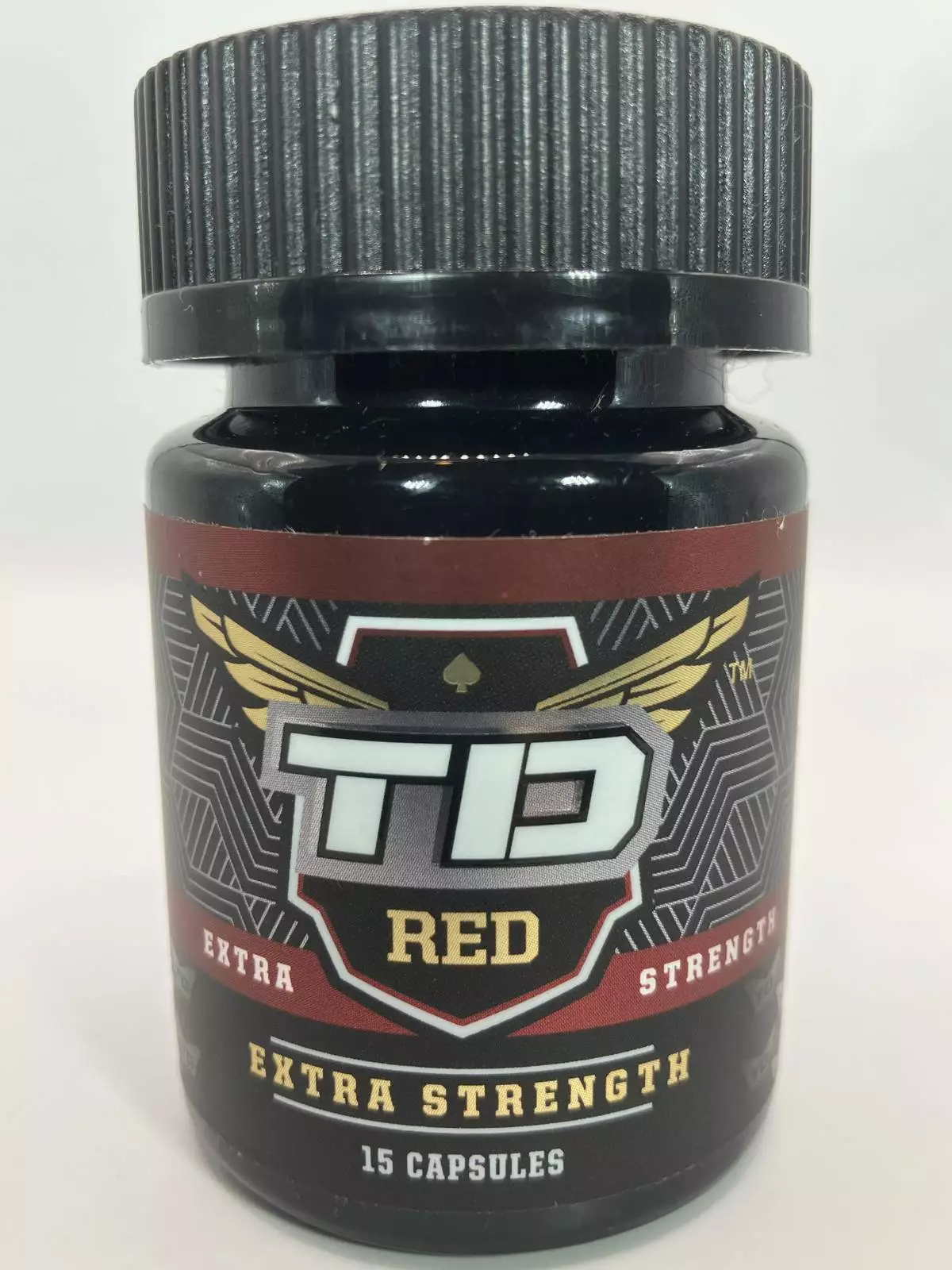
This photo provided by the FDA in January 2024 shows a bottle of TD Red Extra Strength, a product labeled to contain tianeptine. (FDA Office of Regulatory Affairs, Health Fraud Branch via AP)
This photo provided by the FDA in January 2024 shows a bottle of TD Red Extra Strength, a product labeled to contain tianeptine. (FDA Office of Regulatory Affairs, Health Fraud Branch via AP)
This photo provided by the FDA in January 2024 shows capsules of White Magic, a product labeled to contain tianeptine. (FDA Office of Regulatory Affairs, Health Fraud Branch via AP)
This photo provided by the FDA in January 2024 shows capsules of White Magic, a product labeled to contain tianeptine. (FDA Office of Regulatory Affairs, Health Fraud Branch via AP)
This photo provided by the FDA in January 2024 shows capsules of Purple Magic, a product labeled to contain tianeptine. (FDA Office of Regulatory Affairs, Health Fraud Branch via AP)

This photo provided by the FDA in January 2024 shows capsules of Purple Magic, a product labeled to contain tianeptine. (FDA Office of Regulatory Affairs, Health Fraud Branch via AP)

This photo provided by the FDA in January 2024 shows a the ingredient list of TA TA, a product labeled to contain tianeptine. (FDA Office of Regulatory Affairs, Health Fraud Branch via AP)

This photo provided by the FDA in January 2024 shows a the ingredient list of TA TA, a product labeled to contain tianeptine. (FDA Office of Regulatory Affairs, Health Fraud Branch via AP)

This photo provided by the FDA in January 2024 shows bottles of Neptunes Fix Elixir, a product labeled to contain tianeptine. (FDA Office of Regulatory Affairs, Health Fraud Branch via AP)

This photo provided by the FDA in January 2024 shows bottles of Neptunes Fix Elixir, a product labeled to contain tianeptine. (FDA Office of Regulatory Affairs, Health Fraud Branch via AP)

KYIV, Ukraine (AP) — Russian drones blasted apartment buildings and the power grid in the southern Ukraine city of Odesa in an overnight attack that injured six people, including a toddler and two other children, officials said Wednesday.

Four apartment buildings were damaged in the bombardment, according to regional military administration head Oleh Kiper. Power company DTEK said two of its energy facilities suffered significant damage. The company said that 10 substations that distribute electricity in the Odesa region were damaged in December alone.

Russia has this year escalated its long-range attacks on urban areas of Ukraine. In recent months, as Russia’s invasion of its neighbor approaches its four-year milestone in February, it has also intensified its targeting of energy infrastructure, seeking to deny Ukrainians heat and running water in the bitter winter months.

From January to November this year, more than 2,300 Ukrainian civilians were killed and more than 11,000 were injured, the United Nations said earlier this month. That was 26% higher than in the same period in 2024 and 70% higher than in 2023, it said.

Russia’s sustained drone and missile attacks have taken place against backdrop of renewed diplomatic efforts to stop the fighting.

U.S. President Donald Trump hosted Ukrainian President Volodymyr Zelenskyy at his Florida resort on Sunday and announced that a settlement is “closer than ever before." The Ukrainian leader is due to hold talks next week with the heads of European governments supporting his efforts to secure acceptable terms.

The ongoing attacks, meantime, are inflaming tensions.

The overnight Odesa strikes “are further evidence of the enemy’s terror tactics, which deliberately target civilian infrastructure,” Kiper, the regional head, said.

Moscow has alleged that Ukraine attempted to attack Russian President Vladimir Putin’s residence in northwestern Russia with 91 long-range drones late Sunday and early Monday. Ukrainian officials deny the claim and say it’s a ruse to derail progress in the peace negotiations.

Maj. Gen. Alexander Romanenkov of the Russian air force claimed Wednesday that the drones took off from Ukraine’s Sumy and Chernihiv regions.

At a briefing where no questions were allowed, he presented a map showing the drone flight routes before they were downed by Russian air defenses over the Bryansk, Tver, Smolensk and Novgorod regions.

It was not possible to independently verify the reports.

The European Union’s foreign policy chief, Kaja Kallas, on Wednesday called the Russian allegations “a deliberate distraction” from the peace talks.

“No one should accept unfounded claims from the aggressor who has indiscriminately targeted Ukraine’s infrastructure and civilians since the start of the war,” Kallas posted on X.

Zelenskyy said Wednesday that Romania and Croatia are the latest countries to join a fund that buys weapons for Ukraine from the United States. The financial arrangement, known as the Prioritized Ukraine Requirements List, or PURL, pools contributions from NATO members, except the United States, to purchase American weapons, munitions and equipment.

Since it was established in August, 24 countries are now contributing to the fund, according to Zelenskyy. The fund has so far received $4.3 billion, with almost $1.5 billion coming in December alone, he said on social media.

Ukraine’s air force said Wednesday that Russia fired 127 drones at the country during the night, with 101 of them intercepted by air defenses.

Meanwhile, the Russian Defense Ministry said that 86 Ukrainian drones were shot down overnight over Russian regions, the Black Sea and the illegally annexed Crimea peninsula.

The Ukrainian attack started a fire at an oil refinery in Russia's southern Krasnodar region, but it was quickly put out, local authorities said.

This story has corrected the day of the alleged Ukrainian drone attack on the Russian president’s residence to late Sunday and early Monday.

Follow AP’s coverage of the war in Ukraine at https://apnews.com/hub/russia-ukraine

In this photo provided by the Ukrainian Emergency Service, emergency services personnel work to extinguish a fire following a Russian attack in Odesa, Ukraine, Wednesday, Dec. 31, 2025. (Ukrainian Emergency Service via AP)

In this photo provided by the Ukrainian Emergency Service, emergency services personnel work to extinguish a fire following a Russian attack in Odesa, Ukraine, Wednesday, Dec. 31, 2025. (Ukrainian Emergency Service via AP)

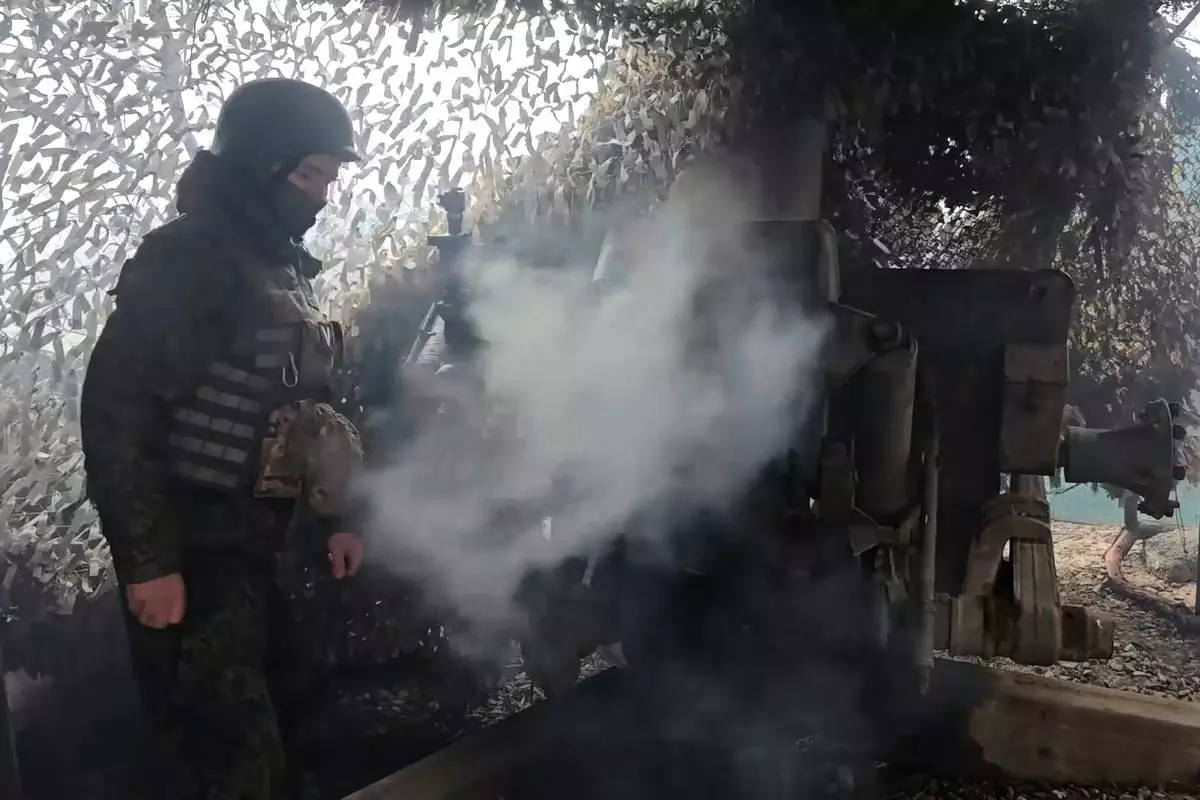
In this image made from video provided by the Russian Defense Ministry Press Service on Tuesday, Dec. 30, 2025, a Russian Army soldier fires from D-30 howitzer towards Ukrainian positions in an undisclosed location in Ukraine. (Russian Defense Ministry Press Service via AP)

In this image made from video provided by the Russian Defense Ministry Press Service on Tuesday, Dec. 30, 2025, a Russian Army soldier fires from D-30 howitzer towards Ukrainian positions in an undisclosed location in Ukraine. (Russian Defense Ministry Press Service via AP)

Recommended Articles