Removal of the tail section of Air India's Boeing 787-8 aircraft involved in Thursday's tragic plane crash in the western Indian city of Ahmedabad officially commenced on Saturday.
Air India's Flight AI-171, a Boeing 787-8 aircraft, flying from Ahmedabad to London, descended rapidly and crashed into a building on Thursday shortly after takeoff, killing 241 people on board with only one survivor.
The fuselage of the plane still remained on the top of the buildings at the crash site, where mechanics and laborers are working to ensure that it will be taken out in a way that it can still provide clues to the final moments of AI-171.
Investigators and forensic experts from the UK, the U.S., and Canada have arrived in Ahmedabad to analyze the cause of the tragedy.
One of the black boxes, the digital flight data recorder, was recovered already on Friday afternoon from the rooftop of the building on which the jet crashed, while search for the other one, the cockpit voice recorder, is still underway.
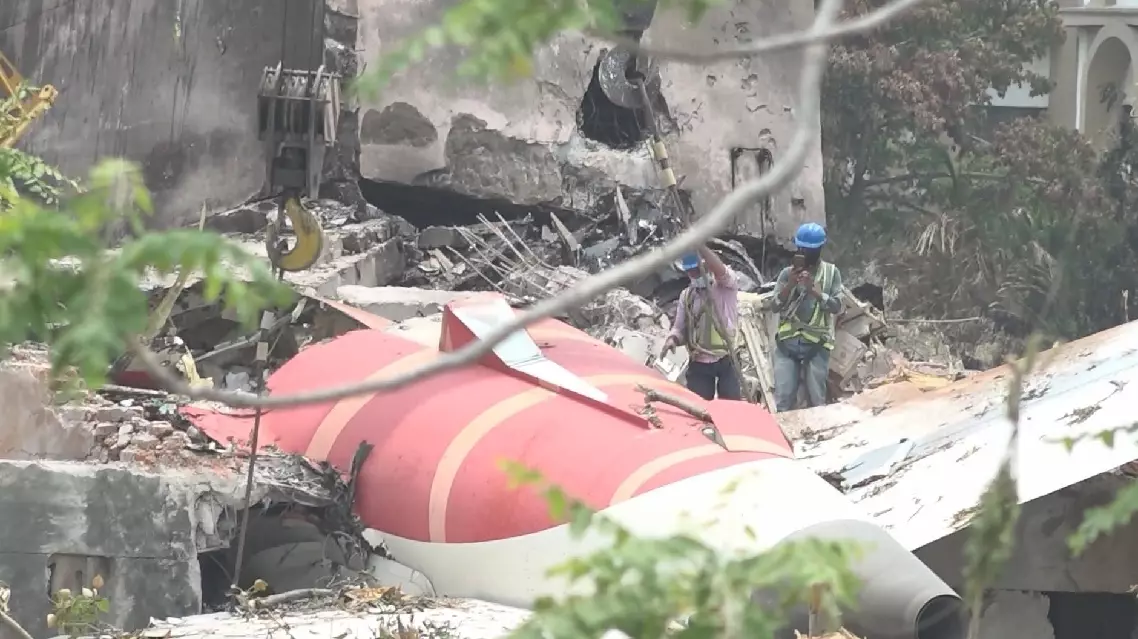
Removal of tail section of crashed Air India plane begins
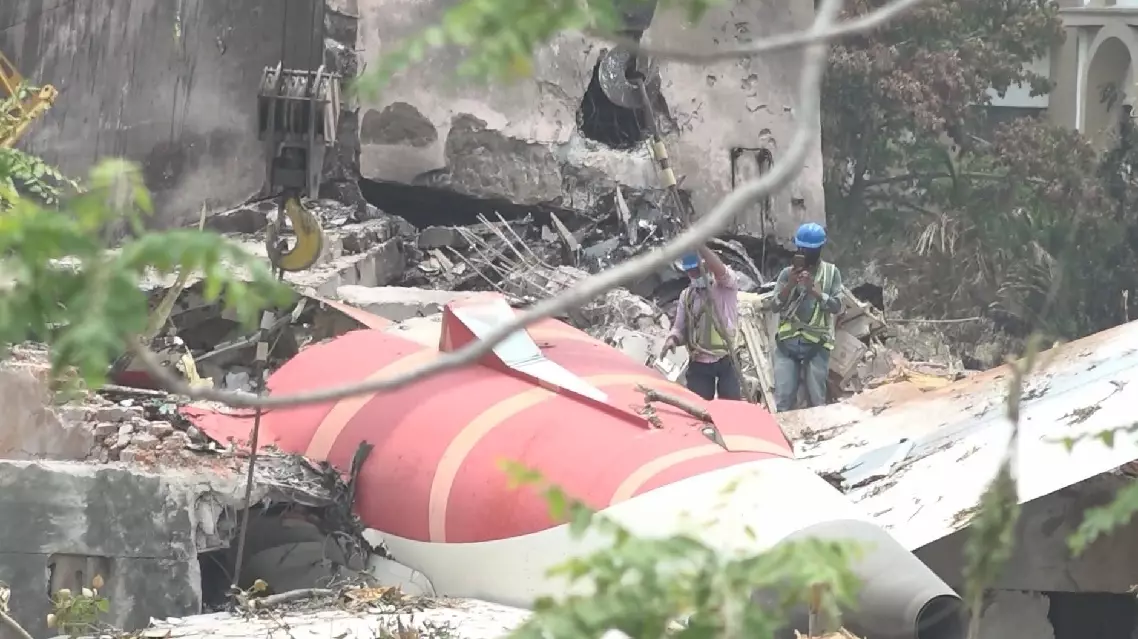
Removal of tail section of crashed Air India plane begins
Iran is not only ready for talks with the U.S. on the basis of mutual respect, but also fully prepared for war, said Iranian Foreign Minister Seyed Abbas Araghchi on Monday.
Araghchi accused the U.S. and Israel of playing a direct role in recent unrest across Iran. He said the Iranian government has obtained evidence showing that the recent disturbances, including attacking police stations and burning public facilities, were carried out by "terrorists" backed by the U.S. and Israel.
The Iranian government announced a three-day nationwide mourning period from Monday to honor police officers, security personnel, and civilians killed during the disturbances.
According to Iran's semi-official Tasnim news agency, at least 111 members of Iran's security forces have been killed in the unrest over the past two weeks. Iranian authorities have not released official casualty figures for protesters.
At midday on Monday, Iranians remained largely without internet access, according to on-the-ground reporting by a China Media Group (CM) journalist, who also said domestic phone services have not been disrupted in Iran over the past 24 hours.
Security has been reinforced across Tehran, with police increasing patrols in key locations and blocks.
Despite heightened security measures, traffic conditions in Tehran were reported to be normal.
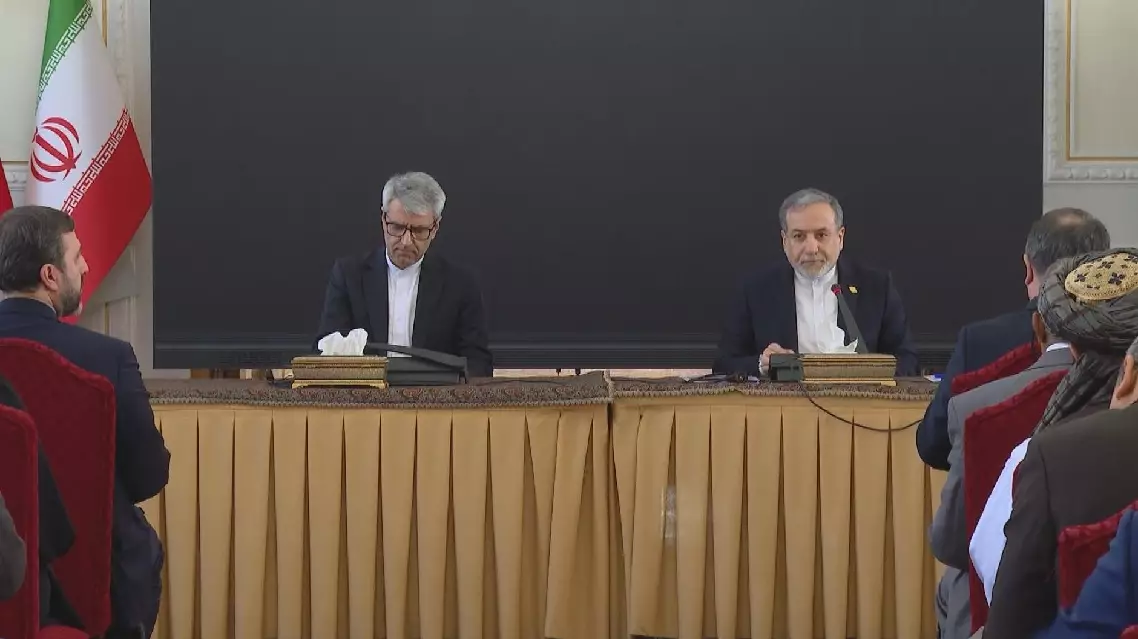
Iran ready for talks with US based on mutual respect: FM