A professor in Kuwait on Saturday warned that escalating hostilities between Israel and Iran pose severe threats, including the handling of nuclear materials, radiation risks, and environmental hazards, which could destabilize regional security.
In an interview with China Global Television Network (CGTN), Bader Al Saif, founding president of Al-Saif Consulting and assistant professor at Kuwait University, elaborated on Israel's aggressive measures to shift the balance of power and their far-reaching consequences.
"The way that Israel is conducting itself in the region is not conducive to anyone, including Israel. If you want to live in peace and security and be embraced and welcomed by your neighbors, you can't bully them into that position. And you can't continue isolating yourself, you can't keep using the weapons and war card to push you through. Because at the end of the day, you are housing a set of normal people who want to live in peace, and that is not going to come with such action," he said.
In retaliation to the Israeli offensive, Iran has launched barrages of ballistic missiles targeting military installations inside Israel since Friday night.
"There was an assumption among Israeli circles, Western observers, and others that they have neutralized the air force capacities of Iran in the last day and in the previous rounds in 2024. But apparently this is not the case, given the many, many drones, the various missiles, some of which have been able to penetrate the Golden Dome and they were able to reach certain targets in Israel. The game is not over, and there is an asymmetrical warfare mechanism that they have always prided themselves in," he said.
With Israel and Iran potentially engaging in further retaliatory attacks, Bader warned of the inherent risks these actions pose, emphasizing their threat to regional and global safety.
"It's risky not only because of the conventional warfare that's happening or the asymmetrical option that Iran could resort to, but we are dealing with nuclear items, we are dealing with radiation concerns, we are dealing with environmental damage capacities. We heard and saw that, Natanz, for example - the reactor yesterday was hit, there was some internal radiation. What if it goes beyond that in further cycles? This is risky and it is risky to everyone. The Israelis are playing with fire," said the professor.
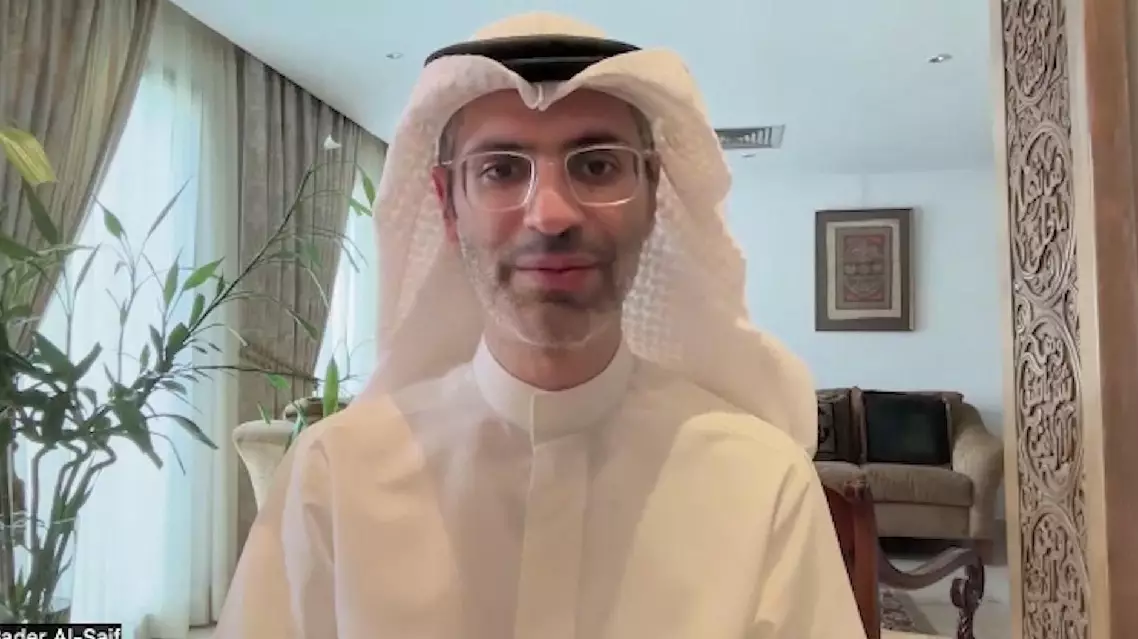
Expert urges de-escalation of Israel-Iran conflict to avert nuclear, environmental crisis