Since the beginning of this year, China to Central Asian countries have deepened their economic and trade cooperation with increased freight train services.
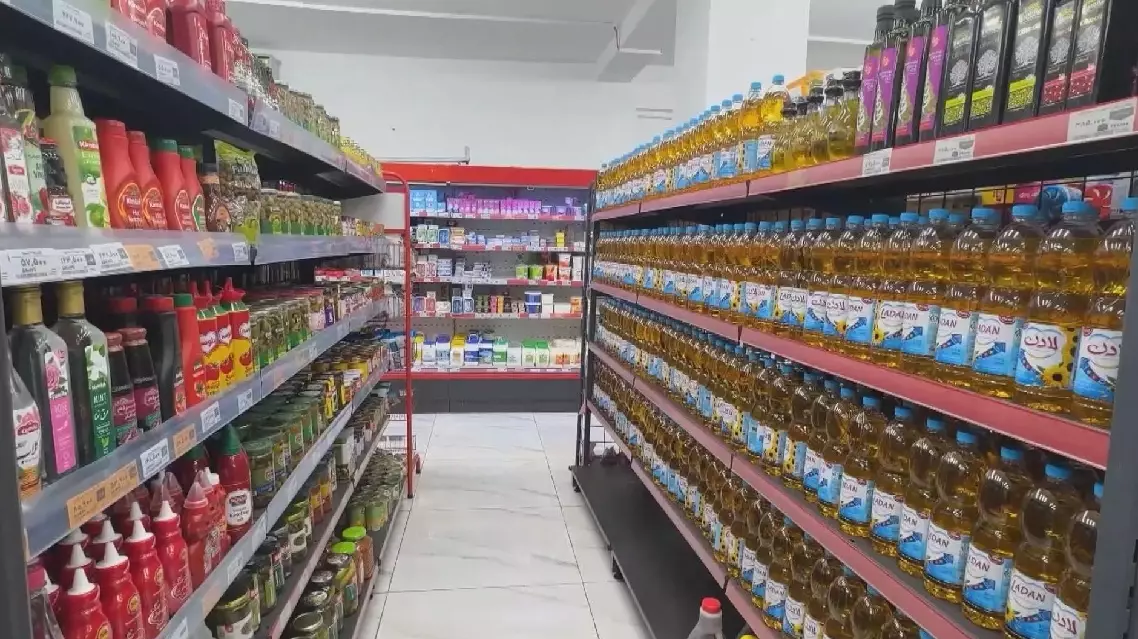
More and more Chinese products, such as household appliances from Sichuan, auto parts from Chongqing, and textiles from Gansu, are reaching Central Asian countries, contributing to infrastructure construction and people's livelihood in Central Asia.
Meanwhile, high-quality wheat flour from Kazakhstan and other Central Asia countries has been transported to China, where it is made into various foods and served on the tables of Chinese consumers.
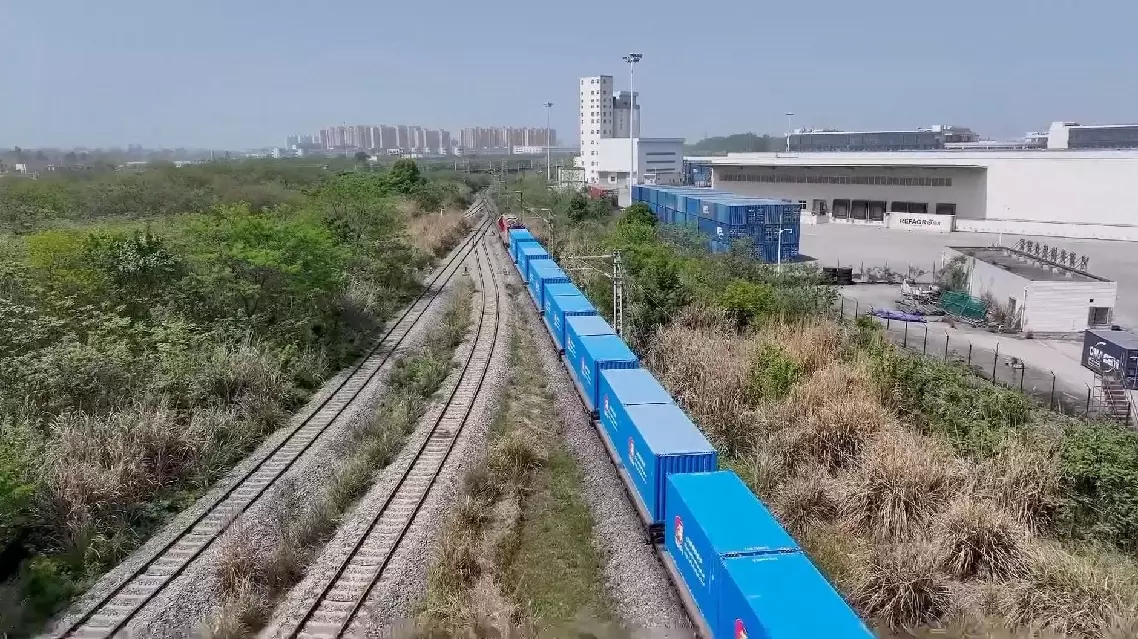
On Monday morning, a scheduled China-Central Asia freight train loaded with goods departed from Chengdu, southwest China’s Sichuan Province. It will exit China through Horgos Port in Xinjiang before arriving in Uzbekistan in about eight days. Such freight trains running from a number of Chinese cities to Central Asia countries on a regular basis have opened new regular cross-border logistics channels for China's inland enterprises to explore the Eurasian market.
"In the past, most railway freight transport adopted a piecemeal shipping method of 'goods waiting for a train'. This method required that the departure time be determined only when the goods from various places were collected and loaded into one train, making it difficult to control both the timeliness and cost. Now, the regularly scheduled train operates once a week, with a fixed time, route and schedule, departing on time, thus forming a stable cross-border transportation channel," said Xu Jiao, a senior engineer of the Freight Department of China Railway Chengdu Group.
Although the central and western regions in China are located inland, they serve as the important windows for connecting the Eurasian continent. In recent years, logistics channels, such as the China-Central Asia freight trains and the China-Europe trans-Caspian direct express service, have laid a foundation for mutually beneficial economic and trade cooperation between these related countries. "Relying on a steadily expanding logistics network, Gansu has carried out long-term logistics cooperation and trade exchanges with many Central Asian countries. The types of goods transported have also expanded from the initial basic goods such as mineral products and fruits to diversified commodities such as daily necessities and auto parts. We have innovated the supervision model, successfully removing intermediate links such as secondary transshipment and hoisting of goods. The operation time for a single shipment has been reduced by six hours, and the customs clearance time at the port has been cut by 30 percent. This has effectively helped enterprises improve logistics efficiency and reduce operating costs," said Wang Hongliang, chief of Jincheng Customs of Lanzhou Customs.
China, Central Asia deepen trade cooperation with regular rail freight services