The deadly conflict between Israel and Iran entered its fifth day on Tuesday, with both sides continuing to launch attacks from Monday night into Tuesday morning.
According to reporters from the China Media Group (CMG) on the ground in Tehran, several explosions were heard in the Iranian capital early on Tuesday morning, as air defense systems were activated to intercept aerial targets.
Israel's Channel 12 television station said the Israeli army had attacked Tehran, Natanz, Ahvaz, Mashhad and other locations across Iran during the early hours of Tuesday.
The Israel Defense Forces (IDF) said in a statement that Iran had launched a new round of missile attacks towards Israel, while the Israeli defense system was attempting to intercept incoming threats, as sirens sounded across central and southern Israel.
Israel's Home Front Command advised residents to comply with the relevant evacuation instructions amid the current situation.
Iranian state broadcaster IRIB said one of its buildings was targeted by an Israeli strike on Monday, with smoke later seen rising from the location. Video footage aired by the network showed the moment the attack occurred during a live show, with an anchor forced to halt the broadcast following a second explosion.
Iranian Foreign Ministry spokesman Esmaeil Baghaei on Monday condemned Israel's attack on a hospital in western Iran, calling it "a grave violation of international law and a war crime" in a post on social media site X.
IDF spokesman Effie Defrin said on Monday that since Israel's first attack on Friday, the Israeli army had destroyed more than 120 Iranian missile launchers, which are believed to account for about one-third of the country's total arsenal.
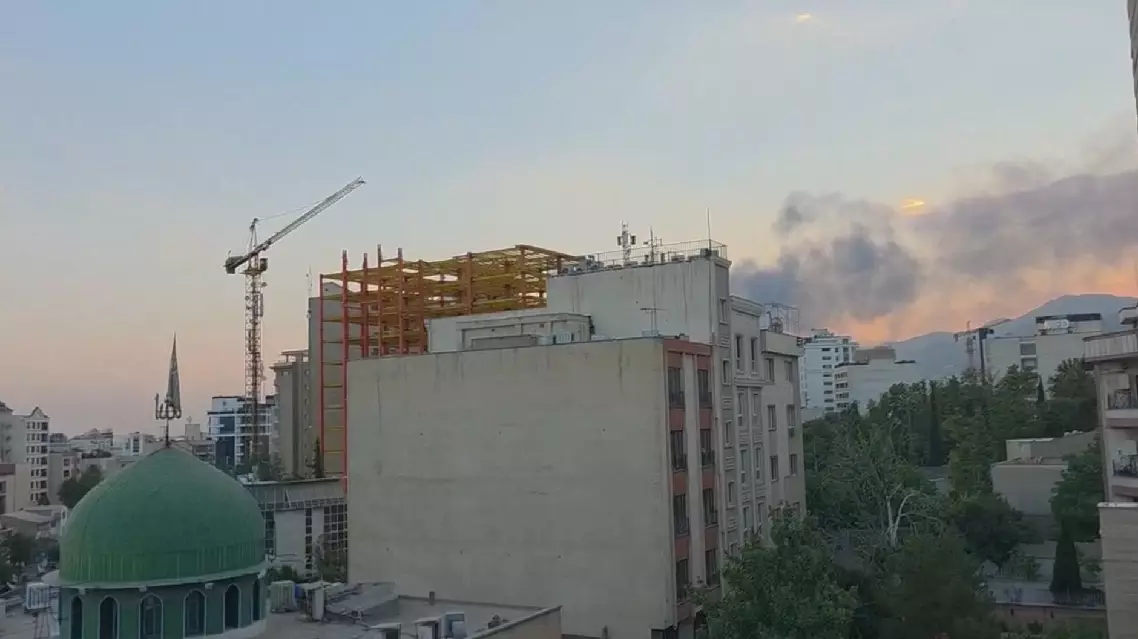
Iran-Israel conflict continues to escalate with ongoing mutual attacks
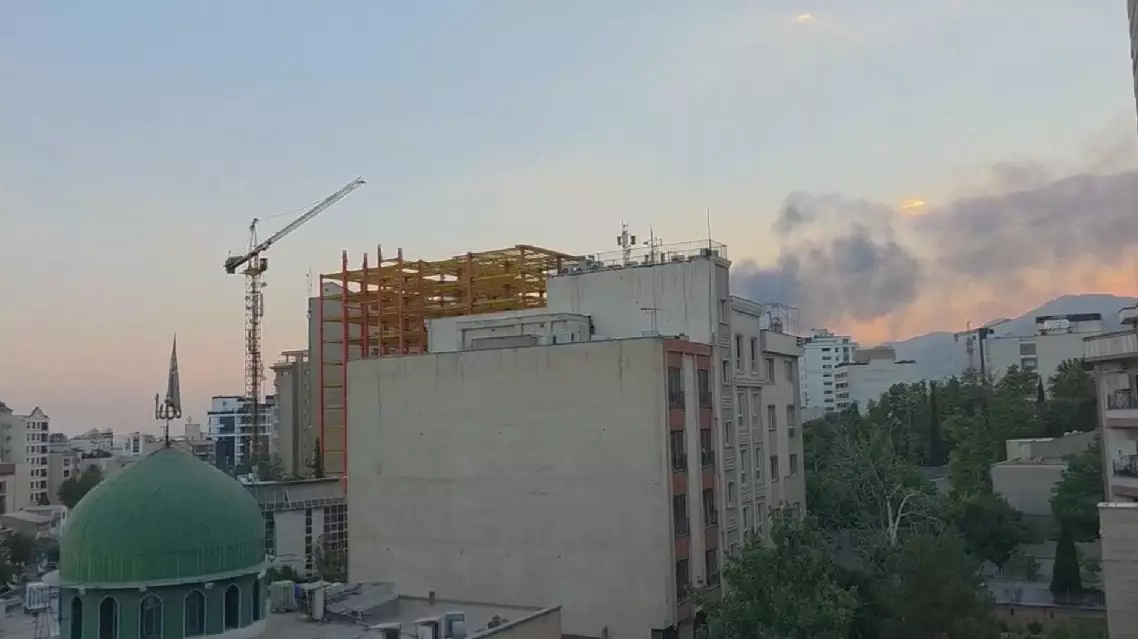
Iran-Israel conflict continues to escalate with ongoing mutual attacks
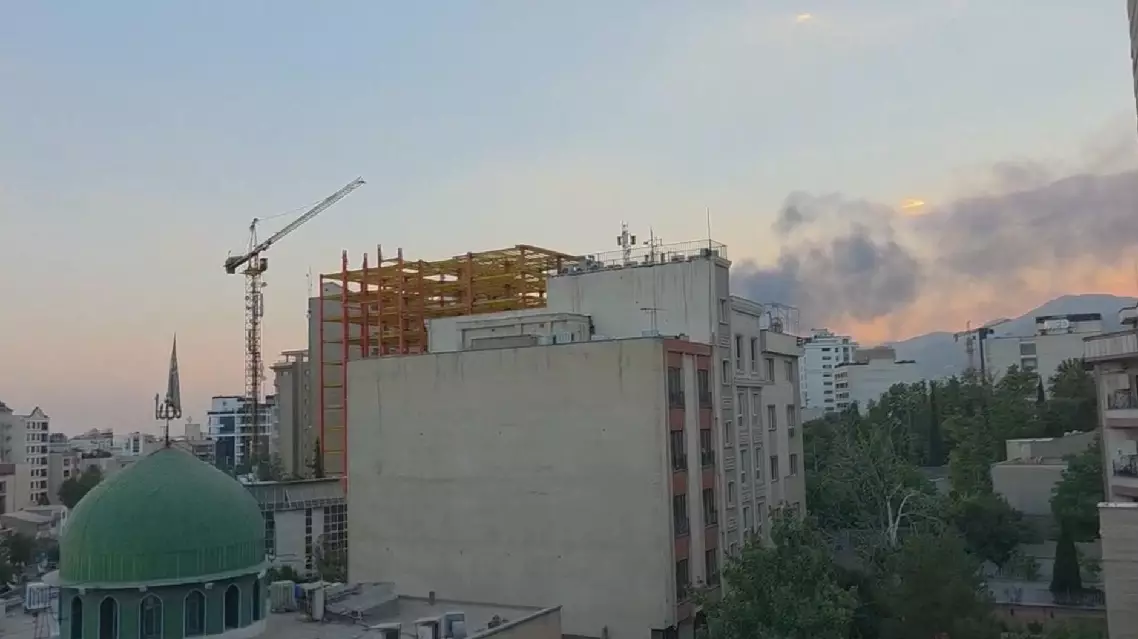
Iran-Israel conflict continues to escalate with ongoing mutual attacks
The Urumqi–Yuli Expressway, which traverses the Tianshan Mountains in northwest China's Xinjiang Uygur Autonomous Region, opened to traffic on Friday after more than five years of construction, significantly enhancing regional connectivity and enabling faster, more efficient movement of goods and services across the region.
The expressway is a core component of the G0711 national highway network, spanning 324.7 kilometers.
Stretching 2,500 kilometers, the Tianshan Mountains span central Xinjiang, separating Urumqi, the largest city in the north, from Korla, the largest city in the south. With the opening of the expressway, travel time between these two cities is reduced from seven hours to about three hours.
As a key component of the expressway and the world's longest expressway tunnel, the 22.13-km Tianshan Shengli Tunnel officially opened to traffic on the same day.
The tunnel's construction incorporated multiple cutting-edge technologies and innovations, including advanced survey and design methods for ultra-long tunnels and intelligent construction techniques.
"We have established a relatively systematic, comprehensive, and highly efficient management system for major engineering technological innovation across the entire expressway, and have accumulated extensive construction and management experience in delivering mega-projects under extreme environmental conditions," said Song Hailiang, chairman of the China Communications Construction Group.
The expressway connects Urumqi with the northern city belt and the southern urban clusters of Xinjiang, linking the Junggar Basin and the Tarim Basin. It enables rapid transportation between Urumqi, Kashgar, and Khorgos, strengthening Xinjiang’s role as a strategic hub for both the domestic market and international trade.
"With the expressway now operational, business opportunities are flowing in, and many inland companies are coming to sign agreements with us," said Yu Ruihong, chairwoman and general manager of the Xinjiang Ruiyuan Dairy.
"The Urumqi–Yuli Expressway significantly improves Xinjiang's connectivity with the eastern coastal regions and the New International Land–Sea Corridor, supporting the development of a modern, comprehensive, three-dimensional transportation network and high-quality Belt and Road cooperation," said Zhou Rongfeng, director general of the Highway Bureau of the Ministry of Transport.

Urumqi-Yuli Expressway boosts Xinjiang's trade connectivity, strengthens regional integration