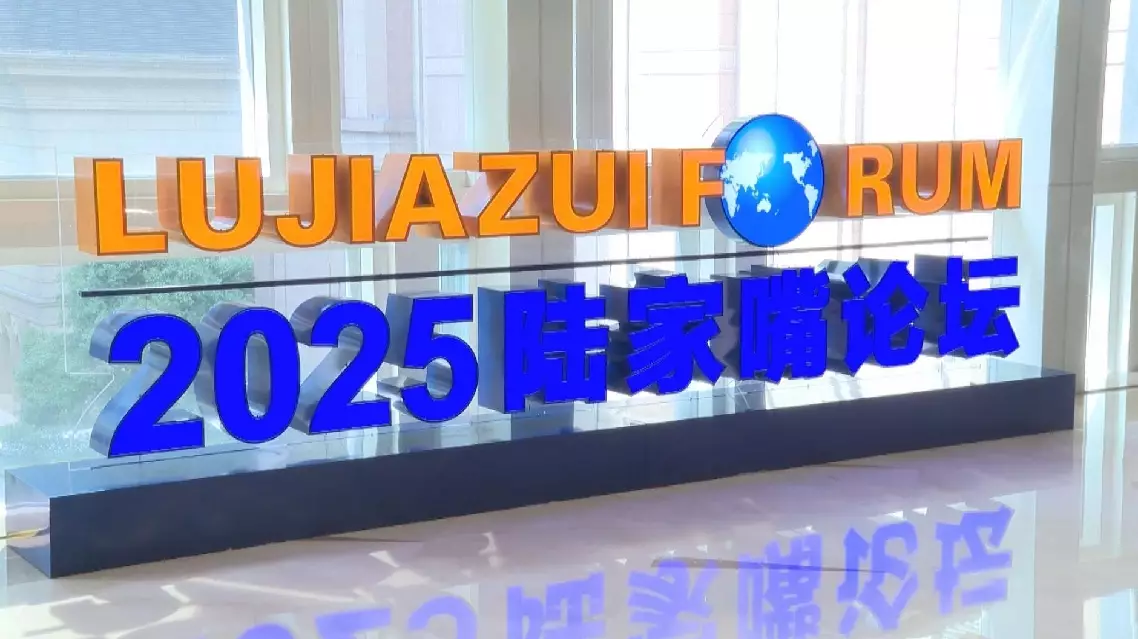
The 2025 Lujiazui Forum officially opened in Shanghai on Wednesday morning, expecting multiple major financial policies to be announced for deeper financial reform, openness, and international cooperation.
The two-day forum has gathered policymakers, regulators, and financial leaders from over ten countries and regions. This year's theme, "Financial opening up and cooperation for high-quality development in a changing global economy," highlights China's commitment to further integrating into the global financial system.
Senior leaders from the People's Bank of China, the National Administration of Financial Regulation, the China Securities Regulatory Commission, the State Administration of Foreign Exchange, and the Shanghai Municipal Government will deliver keynote speeches.
More than 70 distinguished speakers are attending the forum, including heads of foreign financial institutions and global regulatory agencies.
After the opening ceremony, there will be eight plenary sessions and forums with a strong emphasis on cutting-edge topics, such as how artificial intelligence can empower financial reform and innovation, how finance can support the development of new quality productive forces, and how to improve the multi-tiered capital market system to cultivate patient capital.
Three special sessions will also be held, focusing on reinsurance market development, science and technology finance, and the rule of law in finance.
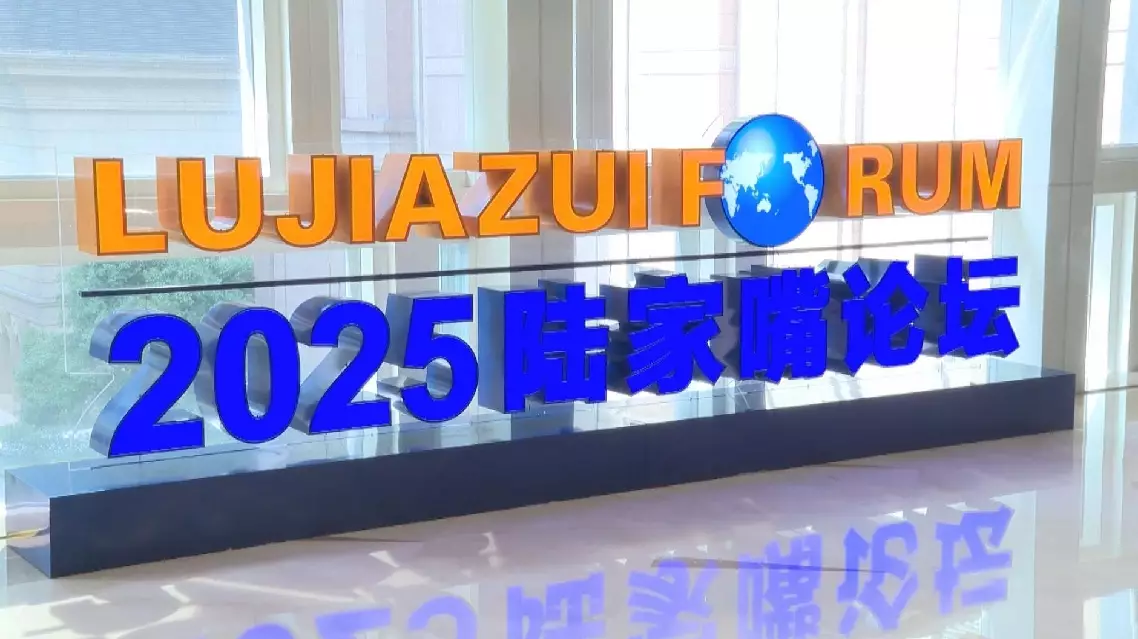
Lujiazui Forum opens in Shanghai, spotlighting financial openness, AI-driven reform, and global cooperation
Newly drafted national standards for China's automotive sector would demand stricter safety specifications, including requirements that car door handles remain operable after collisions or battery thermal incidents.
The proposals, put forth by the Ministry of Industry and Information Technology (MIIT), remain open for comment until Tuesday. The standards are set to reinforce safety benchmarks across the industry, laying a solid foundation for high-quality development.
Meanwhile, the China Automotive Technology and Research Center (CATARC) has launched a series of joint technical verification tests with leading industry players. A key focus of these efforts is testing in the fields of intelligent connected vehicles and new energy vehicles (NEVs).
A series of technical tests are also underway to determine effective safety requirements for combined driving assistance systems, which will be implemented starting from January 1, 2027.
The tests involved an NEV traveling at 90 kilometers per hour and executing a lane change when encountering sudden roadwork ahead, as well as slowing down steadily when faced with an approaching oncoming vehicle.
Experts involved in these testing processes emphasize that well-tested standards are fundamental to safe and effective innovation.
"Standards are the cornerstone of technological development. Over the past five years, we have drafted and revised nearly 1,200 standards for enterprise and led the formulation and refinement of 17 industry standards," said Liang Weipeng, deputy head of the Research and Development Institute under China's leading automaker FAW.
"Technical verification is a crucial link between product design and user experience. Through these efforts, we aim not only to validate product performance but also to showcase the industry's deep research and development capabilities and commitment to quality," said Wang Junlei, chief expert at the CATARC.
China to advance automotive safety standards with new draft regulations