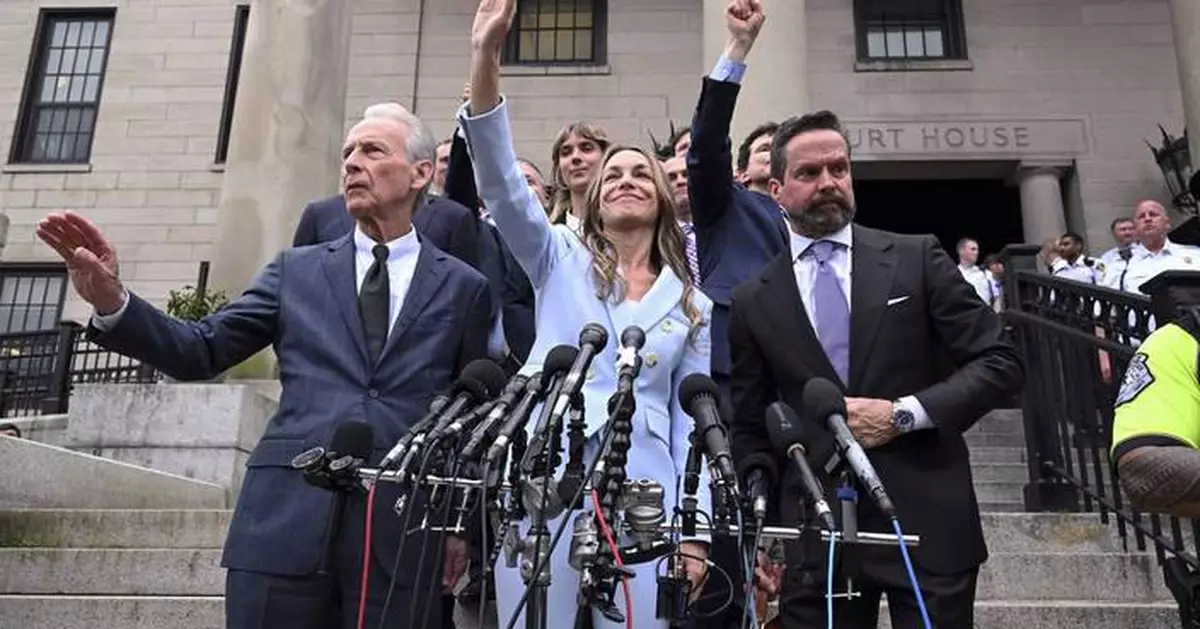
DEDHAM, Mass. (AP) — Karen Read walked out of court a free woman after more than three years and two trials over the death of her boyfriend, Boston police officer John O'Keefe, who was found on the lawn of a fellow officer's home after a night of heavy drinking.
Prosecutors said Read hit O'Keefe with her SUV, leaving him to die in a blizzard, and charged her with second-degree murder, manslaughter and leaving the scene of a deadly collision.
Click to Gallery

Karen Read supporter Bonnie Fitzgibbon of Chelmsford, MA, wears earrings mocking the investigation into the death of John O'Keefe outside the courthouse on the third day of jury deliberations in Read's trial at Norfolk Superior Court, Wednesday, June 18, 2025, in Dedham, Mass. (AP Photo/Josh Reynolds)
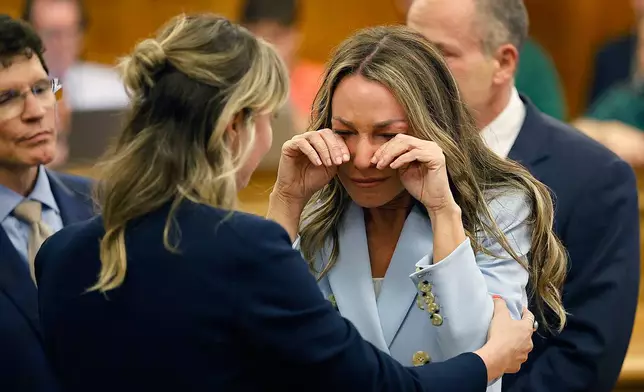
Read weeps as the final verdict of not guilty of second-degree murder is read in Norfolk Superior Court, Wednesday, June 18, 2025, in Dedham, Mass. (Greg Derr/The Patriot Ledger via AP, Pool)

Supporters of Karen Read react after she was found not guilty of second-degree murder on Wednesday, June 18, 2025, in Dedham, Mass. (AP Photo/Josh Reynolds)
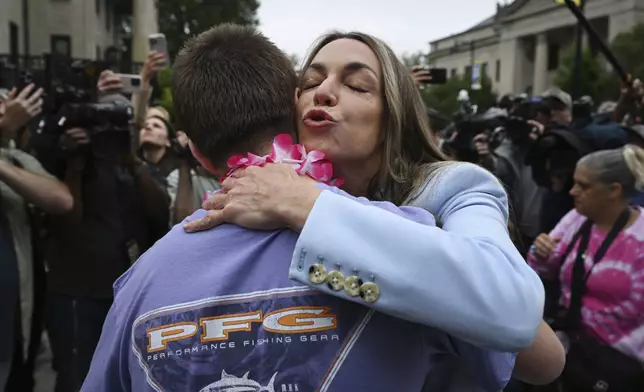
Karen Read embraces a supporter as she leaves the courthouse at the start of the third day of jury deliberations in her trial at Norfolk Superior Court, Wednesday, June 18, 2025, in Dedham, Mass. (AP Photo/Josh Reynolds)
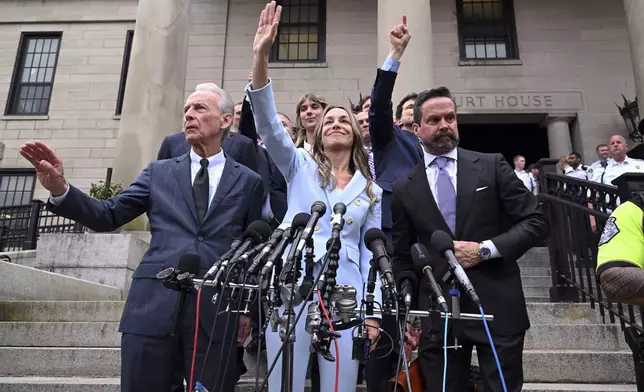
Karen Read, center, waves to supporters after she was found not guilty of second-degree murder on Wednesday, June 18, 2025, in Dedham, Mass. (AP Photo/Josh Reynolds)
Her lawyers successfully defended her, painting a sinister picture of police misconduct and theorizing that O'Keefe was in fact killed by colleagues, followed by a vast cover-up. She was convicted of drunken driving, however, for which she will face a year's probation.
Though her criminal case is over, Read still faces civil litigation. O’Keefe’s family has filed a wrongful-death lawsuit against her and two bars where the couple drank that night.
The two trials were filled with moments that raised reasonable doubt, both in the public's mind and, as illustrated by Wednesday's verdict, the minds of jurors.
Here are some key takeaways:
Defense lawyers asserted from the beginning that there was no collision between O'Keefe and the 6,000-pound (2,700-kilogram) SUV driven by Read, arguing instead that a crew of tightly knit local and state cops were shielding one of their own and framing her.
Lead investigator Michael Proctor, who was fired from the Massachusetts State Police after the first trial for misconduct, knew some people at the party at the house outside of which O'Keefe was found.
Proctor sent text messages to friends, family and co-workers calling Read a “whack job” while implying that she was the lone suspect and he wanted her to pay. “There will be some serious charges brought on the girl ... Zero chance she skates. She’s f’d,” he texted just hours into the investigation.
A federal agent who was at the party, Brian Higgins, acknowledged at trial destroying his phone and SIM card afterward and disposing of them in two different locations on a military base.
In another exchange, Jackson questioned a former officer who originally reported seeing Higgins and the Canton police chief near the SUV in a station garage, a statement she later recanted.
“Have you ever heard of something called the blue wall of silence?” Jackson asked the officer. In closing arguments, he suggested that she changed her story under pressure from the department.
The prosecution's evidence included pieces of Read's broken taillight that were recovered at the scene; accounts of the couple's crumbling relationship, fueled by booze; and several witnesses testifying that they heard her repeatedly say, “I hit him.”
But defense lawyers portrayed the case as riddled with errors, missteps and malfeasance.
They emphasized that the taillight fragments were not found immediately and argued that police had time to take them from Read’s impounded vehicle and plant them. They also presented video evidence that Read’s taillight could have been damaged instead when she hit O’Keefe’s car at home later that morning.
The shards, which the state claimed cut into O’Keefe’s arm, had no blood, tissue or DNA on them. The only DNA found was on an intact piece of taillight on Read’s SUV, and it contained three possible sources — O’Keefe and two unknown males. A hair traced to O'Keefe was found on the rear of the SUV, but the defense questioned how it could have stayed there through the blizzard.
Prosecutors also struggled to demonstrate that O'Keefe's injuries were consistent with being struck by a vehicle. They acknowledged not knowing how he was hit, and an accident reconstruction video they produced was panned by the defense since no one knows where he would have been standing.
Meanwhile crash reconstruction experts testified for the defense that O’Keefe’s injuries were inconsistent with being hit by a large vehicle. Instead, the defense argued, O'Keefe was beaten up at the party.
Neither side produced witnesses who saw him enter into the house, but the defense was able to show a fight was possible. A medical expert testified that wounds on his arm were consistent with an animal bite, supporting the theory that a family dog at the home attacked O'Keefe.
A cut over his right eye and injuries to the back of his head, they said, more likely came from being punched and falling backward on a hard surface. It was hard to know, defense attorneys argued, since police never searched the home or treated anyone there as a suspect.
Even Read's comments about having “hit him” were explained away by the defense, which said prosecutors were trying to twist into a confession the dazed words of someone who was grieving and in shock.
“It wasn’t a confession. It was confusion,” Jackson said, noting that it is common to be in such a state after an emotional trauma.
Any number of people at the home, defense lawyers suggested, while questioning why multiple key law enforcement witnesses were never considered potential suspects or investigated.
The defense did not prove that someone else killed O'Keefe, but it was apparently able to create enough reasonable doubt for jurors.
Higgins, the federal agent, had sent sexually charged and flirtatious text messages to Read despite knowing she was in a relationship with O’Keefe. On the night in question, Higgins texted her while they were at a bar — “Umm, well?” he wrote. Moments later he was seen “play fighting” with Brian Albert, a retired Boston police detective and the owner of the home where the party took place.
They defense also pointed to a group text that morning in which one person suggested they all agree that O'Keefe never entered the home and Albert said, “exactly.” Albert, the defense said, never bothered to exit the house after O'Keefe was found. He later sold it, got rid of the family dog and ditched his cellphone.
They also portrayed the family as politically connected, noting that Albert's brother was a police officer and a second brother was on the town's governing body.
The defense also questioned Jennifer McCabe, Albert’s sister-in-law, who was with Read when they discovered the body, about a misspelled web search: “hos long to die in cold.” The defense argued that McCabe made it just before 2:30 a.m., but prosecutors said it was after O’Keefe was found at Read's request.
McCabe was also asked why she never went in the house after finding the body, suggesting that she already knew they were safe inside. No one from the home came outside as police and paramedics gathered.
See an AP Photo Gallery from Read’s acquittal here.

Karen Read supporter Bonnie Fitzgibbon of Chelmsford, MA, wears earrings mocking the investigation into the death of John O'Keefe outside the courthouse on the third day of jury deliberations in Read's trial at Norfolk Superior Court, Wednesday, June 18, 2025, in Dedham, Mass. (AP Photo/Josh Reynolds)
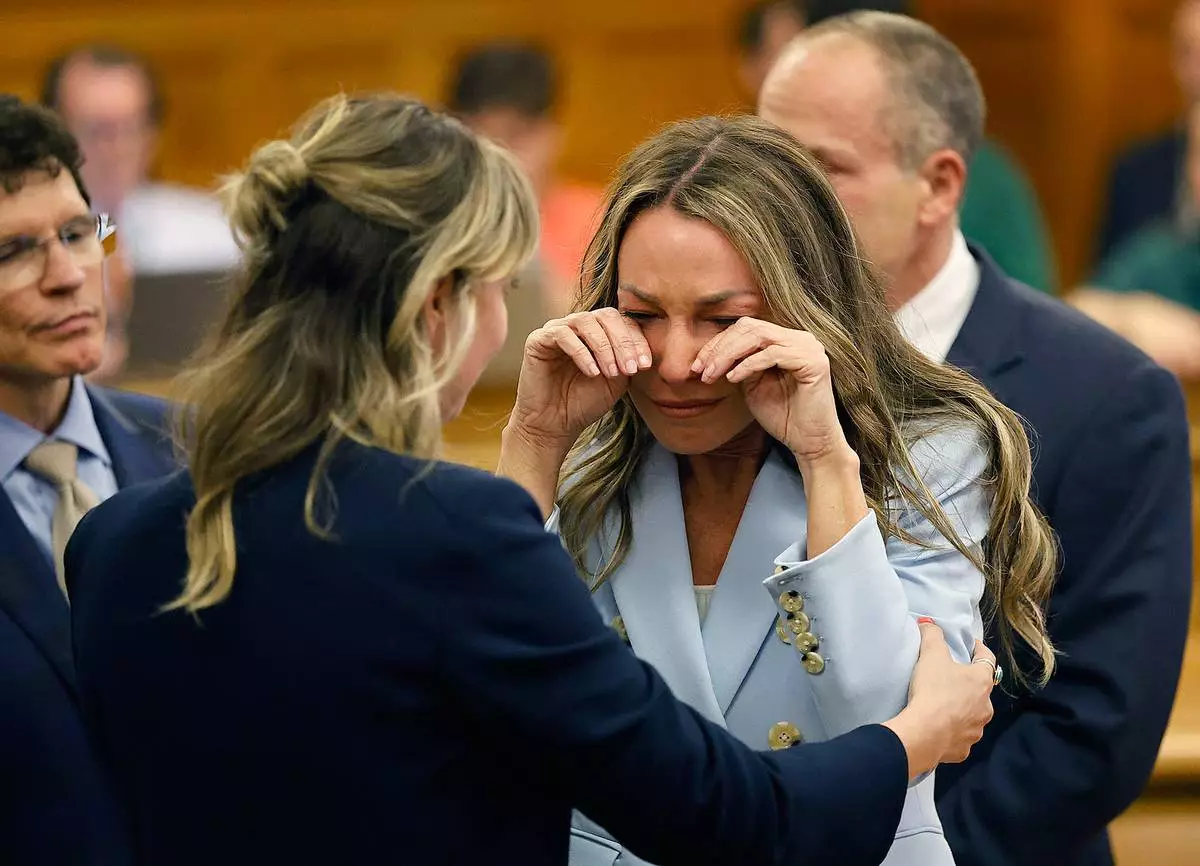
Read weeps as the final verdict of not guilty of second-degree murder is read in Norfolk Superior Court, Wednesday, June 18, 2025, in Dedham, Mass. (Greg Derr/The Patriot Ledger via AP, Pool)
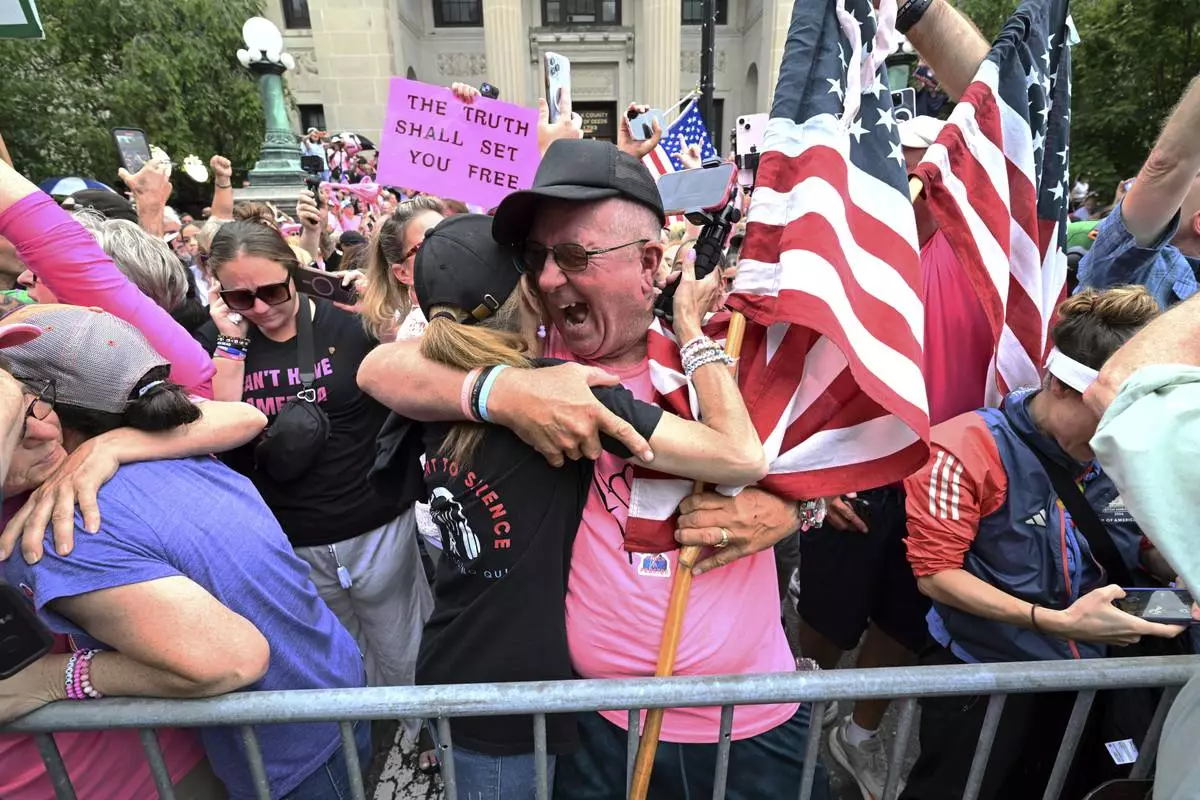
Supporters of Karen Read react after she was found not guilty of second-degree murder on Wednesday, June 18, 2025, in Dedham, Mass. (AP Photo/Josh Reynolds)
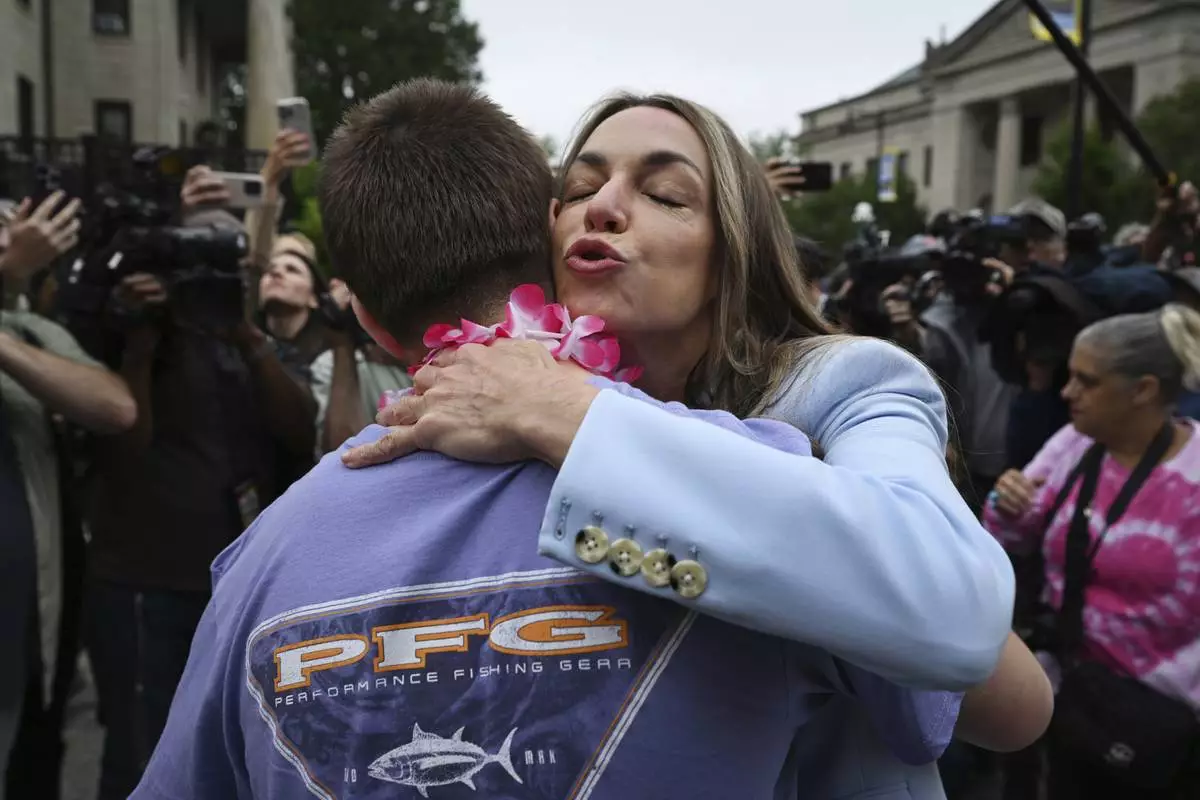
Karen Read embraces a supporter as she leaves the courthouse at the start of the third day of jury deliberations in her trial at Norfolk Superior Court, Wednesday, June 18, 2025, in Dedham, Mass. (AP Photo/Josh Reynolds)
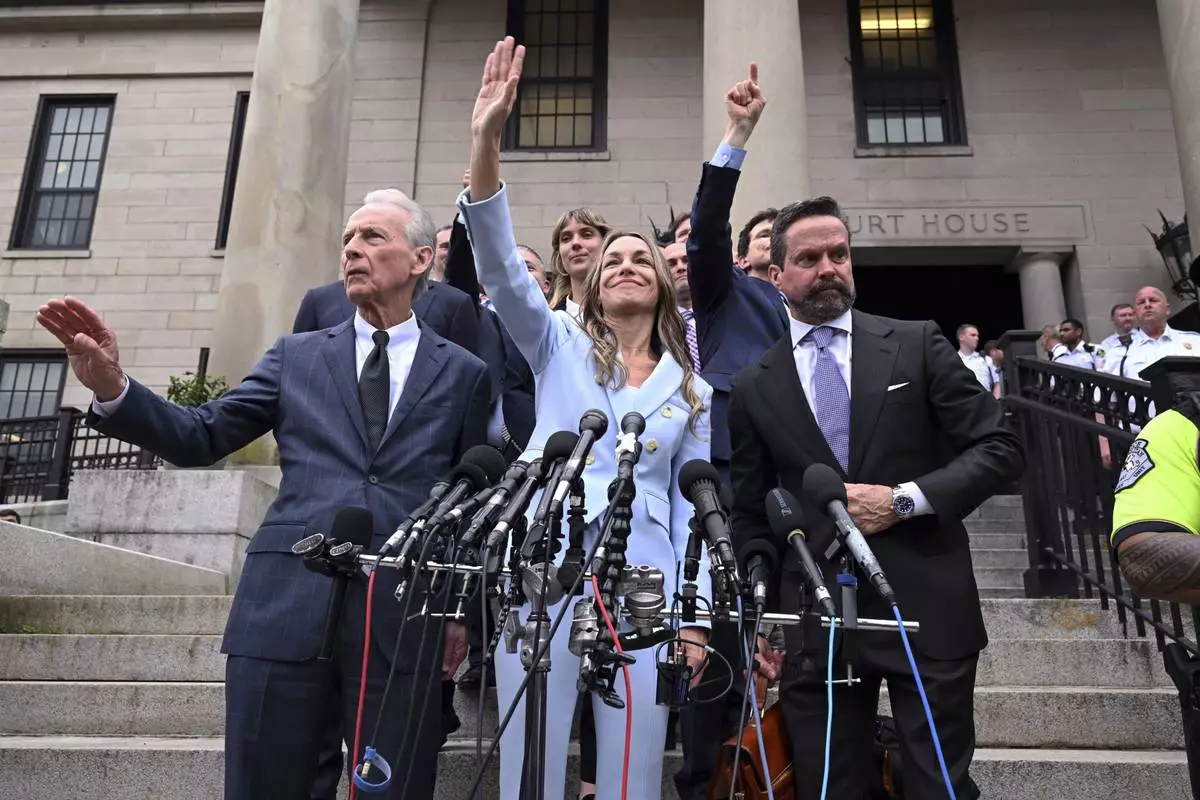
Karen Read, center, waves to supporters after she was found not guilty of second-degree murder on Wednesday, June 18, 2025, in Dedham, Mass. (AP Photo/Josh Reynolds)