LE BOURGET, France (AP) — About once a month, French drone manufacturer Henri Seydoux makes what has become a necessary pilgrimage for many in his business — he goes to Ukraine.
Because for drone technology, there is no harder place to survive than the frontlines of the war against Russia’s invasion, where both sides are using unmanned aerial machines of all shapes and sizes to kill and to observe, reshaping modern warfare.
Click to Gallery
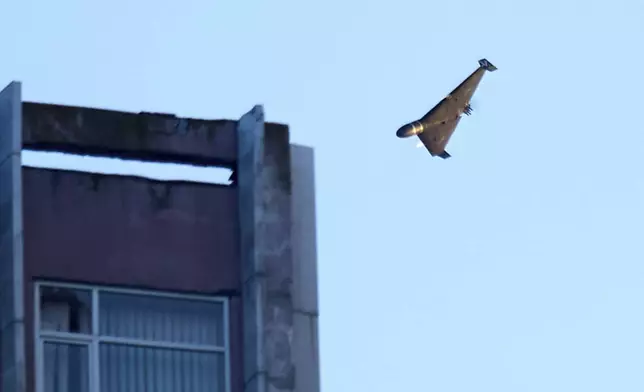
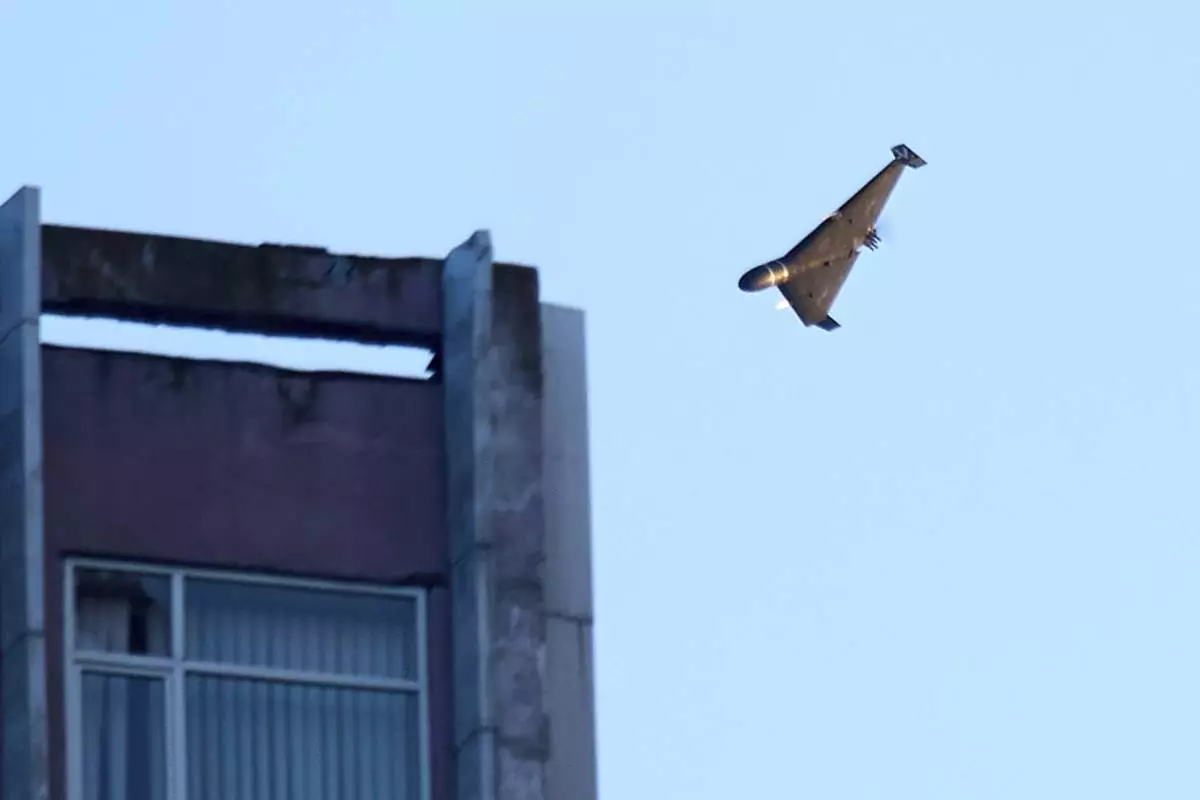
A Russian drone attacks a building during Russia's massive missile and drone air attack in Kyiv, Ukraine, Tuesday, June 17, 2025. (AP Photo/Efrem Lukatsky)
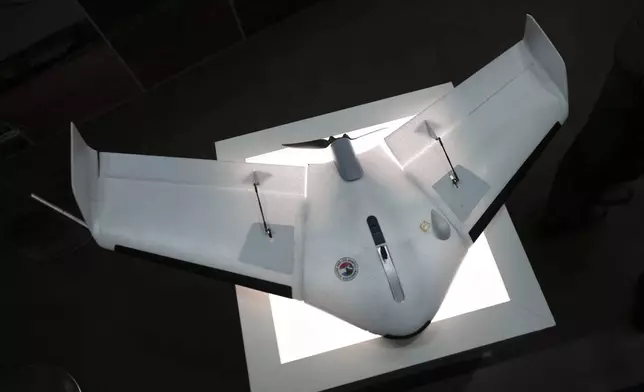
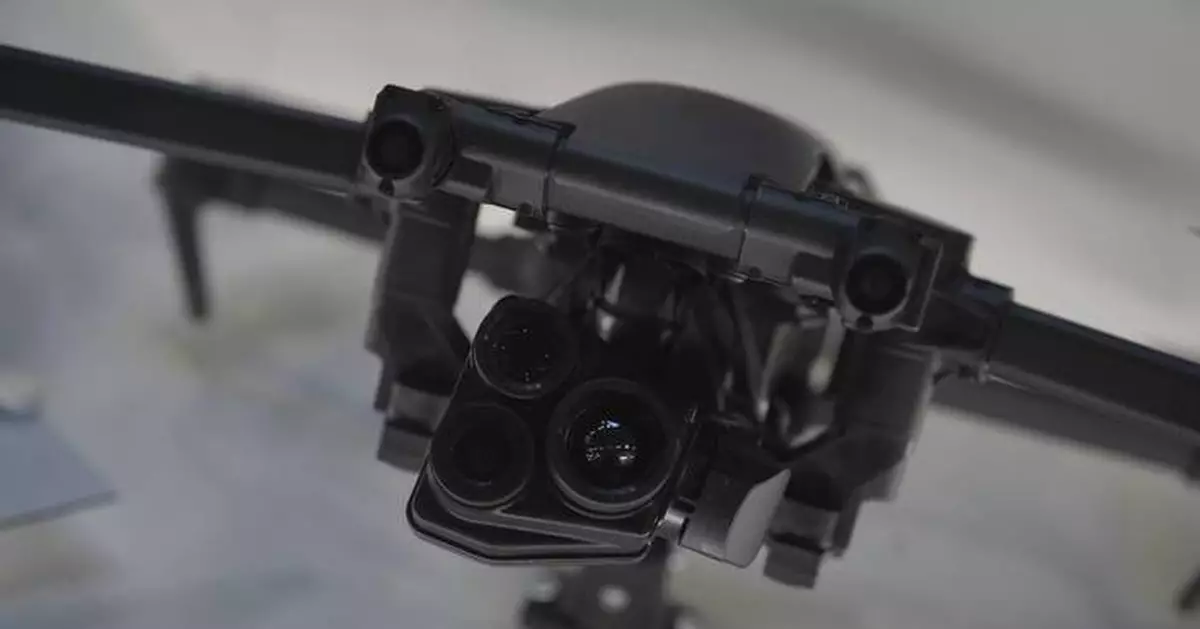
A drone named Oskar by French manufacturer Delair is displayed at the Paris Air Show Tuesday, June 17, 2025 in Le Bourget, north of Paris. (AP Photo/Thibault Camus)

A rescue worker puts out a fire of cars destroyed by a Russian drone strike in Zaporizhzhia, Ukraine, on Wednesday, June 18, 2025. (AP Photo/Kateryna Klochko)
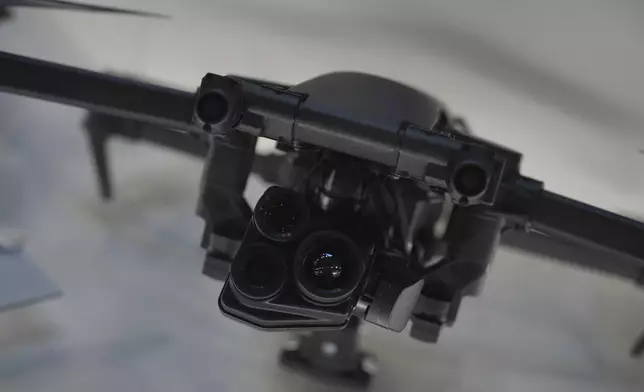
The Parrot Anafi UKR drone is presented at the Paris Air Show, Wednesday, June 18, 2025 in Le Bourget, north of Paris. (AP Photo/Thibault Camus)
And because the battlefields also bristle with electronic countermeasures and weapons to confuse, jam and shoot down drones, Ukraine has also become an extreme real-life proving ground for advances in drone technology, some of which has started to spill over into non-military sectors.
For manufacturers, being able to say that their drones and related equipment have been battle-tried and tested by Ukrainian forces is becoming a sales pitch as they market their wares not just to national defense departments, but also to police forces, border authorities, rescue services and civilian users.
“When we say, ‘This is a good machine, it works,’ people can believe us or not. But when it’s guys in Ukraine and others saying they’re happy, it has greater value," says Bastien Mancini, president and co-founder of French drone manufacturer Delair, which has teamed up with European defense contractor KNDS to supply Ukrainian forces with 100 exploding drones. KNDS' sales literature notes that they are “combat-proven."
Mancini says civilian users of Delair's other non-military drones “see things that work in Ukraine and say to themselves, ‘It resists jamming, it resists the loss of a radio connection and whatnot and so it’s going to be fine for civilian use, like inspecting electric cables or whatever."
“It really has helped us win markets. It gives people confidence," he told The Associated Press at the Paris Air Show, a major shop-window for the aviation and defense industries.
Henri Seydoux, the founder and head of French drone maker Parrot, says Ukraine is “fascinating” from a drone-technology perspective because “it changes so quickly, there are new ideas non-stop.” He's been making regular trips since the start of Russia's full-scale invasion in February 2022 to meet Ukrainian drone manufacturers, drone software developers and the military authorities.
“Every quarter, the situation changes completely,” he said in an interview. “Every company, let’s say, that makes military equipment or every army is very interested by drones. But the ones that really use them and understand how to use them is the Ukrainians."
For Ukraine, trying to defend against swarms of Russian drones that target cities and waves of drone-supported Russian troops is a matter of survival. So, too, is finding workarounds to counter electronic warfare systems that Russia deploys to jam and disable Ukrainian drones, igniting what has become a drone-technology arms race between the two sides and for manufacturers outside of Ukraine, too.
Small drones that drop bombs and explode against targets — mass-produced at a fraction of the cost of other more complex weapons systems that its allies have supplied — have become increasingly vital for Ukraine's resistance. Its Defense Ministry has said that it plans to buy 4.5 million drones this year, all Ukrainian-made, that allow their operators to see what the machines see, so they can guide the flights in real time — exploding in a Russian trench, for example, or even against a single enemy soldier. That's three times more drones than the ministry bought last year, it says.
“Drones saved Ukraine,” said Alex Vorobei, the Ukrainian sales representative for Ailand Systems, a Ukrainian start-up developing a drone that detects land mines.
Vorobei and others in the drone business say that manufacturers not involved in Ukraine risk being left behind.
“If you’re in the defense field and still not in Ukraine, it means you are nowhere," Vorobei said at the Paris show.
A micro surveillance drone unveiled by Parrot at the Paris show has a nod to Ukraine in its name — the Anafi UKR — and also has been field-tested in what Seydoux describes as the “very harsh environment” on the frontline. It’s equipped with artificial intelligence technology to enable it to find its way when radio and navigational signals are jammed.
Parrot says the drone’s ready-for-war resilience and features also make it a good fit for law enforcement operations, such as monitoring crowds, tracking suspects or keeping watch over borders, and for rescue services in remote areas or during fires and accidents when navigational signals might go down.
Ukraine has been “a real laboratory or test for us, to see if our products worked,” said Delair's Mancini. Its Oskar exploding drone, which has polystyrene wings, carries a half-kilogram (one pound) warhead to detonate against troops and lightly armored vehicles.
Delair developed it in under a year, repurposing one of its civilian drones that was already used in France for mapping and inspecting power cables, and hardening it for Ukraine with technology to resist Russian jamming.
"Five or 10 years ago, lots of people were asking themselves, ’Are drones really useful for something?' No one is asking that question today," he said.
Associated Press writer James Brooks in Odense, Denmark contributed to this report.
A Russian drone attacks a building during Russia's massive missile and drone air attack in Kyiv, Ukraine, Tuesday, June 17, 2025. (AP Photo/Efrem Lukatsky)
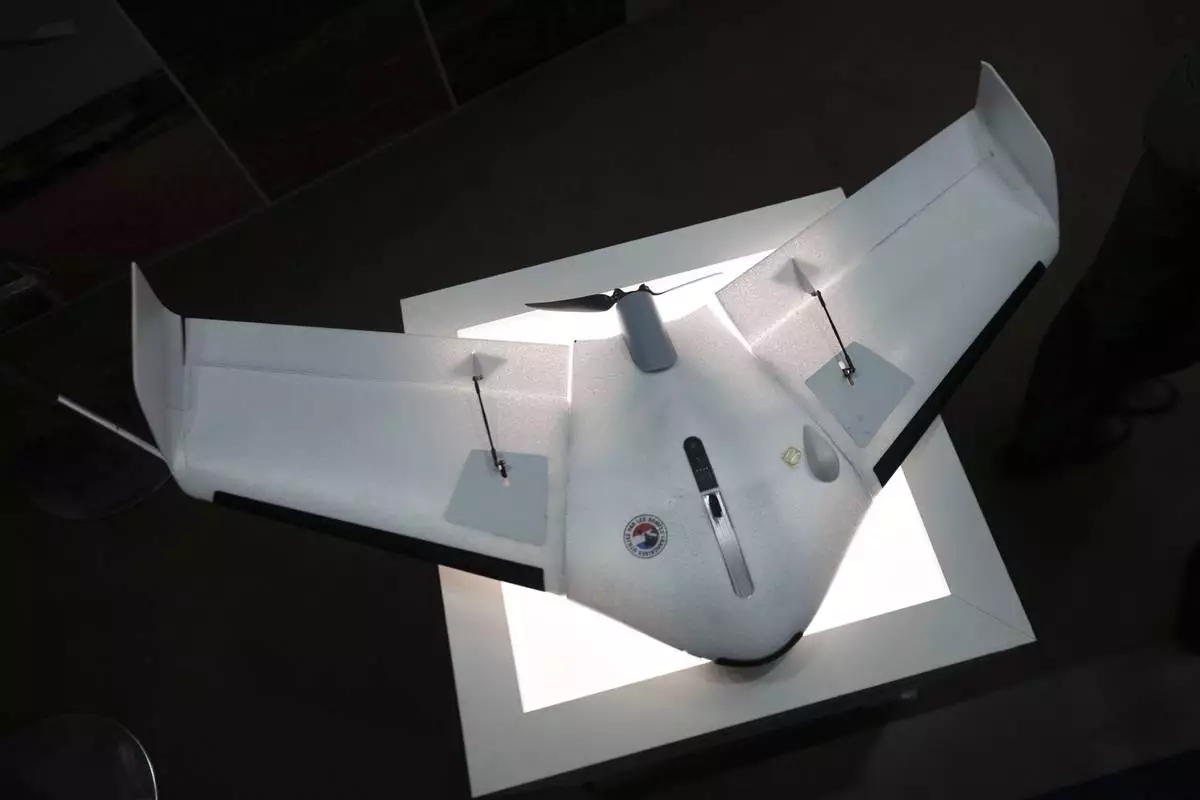
A drone named Oskar by French manufacturer Delair is displayed at the Paris Air Show Tuesday, June 17, 2025 in Le Bourget, north of Paris. (AP Photo/Thibault Camus)
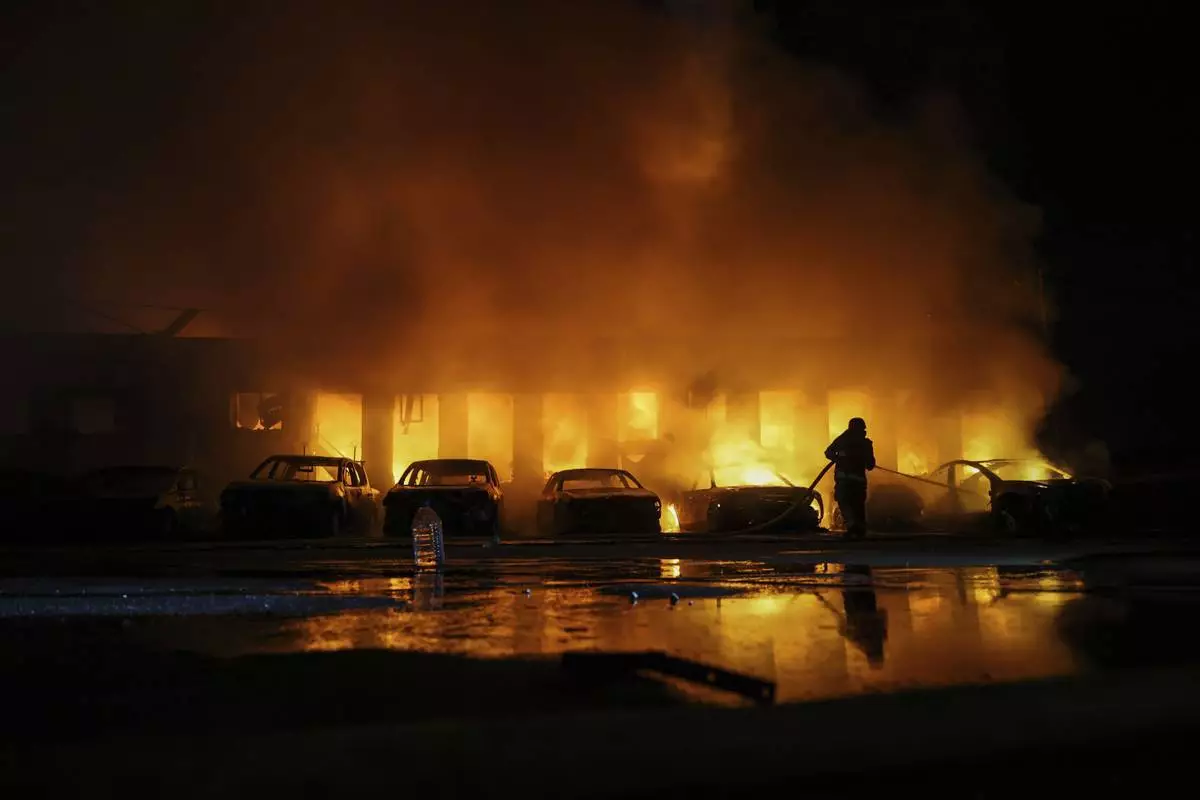
A rescue worker puts out a fire of cars destroyed by a Russian drone strike in Zaporizhzhia, Ukraine, on Wednesday, June 18, 2025. (AP Photo/Kateryna Klochko)
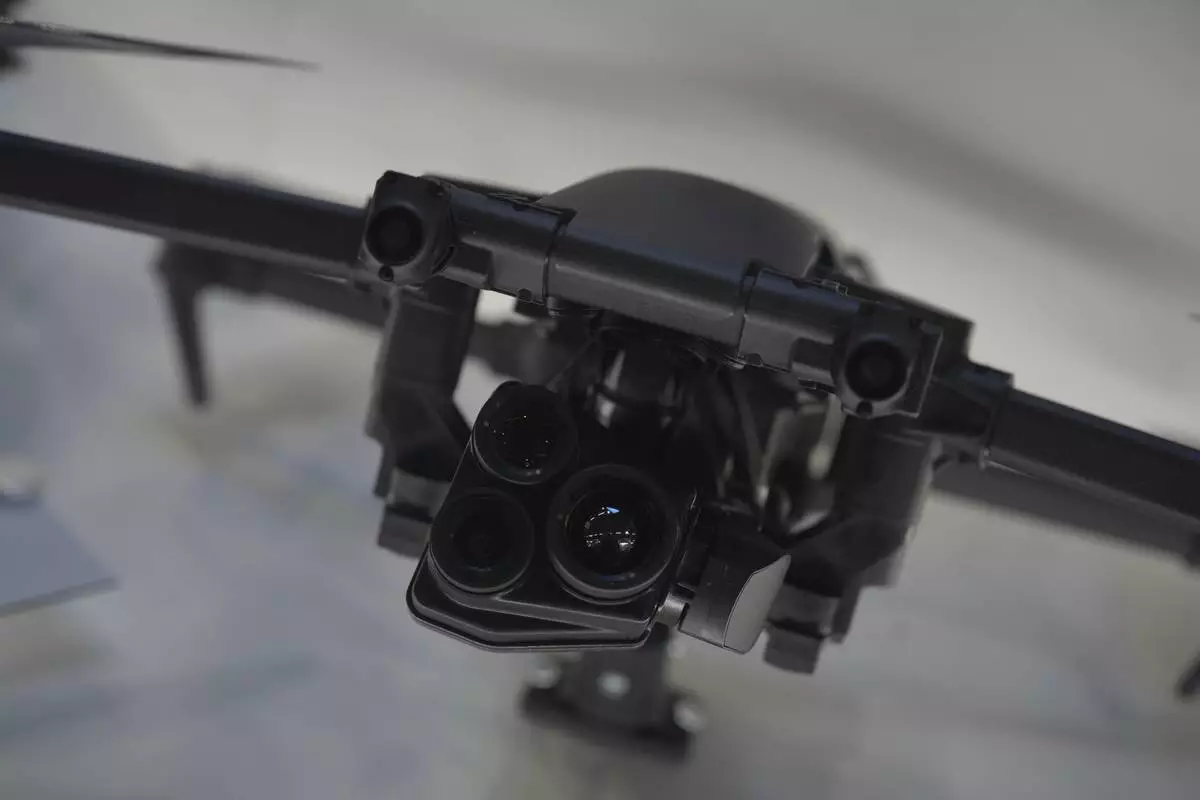
The Parrot Anafi UKR drone is presented at the Paris Air Show, Wednesday, June 18, 2025 in Le Bourget, north of Paris. (AP Photo/Thibault Camus)