WASHINGTON (AP) — The Supreme Court sided with e-cigarette companies on Friday in a ruling making it easier to sue over Food and Drug Administration decisions blocking their products from the multibillion-dollar vaping market.
The 7-2 opinion comes as companies push back against a yearslong federal regulatory crackdown on electronic cigarettes. It’s expected to give the companies more control over which judges hear lawsuits filed against the agency.
Click to Gallery
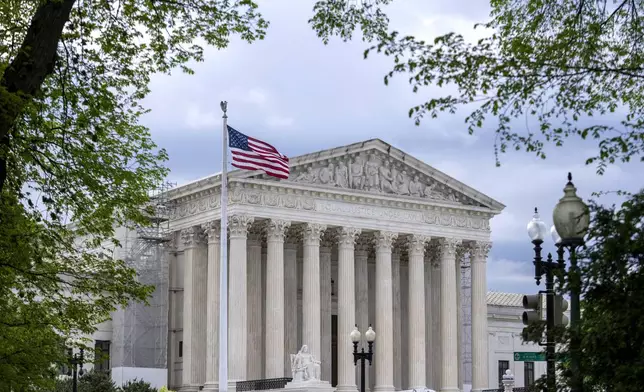
FILE - Supreme Court is seen on Capitol Hill in Washington, April 25, 2024. (AP Photo/J. Scott Applewhite, File)
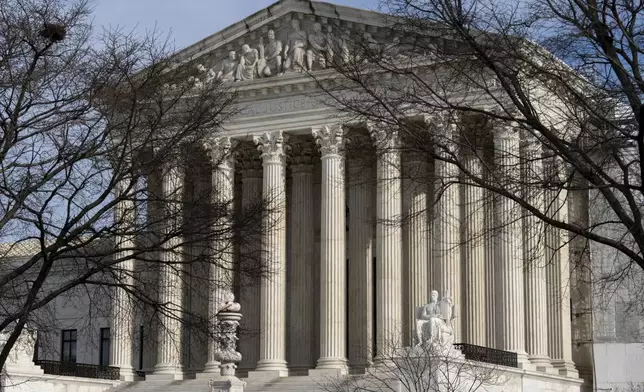
FILE - The Supreme Court is seen on Capitol Hill in Washington, Dec. 17, 2024. (AP Photo/J. Scott Applewhite, File)
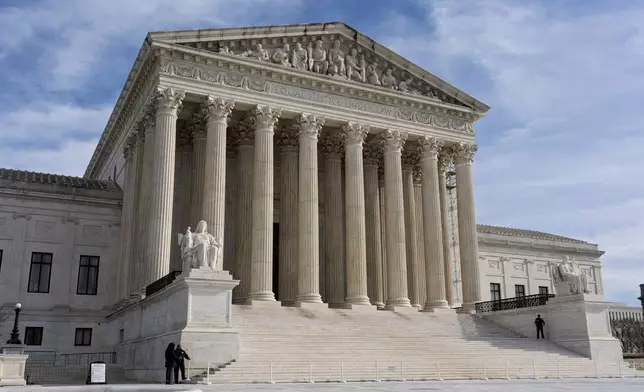
FILE - The Supreme Court is seen on Capitol Hill in Washington, Dec. 17, 2024. (AP Photo/J. Scott Applewhite, File)
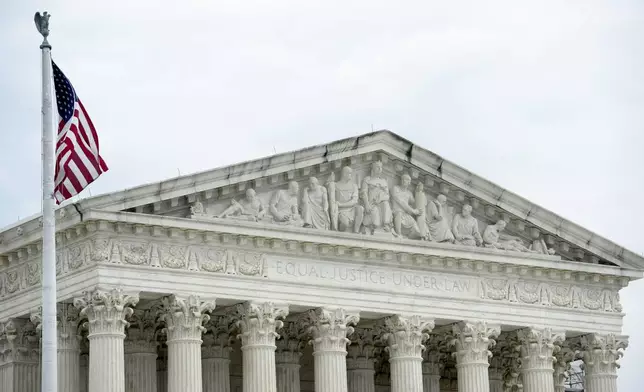
FILE - The Supreme Court is seen on Capitol Hill, Feb. 27, 2025, in Washington. (AP Photo/Rod Lamkey, Jr.)
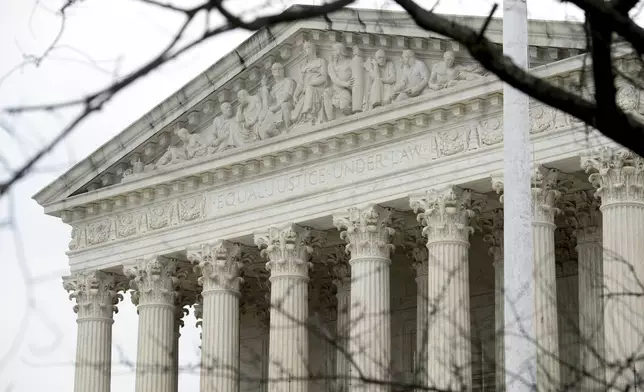
FILE - The Supreme Court is seen on Capitol Hill, Feb. 27, 2025, in Washington. (AP Photo/Rod Lamkey, Jr., File)
The justices went the other way on vaping in an April decision, siding with the FDA in a ruling upholding a sweeping block on most sweet-flavored vapes instituted after a spike in youth vaping.
The current case was filed by R.J. Reynolds Vapor Co., which had sold a line of popular berry and menthol-flavored vaping products before the agency started regulating the market under the Tobacco Control Act in 2016.
The agency refused to authorize the company’s Vuse Alto products, an order that “sounded the death knell for a significant portion of the e-cigarette market,” Justice Amy Coney Barrett wrote in the majority opinion.
The company is based in North Carolina and typically would have been limited to challenging the FDA in a court there or in the agency’s home base of Washington. Instead, it joined forces with Texas businesses that sell the products and sued there. The conservative 5th U.S. Circuit Court of Appeals allowed the lawsuit to go forward, finding that anyone whose business is hurt by the FDA decision can sue.
The agency appealed to the Supreme Court, arguing that R.J. Reynolds was attempting to find a court favorable to its arguments, a practice often referred to as “judge shopping.”
The justices, though, found that the law does allow other businesses affected by the FDA decisions, like e-cigarette sellers, to sue in their home states.
In a dissent, Justice Ketanji Brown Jackson, joined by Justice Sonia Sotomayor, said she would have sided with the agency and limited where the cases can be filed.
The Campaign for Tobacco-Free Kids called the majority decision disappointing, saying it would allow manufacturers to “judge shop,” though it said the companies will still have to contend with the Supreme Court's April decision.
Attorney Ryan Watson, who represented R.J. Reynolds, said that the court recognized that agency decisions can have devastating downstream effects on retailers and other businesses, and the decision “ensures that the courthouse doors are not closed” to them.
Follow the AP’s coverage of the Supreme Court at https://apnews.com/hub/us-supreme-court.
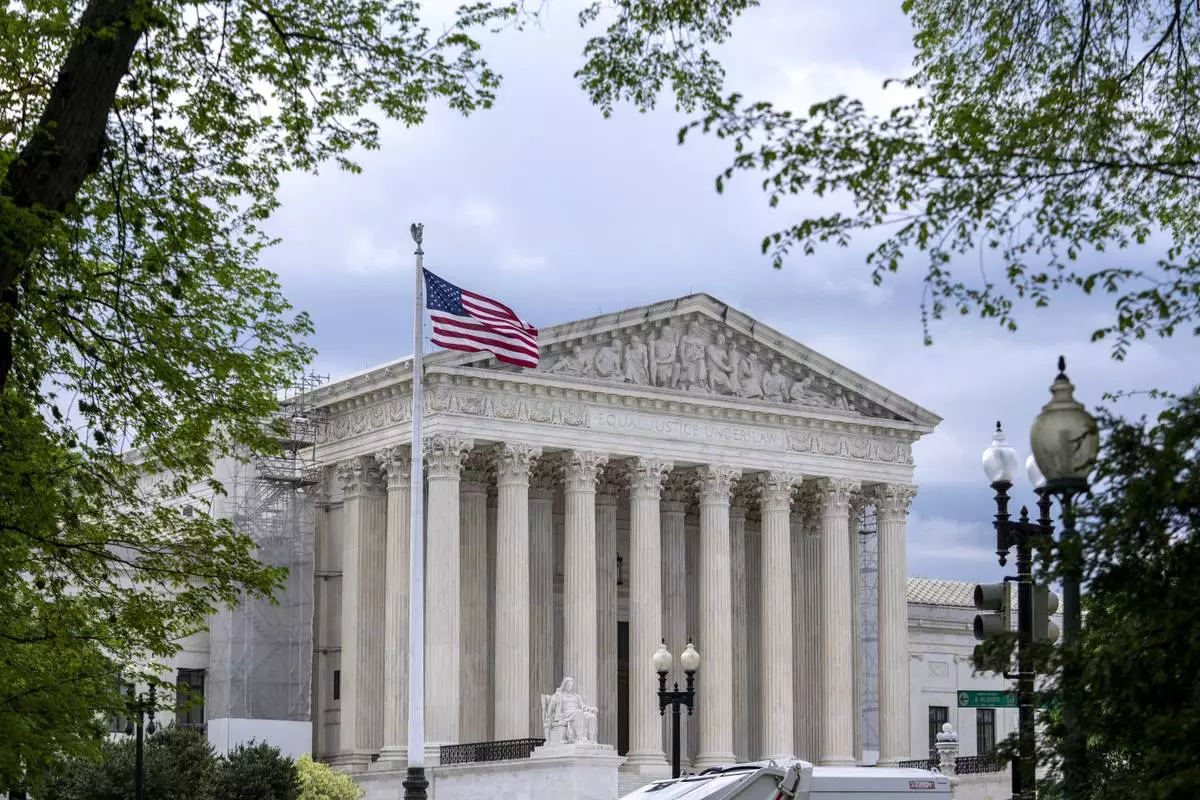
FILE - Supreme Court is seen on Capitol Hill in Washington, April 25, 2024. (AP Photo/J. Scott Applewhite, File)
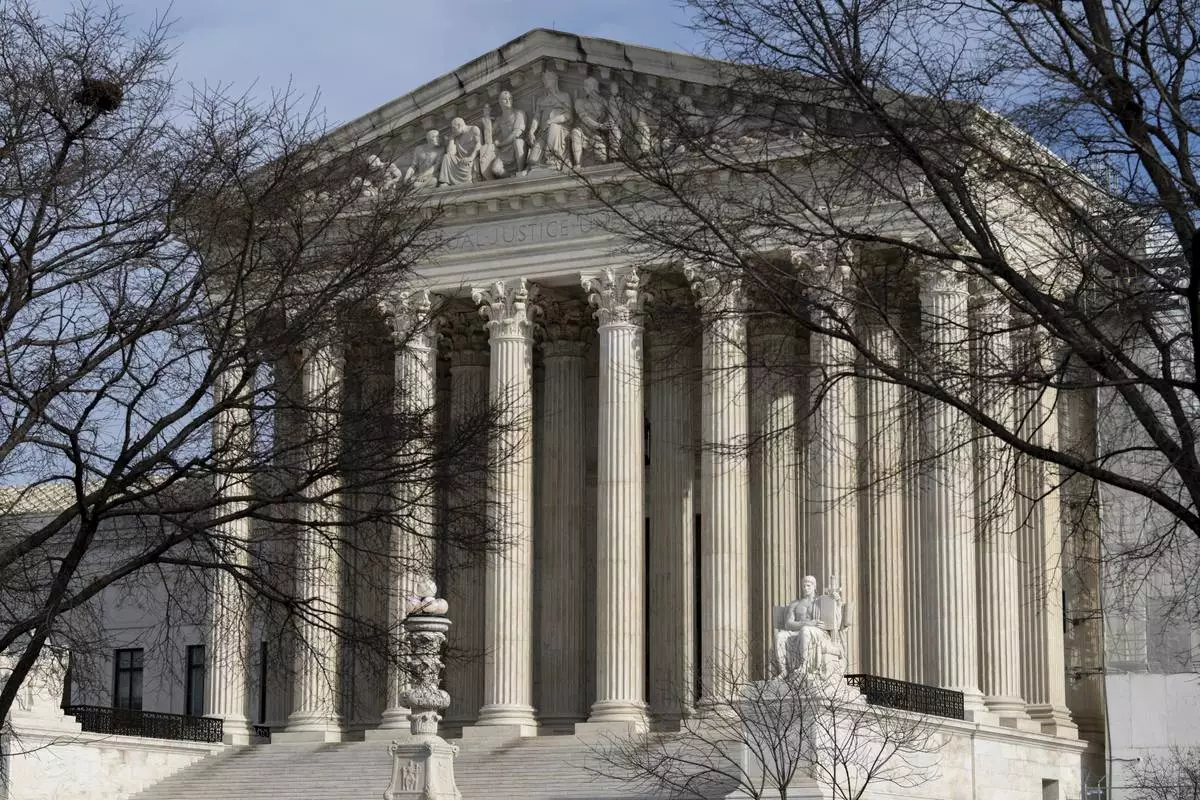
FILE - The Supreme Court is seen on Capitol Hill in Washington, Dec. 17, 2024. (AP Photo/J. Scott Applewhite, File)
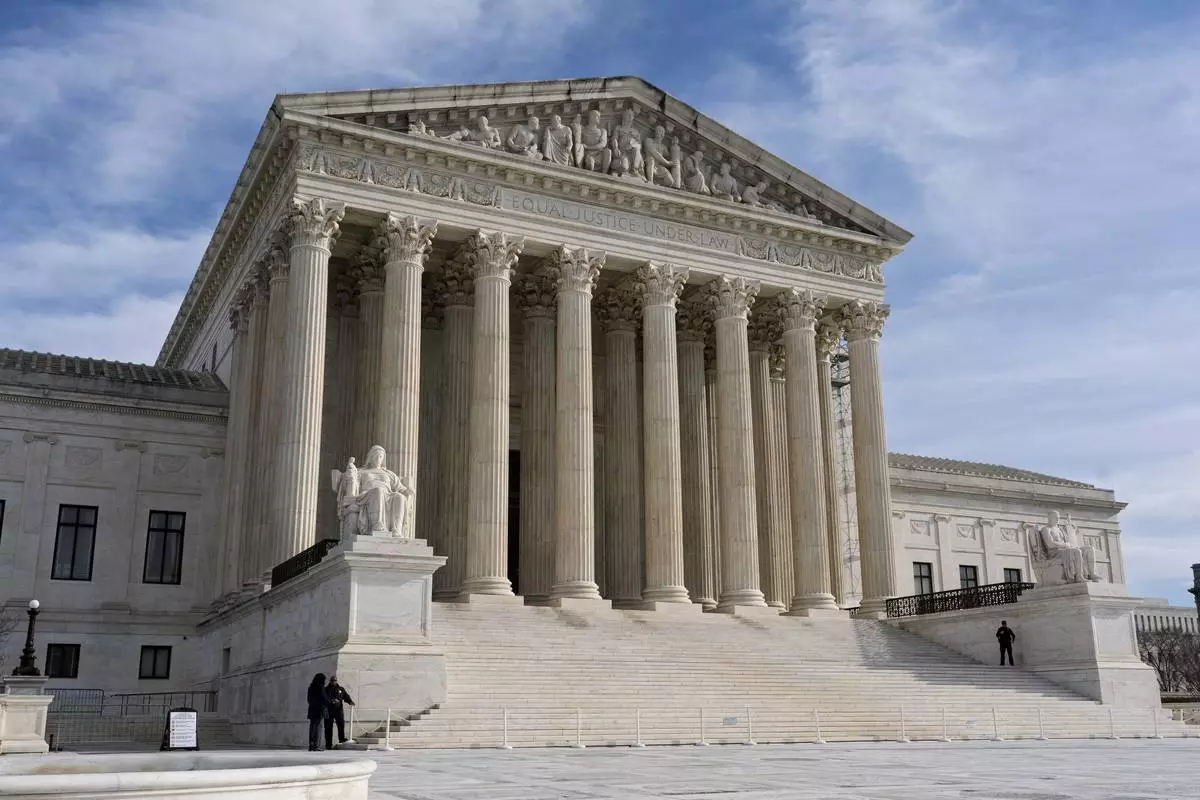
FILE - The Supreme Court is seen on Capitol Hill in Washington, Dec. 17, 2024. (AP Photo/J. Scott Applewhite, File)
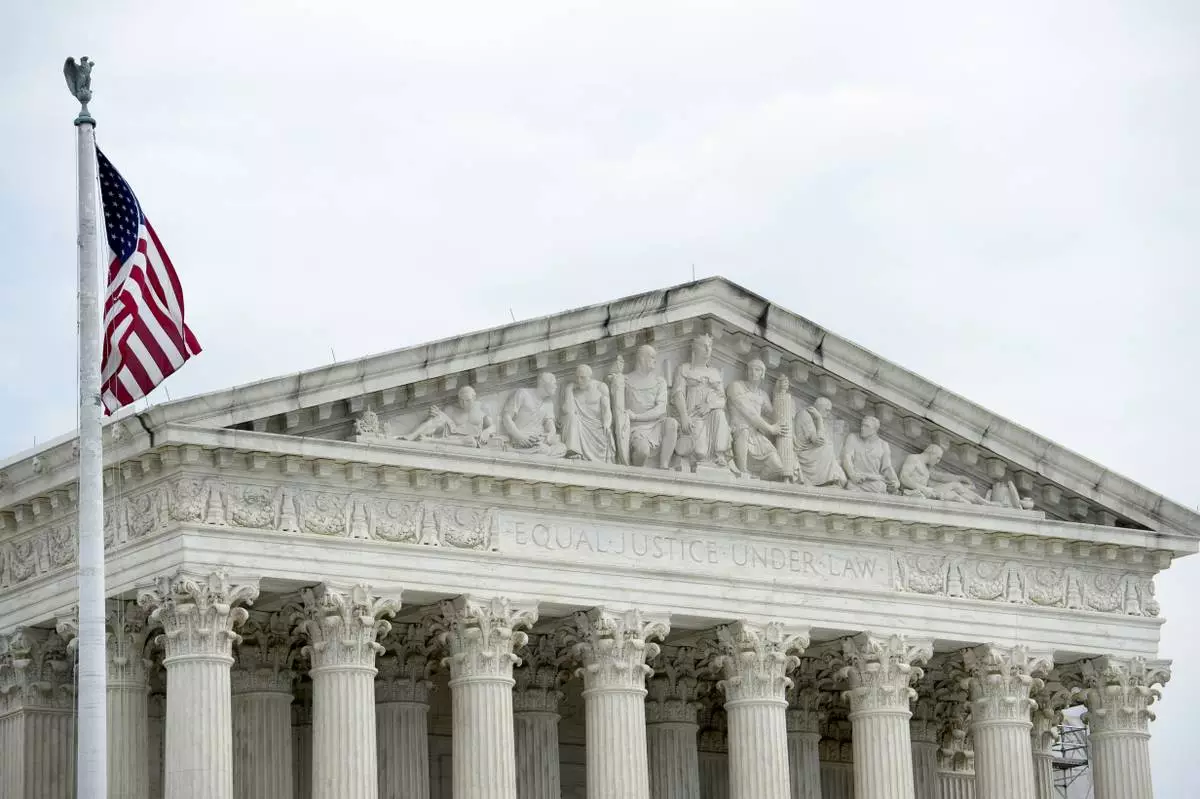
FILE - The Supreme Court is seen on Capitol Hill, Feb. 27, 2025, in Washington. (AP Photo/Rod Lamkey, Jr.)
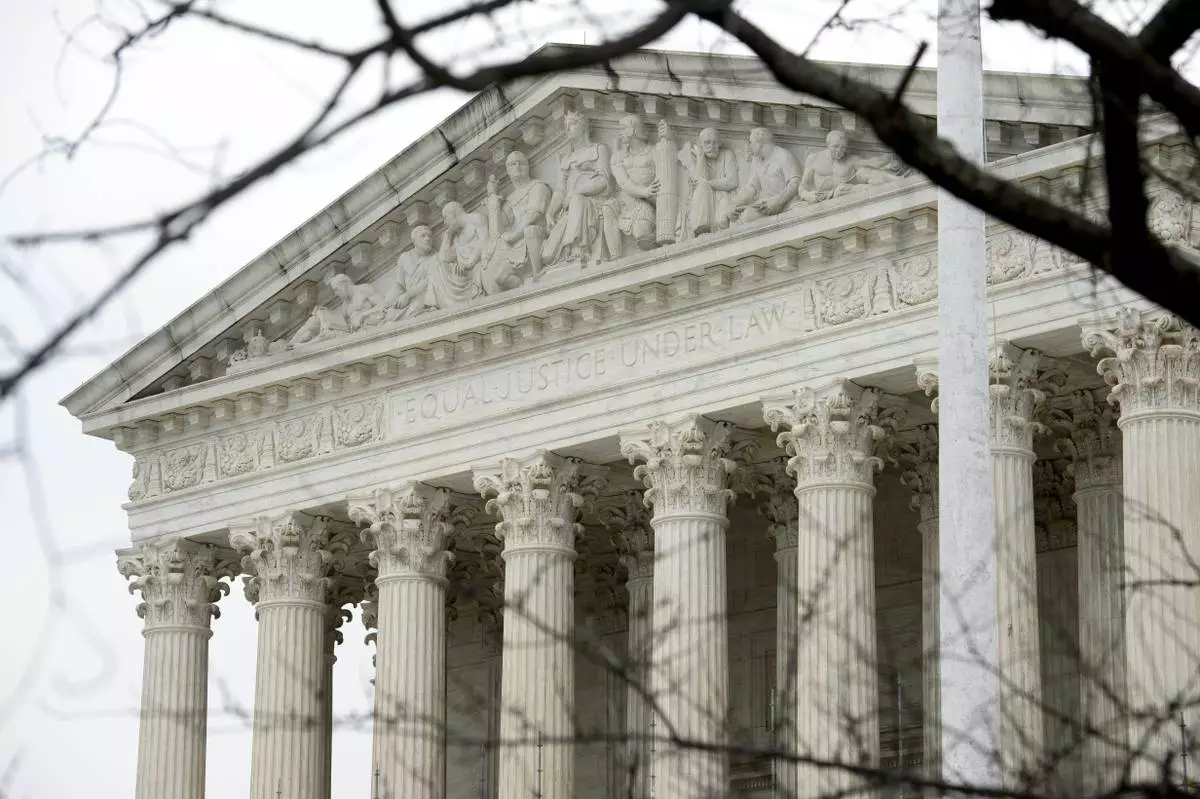
FILE - The Supreme Court is seen on Capitol Hill, Feb. 27, 2025, in Washington. (AP Photo/Rod Lamkey, Jr., File)