BRUSSELS (AP) — At its first summits after Russia began its full-scale invasion of Ukraine, NATO gave President Volodymyr Zelenskyy pride of place at its table. It won't be the same this time.
Europe’s biggest land conflict since World War II is now in its fourth year and still poses an existential threat to the continent. Ukraine continues to fight a war so that Europeans don't have to. Just last week, Russia launched one of the biggest drone attacks of the invasion on Kyiv.
Click to Gallery
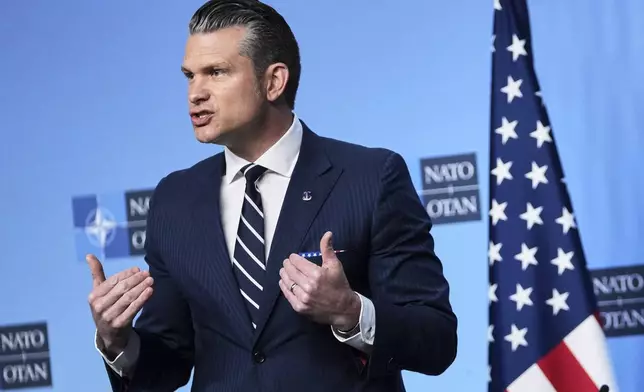
FILE - Defense Secretary Pete Hegseth delivers a statement ahead of a meeting of NATO defense ministers at NATO headquarters in Brussels, June 5, 2025. (AP Photo/Virginia Mayo, File)
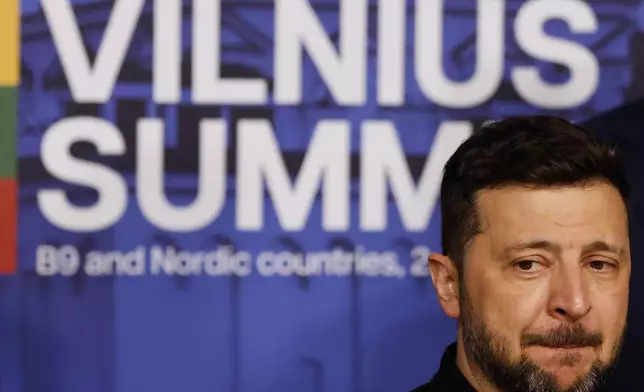
FILE - Ukraine's President Volodymyr Zelenskyy waits for the start of a group photo at the Vilnius Summit at the Palace of the Grand Dukes of Lithuania in Vilnius, Lithuania, June 2, 2025. (AP Photo/Mindaugas Kulbis, File)
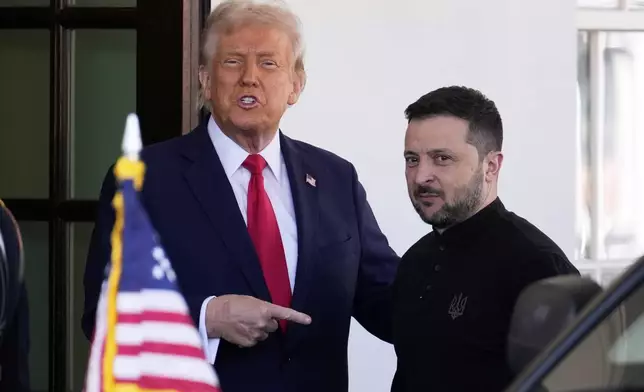
FILE - President Donald Trump welcomes Ukraine President Volodymyr Zelenskyy at the White House in Washington, Feb. 28, 2025. (AP Photo/Ben Curtis, File)
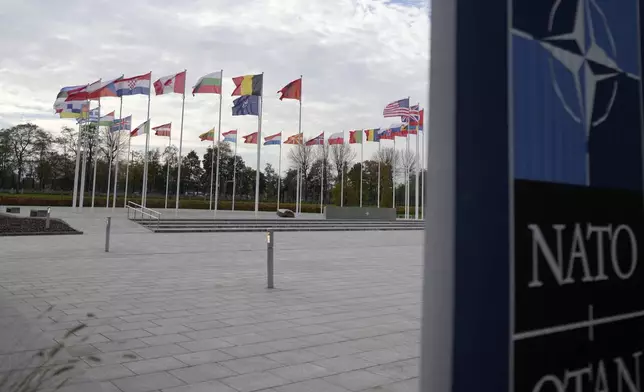
FILE - A view of flags of NATO member countries, outside NATO headquarters in Brussels on Oct. 28, 2024. (AP Photo/Virginia Mayo, File)
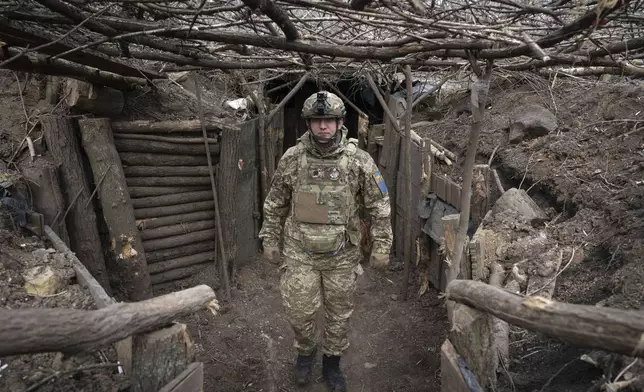
FILE - A Ukrainian serviceman of the 28th Separate Mechanised Brigade stands in a trench at the front line, near Bakhmut, Donetsk region, Ukraine, March 3, 2024. (AP Photo/Efrem Lukatsky, File)
But things have changed. The Trump administration insists that it must preserve maneuvering space to entice Russian President Vladimir Putin to the negotiating table, so Ukraine must not be allowed steal the limelight.
In Washington last year, the military alliance's weighty summit communique included a vow to supply long-term security assistance to Ukraine, and a commitment to back the country “on its irreversible path" to NATO membership. The year before, a statement more than twice as long was published in the Lithuanian capital Vilnius. A new NATO-Ukraine Council was set up, and Kyiv’s membership path fast-tracked. Zelenskyy received a hero’s welcome at a concert downtown.
It will be very different at a two-day summit in the Netherlands that starts Tuesday. NATO’s most powerful member, the United States, is vetoing Ukraine’s membership. It’s unclear how long for.
Zelenskyy is invited again, but will not be seated at NATO's table. The summit statement is likely to run to around five paragraphs, on a single page, NATO diplomats and experts say. Ukraine will only get a passing mention.
Recent developments do not augur well for Ukraine.
Earlier this month, frustrated by the lack of a ceasefire agreement, U.S. President Donald Trump said it might be best to let Ukraine and Russia “fight for a while” before pulling them apart and pursuing peace.
Last weekend, he and Putin spoke by phone, mostly about Israel and Iran, but a little about Ukraine, too, Trump said. America has warned its allies that it has other security priorities, including in the Indo-Pacific and on its own borders.
Then at the Group of Seven summit in Canada, Trump called for Russia to be allowed back into the group; a move that would rehabilitate Putin on the global stage.
The next day, Russia launched its mass drone attack on Kyiv. Putin “is doing this simply because he can afford to continue the war. He wants the war to go on. It is troubling when the powerful of this world turn a blind eye to it,” Zelenskyy said.
Trump left the G7 gathering early to focus on the conflict between Israel and Iran. Zelenskyy had traveled to Canada to meet with him. No meeting happened, and no statement on Russia or the war was agreed.
Lacking unanimity, other leaders met with Zelenskyy to reassure him of their support.
Trump wants to broker a peace deal between Russia and Ukraine. He said he could do it within 100 days, but that target has come and gone. Things are not going well, as a very public bust up with Zelenskyy at the White House demonstrated.
Trump froze military aid and intelligence sharing with Ukraine’s armed forces for a week. The U.S. has stepped back from the Ukraine Defense Contact Group that was set up under the Biden administration and helped to drum up weapons and ammunition.
Defense Secretary Pete Hegseth skipped its last meeting; the first time a Pentagon chief has been absent since Russian forces invaded in February 2022.
Addressing Congress on June 10, Hegseth also acknowledged that funding for Ukraine military assistance, which has been robust for the past two years, will be reduced in the upcoming defense budget.
It means Kyiv will receive fewer of the weapons systems that have been key to countering Russia’s attack. Indeed, no new aid packages have been approved for Ukraine since Trump took office again in January.
“The message from the administration is clear: Far from guaranteed, future U.S. support for Ukraine may be in jeopardy,” said Riley McCabe, Associate Fellow at the Center for Strategic and International Studies, a U.S.-based policy research organization.
Cutting aid, McCabe warned, could make the Kremlin believe “that U.S. resolve is fleeting, and that time is on Russia’s side.”
“Putin has less incentive to negotiate if he believes that U.S. disengagement is inevitable and that Russia will soon gain an advantage on the battlefield,” he said.
Trump wants the summit to focus on defense spending. The 32 allies are expected to agree on an investment pledge that should meet his demands.
Still, the Europeans and Canada are determined to keep a spotlight on the war, wary that Russia could set its sights on one of them next. They back Trump's ceasefire efforts with Putin but also worry that the two men are cozying up.
Also, some governments may struggle to convince their citizens of the need to boost defense spending at the expense of other budget demands without a strong show of support for Ukraine — and acknowledgement that Russia remains NATO’s biggest security threat.
The summit is highly symbolic for Ukraine in other ways. Zelenskyy wants to prevent his country from being sidelined from international diplomacy, but both he and his allies rely on Trump for U.S. military backup against Russia.
Concretely, Trump and his counterparts will dine with the Dutch King on Tuesday evening. Zelenskyy could take part. Elsewhere, foreign ministers will hold a NATO-Ukraine Council, the forum where Kyiv sits among the 32 allies as an equal to discuss its security concerns and needs.
What is clear is that the summit will be short. One working session on Wednesday. It was set up that way to prevent the meeting from derailing. If the G7 is anything to go by, Trump’s focus on his new security priorities — right now, the conflict between Israel and Iran — might make it even shorter.
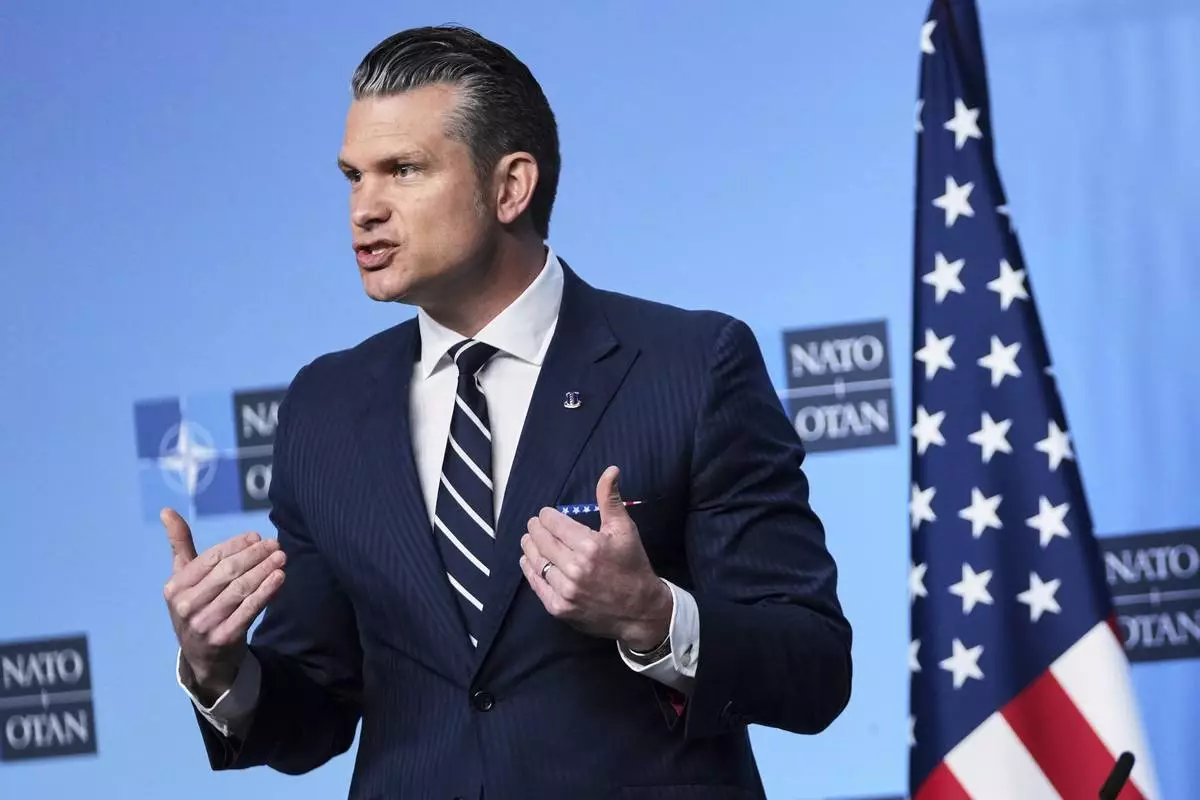
FILE - Defense Secretary Pete Hegseth delivers a statement ahead of a meeting of NATO defense ministers at NATO headquarters in Brussels, June 5, 2025. (AP Photo/Virginia Mayo, File)
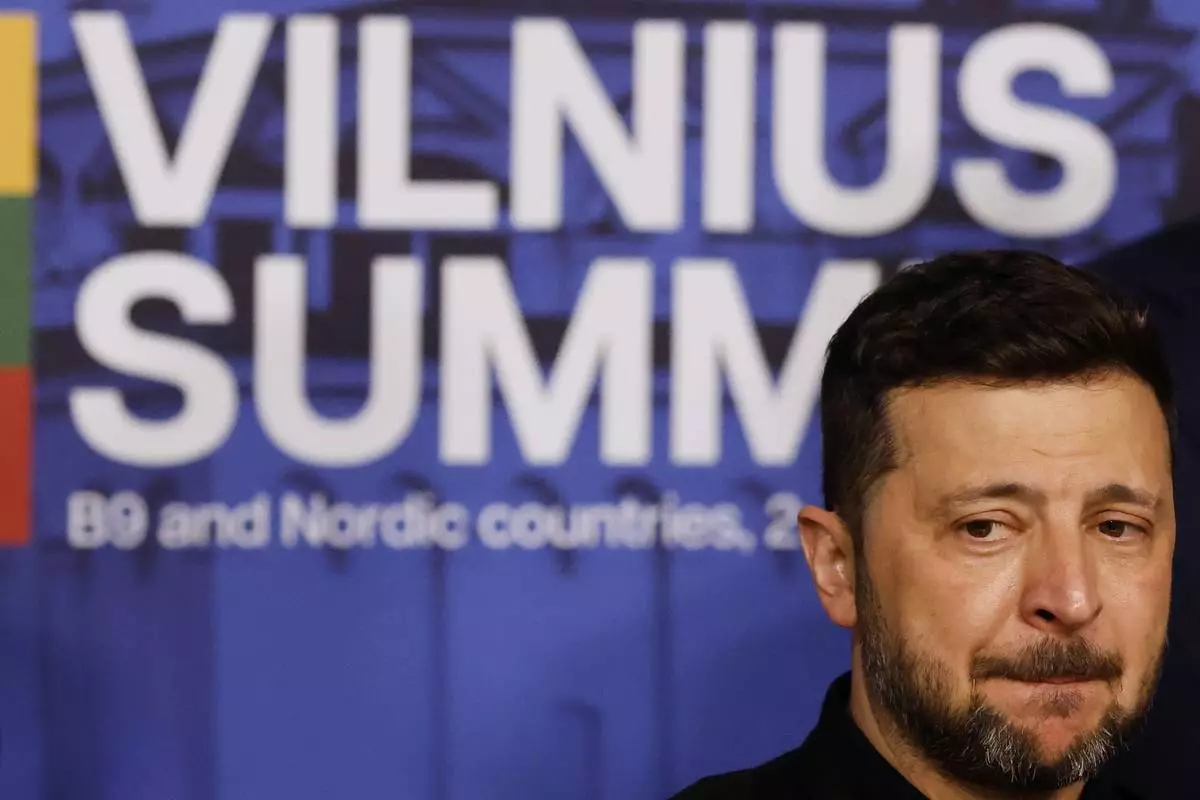
FILE - Ukraine's President Volodymyr Zelenskyy waits for the start of a group photo at the Vilnius Summit at the Palace of the Grand Dukes of Lithuania in Vilnius, Lithuania, June 2, 2025. (AP Photo/Mindaugas Kulbis, File)
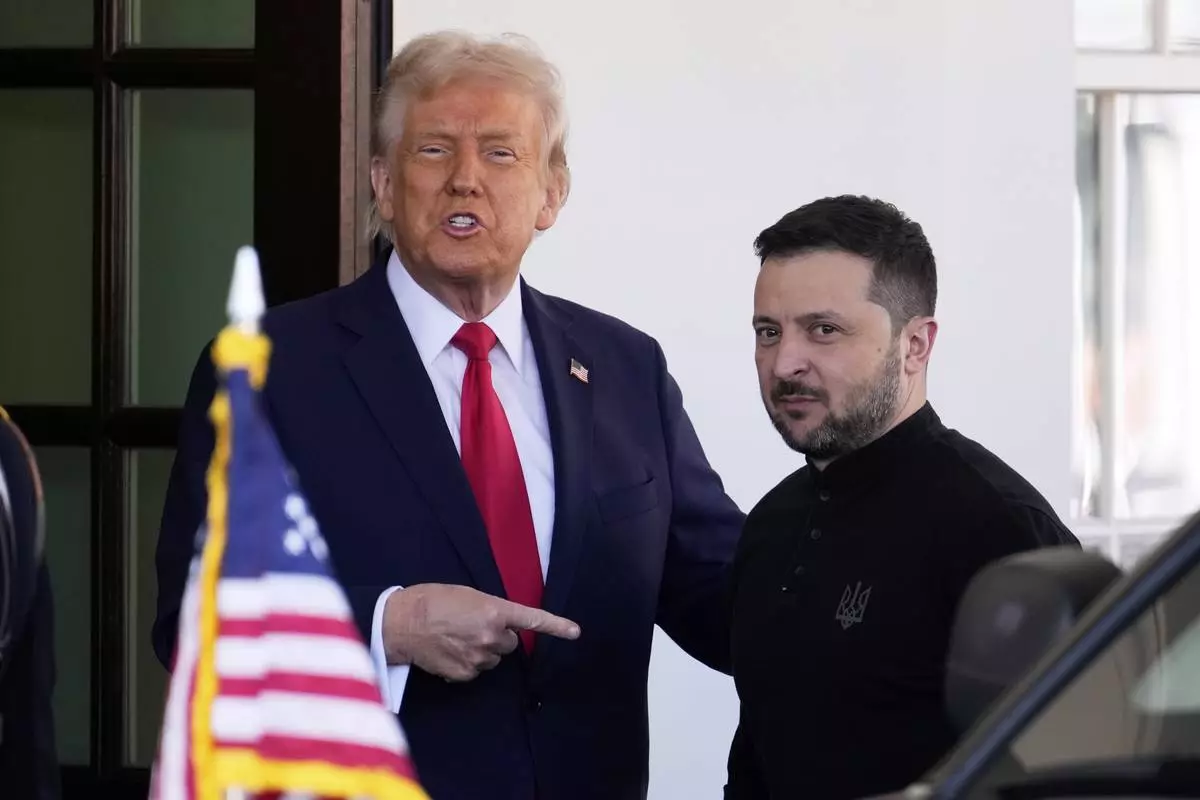
FILE - President Donald Trump welcomes Ukraine President Volodymyr Zelenskyy at the White House in Washington, Feb. 28, 2025. (AP Photo/Ben Curtis, File)
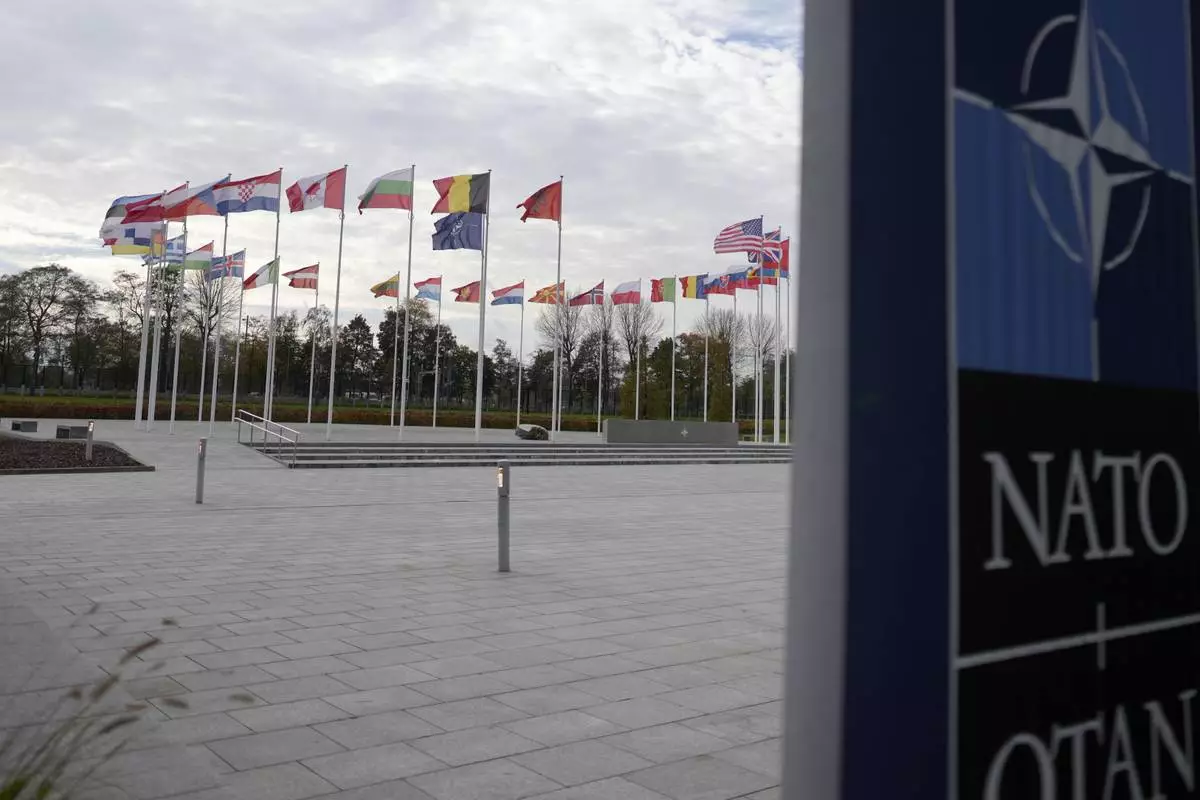
FILE - A view of flags of NATO member countries, outside NATO headquarters in Brussels on Oct. 28, 2024. (AP Photo/Virginia Mayo, File)
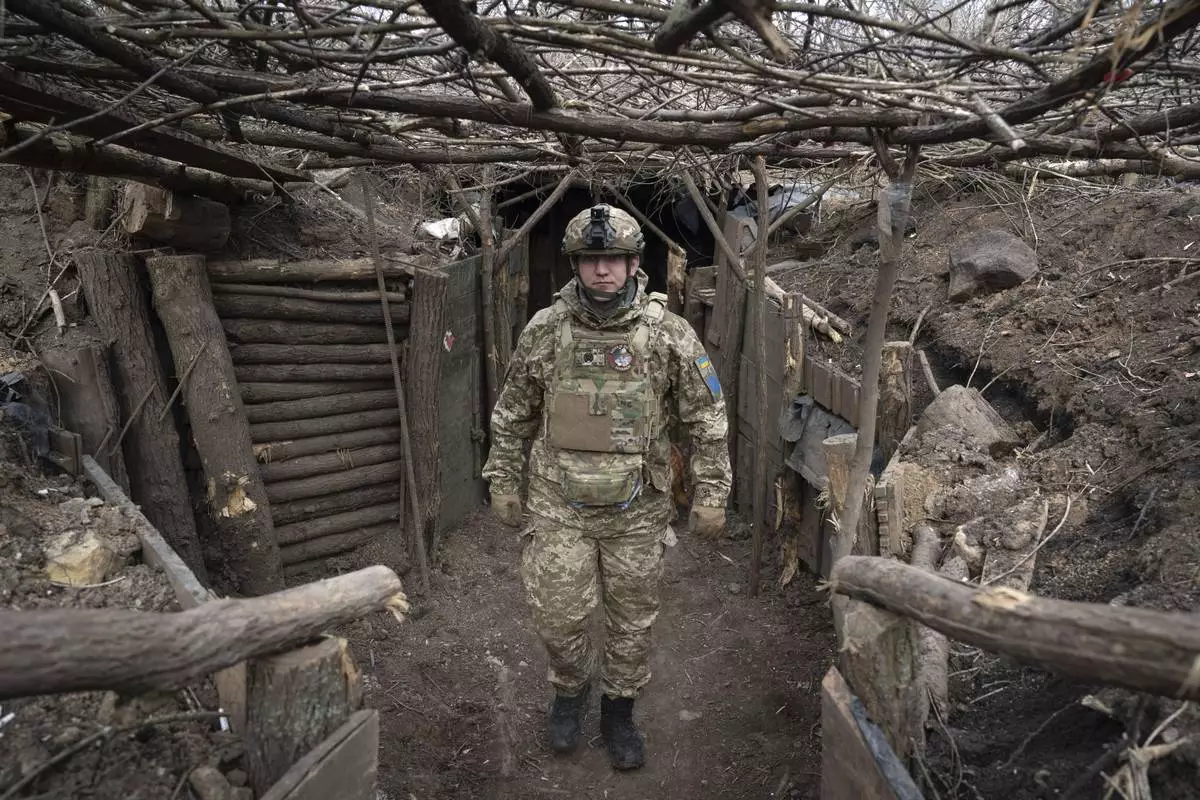
FILE - A Ukrainian serviceman of the 28th Separate Mechanised Brigade stands in a trench at the front line, near Bakhmut, Donetsk region, Ukraine, March 3, 2024. (AP Photo/Efrem Lukatsky, File)