The Sahel region in Africa accounted for 51 percent of global terrorism-related deaths in 2024, up from 48 percent in 2023, according to the 2025 Global Terrorism Index (GTI), published by the Sydney-headquartered Institute for Economics and Peace.
According to the report, the Sahel also accounted for 19 percent of all worldwide terrorist attacks in 2024.
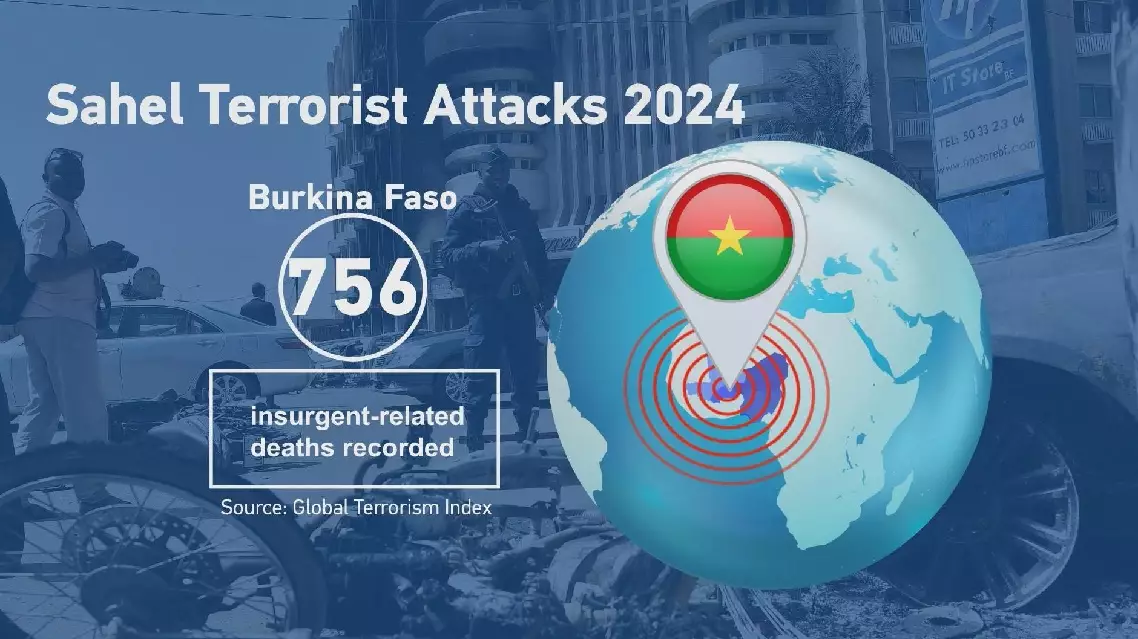
Burkina Faso remains the most affected country in the region.
Over 700 deaths recorded across the country were linked to groups like Jamaat Nusrat Al-Islam wal Muslimeen.
In Niger, more than 400 lives were lost in terrorist attacks last year.
Insurgents reportedly targeted villages, military outposts, and public gatherings.
In Nigeria, an attack in Mafa village in Yobe state reportedly killed between 100 and 150 people and wounded several others last year.
Another attack by Islamic State West Africa Province (ISWAP) against Boko Haram members in the northeast areas of Lake Chad in Borno state took place on April 24th last year.
Seventy Boko Haram and ten ISWAP members were reportedly killed in the clashes.
In Mali, a brazen attack on a Gendarmerie school in the southern part of the capital, Bamako, left 60 soldiers dead last year.
Jamaat Nusrat Al-Islam wal Muslimeen claimed responsibility for the attack.
According to the United Nations, terrorist attacks have continued unabated in 2025, and the death toll continues to rise.
Sahel region accounts for 51 pct of global terrorism-related deaths in 2024: report