China remains a major supporter of peace in the world as Israel-Iran conflict escalates and threatens the regional security of the Middle East, according to political analysts in Cairo, Egypt.
The conflict between Israel and Iran entered the 10th day with U.S. President Donald Trump warning that Iran will face more military strikes if peace does not come quickly.
Trump said on Saturday that Iran's key nuclear facilities had been "completely and totally obliterated," and that future attacks will be "far greater and a lot easier." Tehran must agree to "end this war," Trump wrote on Truth Social after the strikes.
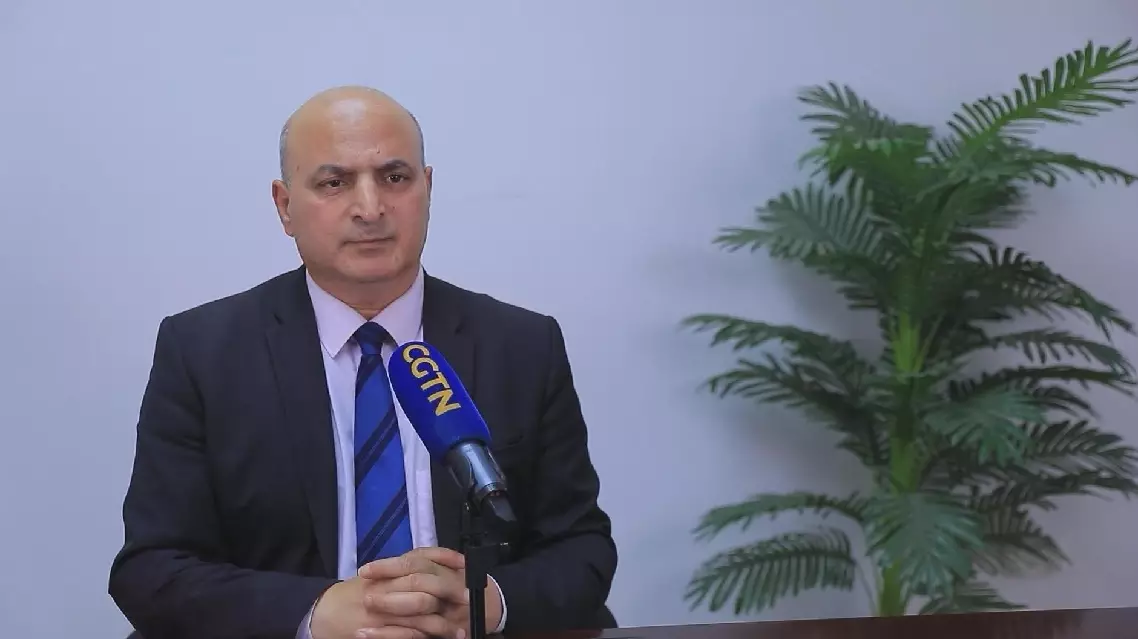
Ahmed El-Sayed Ahmed, an expert of international relations in Cairo, said the escalation of the tensions has posed a threat to Arab countries.
"In fact, the recent Israel-Iran escalation poses a strategic, economic, political, and security threat to Arab countries. It reflects the seriousness of the escalation and the expansion of the regional conflict, which may involve other parties besides Iran and Israel. Economically, there are, of course, negative repercussions, causing energy prices to rise, especially with Israel targeting Iranian energy facilities. One of the risks of the rising conflict is the possibility of Iran closing the Strait of Hormuz, which would lead to a halt in oil exports from the Arabian Gulf region. This would have significant negative repercussions," he said.
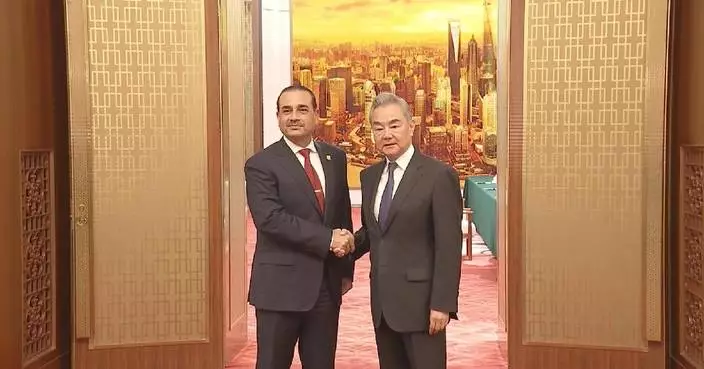
In his phone call with his Egyptian counterpart Badr Abdelatty on Wednesday, Chinese Foreign Minister Wang Yi said Israel's disregard for international law and norms has abruptly escalated tensions in the Middle East.
China once again calls on all parties to the conflict, particularly Israel, to immediately cease fire and de-escalate the situation, Wang said.
"The Chinese side, of course, seeks to achieve calm in the Middle East and an immediate end to the war between Israel and Iran. The Chinese approach is based on the idea that war cannot achieve the goals of either party, that everyone loses in war, and that the continuation of war exacerbates the negative repercussions, not only for the two immediate parties of the conflict (Israel and Iran), but also for the countries of the region. It also threatens regional and international peace and security. China hopes to see the stability in the Middle East," said Ahmed.
UN Secretary-General Antonio Guterres said Saturday that U.S. strikes on Iran's nuclear sites are "a dangerous escalation" and "a direct threat to international peace and security."
Guterres called on UN member states to uphold their obligations under the UN Charter and other rules of international law.
Mohamed Ezz El-Din, a political analyst in Cairo, said countries should work together to maintain international stability.
"China is a major supporter of peace in the world, and all its positions in regional and international conflicts support humanity and the lesser parties in society while maintaining international stability. In addition, Egypt is also keen to play a major role in regional peace, reducing tensions, respecting the sovereignty of other countries, and refraining from using force against UN member states," he said.
China remains major supporter of peace as Israel-Iran conflict escalates: analysts