Skip to Content Facebook Feature Image

China removes sediment from Yellow River ahead of flood season

China

China

China

China removes sediment from Yellow River ahead of flood season

2025-06-23 22:59 Last Updated At:06-24 00:27

China on Monday launched its annual effort to remove sediment from the Yellow River, China's second largest, ahead of flood season.

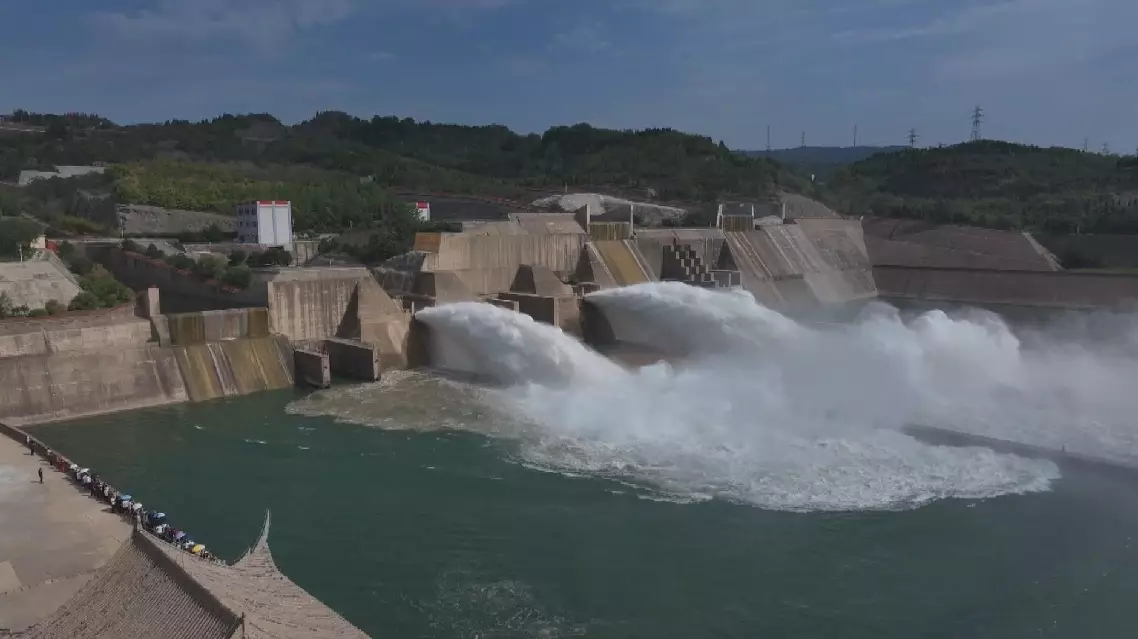
The operation began on Monday morning with water discharged from the three gates of the Xiaolangdi reservoir in central China's Henan Province. The operation will last about 17 days, and will remove an estimated 100 million tons of mud and sand from the river.

The Yellow River picks up 1.6 billion tonnes of fine sediment, or loess, when it flows through China's Loess Plateau region. It carries more sediment per cubic meter than any other major river in the world, and deposits most of it long before it reaches the delta.

The removal of sediment is a crucial measure to keep the river channel open.

During the sediment removal operation, three major reservoirs in the middle reaches of the Yellow River, the Wanjiazhai, the Sanmenxia and the Xiaolangdi, will coordinate water discharges to wash away the sediment in the river. "By coordinating regulation across both mainstream and tributary reservoirs, we aim to maintain the downstream river's flow capacity, reduce sediment buildup in reservoirs, and improve ecological conditions in the lower reaches of the Yellow River," said Ren Wei, an official from the Yellow River Conservancy Commission.

China has performed the sediment removal operations 29 times, flushing 3.5 billion tons of sediment from the Yellow River into the sea. These efforts have slowed the narrowing of the river's main channel downstream and significantly improved downstream flooding and the river’s overall ecology.
China removes sediment from Yellow River ahead of flood season

China removes sediment from Yellow River ahead of flood season
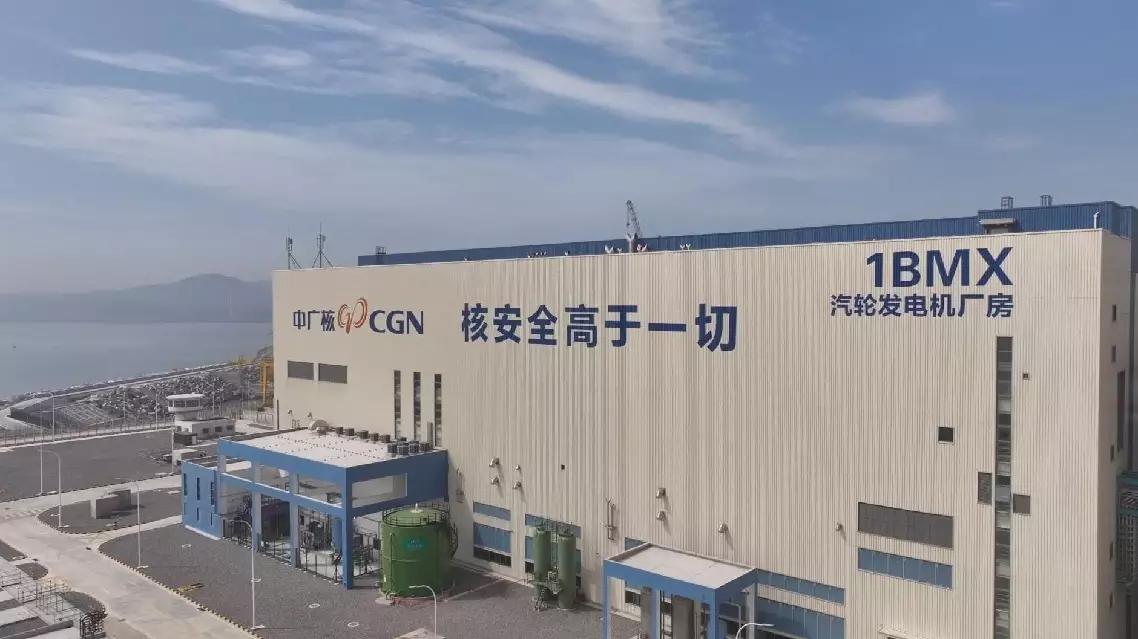
The first Hualong One nuclear power unit in the Yangtze River Delta entered service Wednesday after a 168‑hour full‑power trial, marking a milestone in China's drive for homegrown nuclear technology, operator China General Nuclear Power Group (CGN) said.

The No. 1 unit of the San'ao nuclear power project in east China's Zhejiang Province began construction on Dec 31, 2020, and was connected to the grid on March 12, 2026.

"The No. 1 Unit has passed all performance tests and run continuously at full power for 168 hours. All parameters are stable and safety performance is sound. Once operational, the unit is expected to generate more than 9 billion kilowatt-hours of electricity per year," said Ding Jingying, deputy general manager of CGN Cangnan Nuclear Power Co.

The San'ao project is the first nuclear power project in China to incorporate private investment. It is designed to host six Hualong One units, to be built in three phases. Four units have already been approved, and construction is moving forward as planned.

When all six units are up and running, their total annual power output is expected to exceed 54 billion kilowatt-hours, roughly equivalent to the yearly electricity consumption of the entire Wenzhou metropolitan area. That would save more than 16.35 million tonnes of standard coal and cut carbon dioxide emissions by nearly 50 million tonnes each year, CGN said.

First Hualong One nuclear power unit enters service in Yangtze River Delta

First Hualong One nuclear power unit enters service in Yangtze River Delta

Recommended Articles