JOHANNESBURG (AP) — The World Bank granted South Africa a $1.5 billion loan to upgrade transportation infrastructure and help it transition toward a low-carbon economy, the country's National Treasury said Monday.
Deteriorating rail systems, jammed ports and frequent blackouts have hindered vital industries like mining and auto manufacturing in South Africa, contributing to slow economic growth over the last decade in Africa's most developed economy.
South African President Cyril Ramaphosa and his coalition government have pledged to tackle corruption and decades of poor management as well as pursue reforms to get the country out of its economic rut and ease its extremely high unemployment rate.
While it did not give specifics, the South African government said it expects the World Bank loan will enable inclusive economic growth and job creation by assisting in the removal of important infrastructure bottlenecks, especially in the energy and freight transportation sectors.
“This agreement reinforces the strong and constructive collaboration between the World Bank and the government of South Africa,” said the National Treasury. “This partnership marks a significant step toward addressing South Africa’s pressing economic challenges of low growth and high unemployment."
Additionally, because the financing has better conditions than conventional borrowing, such as a three-year grace period, it should reduce escalating debt-service expenses, it added.
South Africa’s 2025-26 budget has allocated over R1 trillion over the next three years toward critical transportation, energy, water and sanitation infrastructure while improving access to basic services.
However, real gross domestic product was revised downward to 1.4% in 2025 from 1.9% previously projected by the Finance Ministry projected in March because of the worsening global outlook and the persistence of logistics constraints and higher borrowing costs.
Finance Minister Enoch Godongwana said government debt is projected to stabilize at 77.4% of GDP in 2025/26.
Earlier this year, the dismantling of USAID by the Trump administration cut around $436 million in annual funding to South Africa for HIV treatment and prevention, putting the program and thousands of health care jobs on the line.
Godongwana said the country doesn’t have the funds to cover the more than $430 million shortfall caused by the Trump administration’s cuts in foreign aid, which have threatened the vast network of support for one of the world’s largest HIV-positive populations.
AP Africa news: https://apnews.com/hub/africa
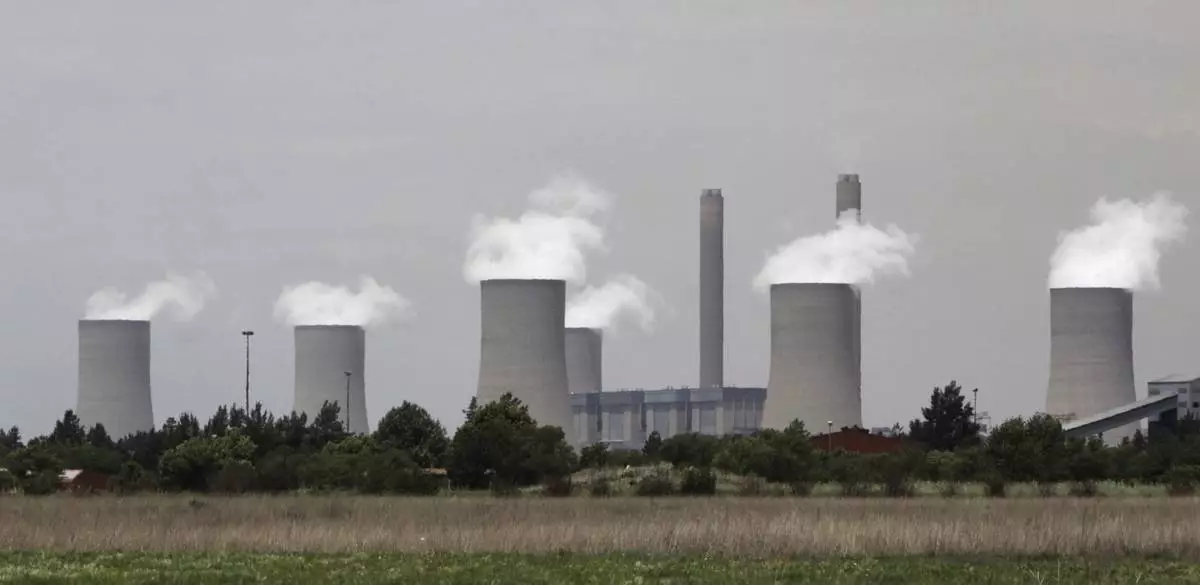
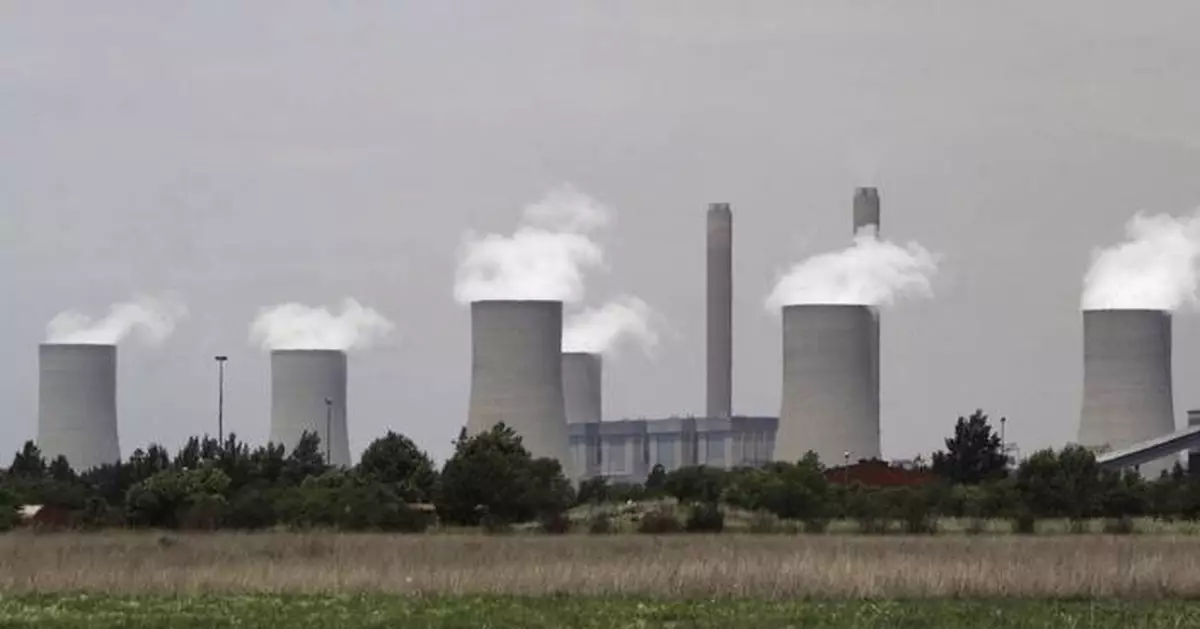
FILE - The cooling towers at Eskom's coal-powered Lethabo power station are seen near Sasolburg, South Africa, on Nov. 21, 2011. (AP Photo/Denis Farrell, File)
ALEPPO, Syria (AP) — First responders on Sunday entered a contested neighborhood in Syria’ s northern city of Aleppo after days of deadly clashes between government forces and Kurdish-led forces. Syrian state media said the military was deployed in large numbers.
The clashes broke out Tuesday in the predominantly Kurdish neighborhoods of Sheikh Maqsoud, Achrafieh and Bani Zaid after the government and the Syrian Democratic Forces, the main Kurdish-led force in the country, failed to make progress on how to merge the SDF into the national army. Security forces captured Achrafieh and Bani Zaid.
The fighting between the two sides was the most intense since the fall of then-President Bashar Assad to insurgents in December 2024. At least 23 people were killed in five days of clashes and more than 140,000 were displaced amid shelling and drone strikes.
The U.S.-backed SDF, which have played a key role in combating the Islamic State group in large swaths of eastern Syria, are the largest force yet to be absorbed into Syria's national army. Some of the factions that make up the army, however, were previously Turkish-backed insurgent groups that have a long history of clashing with Kurdish forces.
The Kurdish fighters have now evacuated from the Sheikh Maqsoud neighborhood to northeastern Syria, which is under the control of the SDF. However, they said in a statement they will continue to fight now that the wounded and civilians have been evacuated, in what they called a “partial ceasefire.”
The neighborhood appeared calm Sunday. The United Nations said it was trying to dispatch more convoys to the neighborhoods with food, fuel, blankets and other urgent supplies.
Government security forces brought journalists to tour the devastated area, showing them the damaged Khalid al-Fajer Hospital and a military position belonging to the SDF’s security forces that government forces had targeted.
The SDF statement accused the government of targeting the hospital “dozens of times” before patients were evacuated. Damascus accused the Kurdish-led group of using the hospital and other civilian facilities as military positions.
On one street, Syrian Red Crescent first responders spoke to a resident surrounded by charred cars and badly damaged residential buildings.
Some residents told The Associated Press that SDF forces did not allow their cars through checkpoints to leave.
“We lived a night of horror. I still cannot believe that I am right here standing on my own two feet,” said Ahmad Shaikho. “So far the situation has been calm. There hasn’t been any gunfire.”
Syrian Civil Defense first responders have been disarming improvised mines that they say were left by the Kurdish forces as booby traps.
Residents who fled are not being allowed back into the neighborhood until all the mines are cleared. Some were reminded of the displacement during Syria’s long civil war.
“I want to go back to my home, I beg you,” said Hoda Alnasiri.
Associated Press journalist Kareem Chehayeb in Beirut contributed to this report.
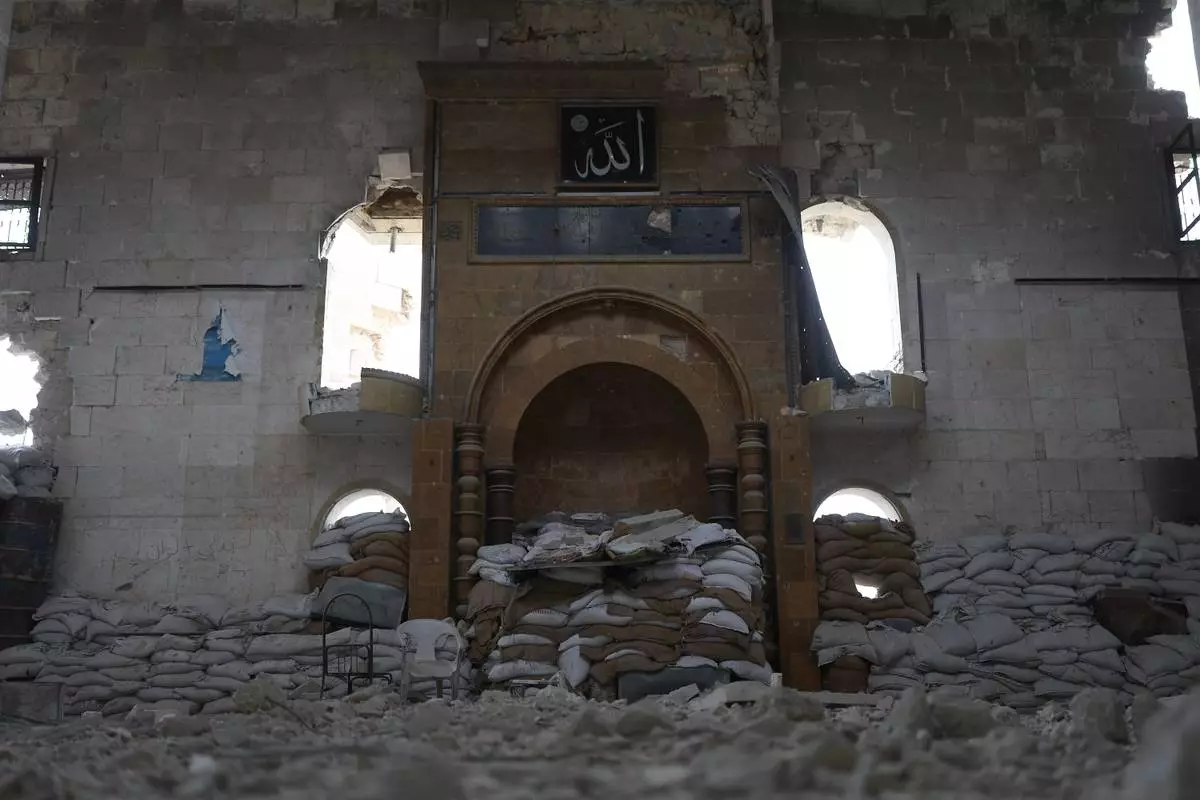
Sandbag barriers used as fighting positions by Kurdish fighters, left inside a destroyed mosque in the Sheikh Maqsoud neighborhood, where clashes between government forces and Kurdish fighters have been taking place in the northern city of Aleppo, Syria, Sunday, Jan. 11, 2026. (AP Photo/Ghaith Alsayed)
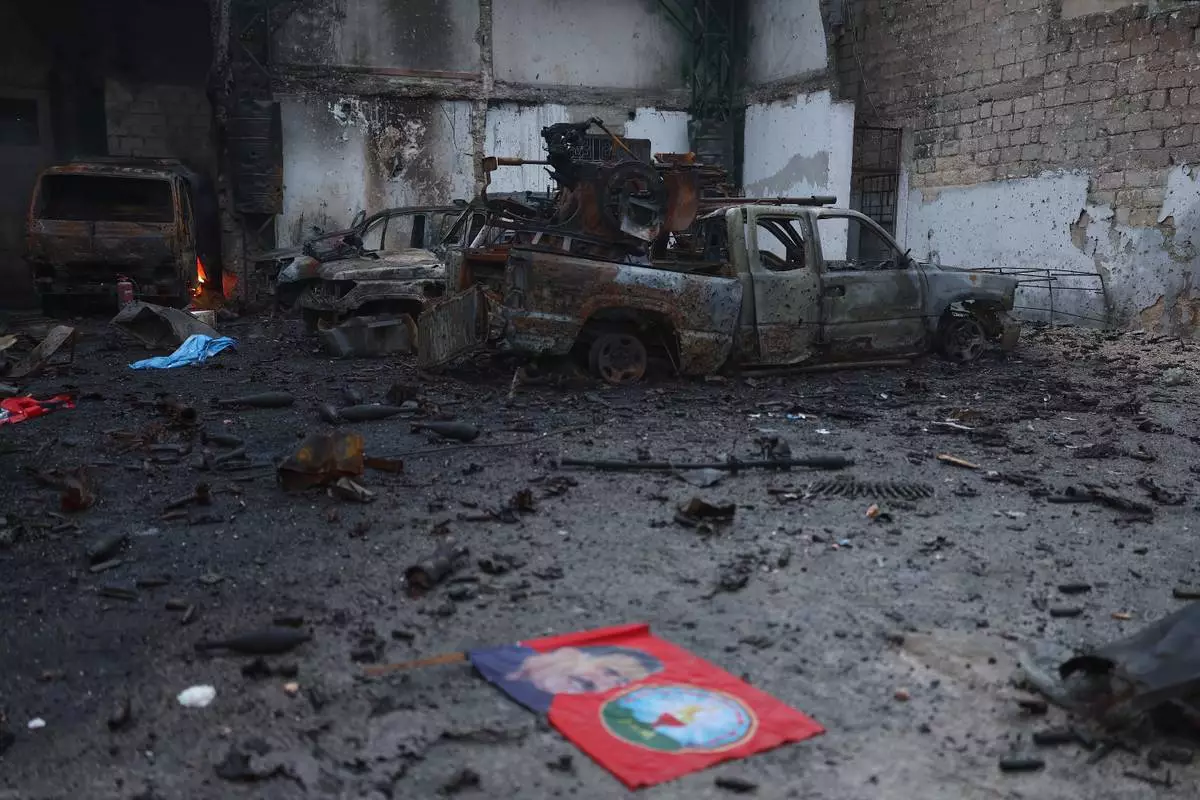
Burned vehicles at one of the Kurdish fighters positions at the Sheikh Maqsoud neighborhood, where clashes between government forces and Kurdish fighters have been taking place in the northern city of Aleppo, Syria, Sunday, Jan. 11, 2026. (AP Photo/Ghaith Alsayed)
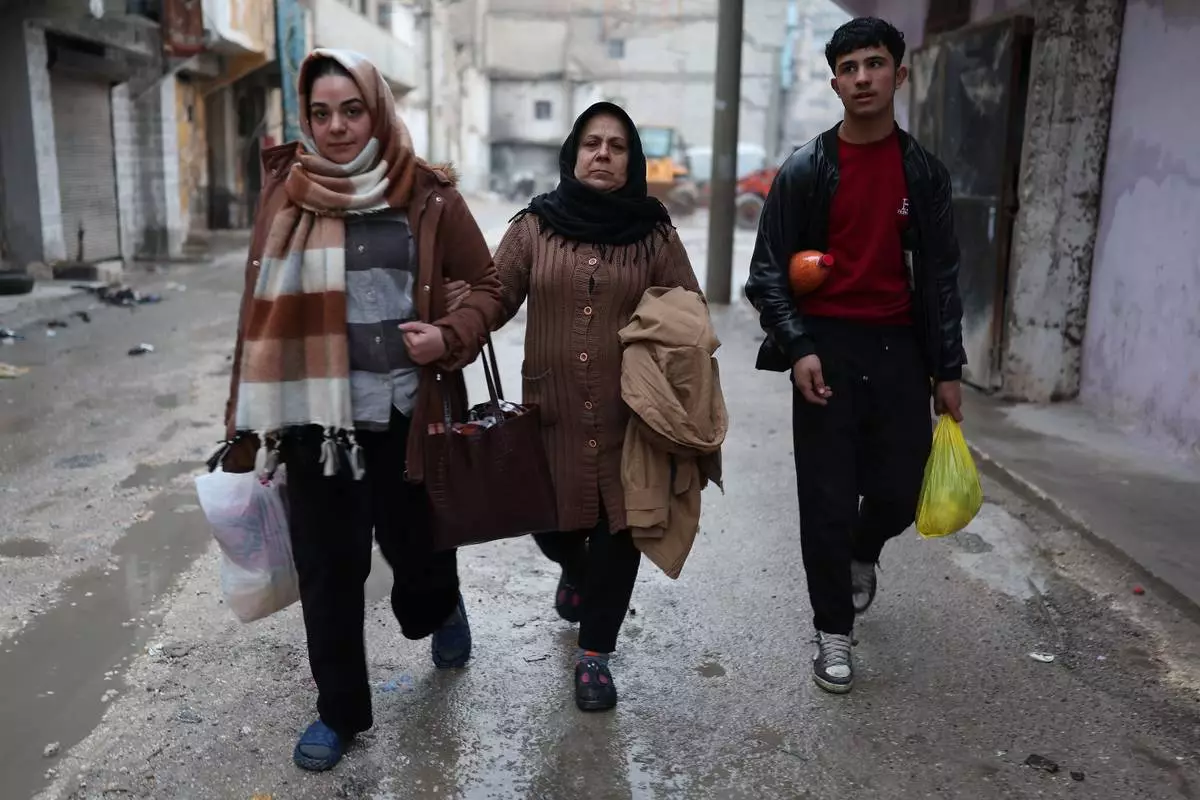
People flee the Sheikh Maqsoud neighborhood, where clashes between government forces and Kurdish fighters have been taking place in the northern city of Aleppo, Syria, Sunday, Jan. 11, 2026. (AP Photo/Ghaith Alsayed)
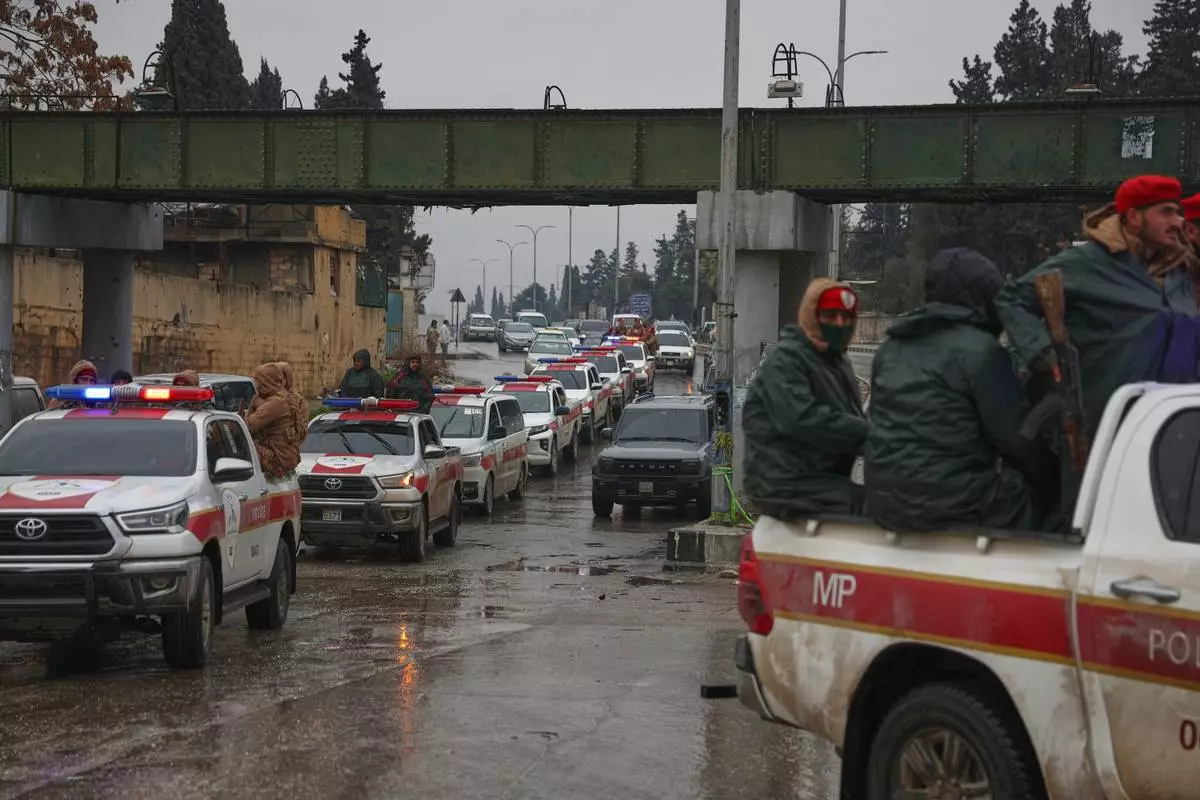
A Syrian military police convoy enters the Sheikh Maqsoud neighborhood, where clashes between government forces and Kurdish fighters have been taking place in the northern city of Aleppo, Syria, Sunday, Jan. 11, 2026. (AP Photo/Ghaith Alsayed)
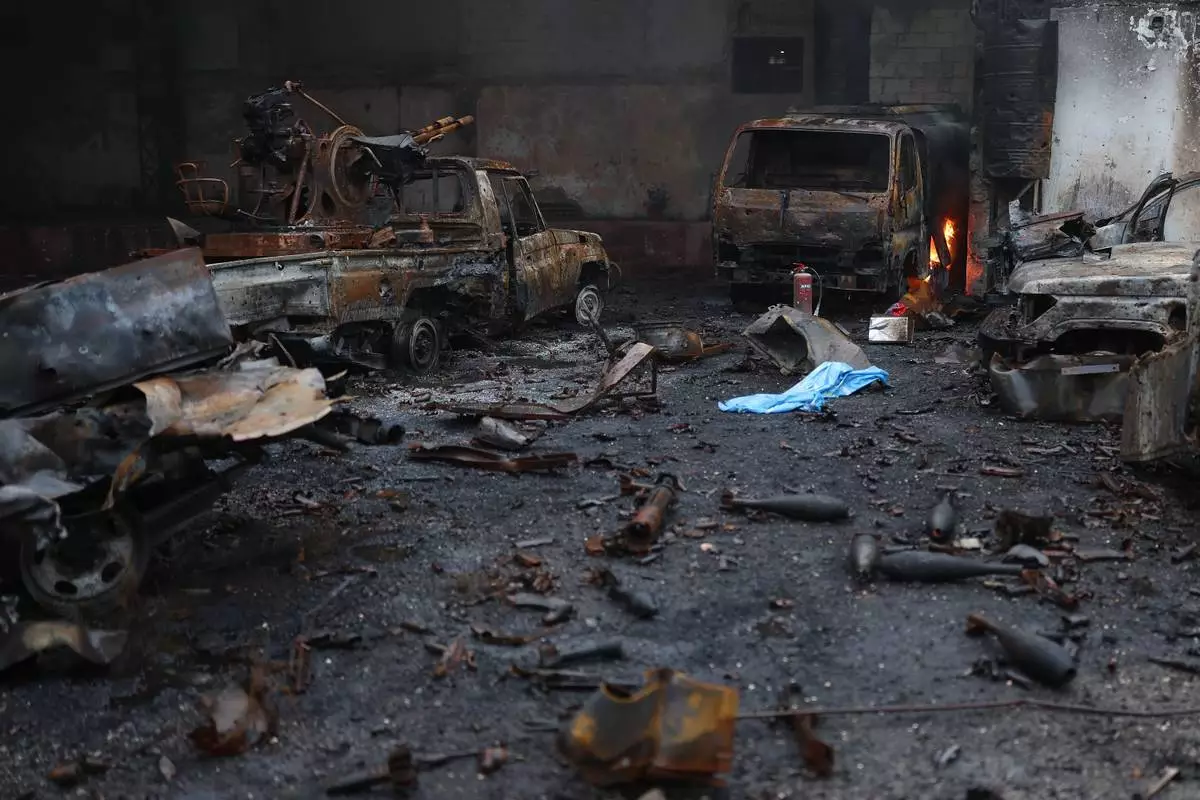
Burned vehicles and ammunitions left at one of the Kurdish fighters positions at the Sheikh Maqsoud neighborhood, where clashes between government forces and Kurdish fighters have been taking place in the northern city of Aleppo, Syria, Sunday, Jan. 11, 2026. (AP Photo/Ghaith Alsayed)