NEW YORK (AP) — The U.S. entry into Israel’s war with Iran caused travel disruptions to pile up globally this week — with flight cancellations continuing Tuesday, even after President Donald Trump claimed a ceasefire was “in effect.”
Following unprecedented bombings ordered by Trump on three Iranian nuclear and military sites over the weekend, Iran on Monday launched a limited missile attack on U.S. forces at Qatar's Al Udeid Air Base. Qatar, which was quick to condemn the attack, had temporarily closed its airspace just over an hour earlier.
Airports and skies throughout the region have been on heightened alert since Israel began the deadly war on June 13 with a surprise barrage of attacks on Iran, which responded with its own missile and drone strikes. And in the days following the escalatory U.S. strikes, more and more carriers canceled flights, particularly in Qatar and the United Arab Emirates, which sit just across the Persian Gulf from Iran.
After a ceasefire was announced between Israel and Iran, some of those disruptions eased. But the truce appeared to be on shaky ground Tuesday, with Trump accusing both countries of violating the deal — the terms of which remain unknown. Many airlines have halted select routes through the middle of the week, citing safety concerns.
The Middle East carriers were severely affected with cancellations and delays this week.
Qatar Airways said its flights were suspended because of Monday's closure of air traffic in Qatar. Qatar Airways shared that it was working to restore operations after the country's airspace reopened — but noted that disruptions may continue through Thursday.
Emirates suspended all flights to Iran and Iraq, including those serving Baghdad and Basra, through June 30. An unspecified number of other Emirates flights were rerouted but continuing to operate flights as scheduled, using flight paths well distanced from conflict areas, according to the airline, which added that some flights may be delayed.
Etihad Airways, the other of the two flag carriers of the United Arab Emirates, suspended all flights between Abu Dhabi and Tel Aviv through July 15, and also announced several regional flight cancellations for Monday and Tuesday — including those connecting Abu Dhabi to and from Kuwait, Doha, Dammam and Muscat.
Gulf Air, the carrier of the Kingdom of Bahrain, extended the cancellation of scheduled flights to Jordan and until June 27.
Meanwhile, Singapore Airlines canceled some flights to and from Dubai starting Sunday and through Wednesday, citing “a security assessment of the geopolitical situation in the Middle East.” And British Airways said it had suspended flights to and from Doha through Wednesday, adding that it “will keep the situation under review.”
Air India on Monday announced it was ceasing “all operations to the (Middle East) region as well as to and from the East Coast of North America and Europe” until further notice. But the airline, which is separately still reeling from a plane crash that killed at least 270 people earlier this month, later said it was working to “progressively resume” these routes starting Tuesday.
In other developments earlier Tuesday, Dutch carrier KLM said that it would be suspending its flights to Dubai in the UAE and Riyad and Damman in Saudi Arabia until further notice. Philippine Airlines canceled several flights to the Middle East, including those to Doha, Dubai and Riyadh for Tuesday and one to Doha Wednesday. Japan Airlines said a flight from Tokyo's Haneda airport to Doha had to return Monday — adding that subsequently scheduled flights have all been canceled through June 27. And a Qatar Airways flight from Hong Kong to Doha was canceled on Tuesday.
Air tracking data from FlightAware showed 495 cancellations worldwide just after 4 p.m. ET Tuesday, following 834 cancellations seen Monday.
Such disruptions have snarled travel, particularly as central hubs in the Middle East often connect flights worldwide — but experts stress that these kind of airspace closures and flight diversions are critical to ensuring safety, especially if future escalation emerges suddenly.
“It is the responsibility of states, countries to ensure that their airspace is safe for passage of aircraft,” Hassan Shahidi, president and CEO of the Flight Safety Foundation. He added that on Monday “the Qataris did the absolutely right thing to close their airspace because of the threat of conflict.”
Beyond Qatari airspace, Flightradar24 reported that UAE airspace was also closed for several hours Monday.
While the future is unknown, Ian Petchenik, director of communications at Flightradar24, noted that it's important to remember airspace closures and flight cancellations reflect that “airlines, air traffic controllers and flight crews are doing their best to keep everybody safe.”
Shahidi added that it's important for travelers to monitor government guidance — such as safety notices from the U.S. State Department.
Still, lengthy disruptions could carry more widespread implications. Beyond snarling global flight networks, Shahidi stresses that it's very difficult for people who may need or want to evacuate countries impacted by the war to do so without access to commercial flights.
At the same time, he adds, it's critical that state authorities focus on keeping their skies safe — pointing to past tragedies of passenger flights that were shot down by strikes. That includes Malaysia Airlines Flight 17, which was shot down by Russian-backed forces while flying over Ukraine in 2014, killing 298 people.
“We are all praying and urging resolution to this conflict — and especially as it relates to protection of civilian air travel," Shahidi said. "We do not want to have an MH17, with innocent lives being lost in a missile strike ... We do not want to repeat that history.”
AP Writers Yuri Kageyama in Tokyo and Kanis Leung in Hong Kong contributed to this report.
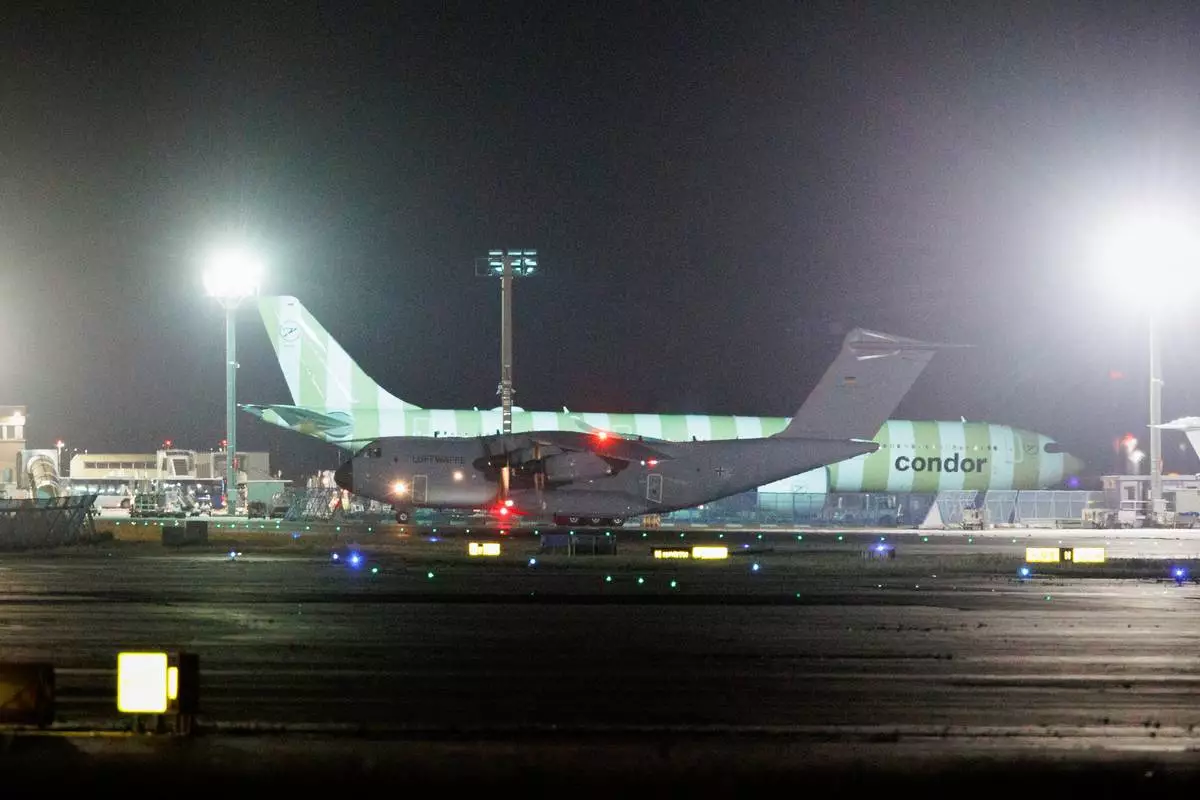
A Bundeswehr Airbus A400M with German Israel returnees on board taxis to its parking position at Frankfurt Airport, due to the war between Israel and Iran, early Tuesday, June 24, 2025. (Lando Hass/dpa via AP)
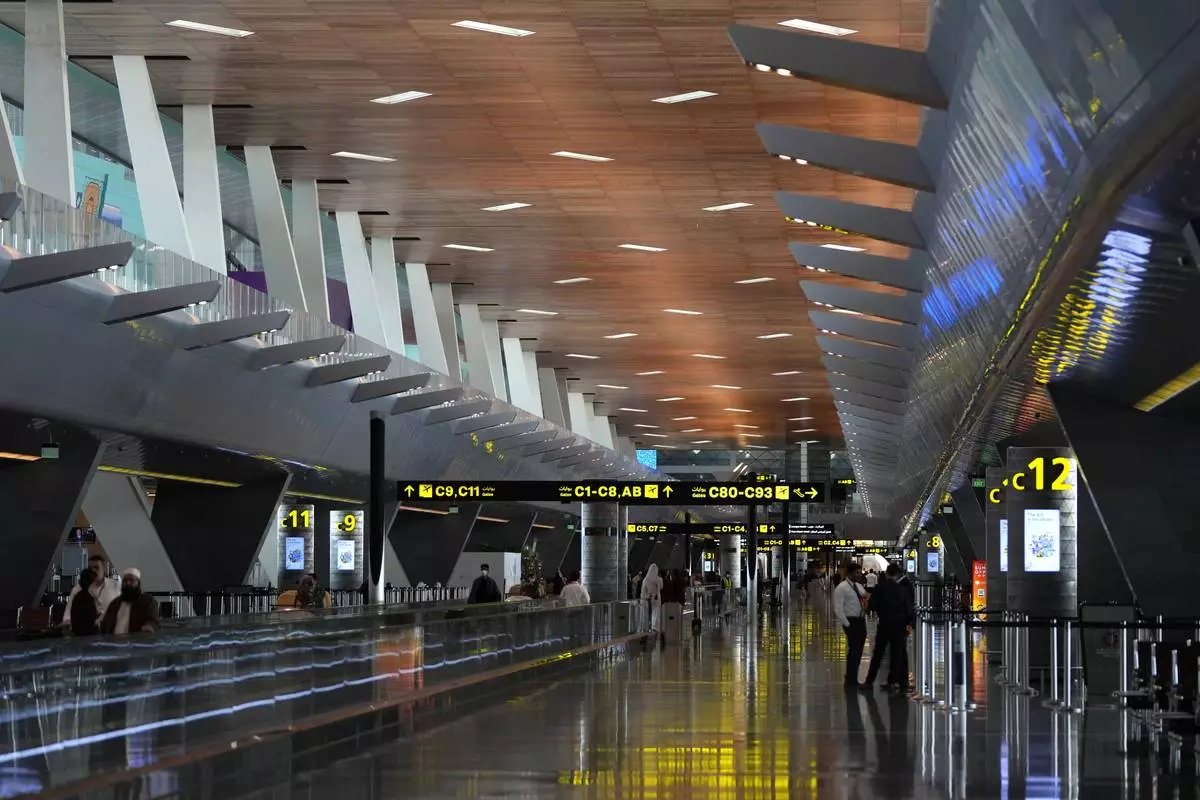
FILE - Passengers walk at Hamad International Airport in Doha, Qatar, Nov. 10, 2022. (AP Photo/Hassan Ammar, File)
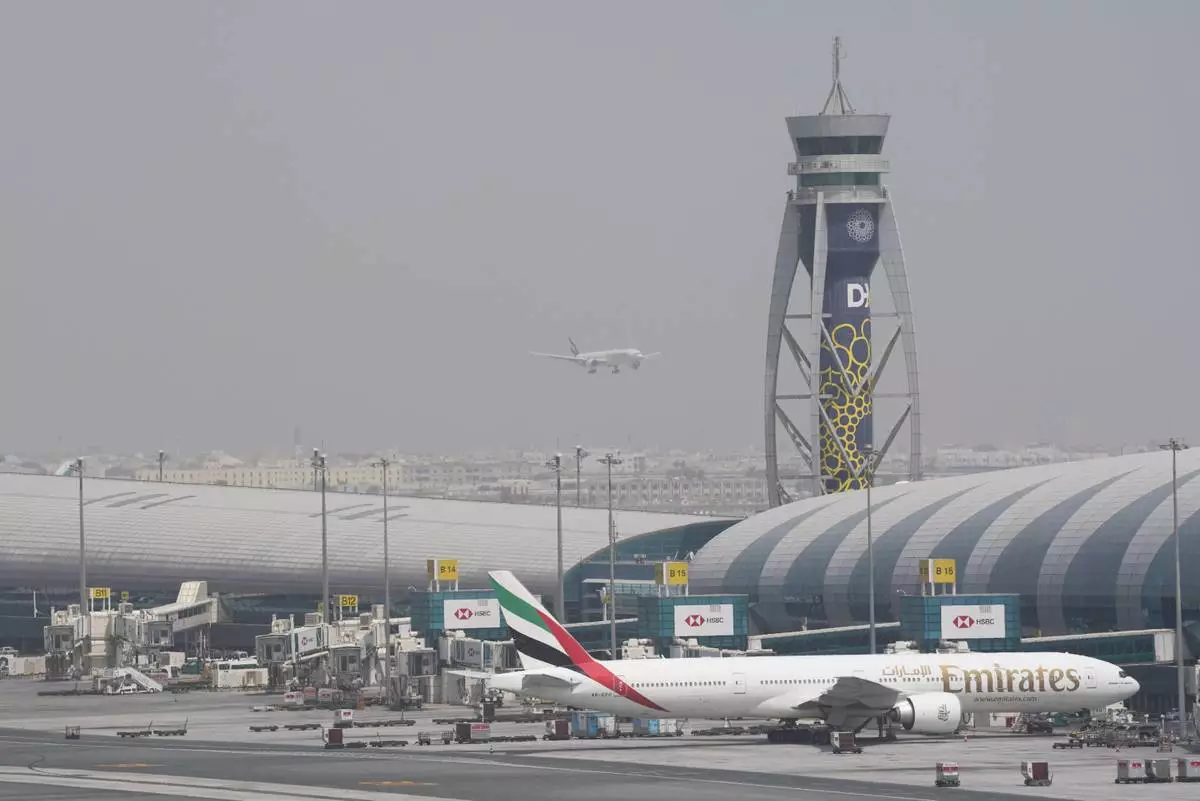
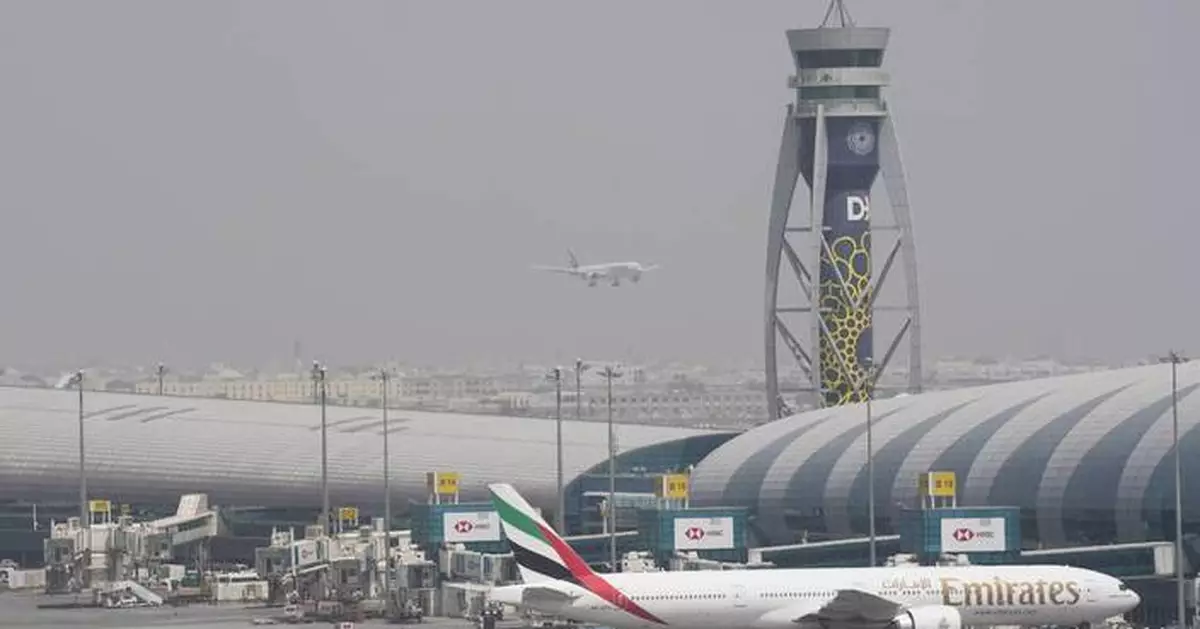
FILE - An Emirates Boeing 777 stands at the gate at Dubai International Airport as another prepares to land on the runway in Dubai, United Arab Emirates, Aug. 17, 2022. (AP Photo/Jon Gambrell, File)