NEW YORK (AP) — If oil prices are any measure, Iran just flinched.
The price of oil tumbled Monday afternoon in an historical move as traders bet that Iran's decision to bomb a U.S. base in Qatar signaled it was not planning to do the one thing that could really hurt America: Shut down the flow of oil by attacking crude shipments.
“When the response comes and it is muted, oil drops,” said Tom Kloza, chief market strategist at consultancy Turner Mason & Co, calling the limited Iran response far short of what many traders feared. “This rivals some of the historic selloffs.”
There's still plenty Iran could do to push prices back up, and the markets could be getting it all wrong, But oil analysts say there are plenty of reasons fear has receded.
Adding to the odds that prices will settle, President Donald Trump announced that Israel and Iran had agreed to a complete ceasefire, though the situation remained unclear.
The price of West Texas Intermediate, the U.S. benchmark, fell 7.2% to $68.51 per barrel in regular trading on Monday after Iran announced a missile attack on Al Udeid Air Base in Qatar, which the U.S. military uses. Traders were relieved because Iran said it had matched the number of bombs dropped by the U.S. on Iranian nuclear sites this weekend, a possible sign of a desire to deescalate the conflict.
The price of oil fell further after Trump's announcement of a “complete and total ceasefire” to be phased in over 24 hours. Oil fell almost 4% to $65.84 a barrel early Tuesday, and is now below where it was before fighting between Iran and Israel began over a week ago, when a barrel of U.S. crude was just above $68.
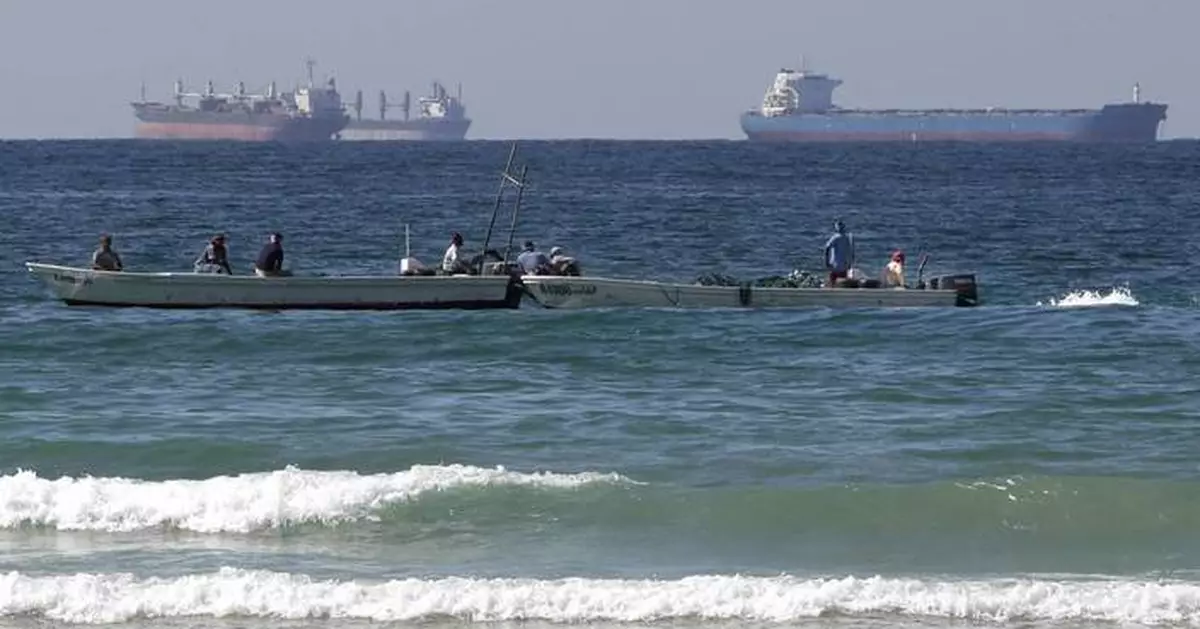
Markets were initially nervous Sunday as oil futures opened for trading. The price of Brent crude, the international standard, had jumped 4% as traders anxiously watched the Strait of Hormuz, a waterway on Iran's southern border that legislators in Tehran were demanding be closed in retaliation. That would have walloped the global economy because much of world’s crude and liquified gas passes through it.
Brent crude was trading at $68.06 per barrel, down 3.5%, early Tuesday.
That's good news for Trump, who wants the Federal Reserve to stop worrying about inflation and start cutting interest rates. It's also good for motorists this summer if the trend holds.
Drivers were already paying higher prices at the pump before the U.S. attack. The average price nationwide is $3.18 per gallon, according to GasBuddy surveys, about 10 cents more than two weeks ago.
Some traders doubted Iran would try to close the Strait of Hormuz even before its limited attack Monday. Much of country's own crude passes through the waterway — 1.5 million barrels a day — and oil is a big revenue generator for the country that they would be loath to disrupt.
“It's a silly notion that the Iranians would look to do that,” said Kloza. “I’ve been covering oil for 50 years and we've never seen the Strait of Hormuz compromised.”
Asked about the prospect of a shutdown on NBC's “Meet the Press” Sunday, Vice President J.D. Vance put it more simply: “I think that would be suicidal.”
At current oil prices, Tehran receives roughly $40 billion in revenue annually from oil transiting the same waters. That is a tenth of what the entire of country produces in goods and services.
Andy Lipow, an Houston based oil analyst, says history suggests Iran won’t disrupt its own flow of oil, but that countries, like people, don’t always act in their economic interests.
“The question for the oil markets is, ‘Is his time different?’,” he said. “You might have an emotional decision.”
He notes also that Iran has other ways to push oil higher without completely closing off the waterway.
Iran could jam navigational devices, slowing transit, or drop mines in the water, forcing the U.S. Navy to do more escorts. Or it could bomb a tanker, he said, sending the premiums that shippers need to pay insurers sky high.
If traders are wrong and oil shoots back up, the impact could be widely felt.
A surge in oil prices would come at a bad time. Trump insists that the inflation scare is largely over, but many economists think higher prices are still coming because the full impact of his tariffs are only now beginning to show up on everyday goods.
Trump is clearly aware things could change fast.
“To The Department of Energy: DRILL, BABY, DRILL!!! And I mean NOW!!!” he wrote on Truth Social Monday, adding. “EVERYONE, KEEP OIL PRICES DOWN. I’M WATCHING!”
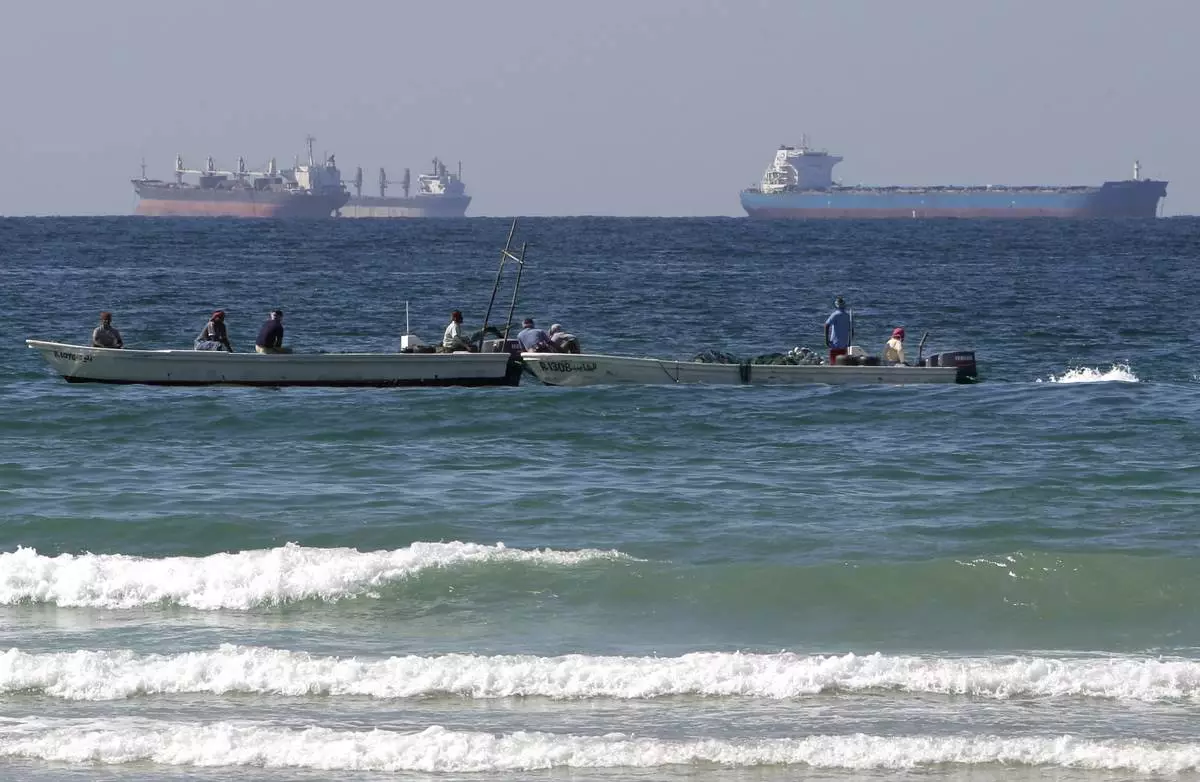
FILE - In this Jan. 19, 2012 file photo, fishing boats are seen in front of oil tankers south of the Strait of Hormuz, offshore the town of Ras Al Khaimah in United Arab Emirates. (AP Photo/Kamran Jebreili, File)