BRAKPAN, South Africa (AP) — Themba Maseko quickly wipes oil and grease off his hands with a rag as he breaks away from repairing one car to assist another customer who needs parts for a low-riding BMW 325is that he’s pulled up in, exhausts booming.
As soon as Maseko returns beneath the hood of the first vehicle to continue his work, yet another man arrives desperately wanting his car to be looked at.
Click to Gallery
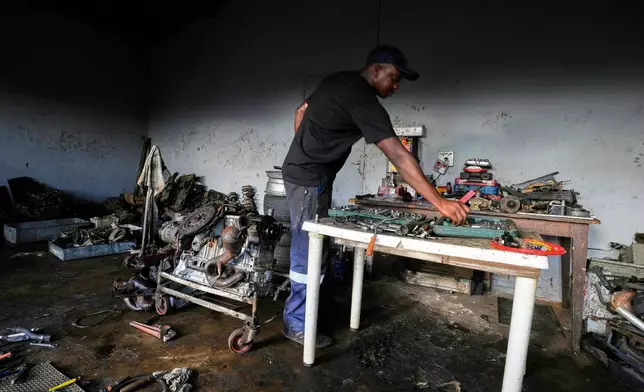
Themba Maseko, a 39-year-old mechanic, works inside his workshop in Brakpan, east of Johannesburg, South Africa, Wednesday, April 30, 2025. (AP Photo/Themba Hadebe)
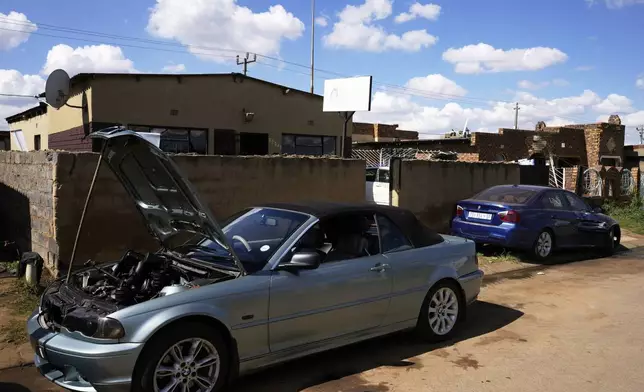
Cars to be repaired are parked outside the workshop of Themba Maseko, a 39-year-old mechanic, in Brakpan, east of Johannesburg, South Africa, Wednesday, April 30, 2025. (AP Photo/Themba Hadebe)
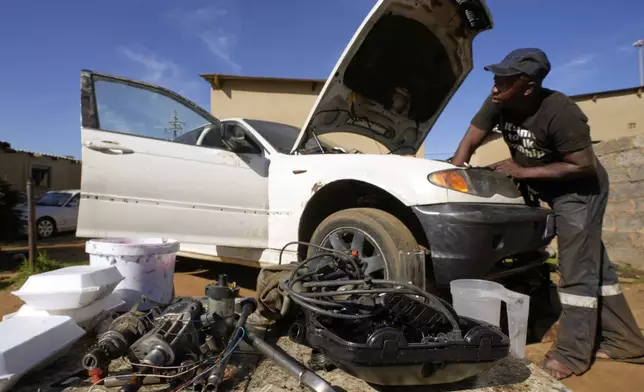
Themba Maseko, a 39-year-old mechanic, repairs a BMW car outside his workshop in Brakpan, east of Johannesburg, South Africa, Wednesday, May 14, 2025. (AP Photo/Themba Hadebe)
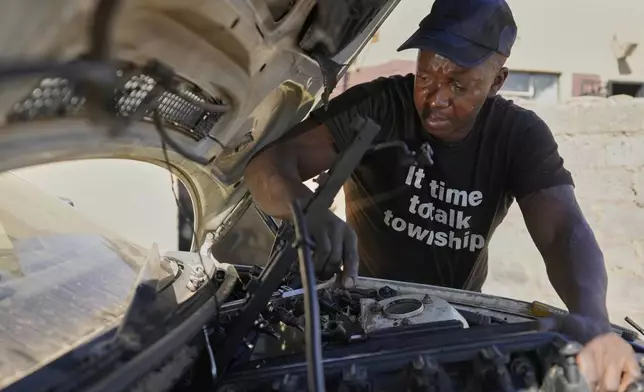
Themba Maseko, a 39-year-old mechanic, repairs a BMW car outside his workshop in Brakpan, east of Johannesburg, South Africa, Wednesday, May 14, 2025. (AP Photo/Themba Hadebe)
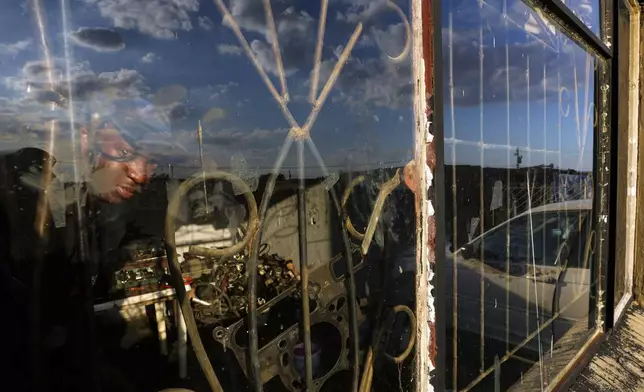
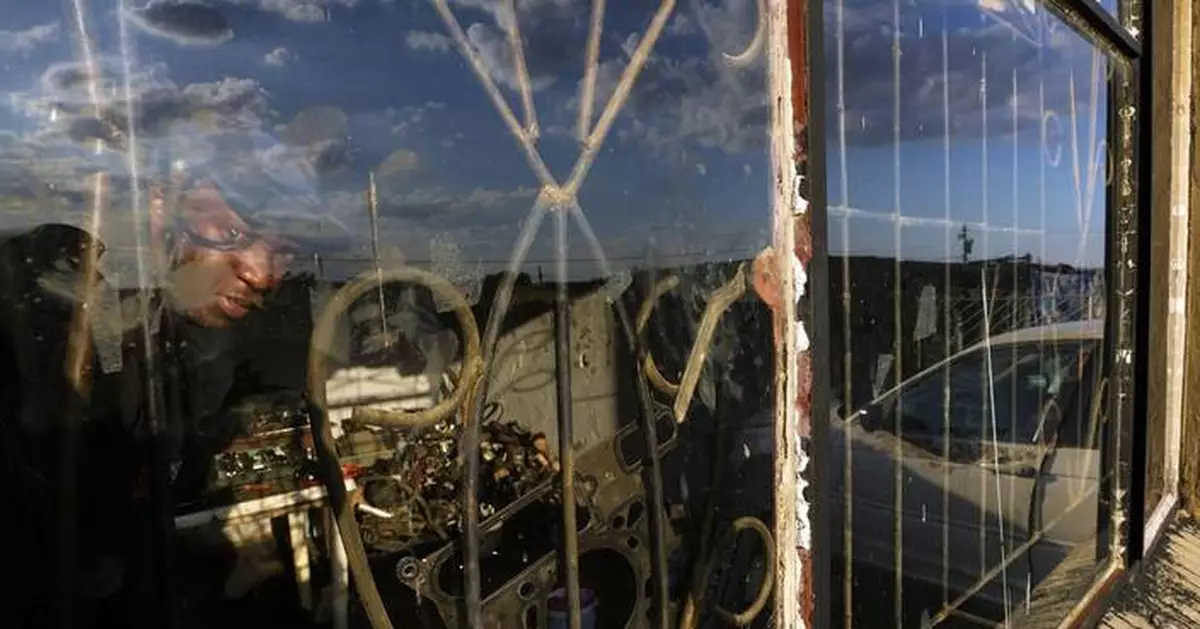
Themba Maseko, a 39-year-old mechanic, peeks through a window inside a workshop in Brakpan, east of Johannesburg, South Africa, Wednesday, April 30, 2025. (AP Photo/Themba Hadebe)
“It gets hectic,” said the 39-year-old mechanic, sweat plastering his face.
The father of three runs a small motor repair shop in the township of Tsakane, about 50 kilometers (31 miles) east of South Africa’s biggest city of Johannesburg. His hopes for his business to succeed when it’s up against established urban car service and repair centers have been boosted by a new initiative started at the end of last year.
Maseko has joined with other mechanics from townships to form a cooperative. Together, they now have combined purchasing power to ensure they can source official car spares and equipment for their shops and don’t get cut out of the market. The Motor Spares Collective means they can place orders to an online spares shop through WhatsApp and authentic parts are usually delivered to them in 24 hours.
That avoids what Maseko says is his biggest challenge: spending hours away from his garage queuing for parts, sometimes to find there aren’t any in stock because they’ve been bought up by larger chains.
As one busy day at his shop showed, the customers are lining up for Maseko’s services, he just needs the parts.
“Now with the collective it’s much easier. I don’t have to go stand in queue and waste time,” said Maseko, who changed career from an electrician to a full-time mechanic in 2008. “Plus, it’s at a cheaper price.”
The Motor Spares Collective is one initiative designed to unlock the potential of small township businesses in South Africa, which the government has identified as key to driving growth and creating jobs in areas where unemployment and poverty are high.
Various studies indicate that more than 21 million people in South Africa live in townships on the edge of major cities or towns — a third of the population — and they have a combined spending power of billions of dollars and generally prefer local businesses.
South Africa has over 700,000 registered small businesses. In the townships these include hair salons, taverns, car repair shops, laundromats and others sometimes operating out of people’s homes. According to a report by financial services group Lesaka, South Africa’s informal sector generates an estimated $33 billion in revenue, or more than 6% of GDP.
“People don’t respect the trade in the townships,” said Sharief Bartus, another member of the motor spares collective.
For a $10 monthly membership fee for the first year, Maseko and the others get more than just access to car parts and tools for their garages. The collective also offers skills development opportunities, help with business registration and financing.
“The more members we get, the more discounts we get, the more work we have,” said Dorian Slimmerts, another mechanic in the collective who is operating not far from Maseko.
Township mechanics offering a local option for car owners have long battled on the fringes of the country’s commercial auto manufacturing and repair sector. A regulation change in 2020 also made a big difference. New “right to repair” rules in South Africa mean car owners can now have their vehicles serviced by registered independent mechanics and not lose their warranties.
That’s opened the door a little more for township mechanics.
Car maintenance is especially needed in South Africa, where there are around 12 million automobiles on the road and people are keeping their cars longer. The demand for affordable pre-owned cars has outpaced new cars since the COVID-19 pandemic.
Time is the critical element for township mechanics, though. Their businesses see lots of walk-in clients, prices are often negotiated and customers expect quick service — or they will look elsewhere.
“All the mechanic sells is time,” said Amanda Gcabashe, managing director of UBU Investment Holdings, an economic advisory company that helped set up the cooperative. “And that’s why we came with this to say, how do we make sure that we then solve that pain point by making spares easily accessible?”
She said that as well as the business help, the collective is also looking to offer life insurance packages and other social safety net services for its mechanics.
Bulelani Balabala, the founder of the Township Entrepreneurs Alliance, said cooperatives were a powerful way to harness the potential of small businesses serving millions of people in townships.
“It’s a market that can’t be ignored,” he said.
For more on Africa and development: https://apnews.com/hub/africa-pulse
The Associated Press receives financial support for global health and development coverage in Africa from the Gates Foundation. The AP is solely responsible for all content. Find AP’s standards for working with philanthropies, a list of supporters and funded coverage areas at AP.org.
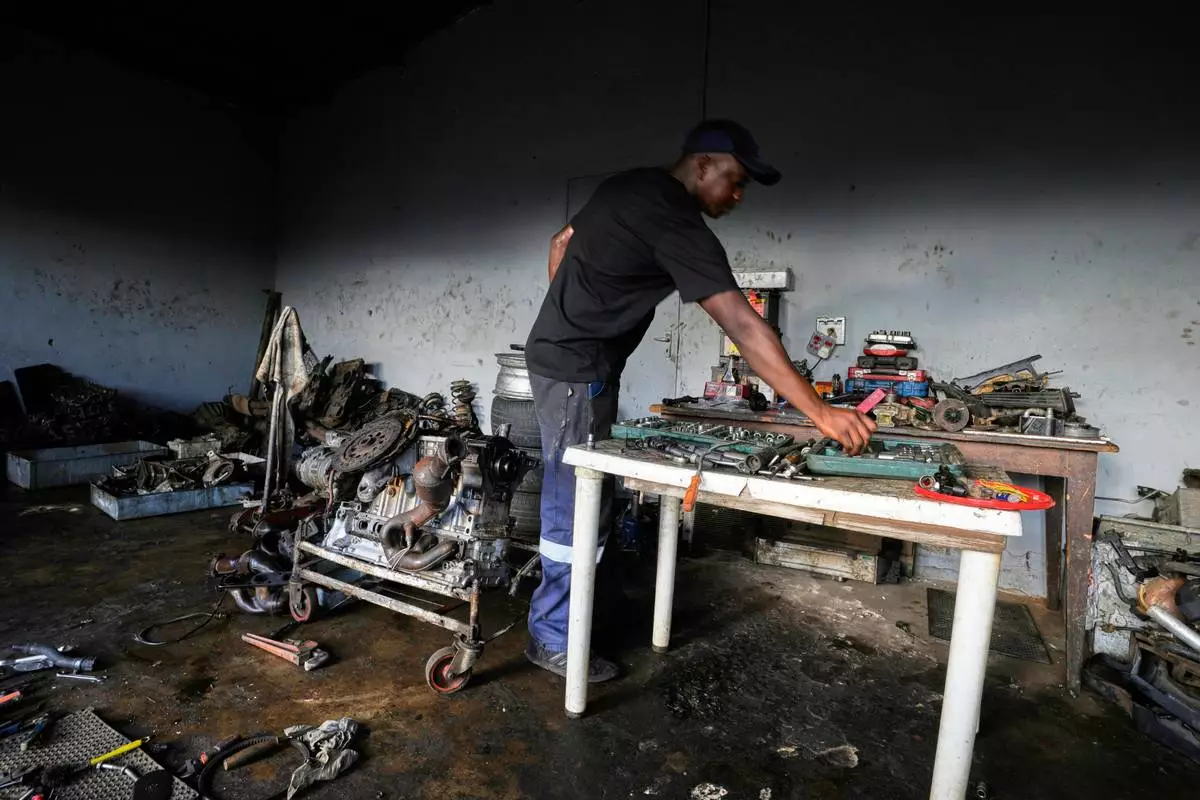
Themba Maseko, a 39-year-old mechanic, works inside his workshop in Brakpan, east of Johannesburg, South Africa, Wednesday, April 30, 2025. (AP Photo/Themba Hadebe)
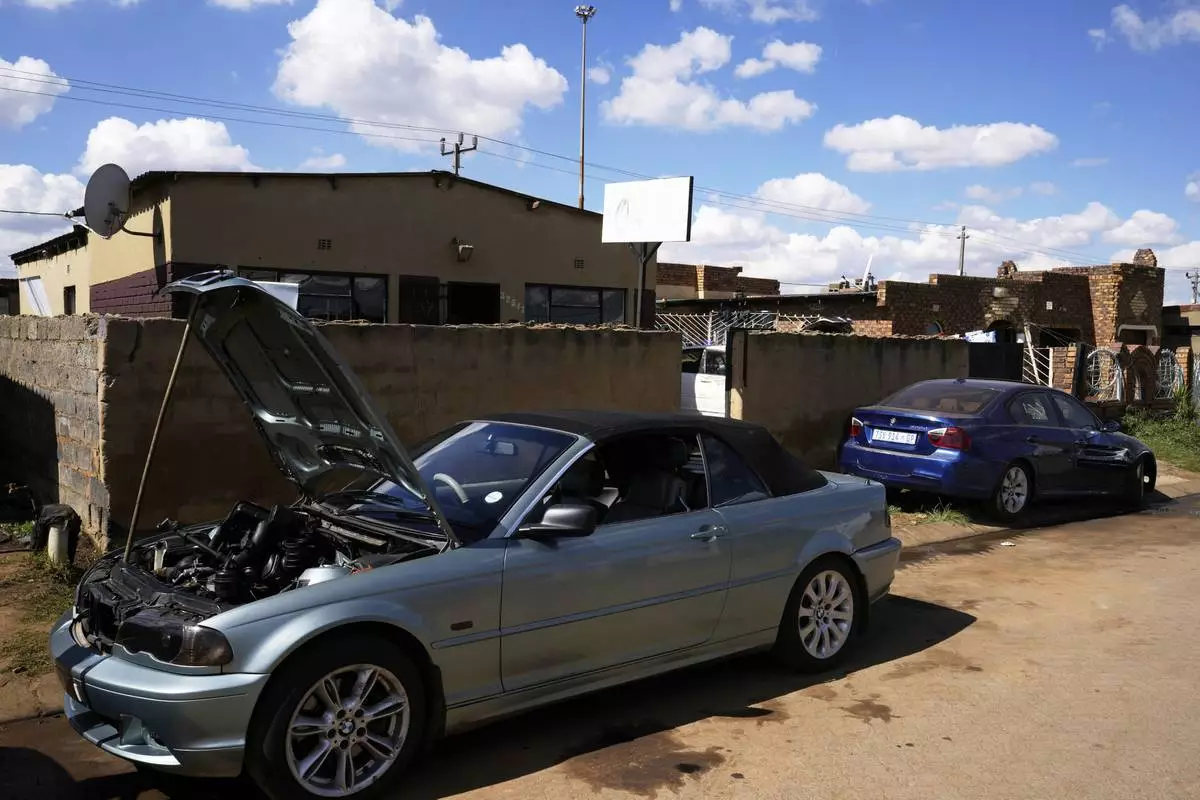
Cars to be repaired are parked outside the workshop of Themba Maseko, a 39-year-old mechanic, in Brakpan, east of Johannesburg, South Africa, Wednesday, April 30, 2025. (AP Photo/Themba Hadebe)
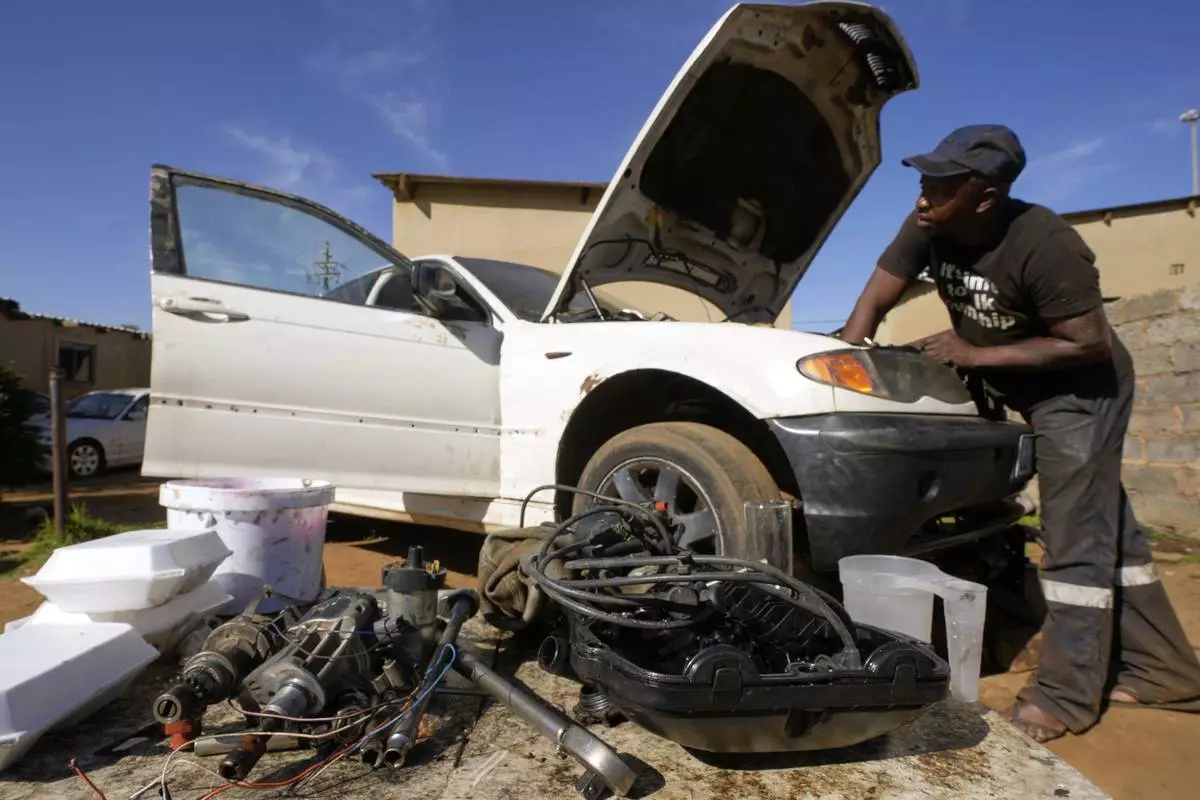
Themba Maseko, a 39-year-old mechanic, repairs a BMW car outside his workshop in Brakpan, east of Johannesburg, South Africa, Wednesday, May 14, 2025. (AP Photo/Themba Hadebe)
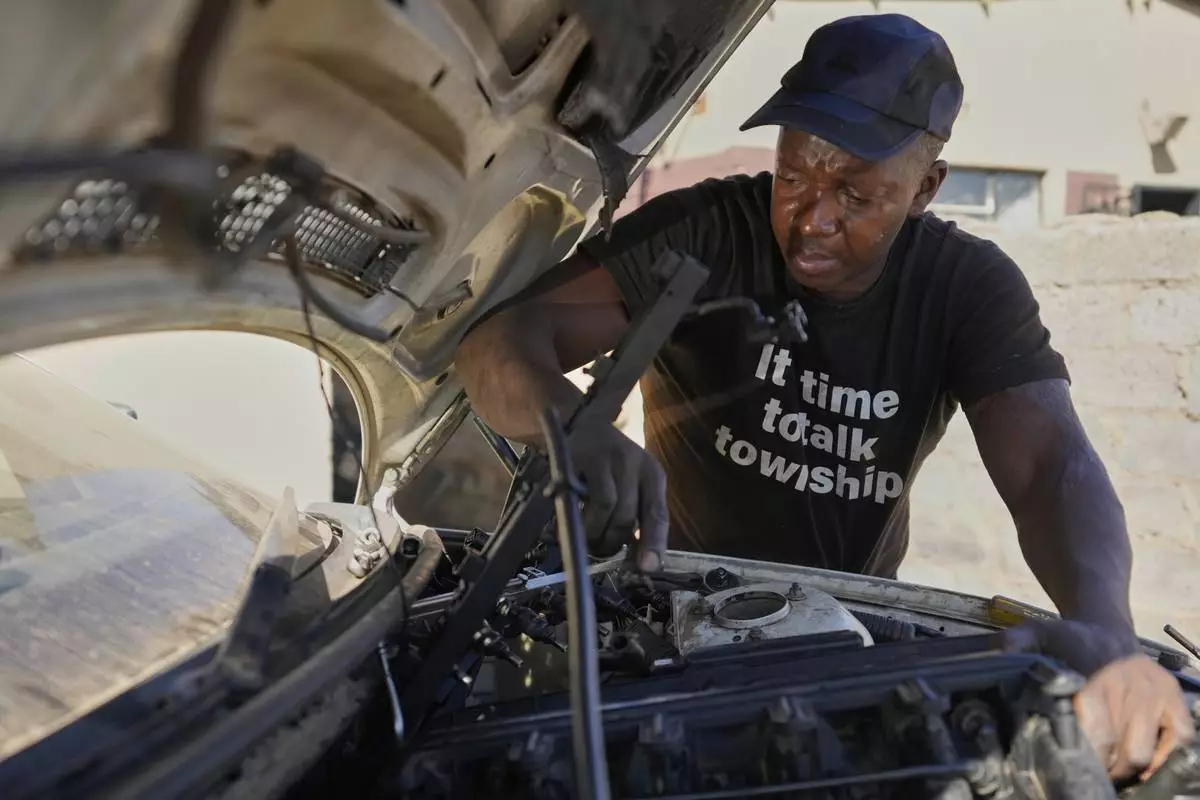
Themba Maseko, a 39-year-old mechanic, repairs a BMW car outside his workshop in Brakpan, east of Johannesburg, South Africa, Wednesday, May 14, 2025. (AP Photo/Themba Hadebe)
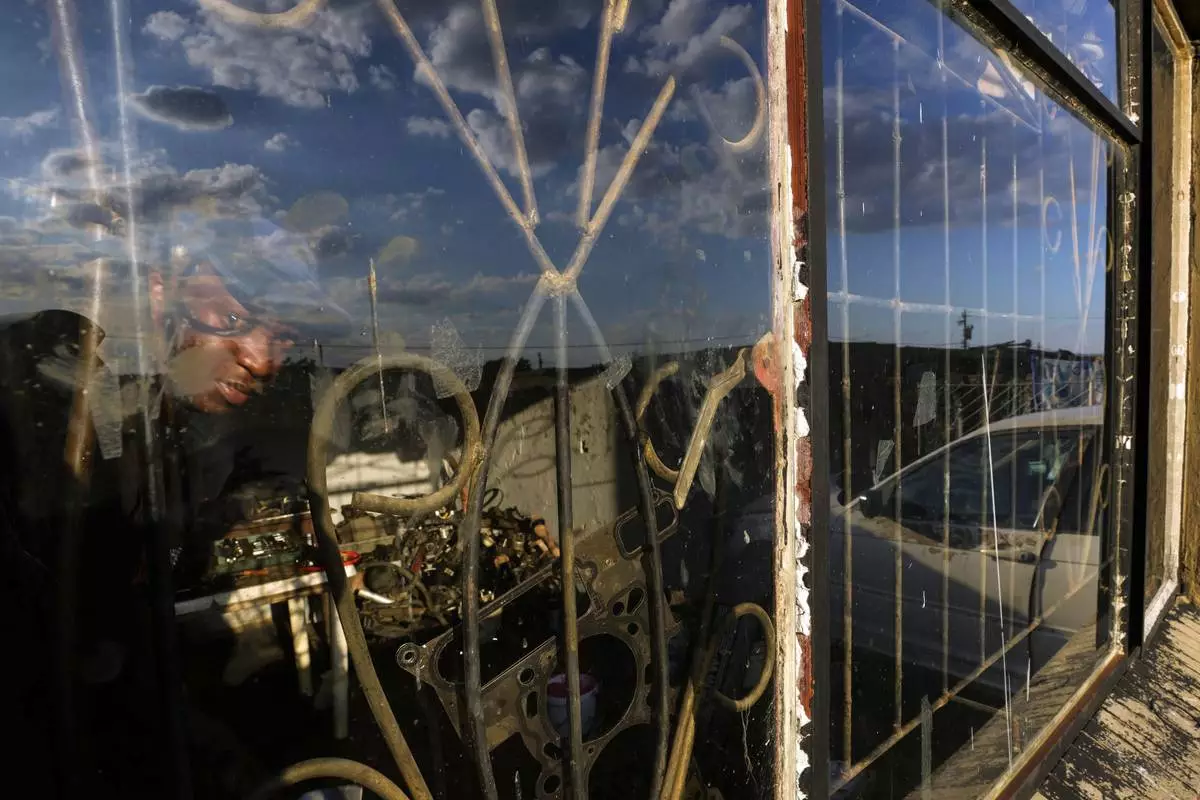
Themba Maseko, a 39-year-old mechanic, peeks through a window inside a workshop in Brakpan, east of Johannesburg, South Africa, Wednesday, April 30, 2025. (AP Photo/Themba Hadebe)