KYIV, Ukraine (AP) — Russian drones, missiles and artillery killed at least 26 civilians and injured more than 200 others in Ukraine, officials said Tuesday, as President Volodymyr Zelenskyy sought guarantees at a NATO summit of further Western help to repel Moscow’s invasion.
Russian forces have relentlessly struck civilian areas throughout the 3-year-old war. More than 12,000 Ukrainian civilians have been killed, according to the United Nations. Ukraine has also launched long-range drones against Russia, hitting residential areas.
Click to Gallery
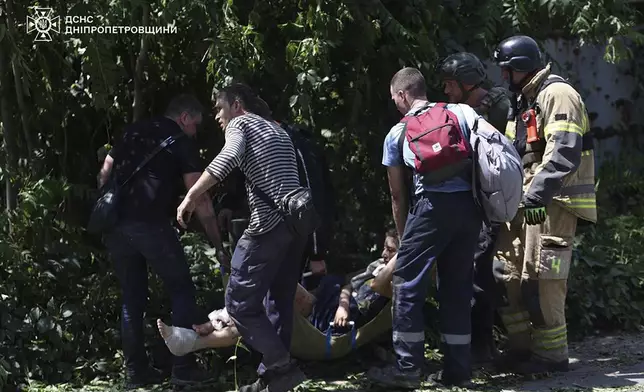
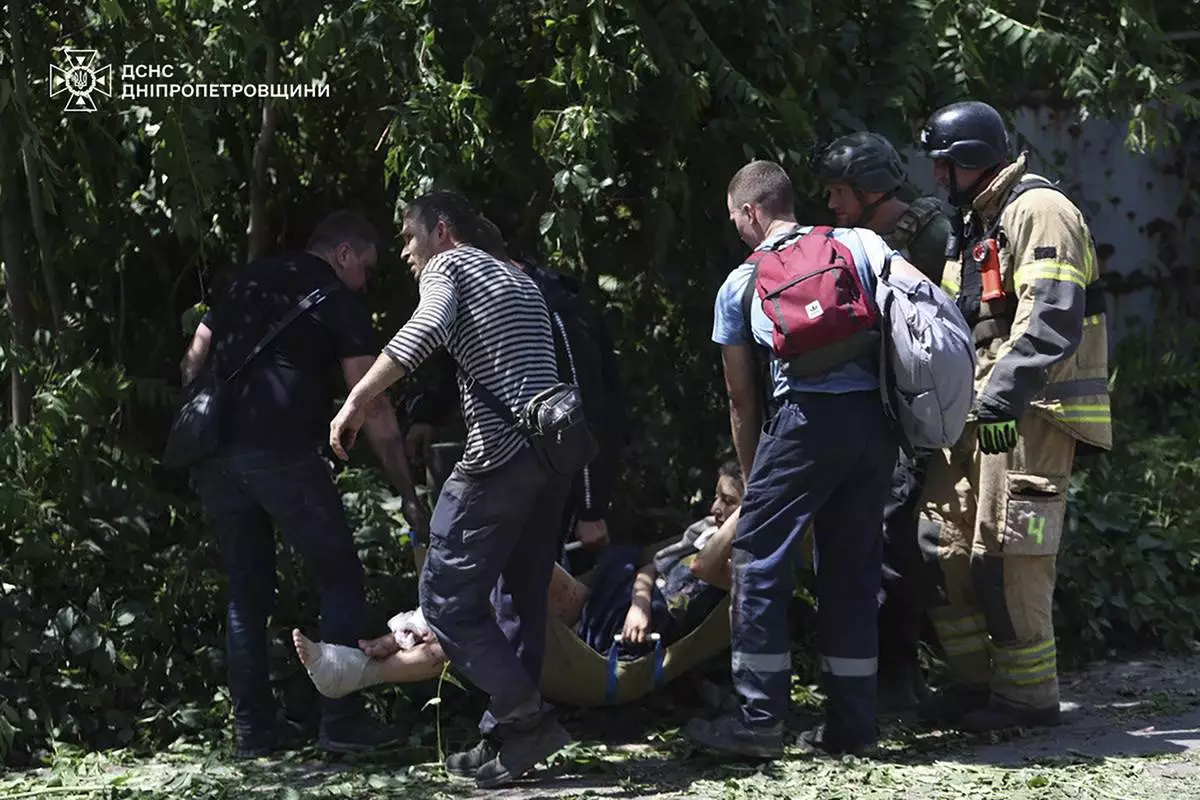
In this photo provided by the Ukrainian Emergency Service, rescuers carry an injured civilian following Russia's missile attack in Dnipro, Ukraine, Tuesday, June 24, 2025. (Ukrainian Emergency Service via AP)
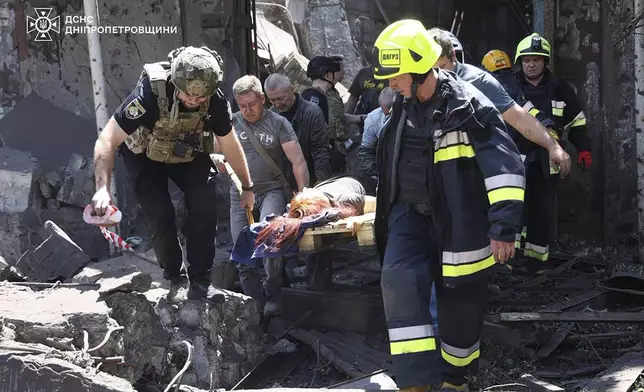
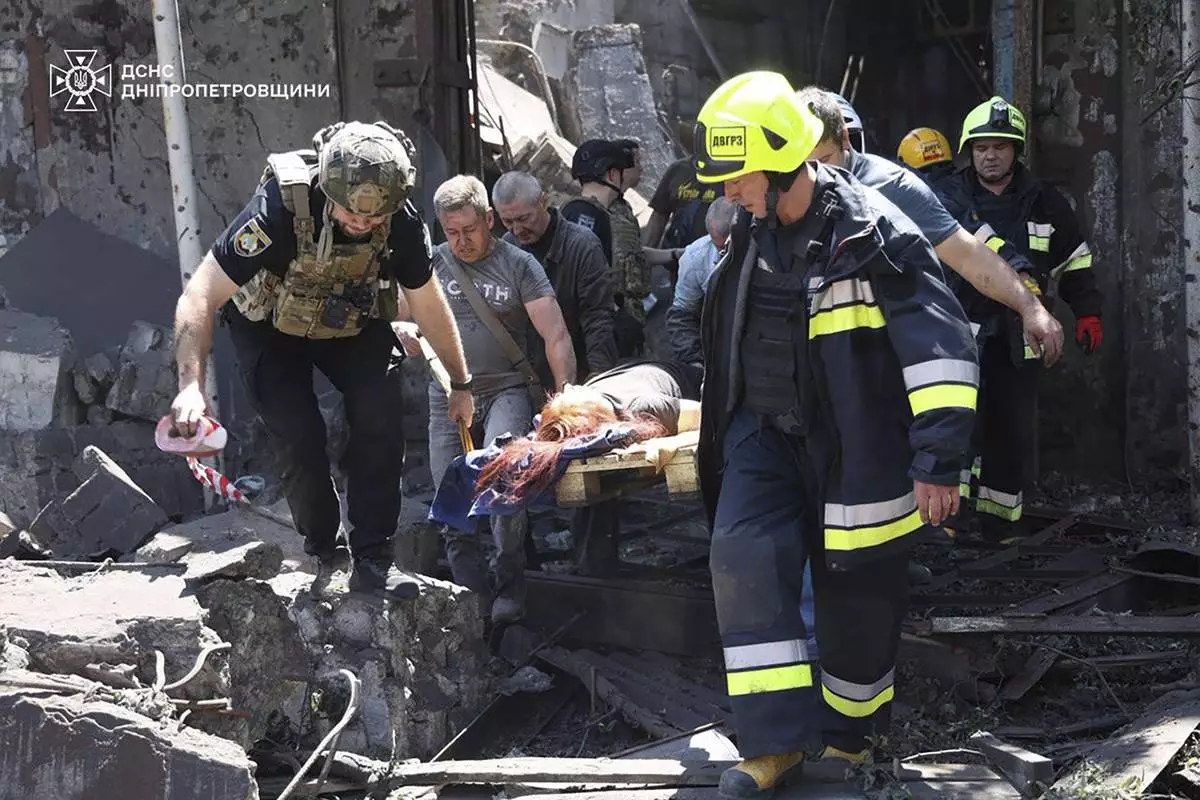
In this photo provided by the Ukrainian Emergency Service, rescuers carry an injured civilian following Russia's missile attack in Dnipro, Ukraine, Tuesday, June 24, 2025. (Ukrainian Emergency Service via AP)
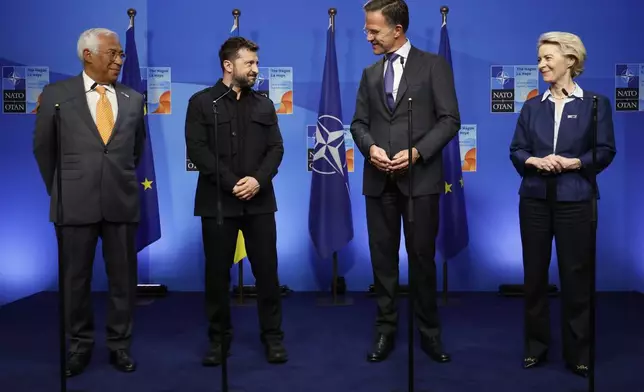
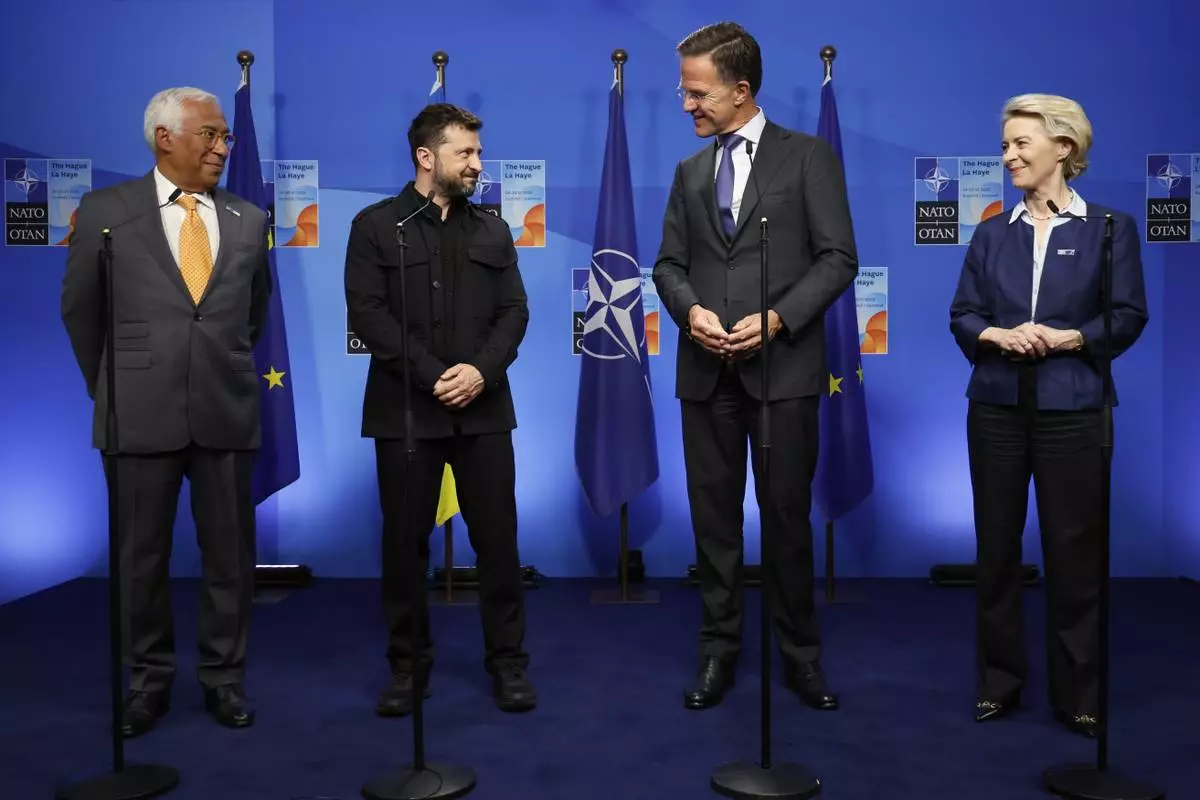
From left, European Council President Antonio Costa, Ukraine's President Volodymyr Zelenskyy, NATO Secretary General Mark Rutte and European Commission President Ursula von der Leyen pose for photographers prior to a meeting on the sidelines of the NATO summit in The Hague, Netherlands, Tuesday, June 24, 2025. (AP Photo/Geert Vanden Wijngaert)

Ukraine's President Volodymyr Zelenskyy, left, arrives at the Paleis Huis ten Bosch ahead of a dinner on the sidelines of the NATO summit in The Hague, Netherlands, Tuesday, June 24, 2025. (Remko de Waal, Pool Photo via AP)
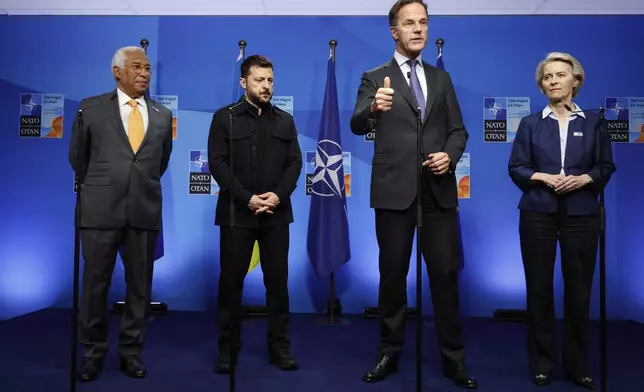
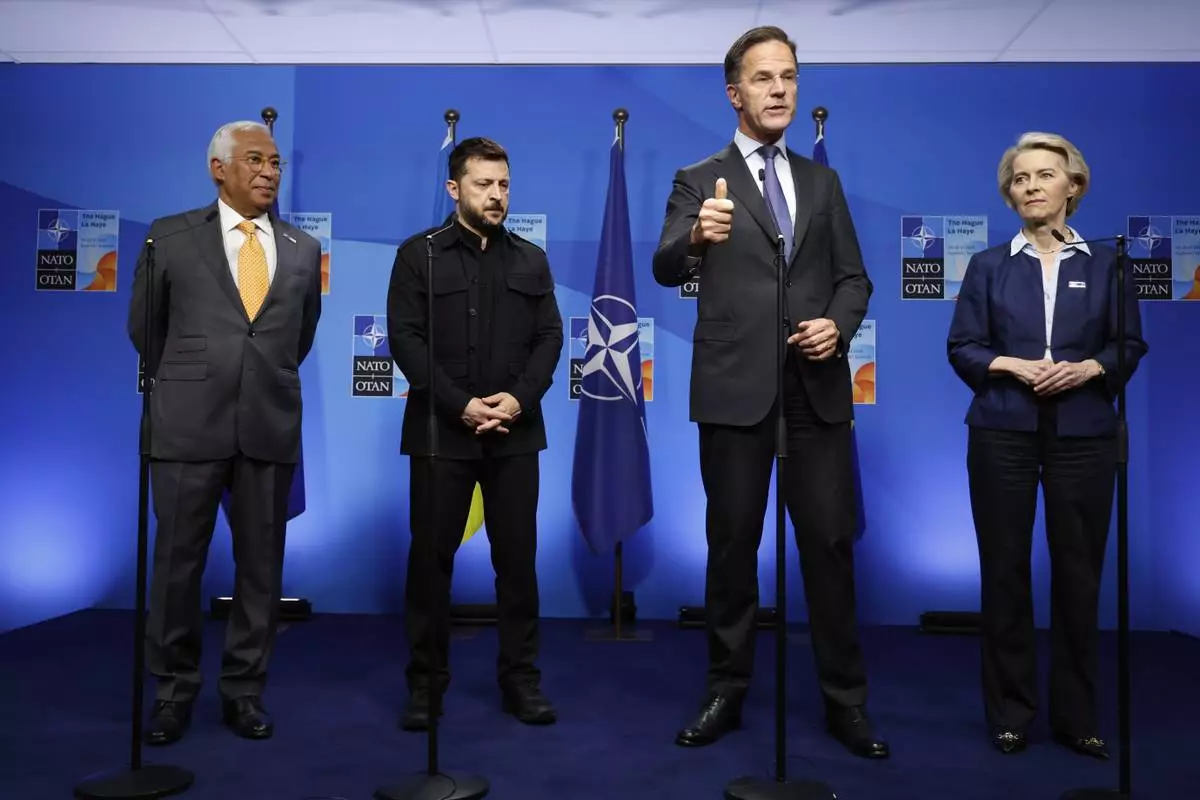
From left, European Council President Antonio Costa, Ukraine's President Volodymyr Zelenskyy, NATO Secretary General Mark Rutte and European Commission President Ursula von der Leyen speak prior to a meeting on the sidelines of the NATO summit in The Hague, Netherlands, Tuesday, June 24, 2025. (AP Photo/Geert Vanden Wijngaert)

Netherland's Prime Minister Dick Schoof, right, speaks with Ukraine's President Volodymyr Zelenskyy during a meeting at the Catshuis on the sidelines of the NATO summit in The Hague, Netherlands, Tuesday, June 24, 2025. (AP Photo/Markus Schreiber)
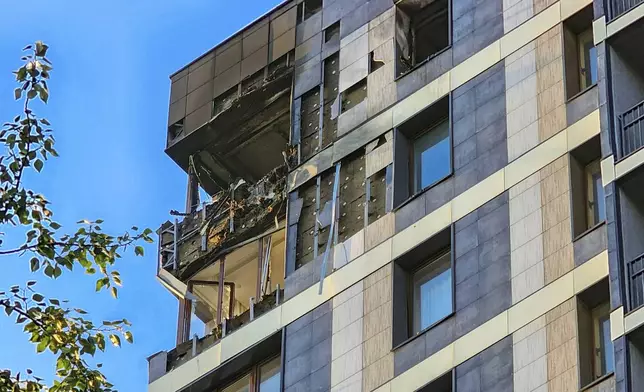
A view of the damaged flat of an apartment building where the Ukrainian drone fell in Krasnogorsk, just outside Moscow, Russia, on Tuesday, June 24, 2025. (Moscow News Agency via AP)
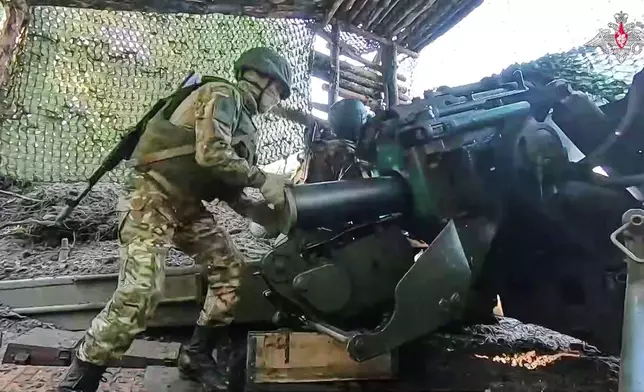
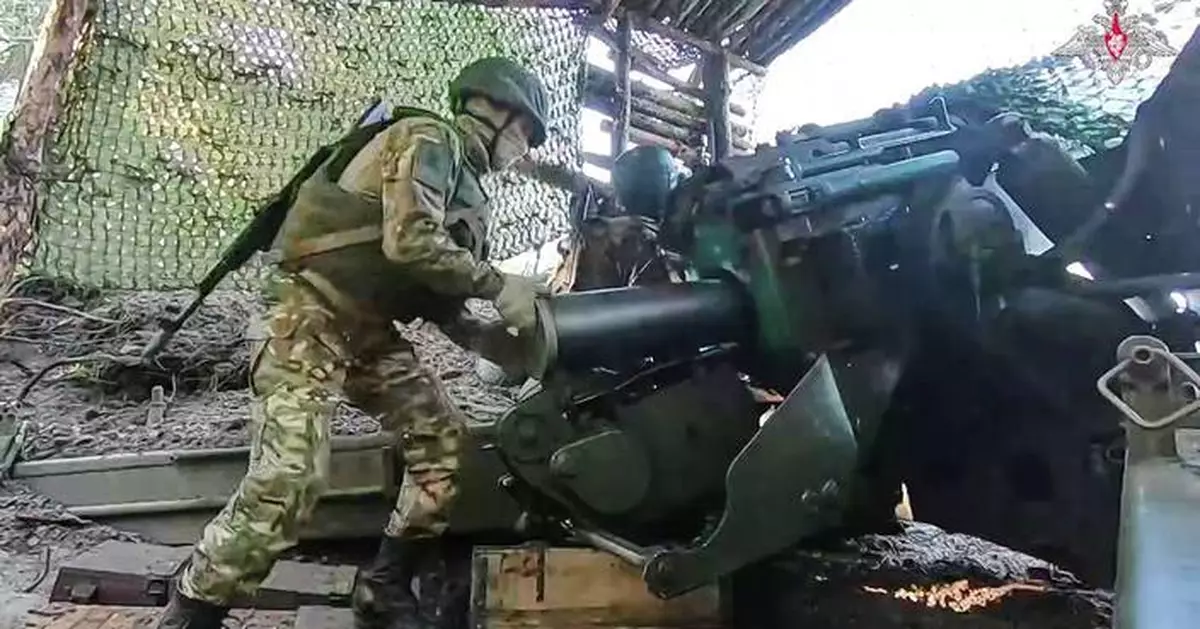
In this photo taken from video distributed by Russian Defense Ministry Press Service on Tuesday, June 24, 2025, a Russian soldier prepares Giatsint-B 152 mm field gun to fire towards Ukrainian position on an undisclosed location in Ukraine. (Russian Defense Ministry Press Service via AP)
Zelenskyy joined Western leaders at a NATO summit in The Hague, Netherlands, and is keen to lock in additional military support for Ukraine, as recent direct peace talks have made no progress on a settlement.
Key U.S. military commitments to Ukraine left over from the Biden administration are expected to run out within months, according to analysts, and there is uncertainty over whether U.S. President Donald Trump is willing to provide more.
A Russian ballistic missile attack on Dnipro hit multiple civilian sites in the central Ukrainian city around midday Tuesday, killing 17 people and injuring more than 200 others, officials said. “The number of casualties is constantly being updated,” Dnipro’s regional administration head Serhii Lysak wrote on Telegram.
In the nearby town of Samar, an attack killed two people and injured 14, he said.
The barrage damaged 19 schools, 10 kindergartens, a vocational school, a music school and a social welfare office, as well as eight medical facilities, according to Dnipro Mayor Borys Filatov. Schools are closed for the summer break.
One of the blasts blew out the windows of a passenger train carrying about 500 people. Filatov declared Wednesday to be an official day of mourning.
In a post on Telegram, Zelenskyy said Russia needs foreign components to build its ballistic missiles and he urged countries to crack down on Moscow's “schemes” to obtain them. “Sanctions against Russia must also be significantly strengthened,” he said.
Russia also shelled residential neighborhoods and critical infrastructure across Ukraine’s southern Kherson region, killing four civilians and wounding at least 11 others, according to Oleksandr Prokudin, head of the regional military administration.
In the Sumy region of northeastern Ukraine, a drone attack late Monday killed three civilians, including a 5-year-old boy, and injured six others, local authorities said. Among the injured were two 17-year-old girls and a 12-year-old boy, according to officials.
Russian air defense forces overnight shot down 20 Ukrainian drones, the Russian Defense Ministry reported Tuesday. It said 14 were downed over the Kursk region, which borders Ukraine, while two had been flying over the Moscow region.
One drone slammed into a tower block on the outskirts of the Russian capital, sparking a fire on its 17th floor, local Gov. Andrei Vorobyov said. He said a 34-year-old resident suffered shrapnel wounds to his arm and leg. Two other drones were shot down while approaching Moscow, according to Mayor Sergei Sobyanin.
Air traffic was briefly halted as a precaution at two major Moscow airports, Vnukovo and Sheremetyevo, according to a representative of Russia’s aviation authority Rosaviatsiya.
Follow AP’s coverage of the war in Ukraine at https://apnews.com/hub/russia-ukraine
In this photo provided by the Ukrainian Emergency Service, rescuers carry an injured civilian following Russia's missile attack in Dnipro, Ukraine, Tuesday, June 24, 2025. (Ukrainian Emergency Service via AP)
In this photo provided by the Ukrainian Emergency Service, rescuers carry an injured civilian following Russia's missile attack in Dnipro, Ukraine, Tuesday, June 24, 2025. (Ukrainian Emergency Service via AP)
From left, European Council President Antonio Costa, Ukraine's President Volodymyr Zelenskyy, NATO Secretary General Mark Rutte and European Commission President Ursula von der Leyen pose for photographers prior to a meeting on the sidelines of the NATO summit in The Hague, Netherlands, Tuesday, June 24, 2025. (AP Photo/Geert Vanden Wijngaert)

Ukraine's President Volodymyr Zelenskyy, left, arrives at the Paleis Huis ten Bosch ahead of a dinner on the sidelines of the NATO summit in The Hague, Netherlands, Tuesday, June 24, 2025. (Remko de Waal, Pool Photo via AP)
From left, European Council President Antonio Costa, Ukraine's President Volodymyr Zelenskyy, NATO Secretary General Mark Rutte and European Commission President Ursula von der Leyen speak prior to a meeting on the sidelines of the NATO summit in The Hague, Netherlands, Tuesday, June 24, 2025. (AP Photo/Geert Vanden Wijngaert)

Netherland's Prime Minister Dick Schoof, right, speaks with Ukraine's President Volodymyr Zelenskyy during a meeting at the Catshuis on the sidelines of the NATO summit in The Hague, Netherlands, Tuesday, June 24, 2025. (AP Photo/Markus Schreiber)
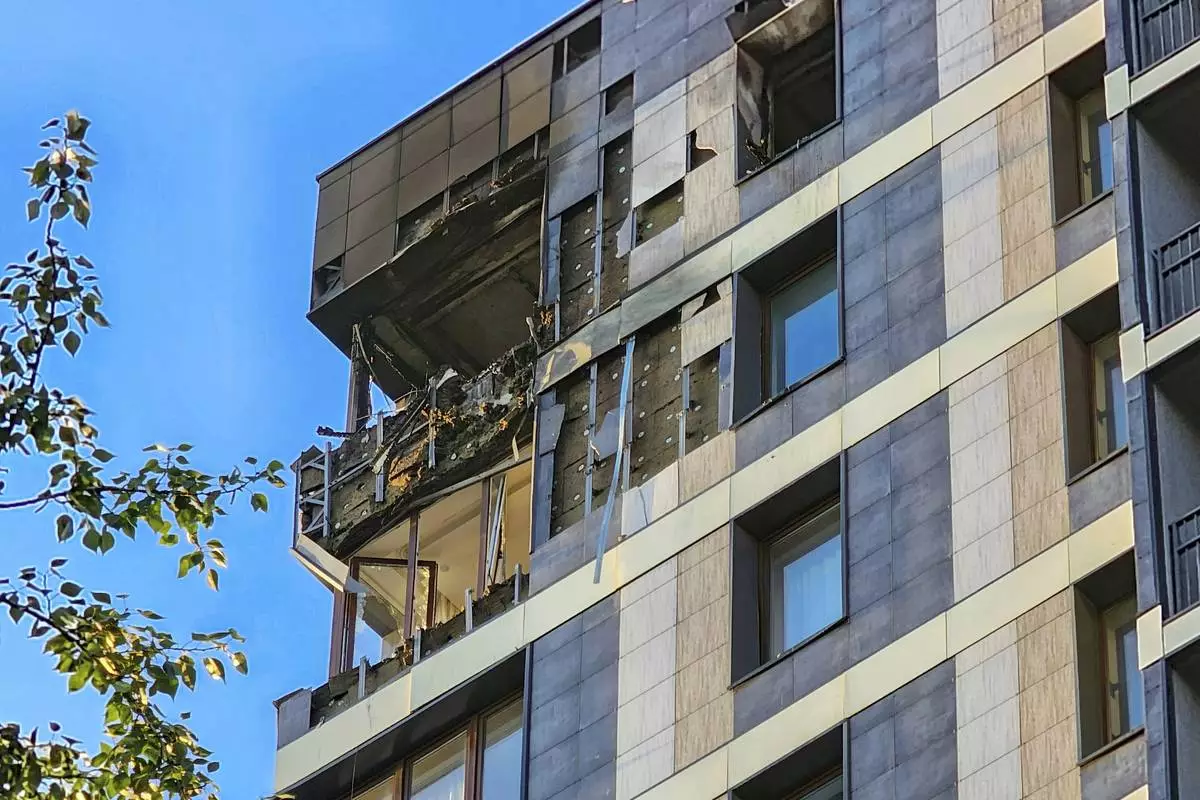
A view of the damaged flat of an apartment building where the Ukrainian drone fell in Krasnogorsk, just outside Moscow, Russia, on Tuesday, June 24, 2025. (Moscow News Agency via AP)
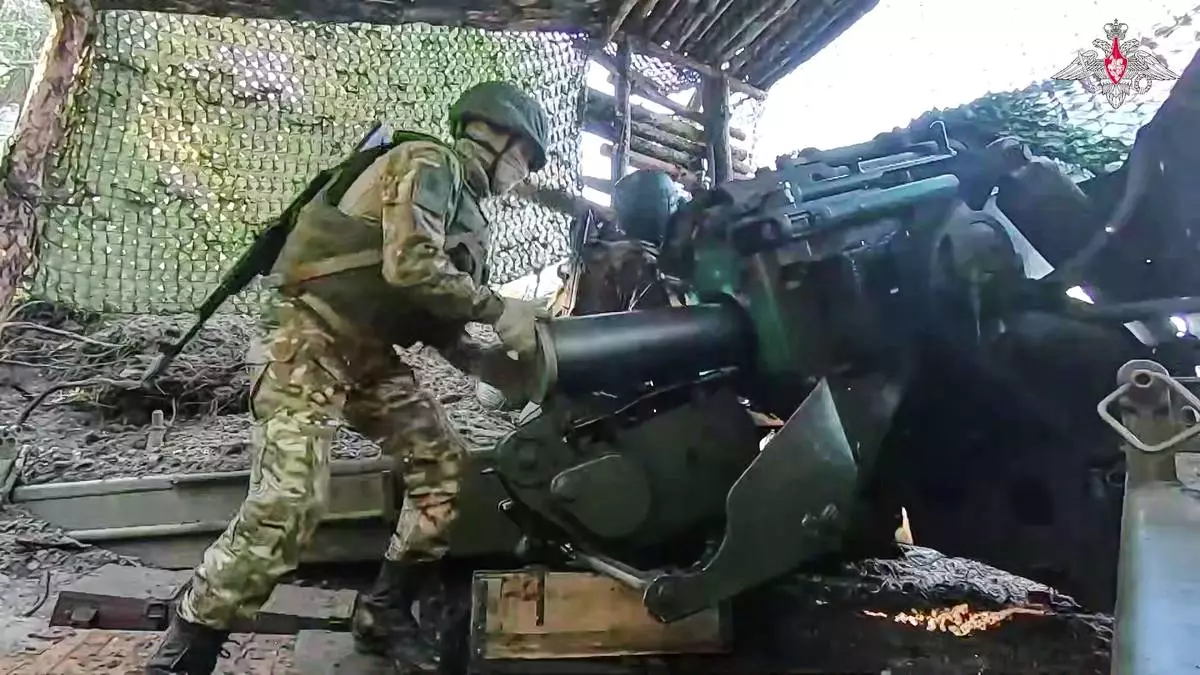
In this photo taken from video distributed by Russian Defense Ministry Press Service on Tuesday, June 24, 2025, a Russian soldier prepares Giatsint-B 152 mm field gun to fire towards Ukrainian position on an undisclosed location in Ukraine. (Russian Defense Ministry Press Service via AP)