NAIROBI, Kenya (AP) — At least eight Kenyans died and more than 80 others were receiving specialized treatment Wednesday, with some sustaining gunshot wounds, during countrywide protests against police brutality and poor governance, human rights groups said.
The state-funded Kenya National Commission on Human Rights reported monitoring countrywide demonstrations, leading to over 400 injuries and more than 60 arrests during Wednesday’s protests spreading across 23 of 47 counties.
Click to Gallery
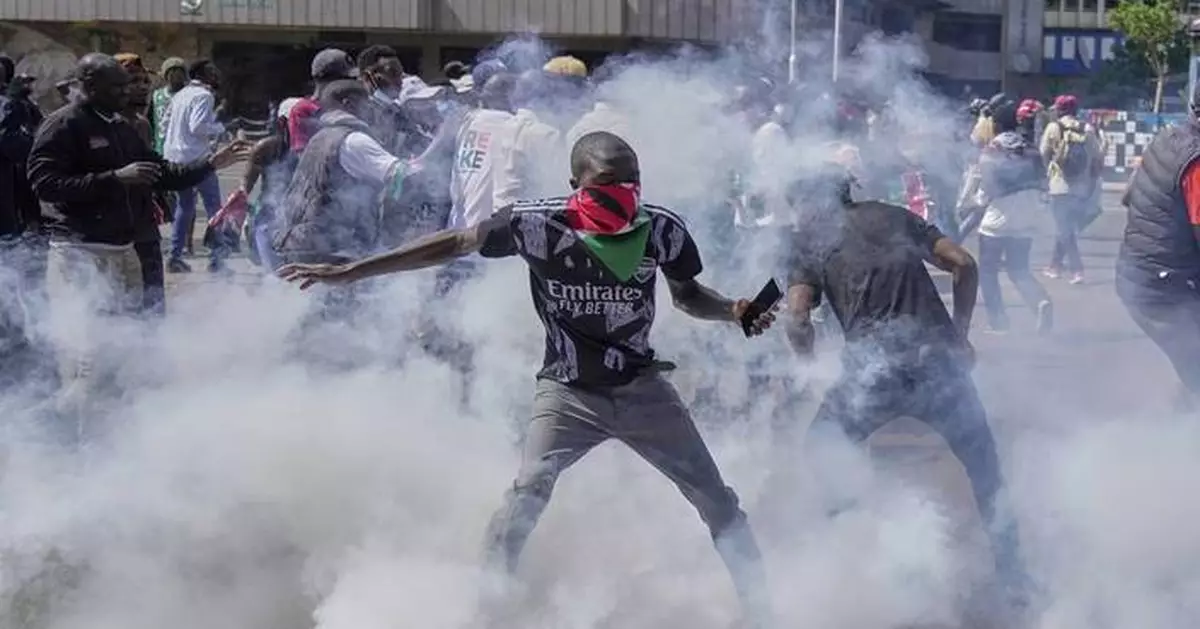
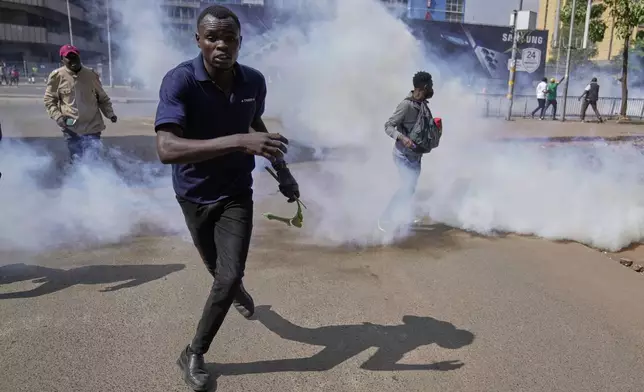
Protesters scatter as police fire teargas at them during a demonstration on the one-year anniversary of deadly anti-tax demonstrations in downtown Nairobi, Kenya, Wednesday, June 25, 2025. (AP Photo/Brian Inganga)
People protest for the one-year anniversary of deadly anti-tax demonstrations in Nairobi, Kenya, Wednesday, June 25, 2025. (AP Photo/Brian Inganga)
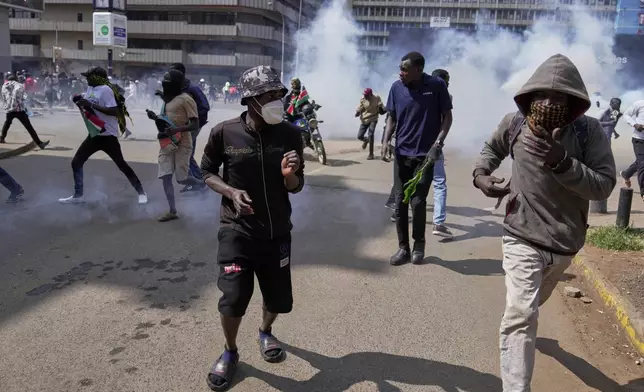
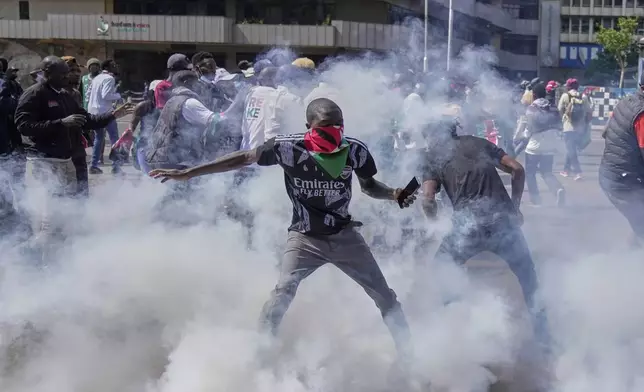
Protesters scatter as police fire teargas at them during a demonstration in downtown Nairobi, Kenya, Wednesday, June 25, 2025. (AP Photo/Brian Inganga)
Protesters scatter as police fire teargas at them during a demonstration in downtown Nairobi, Kenya, Wednesday, June 25, 2025. (AP Photo/Brian Inganga)
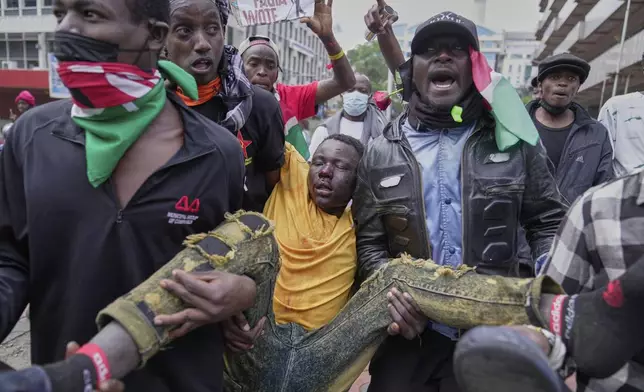
A man is carried by protesters after being beaten by anti riot police during a demonstration in downtown Nairobi, Kenya, Wednesday, June 25, 2025. (AP Photo/Brian Inganga)
Protesters scatter as police fire teargas at them during a demonstration in downtown Nairobi, Kenya, Wednesday, June 25, 2025. (AP Photo/Brian Inganga)
The protests were timed to mark the one-year anniversary of anti-tax demonstrations in which 60 people were killed and 20 others remain missing.
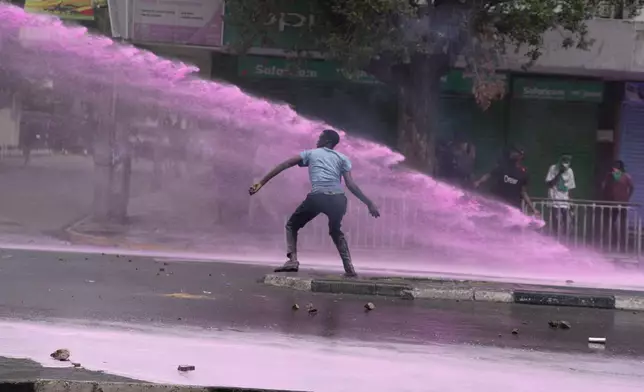
Parliament and the president’s office in Kenya’s capital, Nairobi, were barricaded with razor wire, with all access roads blockaded by police. Thousands of protesters clashed with police who hurled tear gas canisters and fired rounds and wielded batons, leaving several people injured.
The protests, which spread to major cities including Mombasa, Kisumu, Nakuru and Nyahururu, morphed into calls for the president to resign over poor governance.
During last year's protests, demonstrators stormed Parliament where legislation to increase taxes was passed, burning part of the building as lawmakers fled. Bodies lay in the streets, and medical workers and watchdogs said police had opened fire. The military was deployed.
Kenyan youth remain unhappy with the current administration due to corruption, rising cost of living and police brutality, and the recent death of a blogger in custody. The close-range shooting of a civilian during recent protests has exacerbated public anger.
President William Ruto on Wednesday urged protesters not to “destroy” the country.
“We do not have another country to go to when things go wrong. It is our responsibility to keep our country safe,” he said while attending a burial in coastal Kenya as protesters charged towards his Nairobi office.
Young Kenyans used social media to plan protests in remembrance of those who died last year. The government spokesperson, Isaac Mwaura, on Monday said there would be no protests, and that Wednesday was a “normal working day.”
But businesses in Nairobi on Wednesday remained closed and police limited the movement of vehicles into the central business district. Hundreds of Kenyans were already on the streets early in the morning, chanting anti-government slogans as police hurled tear gas canisters at some of the crowds.
An Associated Press journalist witnessed a demonstrator being injured in the mouth by a round fired by police toward a crowd. Another protester was clobbered on the head by anti-riot police and was taken by medics in an ambulance.
Wangechi Kahuria, the executive director for the Independent Medico-Legal Unit, an NGO that tracked killings during protests, said that Kenyans should be “allowed to mourn and go back home.”
Police Inspector General Douglas Kanja on Tuesday said no unauthorized persons would be allowed inside protected zones such as Parliament and the statehouse.
A protester, Rose Murugi, said police were part of the problem, adding, "We will say it boldly, we will say it courageously, police brutality must end and Ruto must go.”
Another protester, Derrick Mwangi, 25, said “we are fed up as the youth.”
“People are being abducted, people are being killed," he said. "The police have started using force which is very bad at this rate.”
Local media on Wednesday published the names and photos of some of those who died during last year’s protests. The headline of a major newspaper, The Standard, read “A luta Continua," which means “The struggle continues” in Portuguese. It was the slogan of rebels during Mozambique's struggle for independence from colonial rule.
During the protests, the Communication Authority banned the live coverage of demonstrations and switched off some of the free-to-air television signals, drawing condemnation from human rights groups.
Political analyst Herman Manyora called the protesters “heroes” who paid the ultimate price and should be remembered.
“The authorities should work with the demonstrators to ensure a good commemoration,” he said.
Manyora, however, warned that the protesters remain unhappy with the authorities because the “government has been intransigent and has hardened the resolve of the young people to keep fighting.”
During last year’s protests, President Ruto dissolved the Cabinet that had been accused of incompetence and corruption but kept most of his previous ministers in his new Cabinet despite concerns.
A finance bill proposing high taxes that had been passed by Parliament was withdrawn, but later in the year, more taxes were introduced through legislative amendments.
President Ruto appointed opposition party members to the Cabinet last year and in March he signed a political pact with his election rival, opposition leader Raila Odinga.
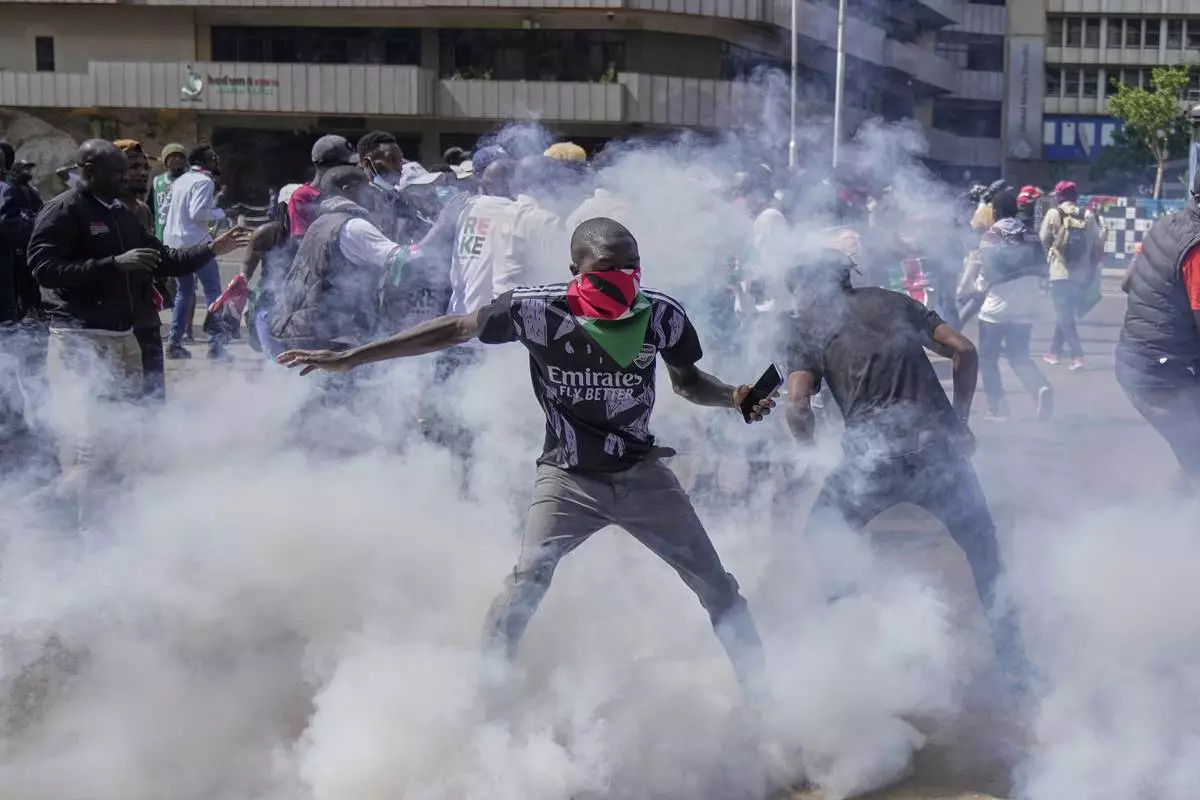
Protesters scatter as police fire teargas at them during a demonstration on the one-year anniversary of deadly anti-tax demonstrations in downtown Nairobi, Kenya, Wednesday, June 25, 2025. (AP Photo/Brian Inganga)
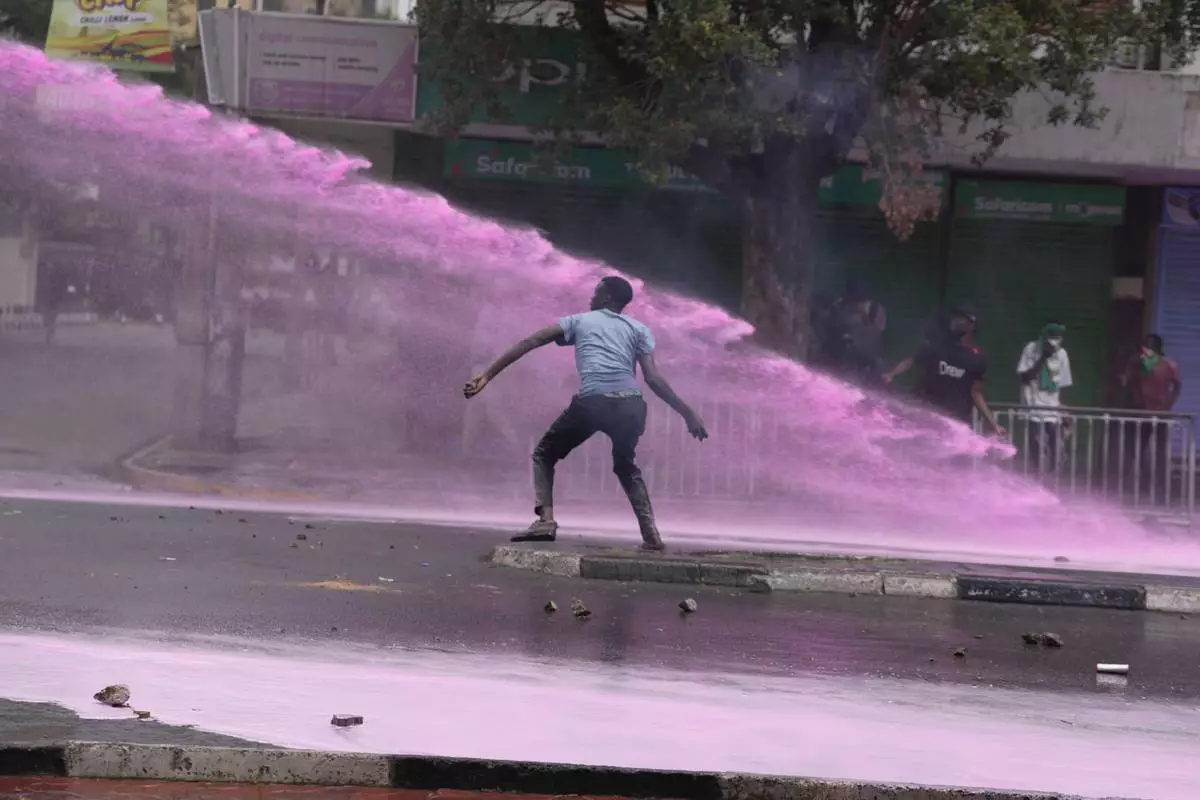
People protest for the one-year anniversary of deadly anti-tax demonstrations in Nairobi, Kenya, Wednesday, June 25, 2025. (AP Photo/Brian Inganga)
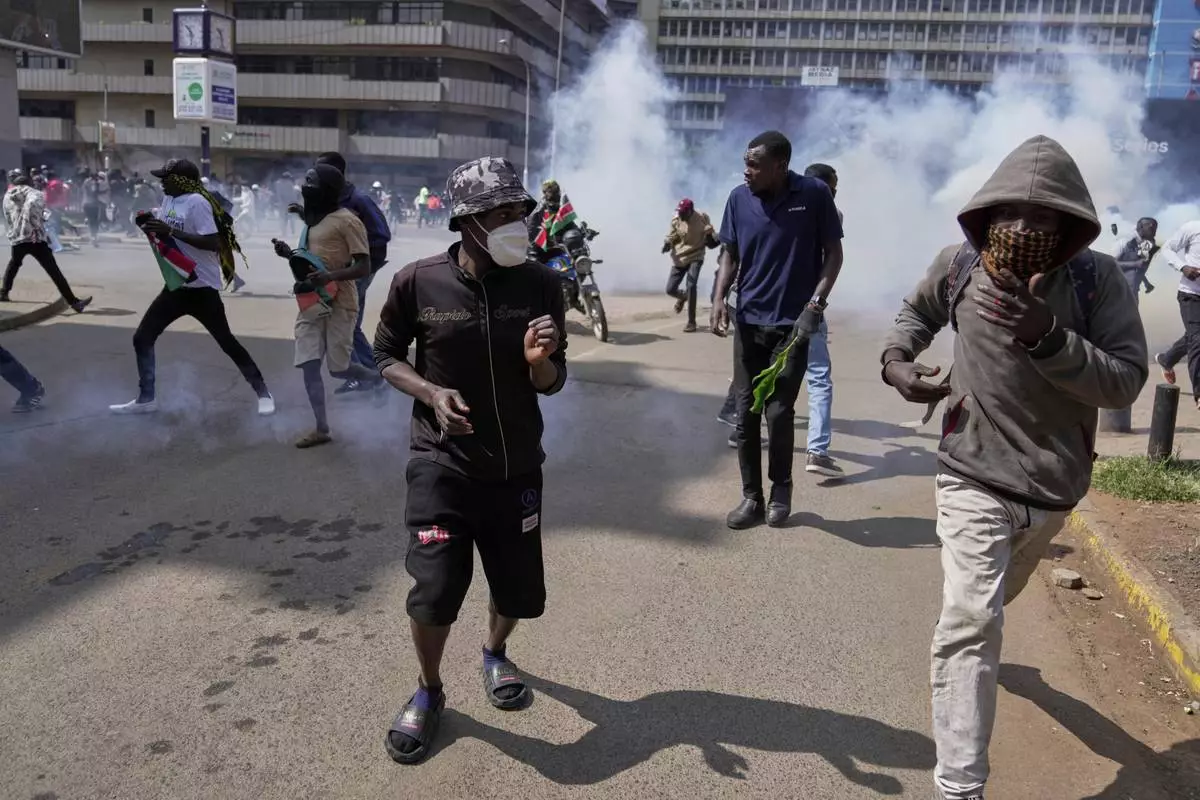
Protesters scatter as police fire teargas at them during a demonstration in downtown Nairobi, Kenya, Wednesday, June 25, 2025. (AP Photo/Brian Inganga)
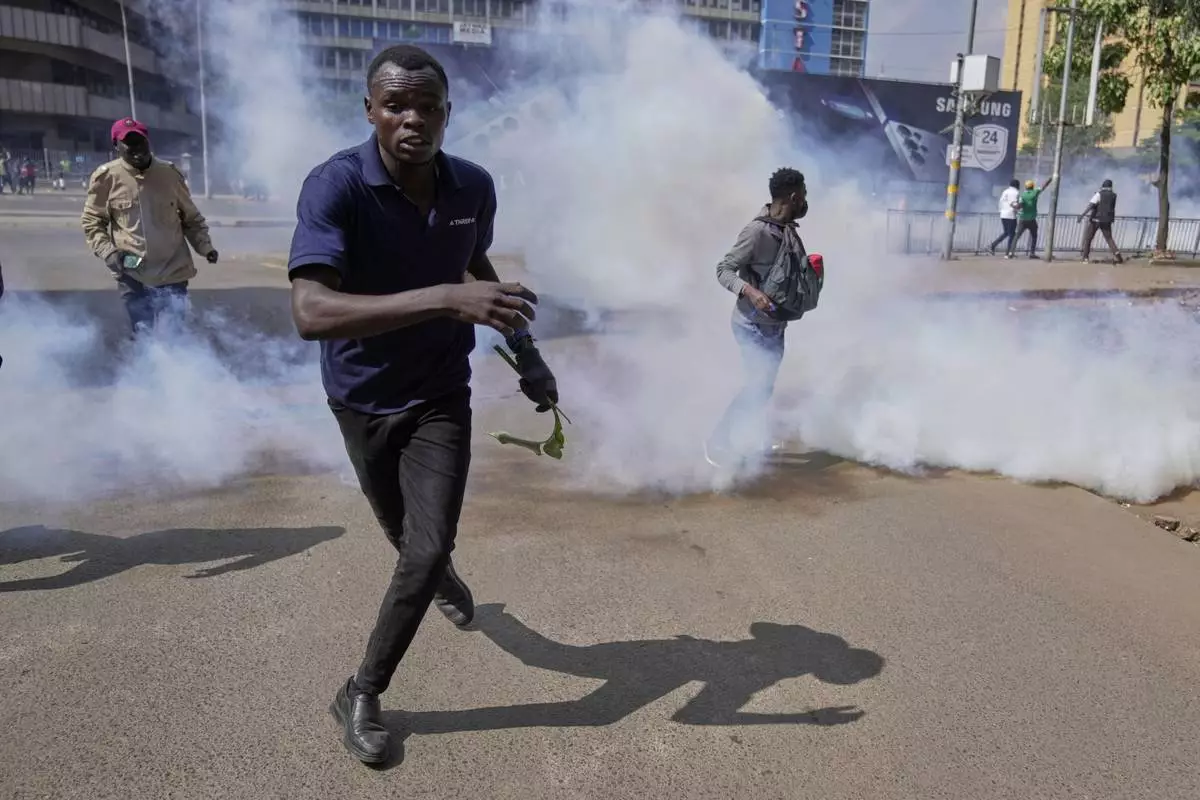
Protesters scatter as police fire teargas at them during a demonstration in downtown Nairobi, Kenya, Wednesday, June 25, 2025. (AP Photo/Brian Inganga)
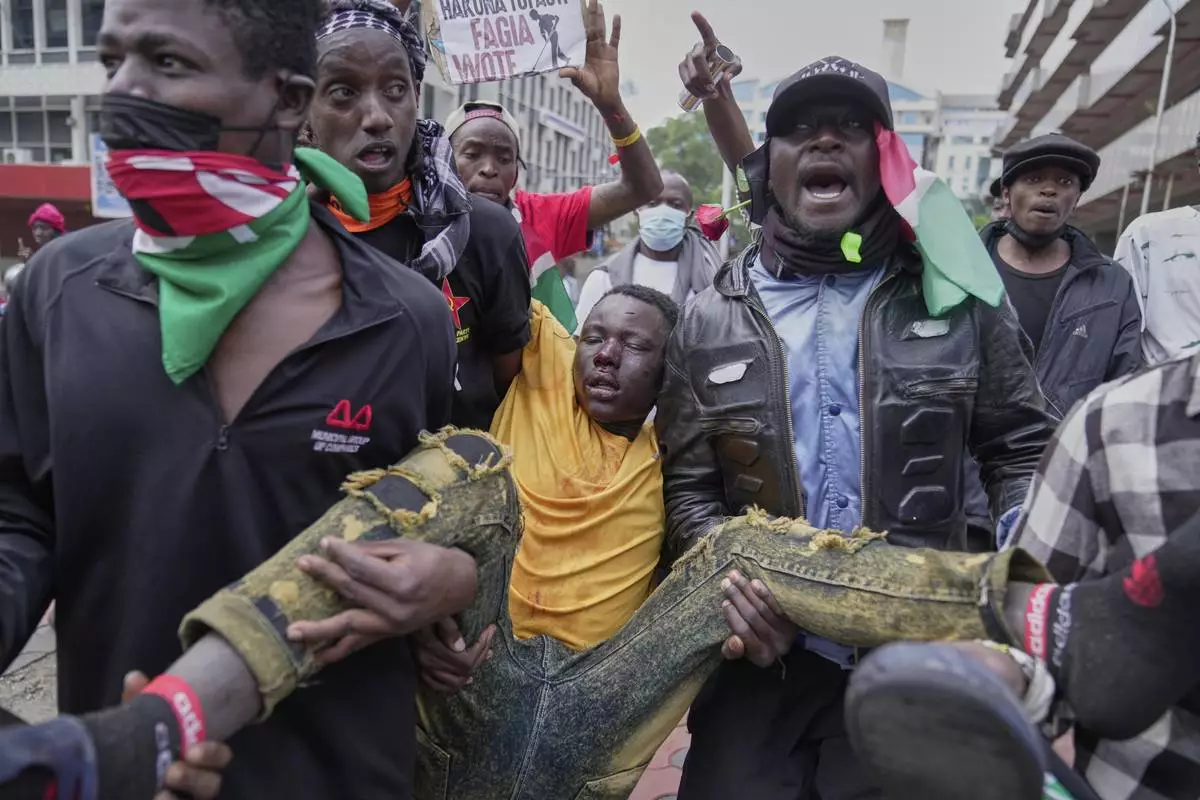
A man is carried by protesters after being beaten by anti riot police during a demonstration in downtown Nairobi, Kenya, Wednesday, June 25, 2025. (AP Photo/Brian Inganga)
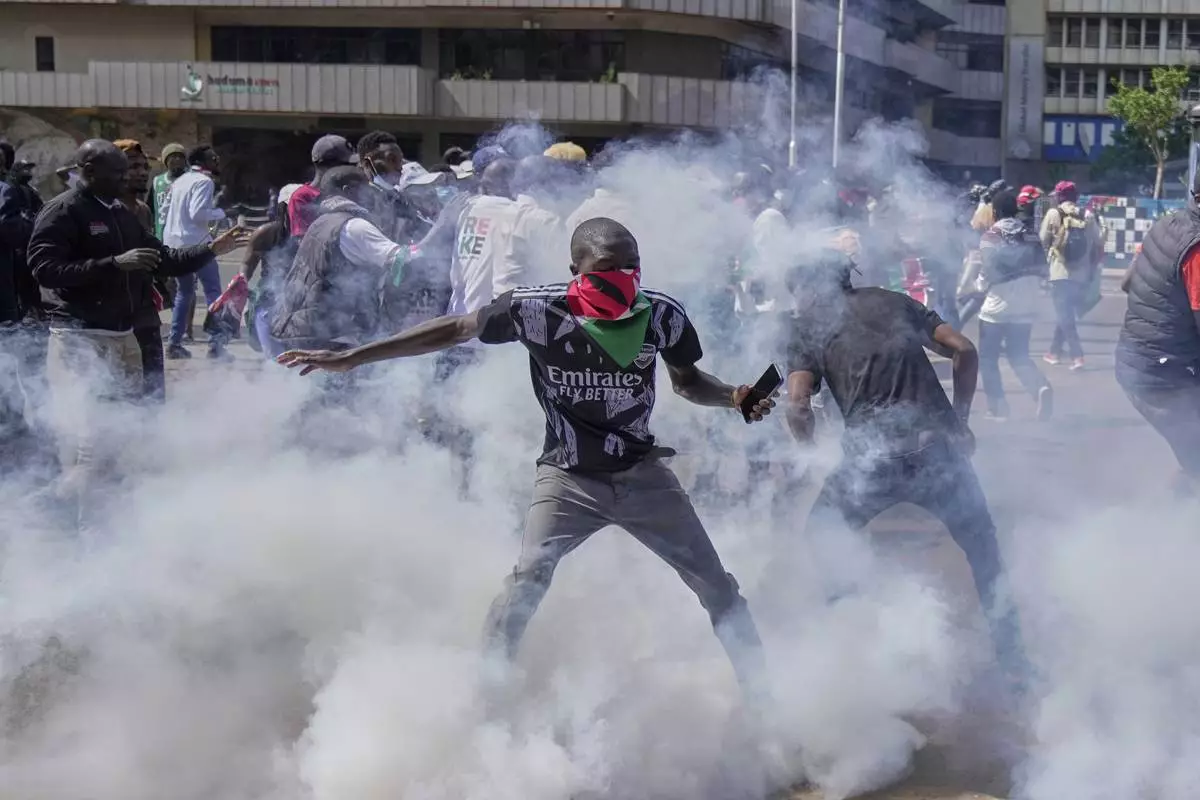
Protesters scatter as police fire teargas at them during a demonstration in downtown Nairobi, Kenya, Wednesday, June 25, 2025. (AP Photo/Brian Inganga)
MINNEAPOLIS (AP) — Federal agents carrying out immigration arrests in Minnesota's Twin Cities region already shaken by the fatal shooting of a woman rammed the door of one home Sunday and pushed their way inside, part of what the Department of Homeland Security has called its largest enforcement operation ever.
In a dramatic scene similar to those playing out across Minneapolis, agents captured a man in the home just minutes after pepper spraying protesters outside who had confronted the heavily armed federal agents. Along the residential street, protesters honked car horns, banged on drums and blew whistles in attempts to disrupt the operation.
Video of the clash taken by The Associated Press showed some agents pushing back protesters while a distraught woman later emerged from the house with a document that federal agents presented to arrest the man. Signed by an immigration officer, the document — unlike a warrant signed by a judge — does not authorize forced entry into a private residence. A warrant signed by an immigration officer only authorizes arrest in a public area.
Immigrant advocacy groups have conducted extensive “know-your-rights” campaigns urging people not to open their doors unless agents have a court order signed by a judge.
But within minutes of ramming the door in a neighborhood filled with single-family homes, the handcuffed man was led away.
More than 2,000 immigration arrests have been made in Minnesota since the enforcement operation began at the beginning of December, said Homeland Security spokesperson Tricia McLaughlin.
Homeland Security Secretary Kristi Noem told Fox News on Sunday that the administration would send additional federal agents to Minnesota to protect immigration officers and continue enforcement.
The Twin Cities — the latest target in President Donald Trump’s immigration enforcement campaign — is bracing for what is next after 37-year-old Renee Good was shot and killed by an immigration officer on Wednesday.
“We’re seeing a lot of immigration enforcement across Minneapolis and across the state, federal agents just swarming around our neighborhoods,” said Jason Chavez, a Minneapolis city councilmember. “They’ve definitely been out here.”
Chavez, the son of Mexican immigrants who represents an area with a growing immigrant population, said he is closely monitoring information from chat groups about where residents are seeing agents operating.
People holding whistles positioned themselves in freezing temperatures on street corners Sunday in the neighborhood where Good was killed, watching for any signs of federal agents.
More than 20,000 people have taken part in a variety of trainings to become “observers” of enforcement activities in Minnesota since the 2024 election, said Luis Argueta, a spokesperson for Unidos MN, a local human rights organization .
“It’s a role that people choose to take on voluntarily, because they choose to look out for their neighbors,” Argueta said.
The protests have been largely peaceful, but residents remained anxious. On Monday, Minneapolis public schools will start offering remote learning for the next month in response to concerns that children might feel unsafe venturing out while tensions remain high.
Many schools closed last week after Good’s shooting and the upheaval that followed.
While the enforcement activity continues, two of the state’s leading Democrats said that the investigation into Good's shooting death should not be overseen solely by the federal government.
Minneapolis Mayor Jacob Frey and U.S. Sen. Tina Smith said in separate interviews Sunday that state authorities should be included in the investigation because the federal government has already made clear what it believes happened.
“How can we trust the federal government to do an objective, unbiased investigation, without prejudice, when at the beginning of that investigation they have already announced exactly what they saw — what they think happened," Smith said on ABC’s "This Week."
The Trump administration has defended the officer who shot Good in her car, saying he was protecting himself and fellow agents and that Good had “weaponized” her vehicle.
Todd Lyons, acting director of U.S. Immigration and Customs Enforcement, defended the officer on Fox News Channel’s “The Sunday Briefing.”
"That law enforcement officer had milliseconds, if not short time to make a decision to save his life and his other fellow agents,” he said.
Lyons also said the administration’s enforcement operations in Minnesota wouldn't be needed “if local jurisdictions worked with us to turn over these criminally illegal aliens once they are already considered a public safety threat by the locals.”
The killing of Good by an ICE officer and the shooting of two people by federal agents in Portland, Oregon, led to dozens of protests in cities across the country over the weekend, including New York, Los Angeles, Washington D.C. and Oakland, California.
Contributing were Associated Press journalists Giovanna Dell’Orto in Minneapolis; Thomas Strong in Washington; Bill Barrow in Atlanta; Christopher Weber in Los Angeles; and John Seewer in Toledo, Ohio.
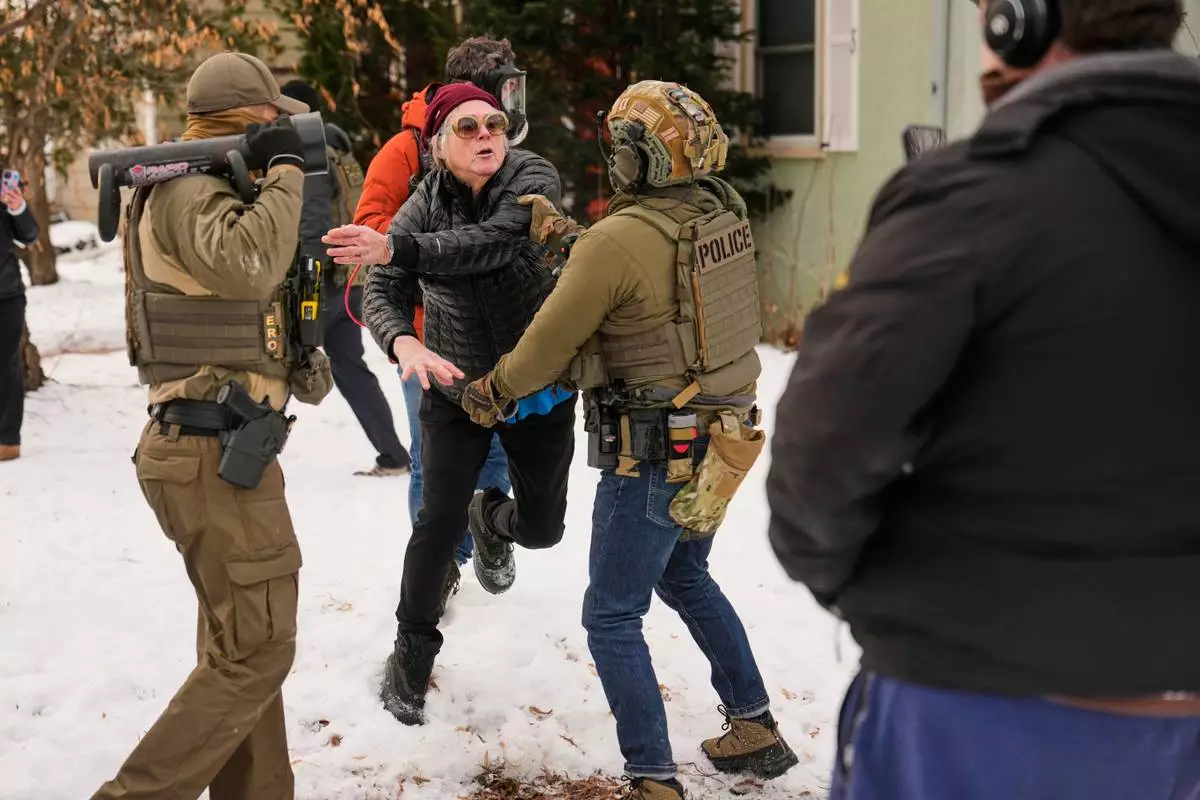
A woman gets into an altercation with a federal immigration officer as officers make an arrest Sunday, Jan. 11, 2026, in Minneapolis. (AP Photo/John Locher)
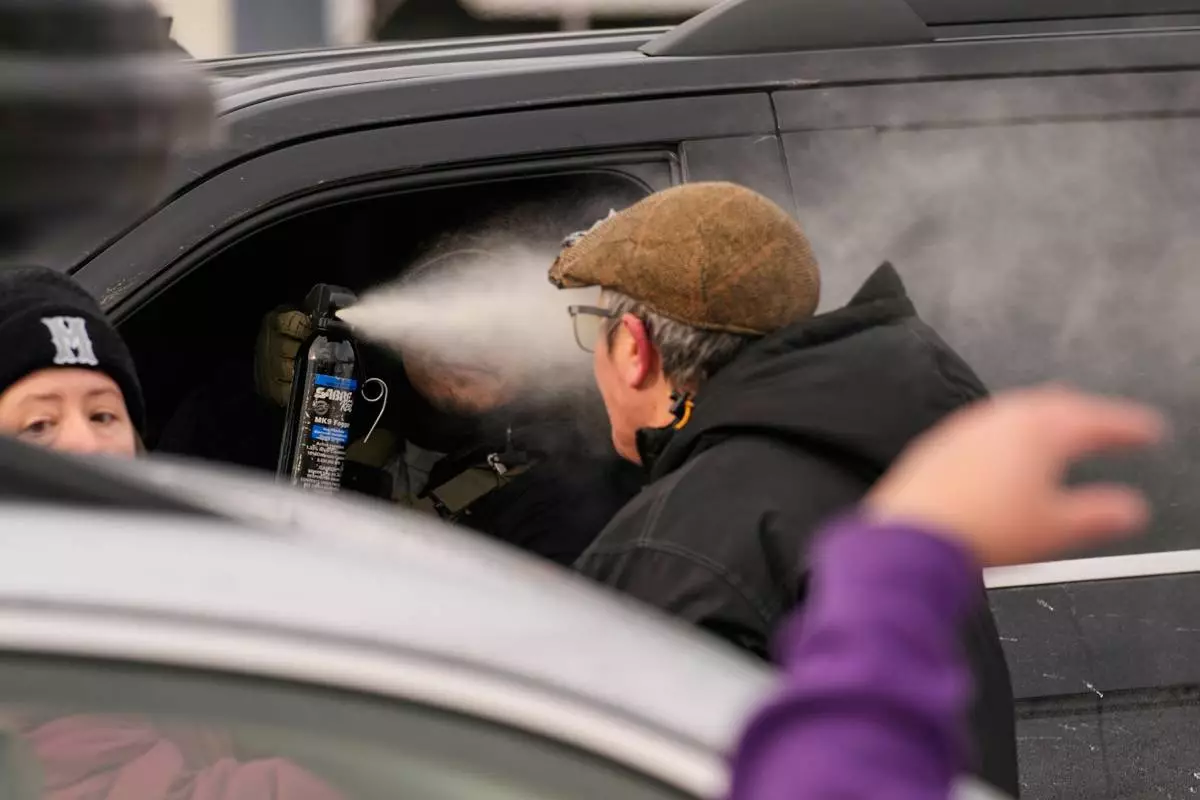
A federal immigration officer deploys pepper spray as officers make an arrest Sunday, Jan. 11, 2026, in Minneapolis. (AP Photo/John Locher)
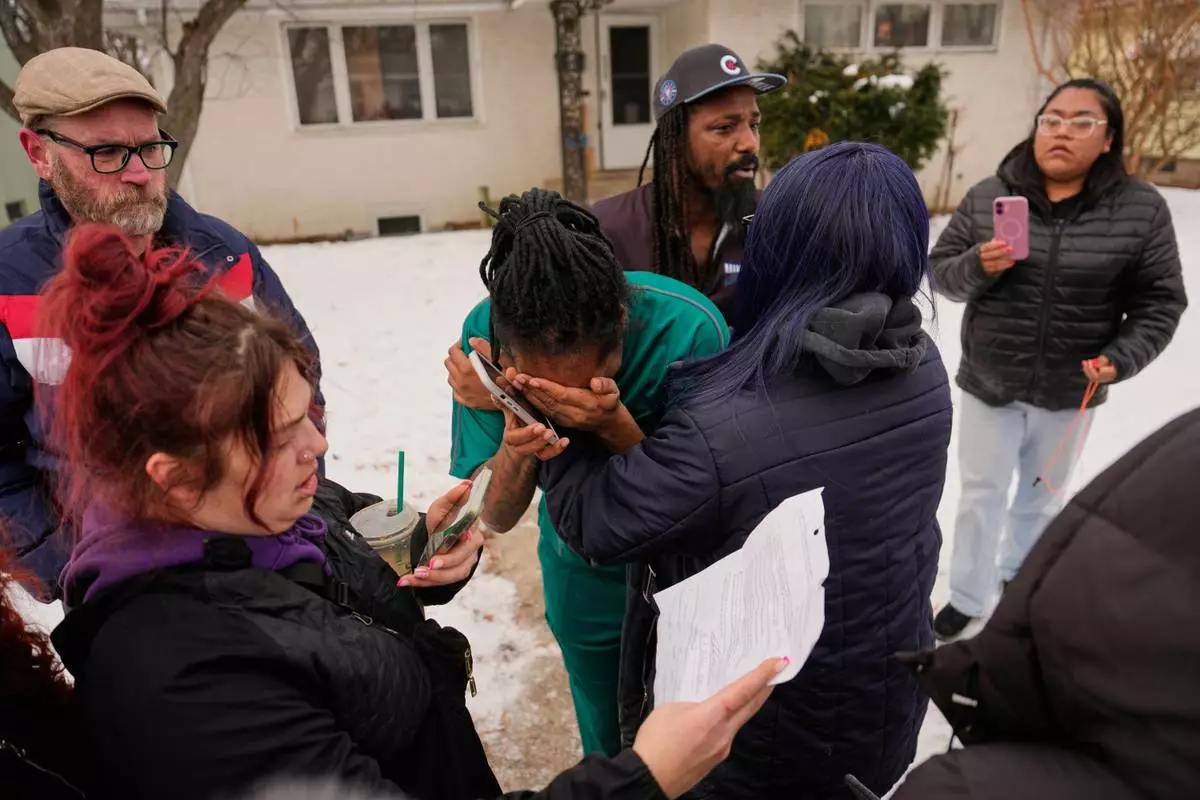
A family member, center, reacts after federal immigration officers make an arrest Sunday, Jan. 11, 2026, in Minneapolis. (AP Photo/John Locher)
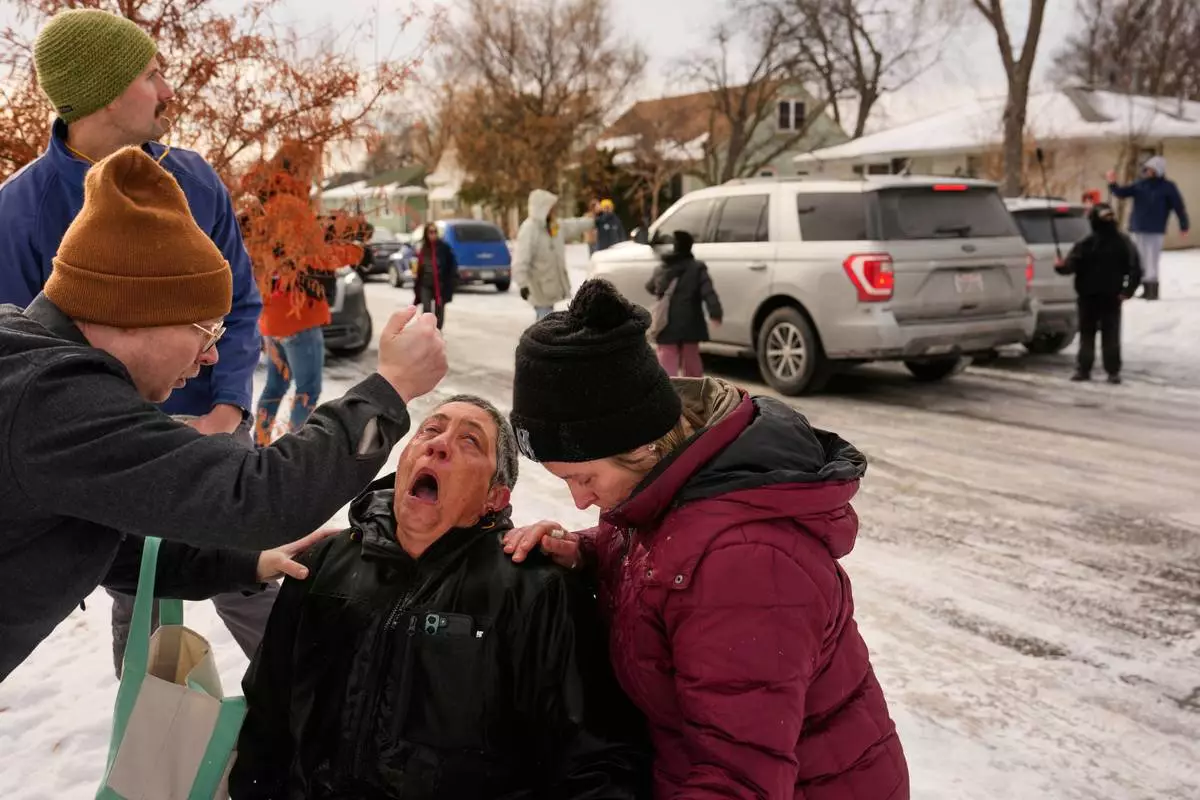
Bystanders are treated after being pepper sprayed as federal immigration officers make an arrest Sunday, Jan. 11, 2026, in Minneapolis. (AP Photo/John Locher)
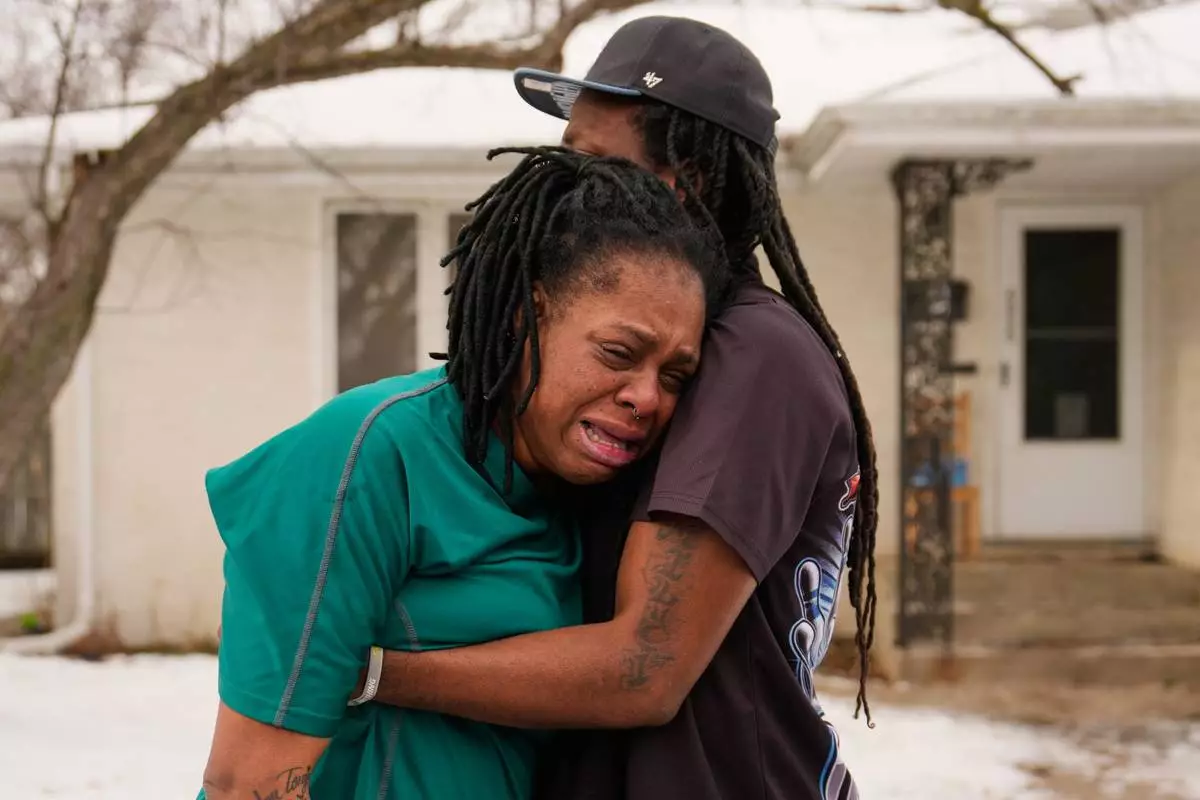
A family member reacts after federal immigration officers make an arrest Sunday, Jan. 11, 2026, in Minneapolis. (AP Photo/John Locher)
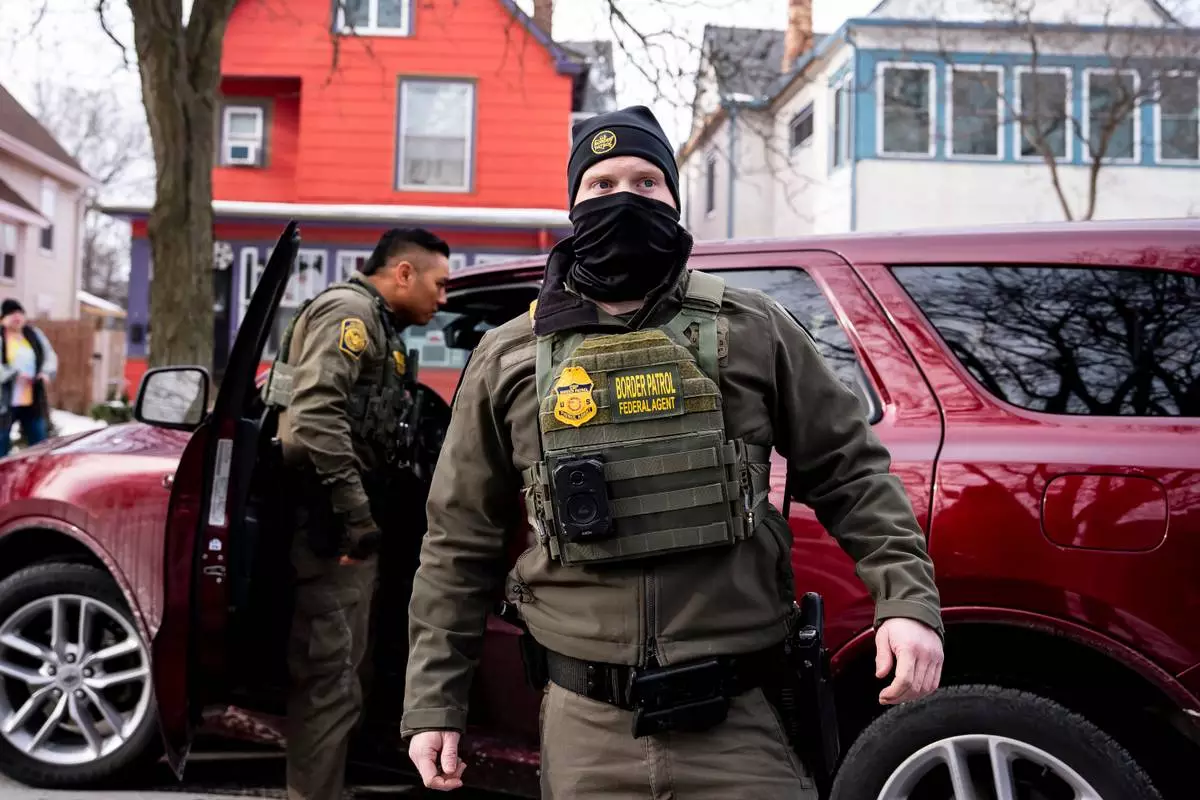
Federal agents look on after detaining a person during a patrol in Minneapolis, Minn., Sunday, Jan. 11, 2026. (Christopher Katsarov/The Canadian Press via AP)
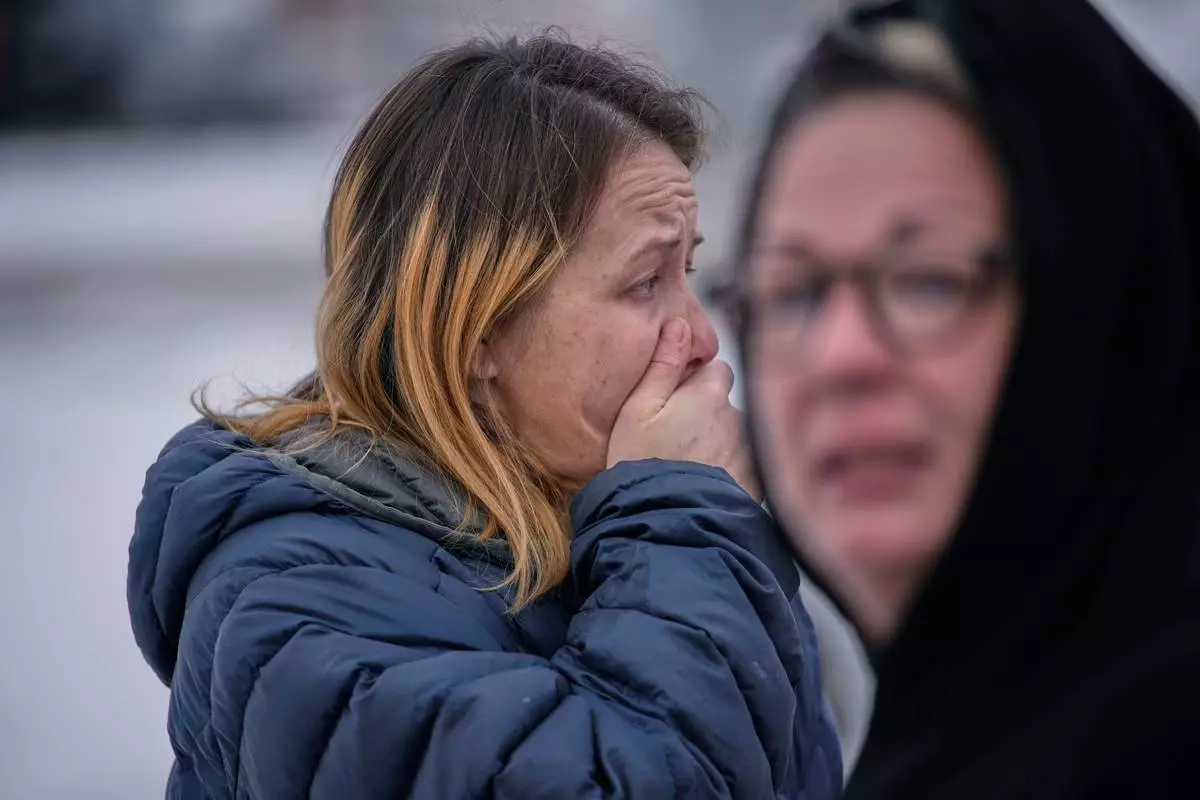
Bystanders react after a man was detained by Immigration and Customs Enforcement (ICE) agents during a traffic stop, Sunday, Jan. 11, 2026, in Robbinsdale, Minn. (AP Photo/John Locher)
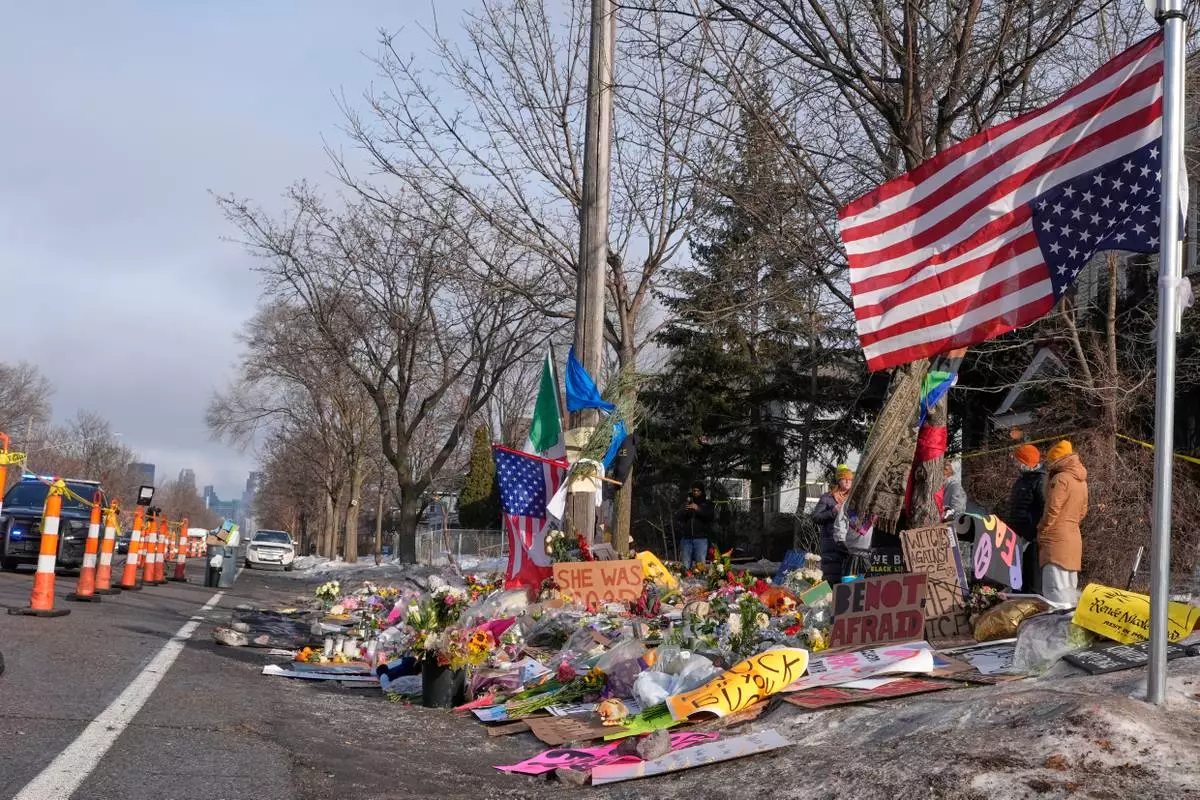
People stand near a memorial at the site where Renee Good was fatally shot by an ICE agent, Sunday, Jan. 11, 2026, in Minneapolis. (AP Photo/Jen Golbeck)
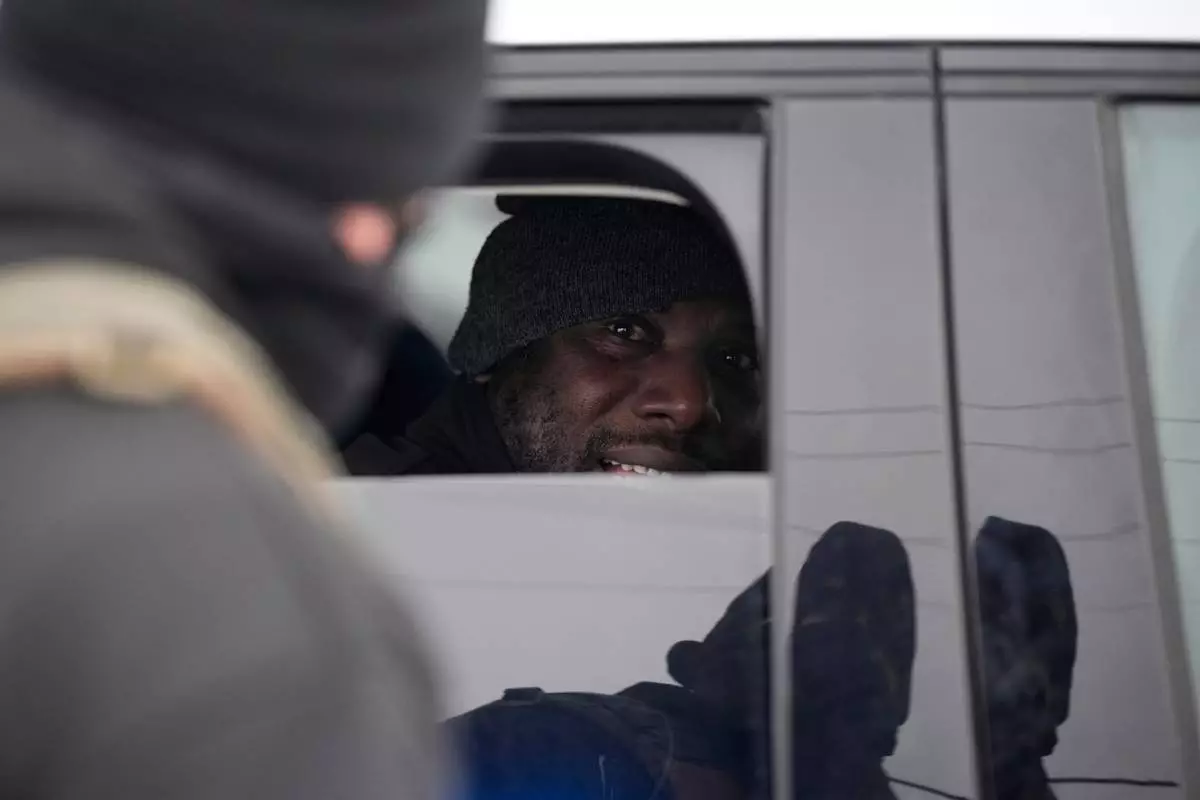
A man looks out of a car window after being detained by Immigration and Customs Enforcement (ICE) agents during a traffic stop, Sunday, Jan. 11, 2026, in Robbinsdale, Minn. (AP Photo/John Locher)
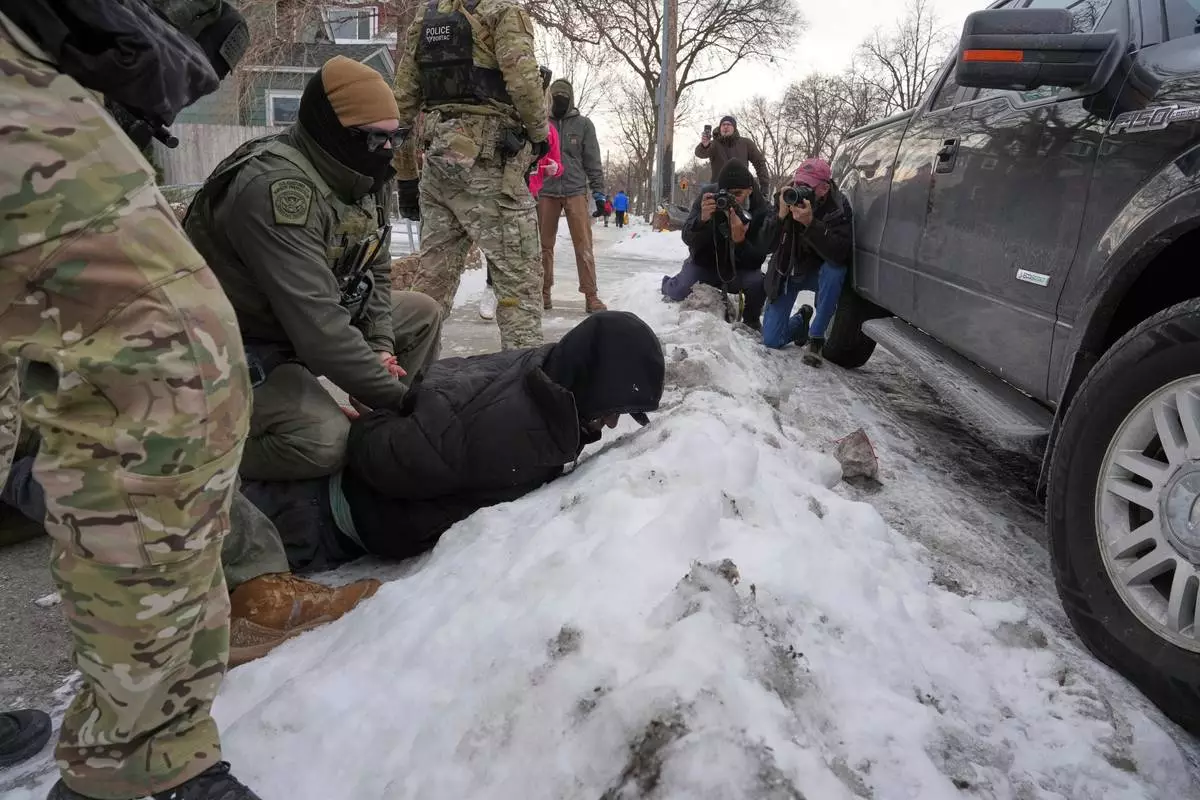
Border Patrol agents detain a man, Sunday, Jan. 11, 2026, in Minneapolis. (AP Photo/Adam Gray)
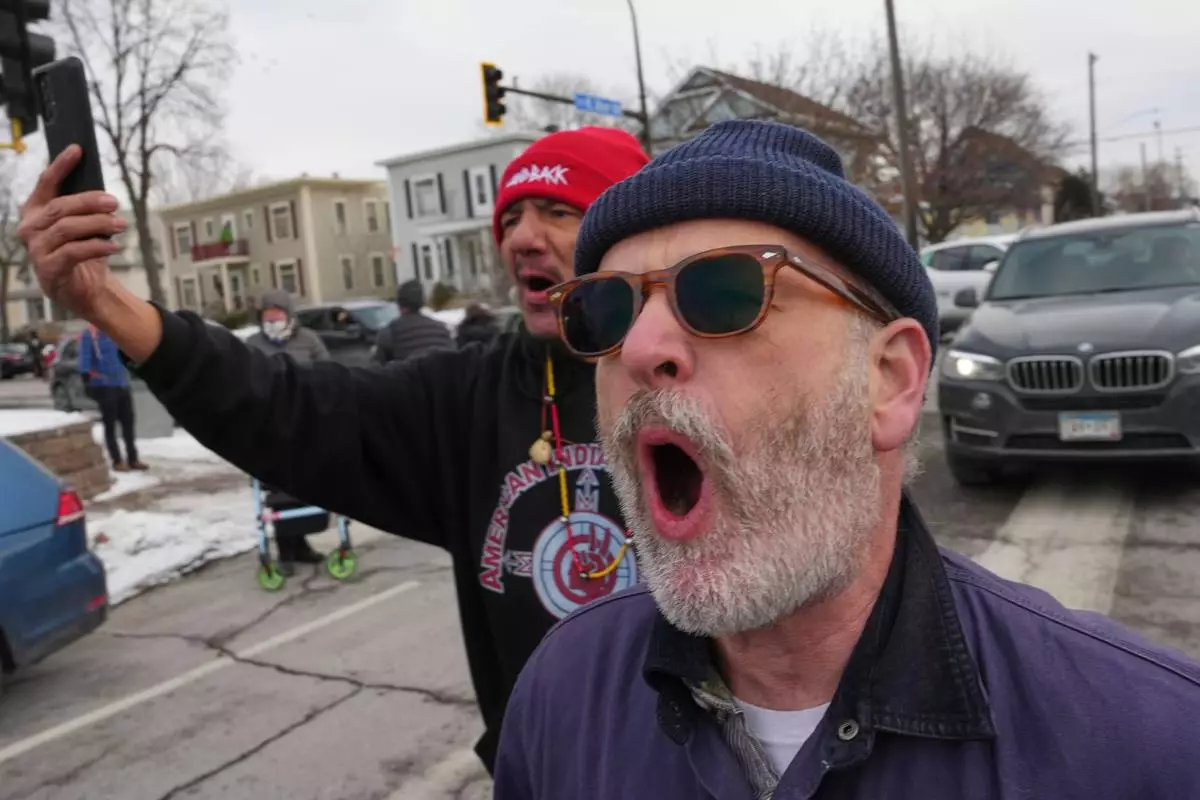
People shout toward Border Patrol agents making an arrest, Sunday, Jan. 11, 2026, in Minneapolis. (AP Photo/Adam Gray)
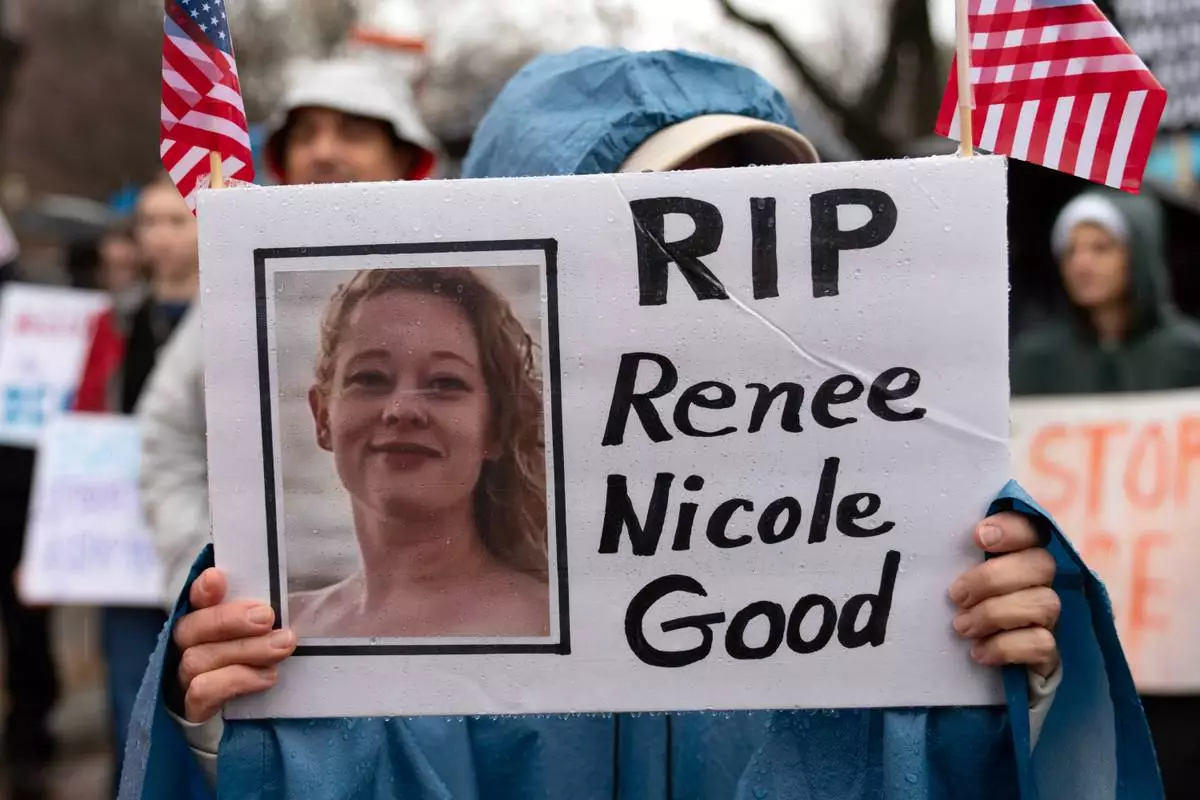
Demonstrators protest outside the White House in Washington, Saturday, Jan. 10, 2026, against the Immigration and Customs Enforcement agent who fatally shot Renee Good in Minneapolis. (AP Photo/Jose Luis Magana)
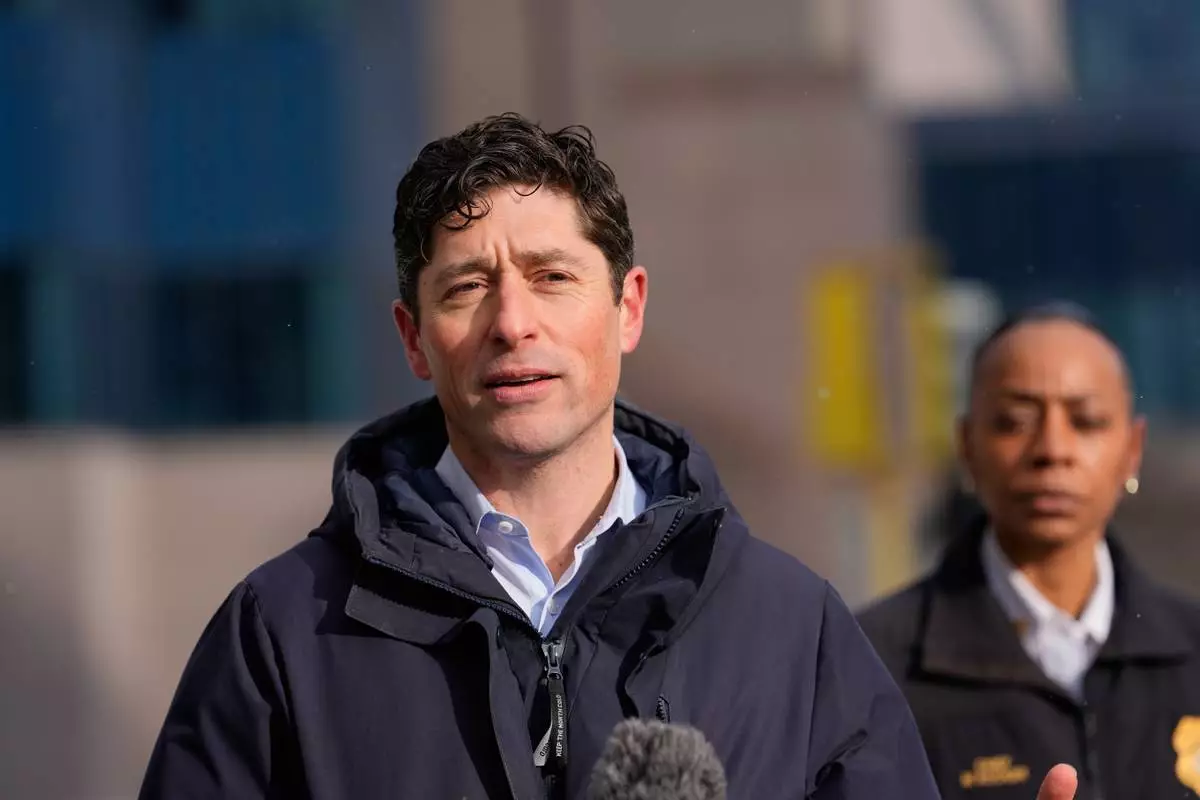
Minneapolis Mayor Jacob Frey holds a news conference on Saturday, Jan. 10, 2026, in Minneapolis. (AP Photo/Jen Golbeck)
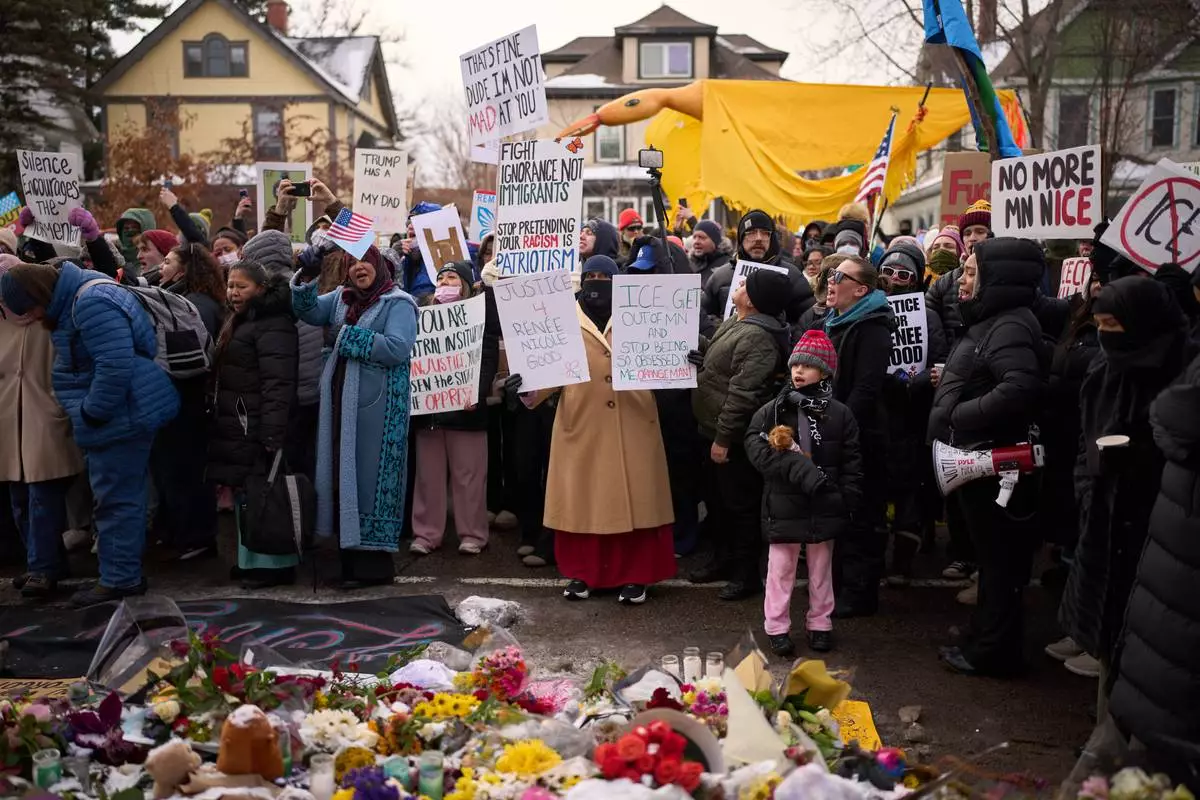
Protesters react as they visit a makeshift memorial during a rally for Renee Good, who was fatally shot by an ICE officer earlier in the week, Saturday, Jan. 10, 2026, in Minneapolis. (AP Photo/John Locher)