The Asian Infrastructure Investment Bank (AIIB), which marks its 10th anniversary this year, will uphold multilateralism and strengthen global cooperation, said AIIB President Jin Liqun on the sidelines of the bank's annual meeting, which opened in Beijing on Tuesday.
Founded in 2015, AIIB has grown from 57 founding members to 110 across six continents, covering 81 percent of the world's population and 65 percent of global GDP.
Over the past decade, it has approved over 60 billion U.S. dollars in financing for 320 projects, leveraging more than 200 billion U.S. dollars in infrastructure investment.
While speaking with China Media Group (CMG), Jin said that under the current circumstances, multilateral development institutions should more vigorously promote intra-regional and inter-regional connectivity, free trade and investment facilitation, adding that Asia has sufficient population and natural resources to carry out regional cooperation and set an example for the world.
"Development is a common cause for all. The close cooperation between developing countries and development institutions like us is very important. We are now entering the second decade, and I think the experience we have accumulated will continue to play its role," said the AIIB president.
Noting that the development achievements of the AIIB have showcased the vitality of multilateralism, Jin said that the AIIB will keep pace with the times and promote the implementation of more "future-oriented infrastructure" with a long-term vision.
He said that China will continue to strengthen global cooperation through the AIIB and promote regional and global integration.
"China is helping everyone, developing together with everyone, and seeking common interests. We promote the development of a community with a shared future for mankind, which will make many countries feel at ease about China's rise, feel happy about China's rise, and see their own future in China's rise," Jin said.
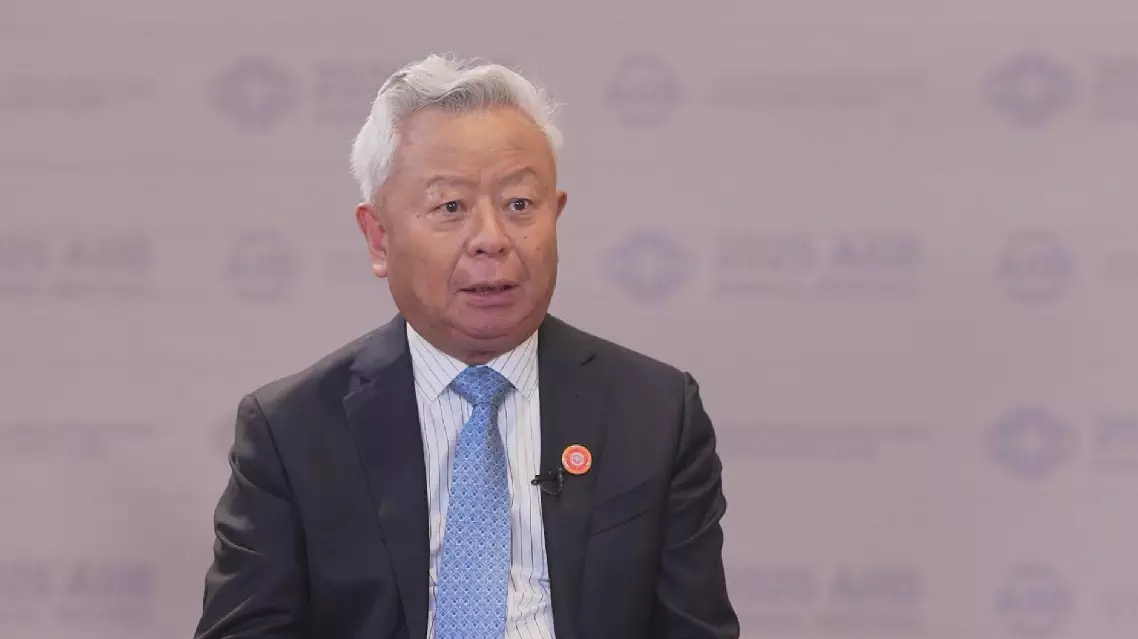
AIIB to uphold multilateralism, strengthen global cooperation: president
China will roll out a series of targeted measures to stabilize investment and unlock greater space for private capital, an official said on Thursday.
Chen Changsheng, deputy director of the State Council Research Office who participated in the drafting of this year's Government Work Report, made the statement at a press briefing held in Beijing.
He noted that China will leverage the guiding role of government funding and the driving effect of major projects to shore up investment.
Total government investment this year is set to exceed five trillion yuan (about 725 billion U.S. dollars), which will come from central budget investment and local government special bonds for major national strategies and security capacity building projects and equipment upgrades. Meanwhile, 109 major projects have been planned in the draft outline of the 15th Five-Year Plan (2026-2030).
China will also stimulate investment by opening up more application scenarios for businesses.
On the traditional front, a long-term mechanism will be improved to encourage private enterprises to participate in major national projects. For emerging sectors, China will further open scenarios in biomedicine, aerospace, and the low-altitude economy.
"Low-altitude economy has developed rapidly in recent years, with sound applications seen in fields such as agriculture, forestry plant protection, as well as surveying and inspection. Going forward, we will accelerate the opening of airspace resources and streamline approval procedures for low-altitude flights. This will unlock new scenarios including low-altitude logistics and urban management. Similar new opportunities can also be found in service robots and other sectors, all of which will create new space for private investment," Chen said.
By deepening reforms to further unlock investment potential, China will ease market access in the service sector, speed up revisions to the Bidding Law and the Government Procurement Law, and advance price reforms to broaden investment access for more enterprises.
"We will see a new round of investment potential unleashed. Major projects including the national water network, a new round of power grid upgrades, new generation communication networks, and computing power networks will drive massive investment, including demand from urban development. In addition, the campaign this year to expand and upgrade the service sector and the development of emerging industries will further expand space for private investment," Chen noted.
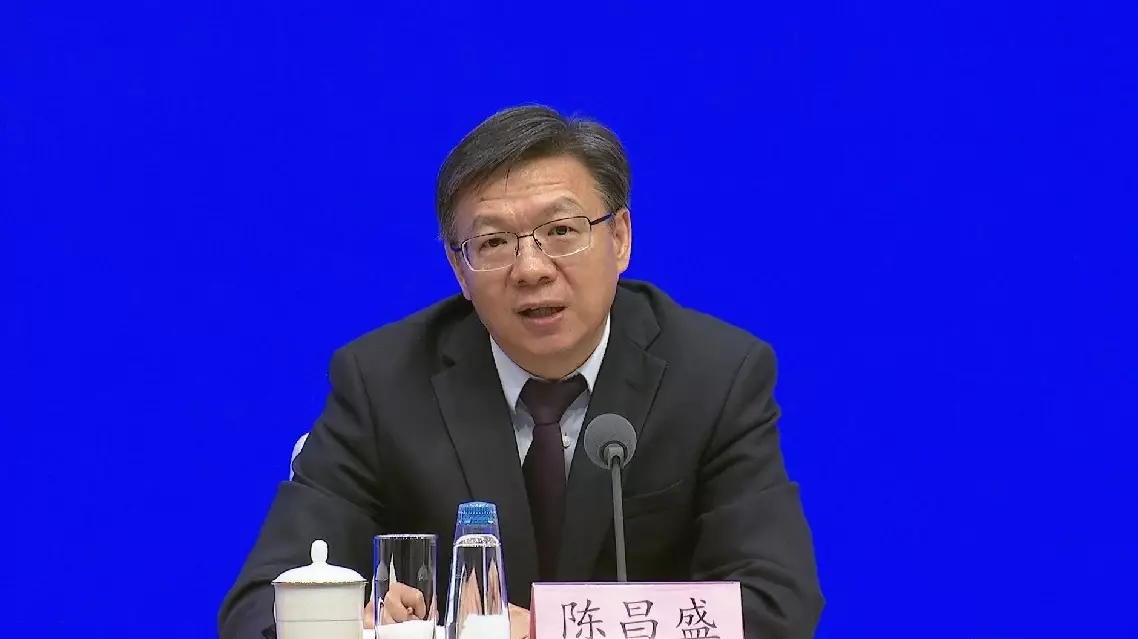
China to take measures to boost investment, expand space for private investment in 2026: official