HARRISBURG, Pa. (AP) — President Donald Trump will control the so-called “golden share” that's part of the national security agreement under which he allowed Japan-based Nippon Steel to buy out iconic American steelmaker U.S. Steel, according to disclosures with the U.S. Securities and Exchange Commission.
The provision gives the president the power to appoint a board member and have a say in company decisions that affect domestic steel production and competition with overseas producers.
Under the provision, Trump — or someone he designates — controls that decision-making power while he is president. However, control over those powers reverts to the Treasury Department and the Commerce Department when anyone else is president, according to the filings.
The White House responded in a statement that the share is “not granted to Trump specifically, but to whoever the president is" when asked why Trump will directly control the decision-making and why it goes to the Treasury and Commerce departments under future presidents.
Still, the wording of the provision is specific to Trump.
It lists what decisions cannot be made “without, ... at any time when Donald J. Trump is serving as President of the United States of America, the written consent of Donald J. Trump or President Trump’s Designee” or “at any other time, the written consent of the CMAs,” a contractual term for the Treasury and Commerce departments.
Nippon Steel's nearly $15 billion buyout of Pittsburgh-based U.S. Steel became final last week, making U.S. Steel a wholly owned subsidiary.
Trump has sought to characterize the acquisition as a "partnership" between the two companies after he at first vowed to block the deal — as former President Joe Biden did on his way out of the White House — before changing his mind after he became president.
The national security agreement became effective June 13 and is between Nippon Steel, as well as its American subsidiary, and the federal government, represented by the departments of Commerce and Treasury, according to the disclosures.
The complete national security agreement hasn't been published publicly, although aspects of it have been outlined in statements and securities filings made by the companies, U.S. Steel said Wednesday.
The pursuit by Nippon Steel dragged on for a year and-a-half, weighed down by national security concerns, opposition by the United Steelworkers and presidential politics in the premier battleground state of Pennsylvania, where U.S. Steel is headquartered.
The combined company will become the world’s fourth-largest steelmaker in an industry dominated by Chinese companies, and bring what analysts say is Nippon Steel’s top-notch technology to U.S. Steel’s antiquated steelmaking processes, plus a commitment to invest $11 billion to upgrade U.S. Steel facilities.
The potential that the deal could be permanently blocked forced Nippon Steel to sweeten the deal.
That included upping its capital commitments in U.S. Steel facilities and adding the golden share provision, giving Trump the right to appoint an independent director and veto power on specific matters.
Those matters include reductions in Nippon Steel’s capital commitments in the national security agreement; changing U.S. Steel’s name and headquarters; closing or idling U.S. Steel’s plants; transferring production or jobs outside of the U.S.; buying competing businesses in the U.S.; and certain decisions on trade, labor and sourcing outside the U.S.
Follow Marc Levy on X at: https://x.com/timelywriter.
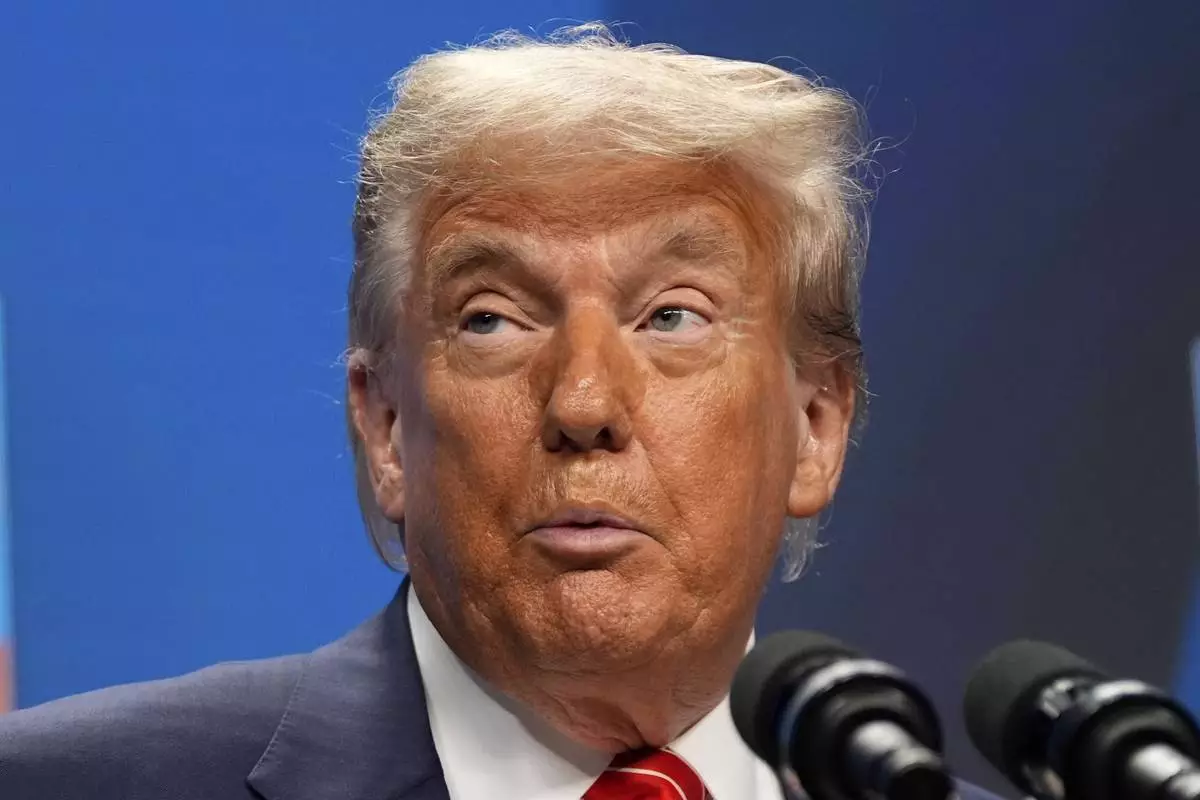
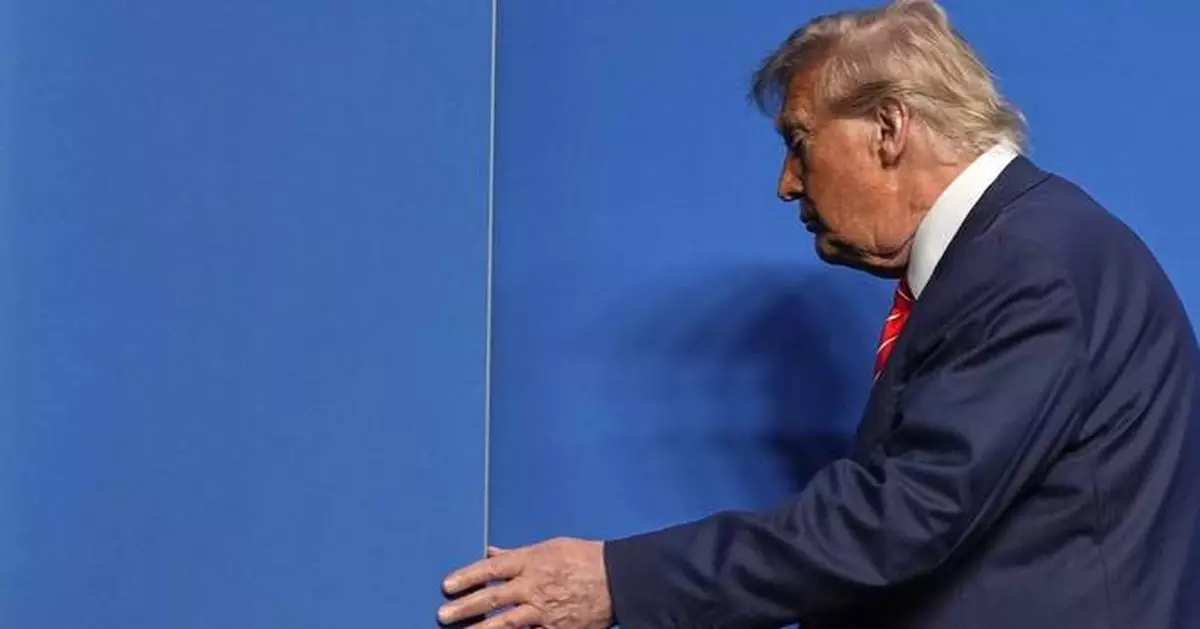
President Donald Trump speaks during a media conference at the end of the NATO summit in The Hague, Netherlands, Wednesday, June 25, 2025. (AP Photo/Alex Brandon)
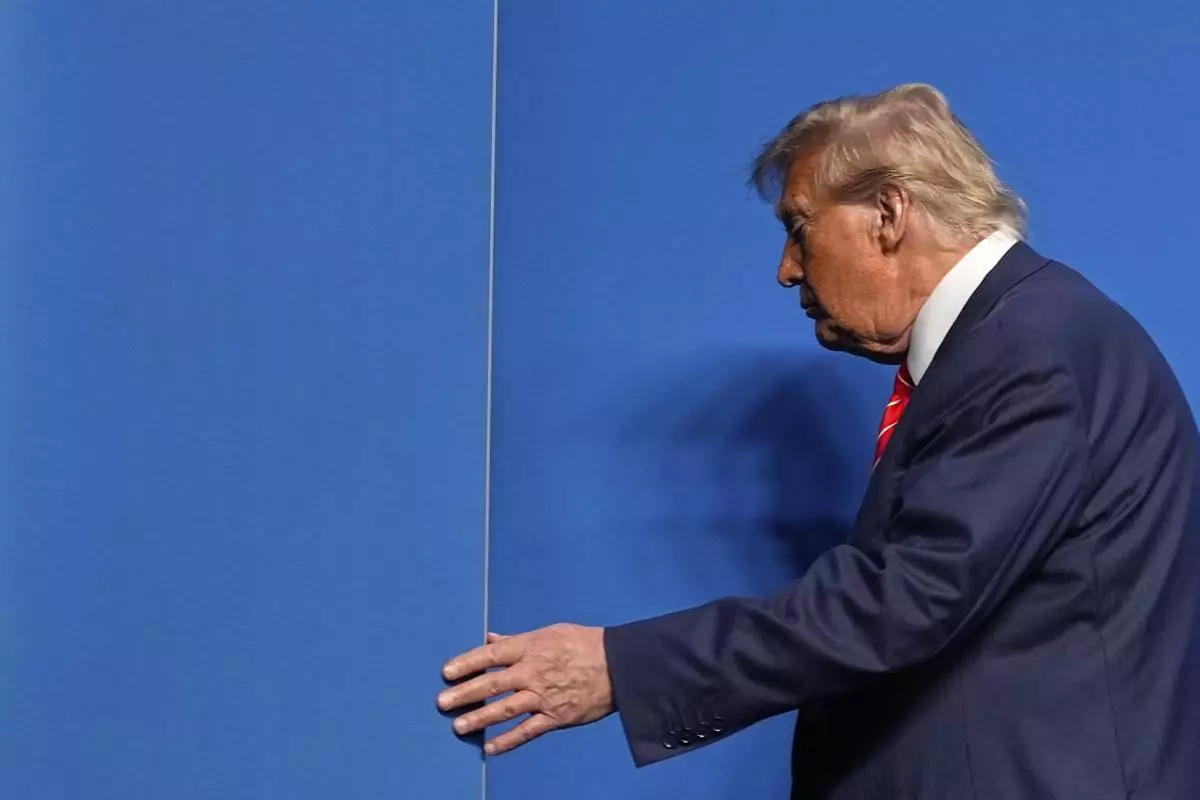
President Donald Trump leaves after a media conference at the end of the NATO summit in The Hague, Netherlands, Wednesday, June 25, 2025. (AP Photo/Alex Brandon)
NEW YORK (AP) — Thousands of nurses in three hospital systems in New York City went on strike Monday after negotiations through the weekend failed to yield breakthroughs in their contract disputes.
The strike was taking place at The Mount Sinai Hospital and two of its satellite campuses, with picket lines forming. The other affected hospitals are NewYork-Presbyterian and Montefiore Medical Center in the Bronx.
About 15,000 nurses are involved in the strike, according to New York State Nurses Association.
“After months of bargaining, management refused to make meaningful progress on core issues that nurses have been fighting for: safe staffing for patients, healthcare benefits for nurses, and workplace violence protections,” the union said in a statement issued Monday. “Management at the richest hospitals in New York City are threatening to discontinue or radically cut nurses’ health benefits.”
The strike, which comes during a severe flu season, could potentially force the hospitals to transfer patients, cancel procedures or divert ambulances. It could also put a strain on city hospitals not involved in the contract dispute, as patients avoid the medical centers hit by the strike.
The hospitals involved have been hiring temporary nurses to try and fill the labor gap during the walkout, and said in a statement during negotiations that they would “do whatever is necessary to minimize disruptions.” Montefiore posted a message assuring patients that appointments would be kept.
“NYSNA’s leaders continue to double down on their $3.6 billion in reckless demands, including nearly 40% wage increases, and their troubling proposals like demanding that a nurse not be terminated if found to be compromised by drugs or alcohol while on the job," Montefiore spokesperson Joe Solmonese said Monday after the strike had started. "We remain resolute in our commitment to providing safe and seamless care, regardless of how long the strike may last.”
New York-Presbyterian accused the union of staging a strike to “create disruption,” but said in a statement that it has taken steps to ensure patients receive the care they need.
"We’re ready to keep negotiating a fair and reasonable contract that reflects our respect for our nurses and the critical role they play, and also recognizes the challenging realities of today’s healthcare environment,” the statement said.
The work stoppage is occurring at multiple hospitals simultaneously, but each medical center is negotiating with the union independently. Several other hospitals across the city and in its suburbs reached deals in recent days to avert a possible strike.
The nurses’ demands vary by hospital, but the major issues include staffing levels and workplace safety. The union says hospitals have given nurses unmanageable workloads.
Nurses also want better security measures in the workplace, citing incidents like a an incident last week, when a man with a sharp object barricaded himself in a Brooklyn hospital room and was then killed by police.
The union also wants limitations on hospitals’ use of artificial intelligence.
The nonprofit hospitals involved in the negotiations say they’ve been working to improve staffing levels, but say the union’s demands overall are too costly.
Nurses voted to authorize the strike last month.
Both New York Gov. Kathy Hochul and Mayor Zohran Mamdani had expressed concern about the possibility of the strike. As the strike deadline neared, Mamdani urged both sides to keep negotiating and reach a deal that “both honors our nurses and keeps our hospitals open.”
“Our nurses kept this city alive through its hardest moments. Their value is not negotiable,” Mamdani said.
State Attorney General Letitia James voiced similar support, saying "nurses put their lives on the line every day to keep New Yorkers healthy. They should never be forced to choose between their own safety, their patients’ well-being, and a fair contract.”
The last major nursing strike in the city was only three years ago, in 2023. That work stoppage, at Mount Sinai and Montefiore, was short, lasting three days. It resulted in a deal raising pay 19% over three years at those hospitals.
It also led to promised staffing improvements, though the union and hospitals now disagree about how much progress has been made, or whether the hospitals are retreating from staffing guarantees.
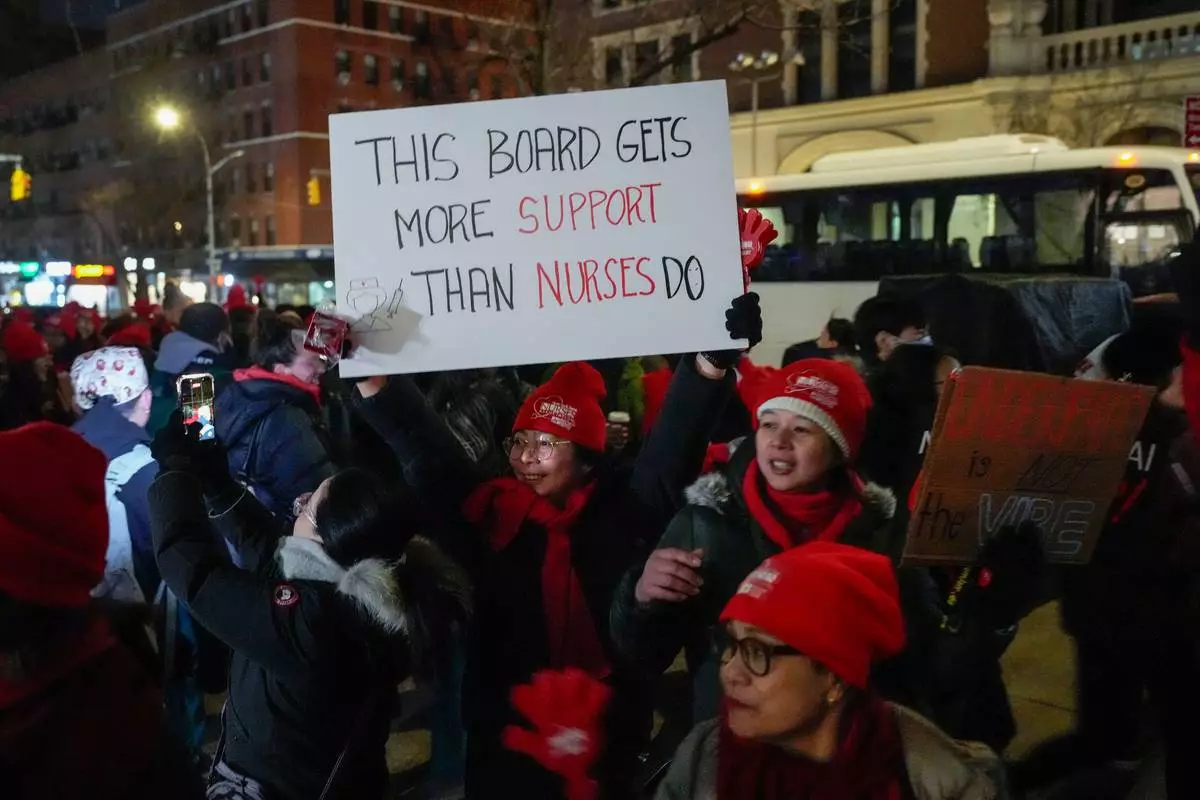
Nurses strike outside Mount Sinai West Hospital, Monday, Jan. 12, 2026, in New York. (AP Photo/Yuki Iwamura)
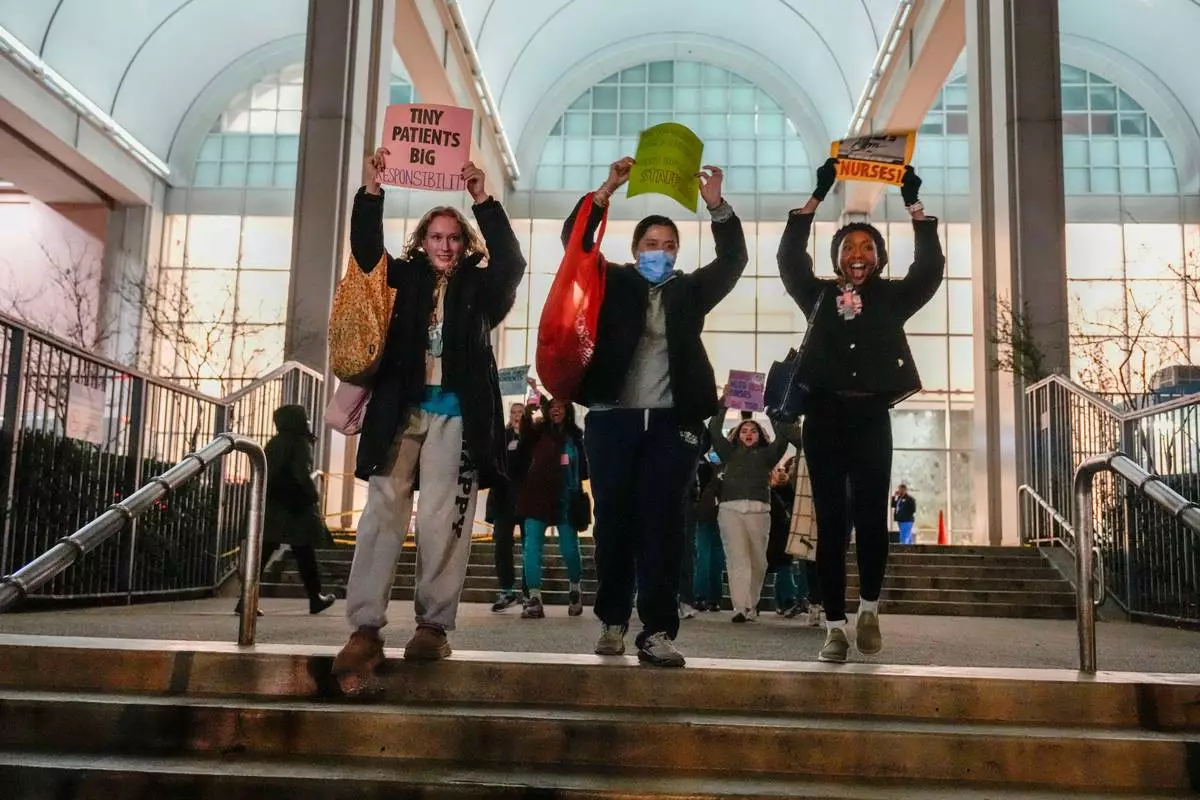
Nurses strike outside Mount Sinai West Hospital, Monday, Jan. 12, 2026, in New York. (AP Photo/Yuki Iwamura)
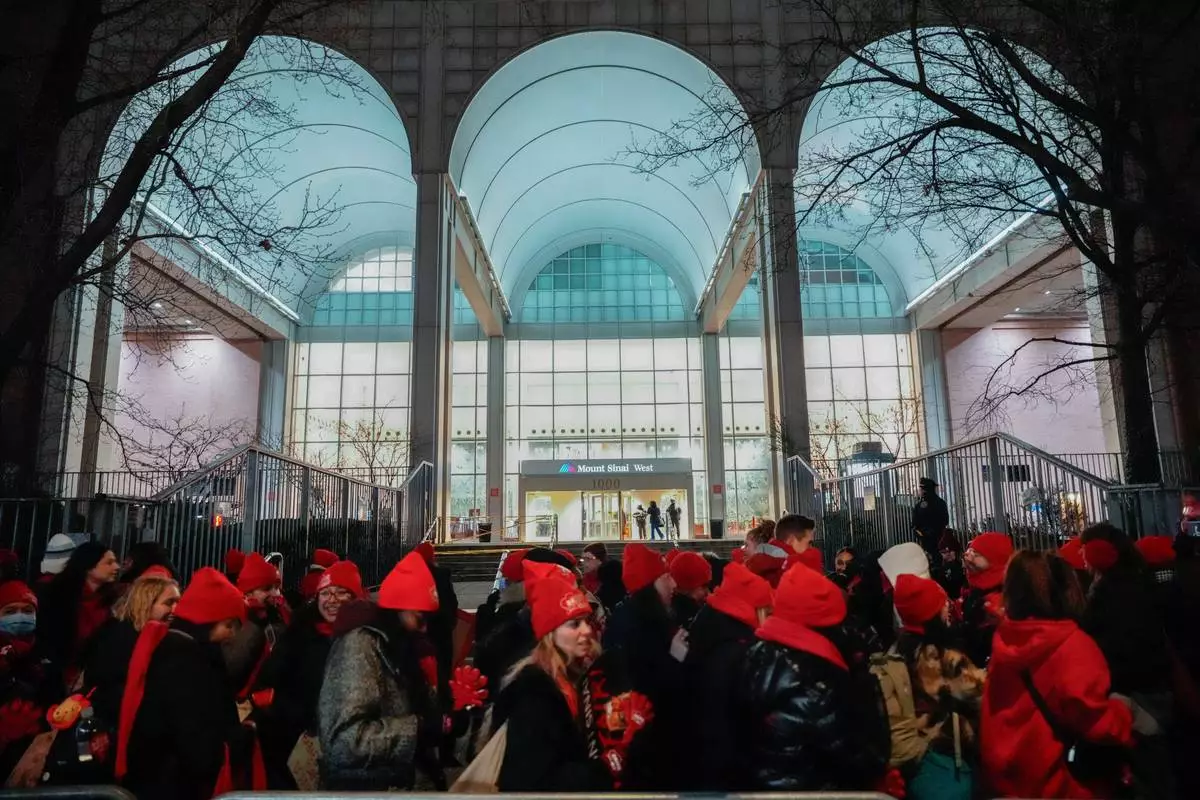
Nurses strike outside Mount Sinai West Hospital, Monday, Jan. 12, 2026, in New York. (AP Photo/Yuki Iwamura)
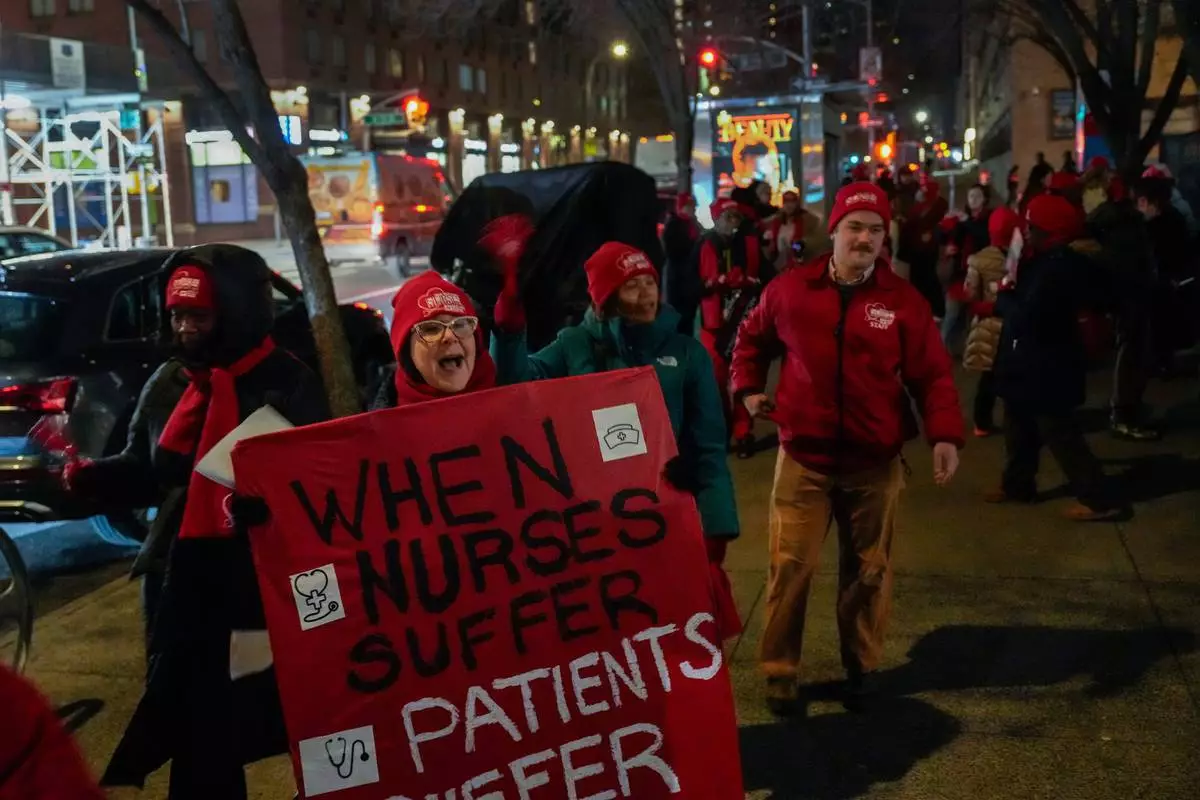
Nurses strike outside Mount Sinai West Hospital, Monday, Jan. 12, 2026, in New York. (AP Photo/Yuki Iwamura)

FILE - A medical worker transports a patient at Mount Sinai Hospital, April 1, 2020, in New York. (AP Photo/Mary Altaffer, File)